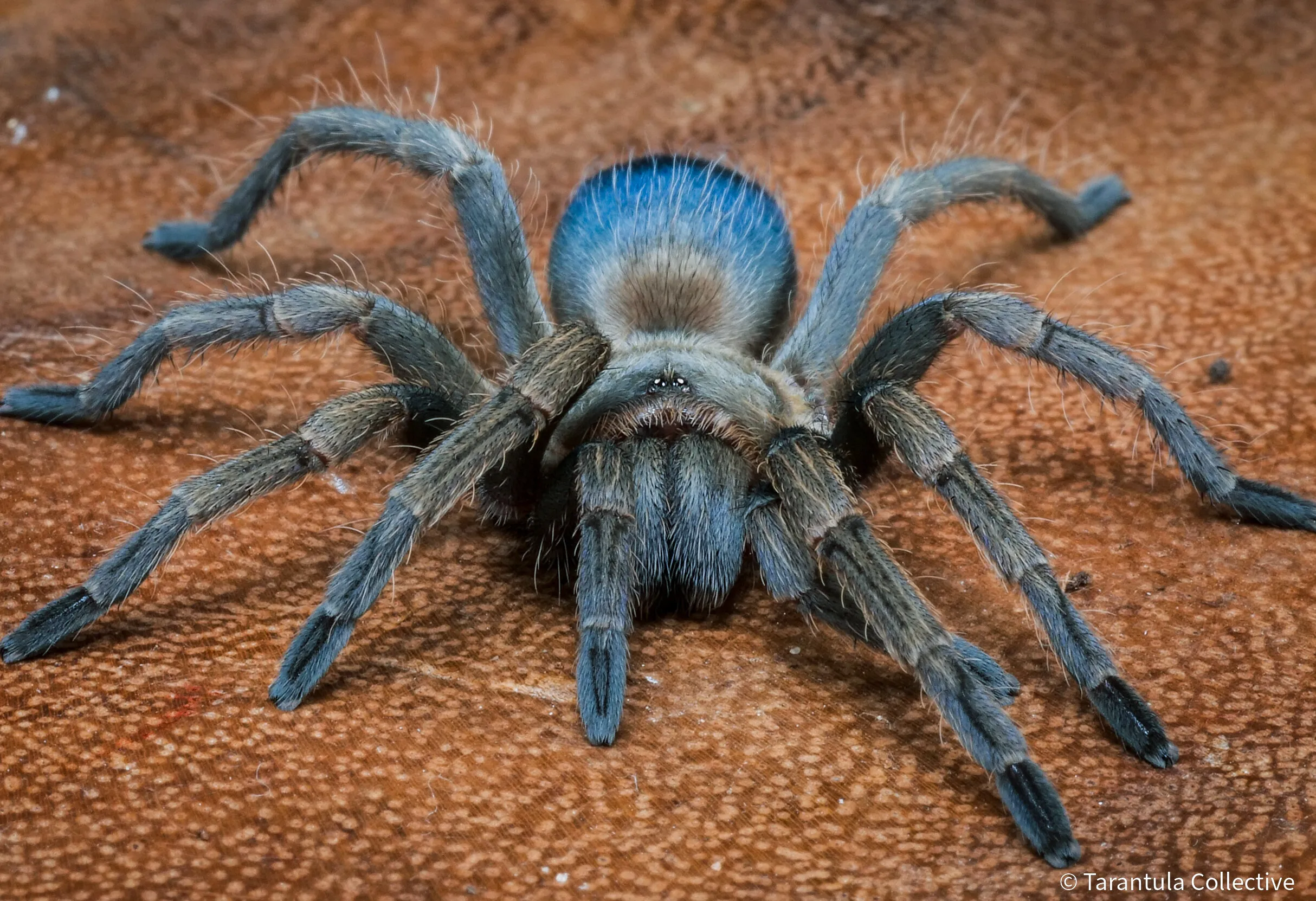
Albiceps Tarantula Overview
The Typhochlaena seladonia, commonly known as the Albiceps Tarantula, is a captivating and increasingly popular pet among tarantula enthusiasts. Native to the rainforests of Brazil, this arboreal species is known for its striking appearance, relatively docile temperament, and manageable size. Unlike some other tarantula species, the Albiceps presents a unique combination of beauty and ease of care, making it a suitable choice for both novice and experienced keepers. Their arboreal nature means they prefer to climb and live in elevated spaces, which is a key consideration when setting up their enclosure. Their vibrant colors and interesting behaviors contribute to their appeal, but proper care is paramount to ensure the well-being and longevity of your Albiceps Tarantula. This guide provides comprehensive care instructions to help you succeed in keeping this magnificent species.
Appearance and Characteristics
Albiceps Tarantulas are visually stunning creatures. Adults typically display a vibrant palette of colors, with a predominantly green carapace and abdomen, often contrasted by reddish or orange hairs. Their legs can vary in shade, with some exhibiting a lighter hue, adding to their overall aesthetic appeal. The size of an adult Albiceps Tarantula can range from 4 to 6 inches in leg span, making them a manageable size for most homes. The overall appearance is characterized by a robust build and an active demeanor, allowing for captivating observations within their enclosure. Their unique coloration and slender build make them quite distinct from other tarantula species, which has contributed to their popularity in the pet trade. The males and females share similar appearances, making it difficult to determine their sex until they reach maturity, or with certain specialized methods such as examining the molt.
Natural Habitat

Understanding the natural habitat of the Albiceps Tarantula is vital for replicating the necessary conditions in captivity. These tarantulas are native to the rainforests of Brazil, where they thrive in humid, warm environments. They are arboreal, meaning they spend most of their time in trees, under bark, or among foliage. The rainforest environment provides them with a constant supply of insects and other small invertebrates to feed on. The temperature in their natural habitat is generally consistent, with high humidity levels throughout the year. These factors are crucial for their health and well-being. By understanding their natural environment, you can better provide a suitable habitat that mirrors their wild home, thereby ensuring the health and longevity of your Albiceps Tarantula.
Albiceps Tarantula Housing
Enclosure Size and Setup
Choosing the right enclosure is the first step in providing a comfortable and safe environment for your Albiceps Tarantula. Due to their arboreal nature, a vertically oriented enclosure is essential. A suitable size for an adult Albiceps Tarantula is around 12x12x18 inches or larger, providing ample space for climbing and movement. The enclosure should be well-ventilated to prevent the buildup of excessive humidity, but it must also retain enough moisture to mimic the tarantula’s natural habitat. The lid should be secure, preventing the tarantula from escaping, while still allowing for proper ventilation. The choice of material can vary, with glass or acrylic enclosures being the most popular choices for visibility and ease of cleaning. A properly designed enclosure is fundamental in helping your Albiceps Tarantula thrive and remain healthy, and the layout should take the arboreal needs into account.
Substrate and Decor

The substrate serves as a crucial component of the enclosure, providing a comfortable surface and assisting in humidity regulation. A mixture of coconut fiber, peat moss, and sphagnum moss works well, offering excellent moisture retention and a naturalistic aesthetic. The substrate layer should be deep enough – at least 4-6 inches – to allow the tarantula to burrow if it chooses and to help maintain humidity levels. Decorations, such as cork bark, artificial or real plants, and branches, are vital for providing climbing opportunities and hiding places. These additions not only enrich the environment but also cater to the natural behaviors of the tarantula. Make sure any decorations are free of chemicals and sharp edges that could injure the tarantula. The decor should be arranged strategically to provide climbing areas, hiding spots, and a sense of security for the Albiceps Tarantula.
Temperature and Humidity
Maintaining the correct temperature and humidity levels is critical for the Albiceps Tarantula’s health and well-being. A temperature range of 75-85°F (24-29°C) is ideal. You can achieve this by using a heat lamp, a heat mat, or by placing the enclosure in a room with a consistent temperature. Humidity levels should be kept around 70-80% to mimic their rainforest habitat. Regular misting with dechlorinated water, especially during drier periods, can help maintain these levels. Using a hygrometer to monitor humidity is recommended. Proper ventilation, alongside temperature and humidity control, is essential to prevent the growth of mold and mildew. Consistency in these environmental parameters is essential for the successful keeping of the Albiceps Tarantula.
Feeding Your Albiceps Tarantula
Diet and Feeding Frequency

Albiceps Tarantulas are carnivores and primarily feed on insects. A varied diet ensures the tarantula receives all the necessary nutrients. Suitable food items include crickets, roaches, mealworms, and waxworms. The size of the prey should be appropriate for the size of the tarantula; generally, prey items should be no larger than the tarantula’s body. Adult Albiceps Tarantulas can be fed 2-3 times a week, while juveniles require more frequent feedings, possibly every other day. Remove any uneaten food within 24 hours to prevent mold or other pests from developing in the enclosure. Observe your tarantula’s feeding habits; refusal to eat may indicate an impending molt or other health issue. It is important to note that overfeeding can lead to health problems, so moderation is key. Providing a diverse diet is an important aspect of maintaining a healthy albiceps tarantula.
Water and Hydration
Providing fresh water is essential for the hydration of your Albiceps Tarantula. A shallow water dish should be available at all times. Use a water dish that is not too deep to prevent the tarantula from drowning. The water should always be clean and free of chlorine or other chemicals; using bottled water or dechlorinating tap water is recommended. In addition to the water dish, misting the enclosure regularly helps maintain humidity and provides an additional source of hydration. Monitoring water levels and refreshing the water dish frequently is a crucial aspect of proper care, directly impacting the tarantula’s health and well-being. Regular hydration is vital for your tarantula’s molting and overall health.
Albiceps Tarantula Handling and Temperament
Handling Safety Precautions

While Albiceps Tarantulas are generally considered docile, handling should be approached with caution. Tarantulas can be skittish and may bite if they feel threatened or startled. Handling is generally not recommended unless necessary, such as when cleaning the enclosure or moving the tarantula. If handling is required, always use soft, gentle movements, and avoid any sudden actions. Always handle the tarantula close to the ground or a soft surface in case it falls. Wash your hands thoroughly before and after handling the tarantula to prevent the spread of any potential contaminants. Always supervise children when they are near the enclosure or handling the tarantula, ensuring their safety and the safety of the spider. Respect the tarantula and its space, and understanding its behavior will ensure your safety and the tarantula’s wellbeing.
Understanding Tarantula Behavior
Understanding the behavior of your Albiceps Tarantula is crucial for responsible pet ownership. Tarantulas can display a variety of behaviors, including defensive postures, fleeing, or, in rare cases, biting. Learn to recognize these behaviors so you can respond appropriately. The Albiceps Tarantula, like most species, might display certain behaviors before molting, such as refusing food or spending more time in its hide. Observing your tarantula’s routine will help you identify any potential issues early. It is important to remember that tarantulas are not social creatures and prefer to be left alone. Provide a safe and comfortable environment, and avoid unnecessary handling, as this can cause stress and potentially lead to defensive behavior. By understanding their nature, you can greatly enhance the experience of keeping an Albiceps Tarantula.
Albiceps Tarantula Health and Common Issues
Molting Process

Molting is a natural process where tarantulas shed their exoskeleton to grow. During this time, the tarantula is vulnerable. Signs of an impending molt include loss of appetite, a change in color, and lethargy. The tarantula may also construct a web mat to lay on. Do not disturb the tarantula during the molting process. The process can take several hours or even days. After molting, the tarantula’s new exoskeleton will be soft, and it will need a few days to harden. Do not feed the tarantula until the fangs have fully hardened. Providing a stable environment and undisturbed conditions during the molting cycle contributes to the well-being and growth of your Albiceps Tarantula. After molting, the tarantula will typically be much larger.
Preventing and Addressing Health Problems
While Albiceps Tarantulas are relatively hardy, certain health issues can arise. The most common issues include mites, fungal infections, and injuries. Maintaining a clean and properly ventilated enclosure is the best way to prevent these problems. Mites can be introduced through new substrate or prey items; these should be quarantined before being placed in the enclosure. If you observe any health problems, such as lethargy, loss of appetite, or unusual behavior, consult with a veterinarian experienced in exotic animals. Addressing problems promptly is crucial for the long-term health and wellbeing of your Albiceps Tarantula. Proper care and monitoring will help keep your tarantula healthy. In some cases, you may need to change the substrate to address certain health issues.
Albiceps Tarantula Breeding
Sexing Albiceps Tarantulas

Sexing Albiceps Tarantulas is typically done by examining the exuvia (molted exoskeleton) or by looking for the presence of spermathecae in mature females. The most reliable method is to examine the underside of the molt. If you are looking at the molt from the underside, you can look for a spermathecae, a small sac-like structure that stores sperm, usually visible in the female’s molt between the book lungs. The presence of these structures confirms a female. For males, you will be able to see the hooks on the front legs, used to hold the female’s fangs during mating, and the presence of these hooks confirms a male. Sexing immature tarantulas is very difficult, but, once they reach a certain size, these methods can be used. Some experienced keepers can sex Albiceps Tarantulas from a younger age, but it requires a keen eye and a lot of experience.
Mating and Egg Sacs
Breeding Albiceps Tarantulas involves carefully introducing a mature male to a mature female. It is important to monitor the interaction closely, as the female may sometimes become aggressive. If the mating is successful, the female will eventually produce an egg sac, which will contain hundreds of eggs. The female will guard the egg sac until the spiderlings hatch. The incubation period and development of the spiderlings depend on the environment, especially temperature and humidity. After hatching, the spiderlings should be housed separately to prevent cannibalism. Breeding Albiceps Tarantulas is a rewarding but advanced endeavor. Careful planning and execution are required to ensure the well-being of the tarantulas and the success of the breeding attempt.
In conclusion, caring for an Albiceps Tarantula can be a fulfilling experience. By providing the right environment, proper feeding, and respectful handling, you can ensure a long and healthy life for this fascinating species. Remember to always prioritize their needs, observe their behavior, and seek expert advice if you have any concerns. With dedication and understanding, you can enjoy the beauty and unique characteristics of the Albiceps Tarantula for many years to come.