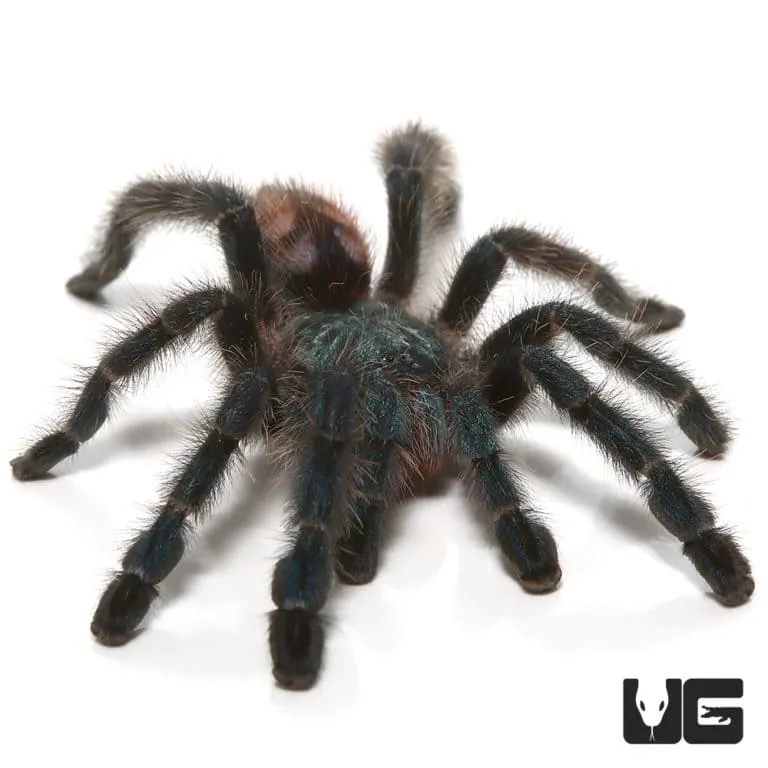
Understanding Antilles Pinktoe Tarantula Enclosure Needs
Creating the perfect habitat for your Antilles Pinktoe Tarantula (Caribena versicolor) is crucial for its health, well-being, and longevity. One of the most critical aspects of this habitat is the enclosure size. An appropriately sized enclosure provides ample space for movement, reduces stress, and facilitates essential behaviors like molting and hunting. Understanding the specific needs of your tarantula at different life stages is vital to providing the best possible care. This guide will delve into the details of enclosure size, essential features, and common pitfalls to avoid, ensuring your tarantula thrives in its captive environment. Remember, a happy tarantula is a healthy tarantula, and a well-designed enclosure is the foundation of that happiness.
Why Enclosure Size Matters for Antilles Pinktoe Tarantulas
The size of your Antilles Pinktoe Tarantula’s enclosure profoundly impacts its physical and psychological health. Providing enough space allows for natural behaviors and reduces stress, which are both critical to a tarantula’s well-being. A cramped enclosure can lead to a variety of problems, hindering the tarantula’s ability to thrive. Consider the implications of an enclosure that is either too small or too large and how it will influence the life of your tarantula.
Impact on Molting

Molting is a vital process for tarantulas, allowing them to shed their exoskeleton and grow. A cramped enclosure can make this process difficult and dangerous. The tarantula needs space to maneuver and successfully shed its old skin. If the enclosure is too small, the tarantula may struggle to turn over or stretch out properly, potentially leading to molting complications and even death. A properly sized enclosure allows the tarantula to molt in a safe and stress-free environment, ensuring its continued growth and health. The enclosure setup should provide enough space for the tarantula to molt without obstruction and a suitable substrate to grip during the molting process.
Impact on Stress Levels
Stress can significantly impact a tarantula’s health and behavior. A confined space can cause chronic stress, leading to decreased appetite, lethargy, and a weakened immune system. Tarantulas are solitary creatures, and while they don’t necessarily need a large enclosure, they still need enough space to feel secure and undisturbed. A well-sized enclosure allows the tarantula to move freely, explore its surroundings, and establish its territory, reducing stress and promoting a sense of well-being. The more comfortable your tarantula, the more likely it is to exhibit natural behaviors and live a long, healthy life.
Impact on Feeding Habits
The size of the enclosure can also affect a tarantula’s feeding habits. In a cramped environment, a tarantula may feel threatened or stressed, leading to a loss of appetite. Conversely, a tarantula in a spacious enclosure may be more active and inclined to hunt. The enclosure should provide enough room for the tarantula to stalk its prey without feeling overwhelmed. A well-designed enclosure enhances the tarantula’s hunting instincts and ensures it gets the necessary nutrition for optimal health and growth. Providing appropriate enrichment, such as varied terrain and hiding places, can also stimulate the tarantula’s appetite and encourage healthy eating habits.
Recommended Enclosure Size: A Guide

Determining the right enclosure size for your Antilles Pinktoe Tarantula depends on its age and size. As your tarantula grows, it will require a larger habitat to accommodate its increasing size and activity levels. Providing an enclosure that is too small can hinder growth, while one that is too large can make it difficult for the tarantula to find its food and feel secure. Following these recommendations for each life stage can ensure that your tarantula has the space it needs to thrive. Consider that these are general guidelines, and it’s essential to observe your tarantula and adjust the enclosure size accordingly. Observe the way your tarantula behaves, and that should give you an idea if the enclosure is appropriate.
Spiderling Enclosure Size Recommendations
Spiderlings, the young tarantulas, require smaller enclosures to feel secure. A good starting point is a small deli cup or a container measuring approximately 4x4x6 inches. The enclosure should provide adequate ventilation and a small amount of substrate. A shallow water dish is also important. The key is to create a space where the spiderling can easily find food and feel safe from potential predators. Overly large enclosures can make it difficult for spiderlings to locate food and may lead to stress. Monitor your spiderling’s growth and upgrade to a larger enclosure as it molts and grows.
Juvenile Enclosure Size Recommendations
As your tarantula grows into a juvenile, it will need a larger enclosure. A good size for juveniles is a terrarium or enclosure measuring approximately 8x8x12 inches. This will allow for more space to move around and explore. You can begin to add more elaborate decorations and climbing structures. Ensure there is enough ventilation to prevent the buildup of humidity and provide a suitable substrate for burrowing and anchoring. This is the time to offer a more varied diet and start observing your tarantula’s behaviors in a larger space.
Adult Enclosure Size Recommendations

Adult Antilles Pinktoe Tarantulas require the largest enclosures. An enclosure measuring 12x12x18 inches or larger is recommended for an adult. This size provides ample space for the tarantula to move, molt, and engage in natural behaviors. It also allows for the inclusion of more complex decorations, such as cork bark, branches, and plants, to create a more enriching environment. The adult enclosure should provide ample space for a water dish, substrate for burrowing, and proper ventilation to maintain the ideal humidity and temperature levels. The larger enclosure will also allow the owner to view the tarantula without disturbing it.
Enclosure Height Considerations
Antilles Pinktoe Tarantulas are arboreal, meaning they prefer to live in trees. Therefore, the height of the enclosure is as important as the floor space. Provide enough vertical space for the tarantula to climb and create a web. The height also allows for the placement of decorations, such as branches and cork bark, which the tarantula can use for climbing and hiding. Ensure the enclosure has a secure lid to prevent escape, as these tarantulas are excellent climbers. A taller enclosure will not only accommodate the natural behavior of the tarantula, but also give the owner a better view of their pet.
Essential Enclosure Features
Beyond the size of the enclosure, several other features are essential for creating a healthy and stimulating environment for your Antilles Pinktoe Tarantula. These features contribute to the overall well-being of the tarantula by providing the necessary elements for its survival and happiness. By carefully considering and implementing these features, you can create an optimal habitat that will encourage natural behaviors and provide a comfortable living space for your pet.
Substrate Selection

The substrate is the bedding material that covers the bottom of the enclosure and serves multiple purposes. It provides a surface for the tarantula to walk on, helps maintain humidity, and allows the tarantula to burrow. For Antilles Pinktoe Tarantulas, a substrate that holds moisture without being overly damp is essential. Good choices include a mix of coco fiber and peat moss, or a substrate specifically designed for tarantulas. Avoid using substrates that can be harmful, such as gravel or sand. The substrate should be deep enough for the tarantula to burrow and anchor its webs, providing a sense of security. Change the substrate regularly to prevent the buildup of waste and maintain a healthy environment.
Ventilation Requirements
Proper ventilation is crucial for preventing the buildup of humidity and preventing the growth of mold and mildew. Antilles Pinktoe Tarantulas need good air circulation to thrive. Ensure the enclosure has adequate ventilation holes on the sides and top. Avoid enclosures with poor ventilation, as this can lead to respiratory problems for your tarantula. Proper ventilation helps regulate the humidity levels and provides fresh air, contributing to a healthy and comfortable environment. Monitor the enclosure for signs of condensation, and adjust the ventilation as needed to maintain the ideal humidity levels.
Decorating Your Tarantula’s Enclosure
Decorating the enclosure enhances the environment for your tarantula and provides enrichment. Include items that mimic the tarantula’s natural habitat, such as cork bark, branches, and artificial plants. These decorations offer hiding places, climbing surfaces, and opportunities for web-building. Avoid using sharp or rough items that could harm the tarantula. Decorating the enclosure provides a more natural and stimulating environment, reducing stress and encouraging natural behaviors. Ensure all decorations are secure and won’t topple over, potentially harming your tarantula. The aesthetic aspect is a nice addition, but the functional elements will be a primary consideration.
Hiding Places

Hiding places are essential for a tarantula’s sense of security. Provide a hide, such as a piece of cork bark or a pre-made hide, where the tarantula can retreat and feel safe. Hiding places help reduce stress and provide a secure environment. The hide should be appropriately sized for the tarantula and allow it to easily enter and exit. Ensure the hide is stable and won’t collapse, potentially injuring your tarantula. Offering a safe and secure space is essential for the well-being of your tarantula.
Climbing Surfaces
Antilles Pinktoe Tarantulas are arboreal and enjoy climbing. Provide climbing surfaces, such as branches, cork bark, or artificial plants, to encourage this natural behavior. Climbing surfaces enrich the environment and provide exercise. The climbing surfaces should be secure and non-toxic. Ensure the climbing structures are appropriately placed and don’t obstruct the tarantula’s movement or molting process. Consider the size of the tarantula when adding climbing surfaces to make sure there is sufficient space.
Humidity and Temperature Control
Maintaining the correct humidity and temperature levels is crucial for the health of your Antilles Pinktoe Tarantula. These factors directly impact the tarantula’s ability to molt, breathe, and thrive. Incorrect humidity and temperature can lead to various health problems, including dehydration, respiratory infections, and difficulties with molting. Regular monitoring and adjustments are essential to providing a healthy environment.
Monitoring Humidity Levels

Humidity is the amount of water vapor in the air and is essential for the well-being of your Antilles Pinktoe Tarantula. Use a hygrometer to measure the humidity levels in the enclosure regularly. The ideal humidity range for these tarantulas is typically between 65% and 75%. Increase humidity by misting the enclosure with water, particularly in the morning or evening. Avoid over-misting, as this can lead to mold growth. The substrate type and ventilation also influence humidity levels. Adjust the ventilation and misting frequency as needed to maintain the ideal humidity range for your tarantula. Use of a hygrometer is essential to make sure conditions are optimal.
Maintaining Proper Temperature
Temperature plays a critical role in a tarantula’s metabolism, activity level, and overall health. The ideal temperature range for Antilles Pinktoe Tarantulas is typically between 75°F and 80°F (24°C and 27°C). Use a thermometer to monitor the temperature inside the enclosure. Maintain this temperature range by using a heat lamp or a heat pad, if necessary. Avoid placing the enclosure in direct sunlight, as this can lead to overheating. Ensure the heat source is properly regulated and doesn’t create hot spots within the enclosure. Regular temperature monitoring is critical for ensuring the well-being of your tarantula.
Common Mistakes in Enclosure Setup
Even with the best intentions, mistakes can happen when setting up an enclosure for your Antilles Pinktoe Tarantula. Recognizing and avoiding these common errors can significantly improve the health and happiness of your pet. Understanding these pitfalls will help you create a suitable and enriching environment, and prevent problems from arising. By paying attention to these details, you’ll greatly enhance the chance of your tarantula thriving.
Too Small of an Enclosure

One of the most common mistakes is providing an enclosure that is too small for the tarantula. A cramped enclosure can lead to stress, molting difficulties, and a loss of appetite. Always err on the side of a larger enclosure, especially as your tarantula grows. Regularly assess the size of the enclosure and upgrade to a larger one as needed. Ensure the enclosure is appropriately sized for your tarantula’s current stage of growth.
Insufficient Ventilation
Poor ventilation can lead to the buildup of humidity, which can cause mold and respiratory problems. Make sure the enclosure has adequate ventilation holes on the sides and top. Regularly monitor the enclosure for signs of condensation, and adjust the ventilation as needed. Good ventilation helps maintain a healthy environment, preventing the buildup of harmful moisture and promoting fresh air circulation.
Improper Substrate Choice
Using the wrong type of substrate can negatively impact the humidity levels, and potentially harm your tarantula. Avoid substrates that are too dry, as they won’t hold enough moisture, or too dusty, as they can cause respiratory issues. Choose a substrate that holds moisture without being overly damp. A mix of coco fiber and peat moss is a good option. Replace the substrate regularly to prevent the buildup of waste and to maintain a healthy environment.
Frequently Asked Questions
Here are some common questions about Antilles Pinktoe Tarantula enclosure size and care.
How often should I clean the enclosure?
Spot clean the enclosure as needed, removing any uneaten food or waste. Replace the substrate entirely every few months, depending on the size of the enclosure and the amount of waste produced. Regular cleaning helps maintain a healthy and hygienic environment for your tarantula.
What kind of water dish is best?
A shallow water dish is essential for providing fresh water. Use a dish that is easily accessible and won’t tip over. Change the water regularly to prevent the buildup of bacteria. Ensure the water dish is shallow enough that the tarantula can easily access the water, and is not a drowning hazard. A small, shallow dish is ideal.
Can I house multiple Antilles Pinktoe Tarantulas together?
No, Antilles Pinktoe Tarantulas are solitary creatures and should not be housed together. Housing multiple tarantulas in the same enclosure can lead to aggression, cannibalism, and stress. Each tarantula requires its own enclosure to ensure its safety and well-being. Providing individual enclosures is crucial for their health.