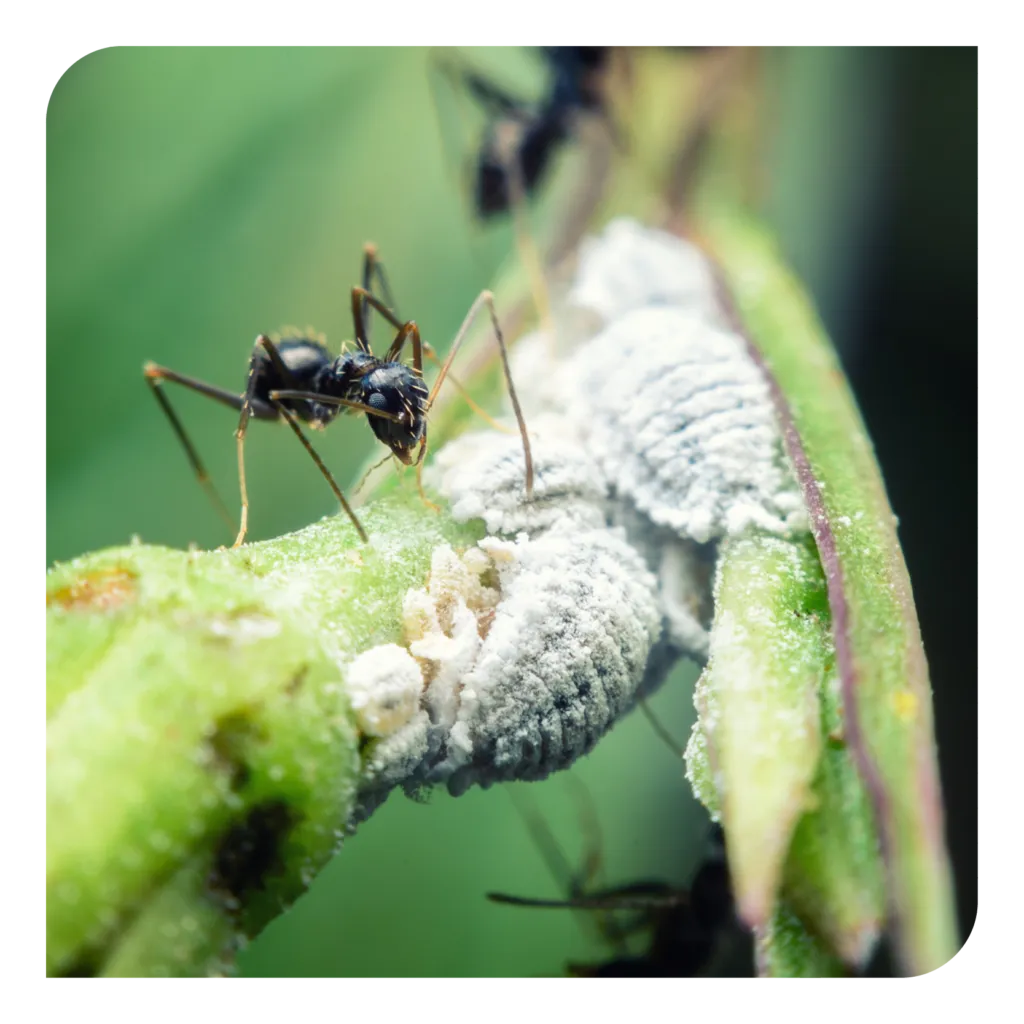
Understanding the Tarantula-Ant Conflict in Amersfoort
The city of Amersfoort, with its blend of urban and natural environments, provides a fascinating backdrop for observing interactions between different species. One such interaction, of significant interest to tarantula keepers and enthusiasts, involves the potential conflict between tarantulas and ants. While tarantulas, with their impressive size and hunting prowess, might seem invincible, the reality of the dangers posed by ants reveals a more complex picture. This article delves into the specifics of this conflict, examining the types of ants in Amersfoort, the threats they pose, and how tarantula owners can protect their prized arachnids.
The Types of Ants Found in Amersfoort
Amersfoort’s ecosystem supports a variety of ant species, each with its own behavioral patterns and ecological roles. Understanding the common ant species in the region is crucial for assessing the potential threats they pose to tarantulas. These ants can vary significantly in size, behavior, and nesting habits. Some are primarily scavengers, while others are aggressive predators. Their presence in and around a tarantula’s habitat can have profound implications for the spider’s safety and well-being. Accurate identification is the first step in managing the risk.
Common Ant Species and Their Habitats

Several ant species are commonly found in Amersfoort. These include the garden ant (Lasius niger), known for its abundance in gardens and urban areas, and the pavement ant (Tetramorium caespitum), often found nesting in cracks in sidewalks and foundations. Each species has its preferred habitats, which influences where they are most likely to encounter tarantulas. The identification of these species is key because different ants possess different characteristics that could potentially harm a tarantula. Moreover, ants’ nesting habits influence their likelihood of infiltrating tarantula enclosures. Knowing these details assists in better tarantula protection.
Identifying Potential Threats to Tarantulas
Not all ant species pose an equal threat to tarantulas. Some ants are primarily interested in food sources and pose a minimal risk of direct aggression. However, others are highly aggressive predators that may attack tarantulas. Therefore, identifying the specific ant species present is critical to assessing the level of risk. Key factors to consider include the ant’s size, aggressiveness, and whether they are known to attack other insects. The more aggressive and larger the ants are, the greater the threat they represent to a tarantula. Observing ant behavior, especially their foraging patterns and interactions with other insects, can offer valuable insights into the level of danger.
How Ants Pose a Threat to Tarantulas
Ants can threaten tarantulas through various mechanisms, some of which can be fatal to the spider. These threats can range from direct physical attacks to indirect competition for resources and habitat disruption. The potential harm is multifaceted, underscoring the importance of a proactive approach in managing the risk. Tarantula owners must understand these threats to effectively safeguard their pets.
Direct Attacks and Predation

Certain ant species are aggressive predators. These ants, when encountering a tarantula, may attempt to attack and overwhelm it. Such attacks can be particularly dangerous to vulnerable tarantulas, such as juveniles or those in the process of molting. Ants may swarm a tarantula, biting and stinging it, and potentially causing severe injuries or even death. The tarantula’s defenses, such as its fangs and defensive hairs, may not always be sufficient to ward off a determined and coordinated ant attack. The size and number of ants play a significant role in determining the outcome of such confrontations.
Ant Venom and Its Effects
Many ant species possess venom that they inject through their stingers or mandibles. This venom can cause pain, inflammation, and allergic reactions in their victims. While the effects of ant venom on tarantulas have not been extensively studied, it is possible that such toxins could have adverse effects. The venom might disrupt the tarantula’s nervous system, leading to paralysis or other debilitating conditions. The severity of the effects would depend on the type of ant, the amount of venom injected, and the size and health of the tarantula. The potential for venom-related harm highlights the importance of preventing ant attacks.
Competition for Resources
Ants compete with tarantulas for food resources, such as insects and other invertebrates. A large ant colony can deplete food sources, making it more difficult for the tarantula to find prey. This competition can lead to malnourishment and decreased overall health of the tarantula. Ants also may contaminate food sources, rendering them inedible or transmitting diseases. The constant presence of ants around a tarantula’s enclosure can create additional stress. Managing this competition requires proactive steps to control ant populations and provide the tarantula with ample, clean food.
Habitat Disruption by Ants

Ants can disrupt a tarantula’s habitat, which can have significant consequences for the spider’s well-being. This disruption ranges from physical changes to the environment to the introduction of unwanted elements, such as pathogens. The potential impact on the tarantula’s health and behavior underscores the need for habitat management.
Nesting Habits and Their Impact
Ants often construct nests within the substrate or around the enclosure where the tarantula lives. These nests can destabilize the substrate, potentially causing the enclosure to collapse. Furthermore, ant nests can be breeding grounds for other pests and diseases. The presence of nests may also alter the humidity and temperature within the enclosure, creating unfavorable conditions for the tarantula. Regular inspections and removal of ant nests are crucial steps to maintain the integrity and health of the tarantula’s habitat.
Environmental Factors Influencing Ant Behavior
Environmental factors such as temperature, humidity, and food availability significantly influence ant behavior and activity. In Amersfoort, fluctuations in these factors may impact the extent to which ants are likely to interact with tarantulas. Warmer weather often leads to increased ant activity, which can increase the risk of encounters with tarantulas. High humidity might encourage certain ant species to seek shelter within a tarantula’s enclosure. Understanding these environmental influences allows tarantula owners to anticipate and mitigate potential threats. Regularly monitoring these factors and making adjustments to the tarantula’s environment can minimize the risk of ant-related issues.
Protecting Your Tarantula from Ants in Amersfoort

Protecting a tarantula from ants requires a multi-faceted approach. This involves preventative measures, proactive habitat management, and swift responses to potential infestations. By adopting these strategies, tarantula owners can significantly reduce the risk of ant-related issues and ensure the safety of their pet. This proactive approach is essential for the long-term well-being of the tarantula.
Preventative Measures
Preventative measures are the first line of defense against ants. These actions aim to prevent ants from entering the tarantula’s enclosure in the first place. The best preventative measure involves keeping the tarantula’s environment clean and free from any food scraps. Regularly cleaning the enclosure removes potential food sources that attract ants. Sealing any cracks or openings in the enclosure also prevents ant entry. Using a barrier, such as petroleum jelly, around the perimeter of the enclosure can deter ants. These simple but effective methods can greatly minimize the risk of ant infestations.
Creating a Safe Habitat
Creating a safe habitat for the tarantula involves several considerations. The enclosure should be constructed from materials that ants cannot easily penetrate. Avoid using porous materials or those with gaps that ants can exploit. The enclosure’s location is also crucial; place it away from potential entry points for ants, such as windows and doors. Proper ventilation helps control humidity, which can deter some ant species. The substrate inside the enclosure should be selected carefully to prevent the buildup of moisture or food particles that may attract ants. A well-designed habitat offers a strong defense against ant invasions.
Regular Inspection and Maintenance

Regular inspection and maintenance of the tarantula’s enclosure are essential for early detection of ant activity. Inspecting the enclosure daily or at least several times a week allows you to spot any signs of ants or ant nests. Look for the ants themselves and any indications of their presence, such as ant trails or the presence of food remnants. Remove any waste and clean the enclosure regularly. Replacing the substrate periodically helps eliminate potential ant habitats. By maintaining a clean and monitored environment, you can quickly address any ant problems and protect your tarantula.
Treatment and Control Methods
If preventative measures fail and an ant infestation occurs, immediate action is required. Several methods can be used to control ants within the enclosure. Ant baits are commonly used; these baits contain substances that ants consume, and they then carry the poison back to their colony, where it can eliminate other ants. Another approach involves using insecticides specifically designed for use around pets. When choosing insecticides, make sure they are safe for tarantulas. Always read and follow the instructions carefully. Careful treatment and control can effectively manage ant infestations and ensure the tarantula’s safety.
When to Seek Professional Help
In some cases, an ant infestation may be too extensive or difficult to manage with do-it-yourself methods. If the infestation persists despite your best efforts, it is advisable to seek professional help from a pest control expert. Professional pest control services have the expertise and tools to identify the ant species and eliminate the infestation effectively. They can implement targeted treatments that are safe for the tarantula and its environment. Their knowledge ensures that the infestation is fully eradicated and that your tarantula’s habitat is once again safe and secure. Seeking professional help is a wise decision if the infestation is severe or recurring.
The Tarantula’s Defense Mechanisms

Tarantulas possess several natural defense mechanisms that help them protect themselves from threats. These defenses can play a role in their interactions with ants, influencing the outcome of any confrontations. Understanding these mechanisms enhances your ability to assess the tarantula’s safety in the presence of ants.
Natural Defenses and Behaviors
Tarantulas have various natural defenses, including their fangs, which they use to bite and inject venom, and their urticating hairs, which they can flick at perceived threats. Their size and strength also are advantages. They are also capable of defensive behaviors, such as raising their front legs and exposing their fangs to ward off potential attackers. Depending on the species, they may also possess a strong, painful bite. In a conflict with ants, a tarantula might use its fangs and urticating hairs to defend itself. However, the effectiveness of these defenses depends on the ant species, the number of ants, and the tarantula’s size and health.
Molting and Vulnerability
Molting, the process by which tarantulas shed their exoskeleton, is a particularly vulnerable time. During this period, the tarantula’s new exoskeleton is soft, making it defenseless against predators, including ants. Tarantulas often seek shelter during molting, but if ants are present, they can pose a serious threat. If the tarantula is disturbed during the molting period, it could be severely injured or killed by a coordinated ant attack. Protecting tarantulas from any disturbance, especially during the molting process, is critical. Providing a safe and secluded environment during this vulnerable phase is crucial for their survival.
Conclusion
In Amersfoort, the conflict between ants and tarantulas is a real threat that requires careful attention from tarantula owners. While tarantulas are formidable creatures, they are not invulnerable to the dangers posed by various ant species. By understanding the potential threats, implementing preventative measures, and responding swiftly to infestations, tarantula owners can safeguard their pets. Maintaining a clean, secure habitat, monitoring the environment, and taking appropriate action when needed are essential elements in ensuring that, in the battle of ants versus tarantulas, the tarantula is the victor. This proactive and informed approach not only protects these fascinating creatures but also ensures the pleasure of owning these unique pets.