Understanding Arboreal Tarantulas
Arboreal tarantulas, unlike their terrestrial counterparts, spend the majority of their lives in trees or elevated areas. These fascinating creatures, native to tropical regions worldwide, are characterized by their agility, vibrant colors, and unique behaviors. Understanding their natural habitat and needs is crucial for providing proper care. Their arboreal lifestyle necessitates specialized enclosures and careful attention to environmental factors. From choosing the right species to setting up their habitat, this guide offers a comprehensive approach to ensure the well-being of your arboreal tarantula. Learning about arboreal tarantulas involves appreciating their specific needs, behaviors, and the environment in which they thrive. This knowledge will set the foundation for a successful and rewarding experience as an arboreal tarantula keeper.
What Makes a Tarantula Arboreal
Arboreal tarantulas are adapted for climbing and living in elevated environments. They possess several physical characteristics that set them apart. These spiders typically have longer legs and a lighter build compared to terrestrial species. Their specialized claws and tarsal pads allow them to grip surfaces effectively, navigating vertical surfaces with ease. Their silk production is also adapted to support their arboreal lifestyle, with webs designed to create shelters and catch prey in trees or other elevated structures. Unlike terrestrial tarantulas that burrow, arboreal species often build intricate webs, which contribute to their unique appearance. Understanding these adaptations is key to appreciating and meeting the specific care requirements of arboreal tarantulas in captivity.
Common Arboreal Tarantula Species

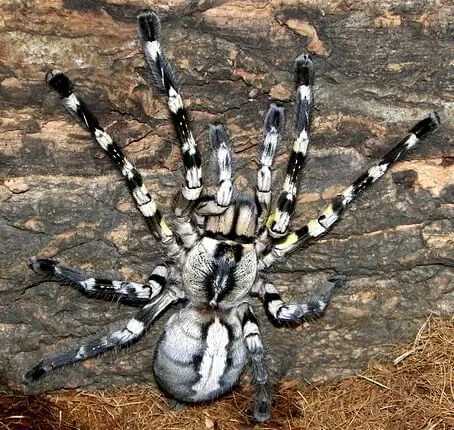
Several arboreal tarantula species are popular among enthusiasts. The most well-known species include the vibrant Pinktoe tarantulas (Avicularia genus), known for their colorful appearance and docile nature. The Green Bottle Blue tarantula (Chromatopelma cyaneopubescens) is another stunning species with eye-catching blue and green coloration. Other popular choices include the Antilles Pinktoe (Caribena versicolor) and various species of the Poecilotheria genus, known for their intricate patterns and larger size. The choice of species depends on the keeper’s experience level, desired size, and the specific care requirements. Researching different species is essential before acquiring an arboreal tarantula to ensure a good fit for both the keeper and the spider. Consider their size, temperament, and environmental needs to determine the best species for your situation.
Choosing the Right Arboreal Tarantula
Selecting the right arboreal tarantula is a crucial first step. Consider your experience level as a spider keeper. Some species are more docile and easier to handle for beginners. The size of the tarantula and its adult size should also be considered, as this will impact the enclosure size needed. Research the specific care requirements of each species, including temperature, humidity, and feeding preferences. Consider the tarantula’s temperament; some species are more prone to defensive behavior than others. Finally, ensure that you are purchasing your tarantula from a reputable breeder or supplier who can provide accurate information about the spider’s origin, health, and care. Thorough research and careful consideration will increase your chances of a rewarding tarantula-keeping experience.
Factors to Consider Before Purchasing
Before purchasing an arboreal tarantula, several factors should be taken into account. The initial setup costs, including the enclosure, substrate, and other equipment, need to be budgeted for. Consider the ongoing costs of food and other supplies. Research the lifespan of the species, as some tarantulas can live for many years, requiring a long-term commitment. Allergies are also a concern; some individuals may experience allergic reactions to tarantula hairs or bites. Assess your lifestyle and whether you can dedicate the time required for regular care, including feeding, watering, and maintaining the habitat. By addressing these factors, you can make an informed decision and prepare for the responsibilities of owning an arboreal tarantula.
Where to Buy Your Tarantula

When acquiring an arboreal tarantula, it is crucial to choose a reputable source. Local reptile or exotic pet stores can be a good starting point, provided they have knowledgeable staff and healthy animals. Online breeders often offer a wider selection of species and can provide detailed information about the tarantula’s lineage. Always check the breeder’s reputation and reviews before making a purchase. Attend reptile shows or expos, where you can meet breeders in person and examine the tarantulas before buying. Avoid purchasing from sources that appear unprofessional or lack knowledge about tarantula care. Ensure that the tarantula is healthy, active, and free from any signs of illness or injury. Prioritizing ethical sources ensures you’re getting a well-cared-for tarantula and supporting responsible breeding practices.
Setting Up the Perfect Arboreal Habitat
Creating a suitable habitat is essential for the health and well-being of your arboreal tarantula. The enclosure should be appropriately sized for the species and the tarantula’s size. The enclosure must be escape-proof, as arboreal tarantulas are excellent climbers. The habitat should mimic their natural environment, providing opportunities to climb, hide, and explore. The substrate should retain humidity, and the decor should provide climbing structures, such as branches and cork bark. Temperature and humidity levels must be maintained within the species’ ideal range. Regular cleaning and maintenance of the habitat are essential for preventing the build-up of waste and ensuring a healthy environment. A well-designed habitat ensures your tarantula can thrive.
The Right Enclosure Size
Choosing the correct enclosure size is vital for the comfort and well-being of an arboreal tarantula. The enclosure should be tall enough to allow for climbing and web-building, as arboreal species spend most of their time off the ground. The dimensions of the enclosure will depend on the size of the tarantula. As a general rule, the enclosure should be at least twice as tall as the tarantula’s leg span. Secure lids are a necessity to prevent escapes. Ventilation is also important to maintain proper air circulation and humidity levels. Consider the mature size of the tarantula when selecting the enclosure, as it needs to accommodate the adult spider comfortably. A well-sized enclosure contributes to the tarantula’s health and reduces stress.
Substrate and Decorating

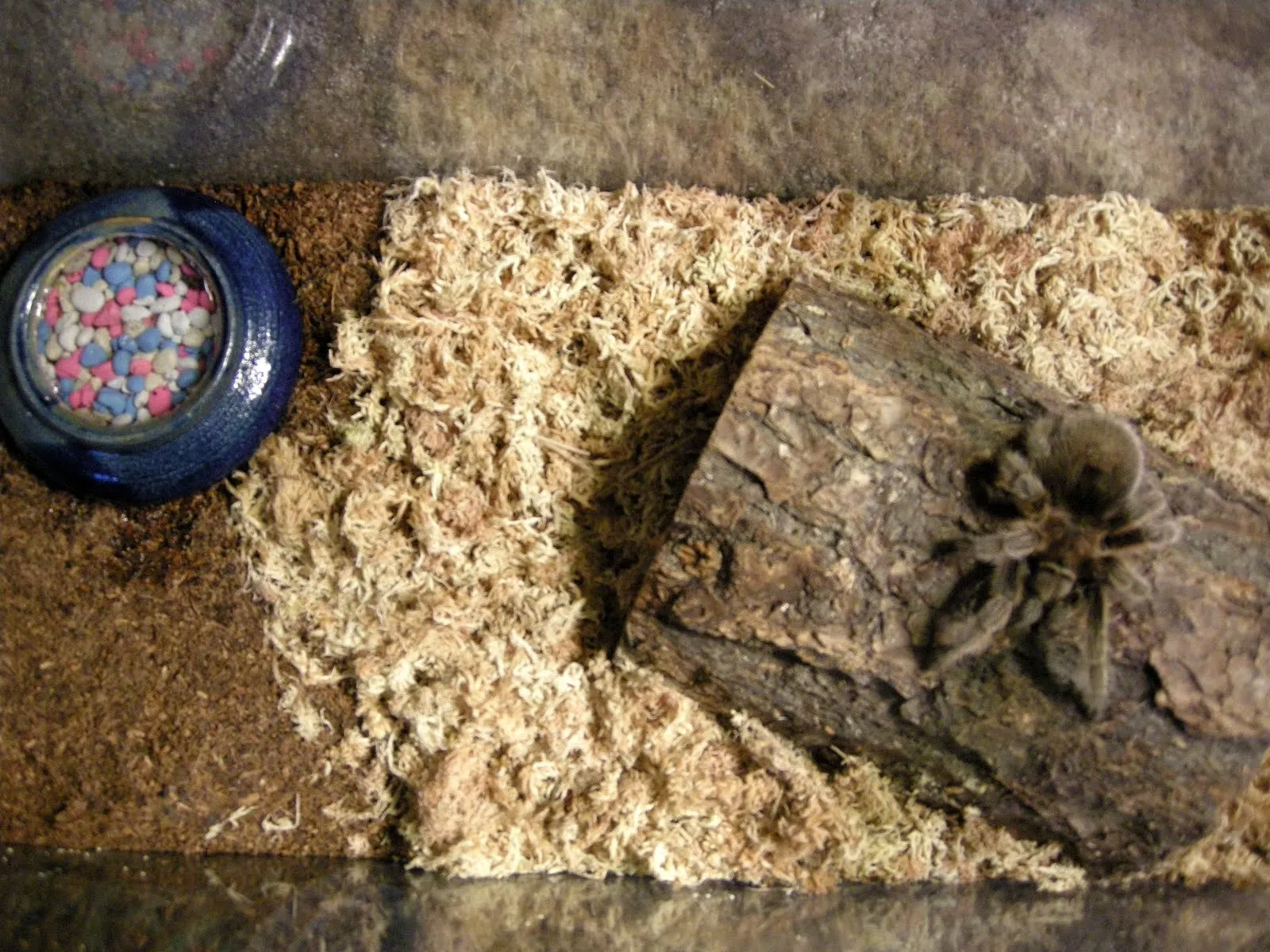
The substrate and decorations in the enclosure should replicate the tarantula’s natural environment. A suitable substrate for arboreal tarantulas is a mixture of peat moss, coconut fiber, or a similar material that retains humidity well. Avoid substrates that can mold or harbor pests. The substrate should be deep enough for the tarantula to burrow slightly. Decorations are crucial to replicate a natural environment. Provide vertical structures such as cork bark, branches, and artificial plants for the tarantula to climb on and hide under. These decorations add visual appeal, provide opportunities for the spider to build webs, and also reduce stress. Ensure that all decorations are secure and do not pose a risk of injury to the tarantula. Regularly clean and replace substrate and decorations to maintain a healthy and aesthetically pleasing environment.
Temperature and Humidity
Maintaining the correct temperature and humidity levels is crucial for the health of your arboreal tarantula. The specific temperature requirements vary by species, but most arboreal tarantulas thrive in temperatures between 75-85°F (24-29°C). Use a heat source, such as a heat mat or ceramic heat emitter, to maintain the appropriate temperature. The enclosure should be monitored using a thermometer. Humidity levels should also be monitored and maintained. Most arboreal tarantulas require humidity levels between 60-80%. Use a hygrometer to measure humidity. Mist the enclosure regularly with dechlorinated water to increase humidity levels. Proper temperature and humidity are essential for the tarantula’s health, facilitating proper moulting and preventing dehydration.
Maintaining the Habitat
Regular maintenance of the arboreal tarantula’s habitat is essential for maintaining a healthy environment. Remove any uneaten food, dead insects, or fecal matter regularly to prevent the growth of mold and bacteria. Replace the substrate as needed, usually every few months or sooner if it becomes soiled. Ensure that the enclosure is clean and free of any harmful chemicals. Monitor the enclosure’s temperature and humidity levels and make adjustments as necessary. Provide fresh water daily. Inspect the tarantula regularly for any signs of illness or distress. Proper maintenance practices contribute to the health and well-being of the tarantula, preventing disease and promoting a longer lifespan. Consistent maintenance also ensures that the enclosure remains an enjoyable and attractive environment.
Feeding Your Arboreal Tarantula

Proper feeding is crucial for the health and well-being of your arboreal tarantula. The diet should consist primarily of live insects, such as crickets, roaches, and mealworms, chosen based on the tarantula’s size and preference. The feeding frequency varies depending on the tarantula’s age and metabolism. Always provide fresh, clean water in a shallow dish. Avoid overfeeding, as this can lead to health problems. It is also important to provide the tarantula with a variety of food to ensure adequate nutrition. Observe your tarantula’s feeding habits and adjust the feeding schedule as needed. By providing the right food, in the right amount, you’re ensuring the overall health of your spider.
What to Feed Your Tarantula
Arboreal tarantulas are insectivores, meaning their diet consists primarily of insects. Crickets, roaches, and mealworms are staples, but other options include silkworms, hornworms, and even small spiders. Choose insects that are appropriately sized, typically no larger than the tarantula’s body. It’s important to gut-load the insects before feeding them to the tarantula. This involves feeding the insects nutritious foods, such as vegetables, fruits, and commercial insect food, to improve their nutritional value. Avoid feeding wild-caught insects, as they may carry parasites or pesticides. A diverse diet helps ensure that the tarantula receives all the necessary nutrients for optimal health. Regularly vary the types of insects offered to keep the diet interesting and to provide a range of nutrients.
Feeding Frequency
The feeding frequency of an arboreal tarantula depends on its age, size, and metabolism. Spiderlings generally need to be fed more frequently than adults. Spiderlings can be fed every other day or even daily, while juveniles can be fed 2-3 times per week. Adult tarantulas can typically be fed once or twice a week. Observe your tarantula’s feeding habits and adjust the feeding schedule as needed. If the tarantula refuses food for an extended period, it may be pre-molt or stressed. Always remove uneaten food within 24 hours to prevent the build-up of waste and potential health problems. Adjust the feeding frequency based on the tarantula’s activity level and body condition. Do not overfeed as this can negatively affect your spider’s health.
Water and Hydration
Arboreal tarantulas need access to fresh water at all times. Provide a shallow water dish or a water source, such as a bottle cap, with a sponge. Ensure that the water is always clean. Regularly clean and refill the water dish with dechlorinated water. Misting the enclosure can also provide additional hydration, especially for species that prefer higher humidity levels. Observe the tarantula to make sure it is drinking and staying hydrated. Dehydration can lead to health problems, including difficulty moulting and a shortened lifespan. Adequate water access is crucial to the spider’s overall well-being. Make sure your tarantula always has access to fresh water at all times.
Handling and Safety
While some arboreal tarantulas are relatively docile, it is important to prioritize safety when handling them. Always be aware of the potential risks involved, including bites and urticating hairs. Handling should be kept to a minimum. Always handle a tarantula with extreme care, and avoid sudden movements or drops. Keep children and other pets away from the tarantula enclosure. Educate yourself about the specific temperament of your species. If you choose to handle your tarantula, do so in a safe and controlled environment. With these precautions, you can enjoy your tarantula while minimizing any potential risks.
When to Handle
Generally, it is best to avoid handling arboreal tarantulas unless absolutely necessary. They can be stressed by handling, and the risk of a bite or other defensive behavior increases. If you must handle your tarantula, do so only when it is calm and in a safe environment. Avoid handling the tarantula during molting, as it is particularly vulnerable during this time. If your tarantula is displaying defensive behaviors, such as raising its front legs or flicking hairs, it is best to leave it alone. Handle the tarantula only if you are comfortable and experienced, and always prioritize the tarantula’s safety and well-being.
Safe Handling Practices

If you choose to handle your arboreal tarantula, follow safe handling practices to minimize risks. Handle the tarantula over a soft surface, such as a bed or a carpet, to prevent injury if it falls. Wash your hands thoroughly before and after handling, and avoid wearing strong scents or lotions, which can irritate the tarantula. Use a soft brush to gently coax the tarantula onto your hand. Handle it gently, avoiding sudden movements or squeezing. Keep your face away from the tarantula, and be prepared to set the tarantula down if it becomes agitated. After handling, check for any urticating hairs on your skin, and wash the affected area with soap and water. Proper handling requires respect for the tarantula and an understanding of their behavior.
Signs of a Stressed Tarantula
Recognizing the signs of a stressed tarantula is crucial for its well-being. A stressed tarantula may display defensive behaviors, such as raising its front legs, flicking hairs, or retreating to its burrow. It may also refuse to eat, become inactive, or repeatedly pace around the enclosure. Changes in the tarantula’s web-building behavior can also indicate stress. If you observe any of these signs, evaluate the tarantula’s environment. Check the temperature, humidity, and overall living conditions. Make any necessary adjustments to reduce stress. Leaving the tarantula undisturbed and allowing it to acclimate is the best approach. Addressing the cause of the stress will help to restore your tarantula’s health.
Common Health Issues and Care
While arboreal tarantulas are relatively hardy, they can be susceptible to certain health issues. Recognizing these issues early and providing the appropriate care is essential for maintaining their health and longevity. Common health problems include parasites, infections, and injuries. The environment, diet, and care practices all impact the tarantula’s health. Regular observation, proper sanitation, and preventative measures are crucial for keeping your arboreal tarantula healthy. Learning to identify and address these issues is an essential aspect of tarantula care.
Recognizing Common Diseases
Several diseases and health issues can affect arboreal tarantulas. External parasites, such as mites, can infest the tarantula and cause irritation. Bacterial or fungal infections can result from unsanitary conditions or injuries. Injuries, such as broken legs or damage to the abdomen, can occur from falls or mishandling. Symptoms of illness may include lethargy, loss of appetite, changes in behavior, and the presence of unusual spots or discolorations. Quarantine any tarantula that appears sick to prevent the spread of potential diseases. Consulting with a veterinarian or experienced tarantula keeper is recommended when you notice any signs of illness.
Preventative Measures
Implementing preventative measures can help to maintain your arboreal tarantula’s health. Maintaining a clean and sanitary environment by removing uneaten food and fecal matter will prevent the growth of bacteria and fungi. Providing a balanced diet and avoiding overfeeding will help to maintain a healthy immune system. Quarantine any new tarantulas before introducing them to your existing collection. Regularly inspect the tarantula for any signs of illness or injury. Handle the tarantula with care to prevent accidental injuries. Consult with a veterinarian specializing in exotic animals or an experienced tarantula keeper to get any health concerns addressed. A proactive approach to health care contributes significantly to the well-being of your tarantula.
Moulting
Moulting is a natural process where the tarantula sheds its exoskeleton to grow. The frequency of moulting depends on the tarantula’s age and growth rate. Spiderlings moult more frequently than adults. During the pre-moult period, the tarantula may become inactive, refuse food, and exhibit a change in color. Provide a humid environment during moulting to help the tarantula shed its exoskeleton. Avoid handling the tarantula during moulting, as it is particularly vulnerable during this time. After moulting, the tarantula’s new exoskeleton will be soft. Wait a few days before feeding, as the fangs need to harden. Moulting is a natural process and an important part of your tarantula’s life. Providing a stress-free environment promotes successful moulting.
Conclusion
Arboreal tarantula care requires dedication and a commitment to understanding these unique creatures. By following these guidelines, you can create an optimal environment for your arboreal tarantula to thrive. From choosing the right species and setting up the habitat to providing proper feeding and handling techniques, this guide provides a comprehensive understanding of tarantula care. Remember that each tarantula is an individual, and their needs may vary. Regularly observe your tarantula and adapt your care practices accordingly. With proper care and attention, you can enjoy the fascinating world of arboreal tarantulas. Taking care of your tarantula is a privilege.