Arizona Blonde Tarantula Care How To
The Arizona Blonde Tarantula, also known as Aphonopelma chalcodes, is a popular choice for both novice and experienced tarantula keepers. Their docile nature, combined with their impressive size and beautiful coloration, makes them a fascinating pet. This comprehensive guide provides all the essential information you need to successfully care for your Arizona Blonde Tarantula, ensuring its health and well-being for years to come.
Understanding the Arizona Blonde Tarantula
Before bringing an Arizona Blonde Tarantula home, it’s crucial to understand their unique characteristics. This understanding will help you provide the best possible care, allowing your tarantula to thrive. These tarantulas are generally slow-moving and relatively calm, making them less prone to defensive behaviors compared to some other tarantula species. They are terrestrial spiders, meaning they spend most of their time on the ground, and they are native to the deserts of the Southwestern United States.
What Makes Them Unique

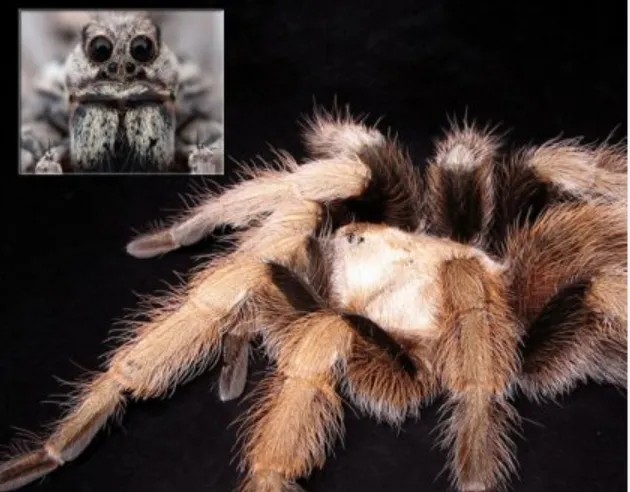
The Arizona Blonde Tarantula is distinguished by its tan to golden-brown coloration, providing excellent camouflage in its natural desert environment. They have a relatively long lifespan, with females often living for 20 years or more. Males, on the other hand, typically live for 5-10 years. Their size can vary, with females reaching a leg span of up to 6 inches, making them a substantial yet manageable pet.
Natural Habitat and Behavior
In the wild, Arizona Blonde Tarantulas inhabit arid and semi-arid environments, often burrowing underground to escape extreme temperatures. They are nocturnal hunters, primarily feeding on insects. Understanding their natural behavior is essential for recreating a suitable habitat. This includes providing a substrate that allows them to burrow, maintaining appropriate temperature and humidity levels, and offering a diet that mimics their natural prey.
Setting Up Your Tarantula’s Habitat
Creating the right habitat is fundamental to the well-being of your Arizona Blonde Tarantula. A well-designed enclosure mimics their natural environment, providing security, comfort, and the conditions they need to thrive. The enclosure should be appropriately sized for your tarantula’s current and eventual size, offering enough space for movement and burrowing, and should be escape-proof and easy to maintain.
Choosing the Right Enclosure

A glass or clear plastic terrarium is an excellent choice for housing your Arizona Blonde Tarantula, allowing for easy viewing and monitoring. The enclosure size should be appropriate for the tarantula’s size. For a juvenile, a 5-10 gallon tank is usually sufficient, while a full-grown adult will need a 10-20 gallon tank. Ensure the enclosure has a secure lid to prevent escapes and adequate ventilation to maintain air quality and regulate humidity.
Substrate and Furnishings
The substrate should be deep enough to allow the tarantula to burrow. A mixture of peat moss, coconut fiber, and a small amount of vermiculite is an excellent choice, providing good moisture retention and allowing for burrowing. Add a hide, such as a cork bark or half log, for the tarantula to feel secure. Include a shallow water dish for hydration, ensuring it’s easily accessible and frequently refilled. Avoid sharp decorations that could injure the tarantula.
Temperature and Humidity Control
Arizona Blonde Tarantulas thrive in temperatures between 70-85°F (21-29°C). A heat lamp or under-tank heater can be used to maintain the desired temperature, but make sure to monitor the temperature with a thermometer. Humidity levels should be kept relatively low, around 50-60%. This can be achieved by misting the enclosure lightly every few weeks and ensuring good ventilation. Overly humid conditions can lead to health problems.
Feeding Your Arizona Blonde Tarantula

Providing the right diet is crucial for the health and growth of your Arizona Blonde Tarantula. They are opportunistic predators and will readily consume a variety of insects. Offering a varied diet and appropriately sized prey will help ensure your tarantula receives the nutrients it needs to thrive. It’s important to monitor their feeding habits and adjust their diet as needed.
What to Feed Your Tarantula
Crickets, mealworms, and Dubia roaches are all excellent food options. Ensure the insects are gut-loaded before feeding them to your tarantula, which involves feeding the insects a nutritious diet. This will help ensure your tarantula gets the best nutrition. You can also offer occasional treats such as waxworms, but these should be limited due to their high-fat content. Avoid feeding wild-caught insects, as they may carry parasites or pesticides.
Feeding Frequency and Amounts
Juvenile tarantulas should be fed 2-3 times a week, while adults can be fed once a week or every other week, depending on their appetite and size. The prey should be no larger than the size of the tarantula’s abdomen. Remove any uneaten prey within 24 hours to prevent stress and potential injury to the tarantula. Regularly monitor your tarantula’s abdomen to determine if it is appropriately fed.
Watering and Hydration

Provide a shallow water dish filled with fresh, clean water at all times. The water should be readily accessible, and the dish should be cleaned and refilled regularly to prevent contamination. Some tarantulas prefer to drink from the droplets created by misting their enclosure. Be sure to mist the enclosure periodically, but avoid over-misting, which can lead to excessive humidity and health issues.
Handling and Safety Precautions
While Arizona Blonde Tarantulas are generally docile, it’s crucial to handle them with caution and respect. Tarantulas can be easily stressed and may react defensively if they feel threatened. Understanding their behavior and following proper handling techniques will minimize the risk of injury to both you and your pet.
When to Handle
Minimize handling as much as possible, as it can cause stress to the tarantula. If you must handle your tarantula, do so when it is calm and not in the process of molting. Never handle a tarantula directly after feeding or if it appears agitated. Young children should always be supervised when interacting with the tarantula.
Safe Handling Techniques

Always handle your tarantula over a soft surface, such as a bed or a carpet, in case it falls. Gently coax the tarantula onto your hand by allowing it to walk onto your palm. Avoid sudden movements and be mindful of the tarantula’s movements. Never grab or squeeze the tarantula, as this can injure it. Always wash your hands thoroughly after handling the tarantula.
Recognizing Signs of Distress
Be aware of the tarantula’s body language. If a tarantula is in a defensive posture, such as raising its front legs or flicking hairs, it is best to leave it alone. Other signs of stress include rapid movements, refusing food, and hiding constantly. If you observe these behaviors, provide a more secure environment and avoid handling until the tarantula calms down. Persistent distress can indicate a problem.
Health and Common Issues
Like all pets, Arizona Blonde Tarantulas can experience health problems. Being able to identify and address these issues early is crucial for ensuring your tarantula’s longevity and well-being. Regular observation of your tarantula and its enclosure will help you recognize potential problems before they become serious.
Identifying Potential Health Problems

Common health issues include dehydration, mites, and fungal infections. Dehydration can be recognized by a shriveled abdomen. Mites can be seen as tiny moving spots on the tarantula’s body, especially around the joints. Fungal infections often appear as discoloration or lesions on the tarantula’s exoskeleton. If you notice any of these symptoms, consult with a veterinarian specializing in exotic animals or an experienced tarantula keeper.
Preventive Care and Maintenance
Regularly inspect your tarantula and its enclosure. Remove uneaten food, clean the water dish, and check the substrate for mold or other signs of contamination. Maintain the appropriate temperature and humidity levels. Ensure the enclosure is well-ventilated. Providing a varied diet and a clean environment will go a long way in preventing health problems.
Shedding and Molting
Tarantulas molt periodically throughout their lives, shedding their exoskeleton to grow. Molting is a vulnerable time for the tarantula. During the molting process, the tarantula may stop eating, hide, and appear lethargic. Provide a humid environment during molting, but do not disturb the tarantula. After molting, the tarantula’s new exoskeleton will be soft; avoid handling it until the exoskeleton hardens. This can take several days.
Buying an Arizona Blonde Tarantula

When you’re ready to bring an Arizona Blonde Tarantula home, choosing a reputable seller is paramount. A reputable seller will be able to provide healthy specimens and offer guidance on their care. This ensures you’re starting with a healthy tarantula, setting the stage for a positive and rewarding experience.
Finding a Reputable Seller
Look for breeders or sellers with a good reputation, experienced with tarantulas, and willing to answer your questions. Check online reviews and ask for references. Avoid sellers who keep their tarantulas in cramped or unsanitary conditions. If possible, visit the seller’s facility to assess the health and care of their tarantulas. A knowledgeable seller will be able to provide insights into the tarantula’s background.
What to Look for When Purchasing
When choosing a tarantula, look for a healthy, active specimen. The tarantula should have a full abdomen, indicating it has been properly fed. It should move freely and have no visible injuries or mites. Avoid tarantulas that appear lethargic, have a shriveled abdomen, or show signs of illness. Ask the seller about the tarantula’s feeding history and molting schedule.
Quarantine and Acclimation
Once you bring your new tarantula home, quarantine it in a separate enclosure for a few weeks to ensure it is healthy and to prevent the spread of potential diseases. During this time, observe the tarantula’s behavior and feeding habits. Gradually acclimate the tarantula to its new environment, ensuring the temperature and humidity are appropriate. Avoid handling the tarantula excessively during the acclimation period.
Long-Term Care and Enrichment
Providing long-term care involves not only the basic requirements but also enriching the tarantula’s environment to keep it stimulated and content. Regular monitoring and adjustments to care are crucial to the tarantula’s well-being. By following these practices, you can create a fulfilling environment for your Arizona Blonde Tarantula, supporting its longevity and happiness.
Enrichment and Stimulation
While Arizona Blonde Tarantulas are not particularly active, providing opportunities for exploration can benefit their well-being. Offer various hiding places, such as cork bark, artificial plants, and other decorations, to stimulate their natural behaviors. Occasionally rearrange the enclosure to provide novelty. Ensure the enclosure has appropriate temperature, humidity, and ventilation.
Monitoring and Adjusting Care
Regularly monitor your tarantula’s behavior, feeding habits, and overall health. Adjust your care routine based on your observations. If your tarantula is not eating, appears lethargic, or exhibits any signs of illness, consult a veterinarian specializing in exotic animals or an experienced tarantula keeper. Document any changes or concerns so you can address issues proactively and ensure the best possible care for your Arizona Blonde Tarantula.
Caring for an Arizona Blonde Tarantula can be a rewarding experience. By understanding their needs, providing a suitable habitat, and practicing responsible handling techniques, you can enjoy the fascinating company of these amazing creatures for years to come. Remember to always prioritize your tarantula’s health and well-being, and don’t hesitate to seek advice from experienced keepers or professionals.