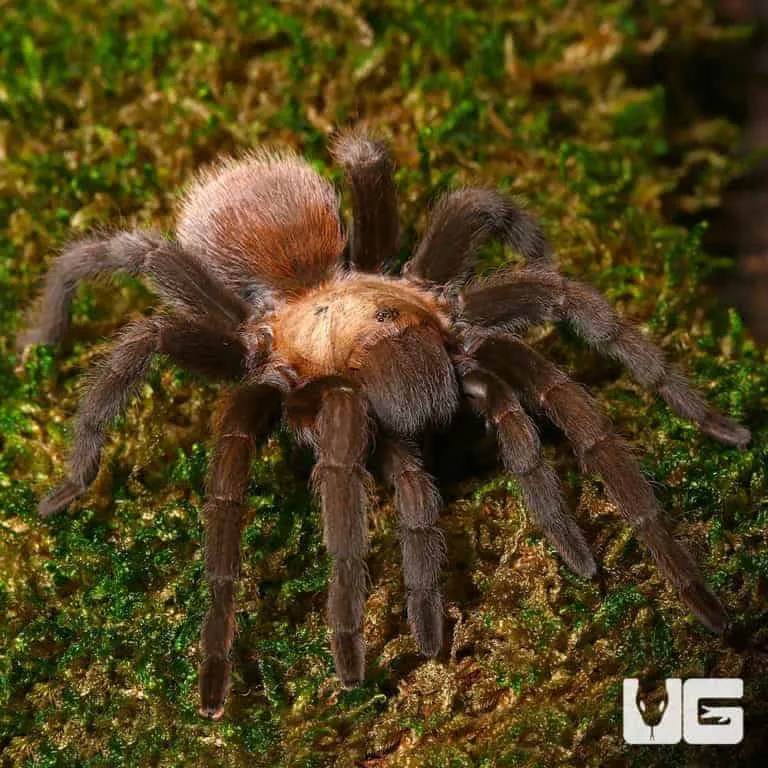
Are you in Austin, Texas, and considering adding a fascinating creature to your family? Tarantulas, with their striking appearance and relatively low-maintenance care, have become increasingly popular pets. This guide highlights the top 5 tarantula species available for sale in Austin, TX, providing essential information to help you make an informed decision. We’ll explore their characteristics, care requirements, and where to find these amazing arachnids, ensuring you’re well-prepared to welcome a tarantula into your home. Choosing the right species is crucial, and this guide will help you navigate the world of tarantulas for sale in Austin, TX.
Top 5 Tarantula Species in Austin TX
Mexican Red Knee Tarantula
The Mexican Red Knee Tarantula (Brachypelma hamorii) is a favorite among beginners due to its docile temperament and striking coloration. Native to the Pacific coast of Mexico, this species is known for its distinctive red-orange markings on its leg joints. Their lifespan can reach up to 25 years for females, making them a long-term companion. They are relatively slow-moving, making them easier to handle, though handling is generally discouraged unless necessary. This species is a popular choice for tarantula enthusiasts in Austin, TX, due to its beauty and manageable nature. Their striking appearance adds a touch of exotic flair to any collection.
Appearance and Characteristics

The Mexican Red Knee Tarantula has a dark body with vibrant red-orange markings on its leg joints. These colors become more pronounced as they mature. They typically grow to a leg span of about 5-6 inches. The carapace is dark, and the abdomen is covered in urticating hairs, which they can flick off as a defense mechanism. This species is known for its gentle demeanor, although caution is always advised when handling any tarantula. Their size and coloration make them a visually appealing pet.
Care and Habitat
These tarantulas thrive in a terrestrial setup with a substrate of coco fiber or peat moss. The enclosure should be well-ventilated and kept at a temperature between 75-85°F (24-29°C). Humidity levels should be maintained at around 60-70%. A water dish should always be available. They are opportunistic feeders, eating crickets, roaches, and other insects. They can be fed once or twice a week, depending on their size and appetite. Regular cleaning of the enclosure is also essential to maintain a healthy environment. A proper habitat setup is crucial for their well-being and longevity.
Texas Tan Tarantula
The Texas Tan Tarantula (Aphonopelma anax) is a native species, making it a great choice for those in Austin, TX, who want a pet that is naturally adapted to the local climate. Known for its tan coloration, this species is often found in burrows in the wild. They are generally docile and can make good pets for those with some experience with tarantulas. Like other species, they have urticating hairs as a defense, so it’s important to handle them with care, or ideally, not at all. Their familiarity to the local environment can make their care slightly easier.
Appearance and Characteristics
The Texas Tan Tarantula has a tan or brown coloration, which provides excellent camouflage in its natural habitat. Their leg span typically reaches 4-5 inches. Their appearance is relatively simple compared to some of the more colorful species, but their native status and adaptability make them an interesting choice. The body is covered in fine hairs, and they have strong legs adapted for burrowing. Their coloration allows them to blend well with the dry, grassy environment of Texas.
Care and Habitat
Texas Tan Tarantulas prefer a terrestrial setup with a deep substrate to allow for burrowing. Coco fiber or a mix of peat moss and sand is suitable. The enclosure should be kept at a temperature of 75-85°F (24-29°C) with moderate humidity. A water dish is essential. They feed on insects like crickets and roaches. Due to their burrowing nature, providing a hide or a pre-made burrow can make them feel more secure. They require a relatively low-maintenance environment, making them good for those with some experience in tarantula keeping.
Chaco Golden Knee Tarantula
The Chaco Golden Knee Tarantula (Grammostola pulchripes) is another excellent choice for beginner tarantula keepers. Hailing from Argentina and Paraguay, these tarantulas are known for their calm temperament and striking golden markings on their leg joints, similar to the Red Knee, but with a different color palette. They are relatively hardy and can tolerate some variation in their environment. Their size is impressive, reaching up to 8 inches in leg span, making them a visually stunning pet.
Appearance and Characteristics

This tarantula is characterized by a dark body with vibrant golden markings on the joints of its legs. The contrast between the dark body and the golden knees makes them quite eye-catching. Their large size adds to their impressive appearance. They possess a robust build and are known for their docile nature, making them relatively easy to handle compared to some other species. Their size can be intimidating, but they are generally not aggressive.
Care and Habitat
The Chaco Golden Knee requires a terrestrial setup with a substrate of coco fiber or peat moss. The enclosure should be kept at a temperature between 75-85°F (24-29°C), with humidity levels around 60-70%. A water dish should always be available. These tarantulas are voracious eaters, feeding on insects like crickets and roaches. A hide or a piece of cork bark can provide them with a secure place to retreat. They are relatively easy to care for, which contributes to their popularity.
Pinktoe Tarantula
The Pinktoe Tarantula (Avicularia avicularia) is a beautiful arboreal species, meaning they prefer to live in trees. Native to South America and the Caribbean, this tarantula is known for its striking pink toe pads and iridescent body hairs. They are generally less tolerant of handling compared to terrestrial species, so it’s best to admire them from a distance. Their arboreal lifestyle makes them an interesting addition to any collection. However, potential owners should be prepared for a more challenging temperament than the ground-dwelling species.
Appearance and Characteristics

The Pinktoe Tarantula is easily recognized by its pink toe pads and the iridescent hairs on its body. They typically have a dark body with metallic-looking hairs that create a stunning visual effect. Their size is moderate, with a leg span of around 4-5 inches. Their arboreal lifestyle and unique features make them a visually appealing pet, though not for beginners. They are agile and quick, and they will retreat to a hiding place if they feel threatened.
Care and Habitat
These tarantulas require an arboreal setup with vertical space. A tall enclosure with branches and leaves is essential. The temperature should be maintained between 75-85°F (24-29°C), with humidity levels around 70-80%. Regular misting is necessary to maintain humidity, but ensure proper ventilation. A water dish and regular feeding of insects are also required. They are more sensitive to changes in their environment, so maintaining optimal conditions is vital to their well-being. A secure enclosure is also important, as they are excellent climbers.
Curly Hair Tarantula
The Curly Hair Tarantula (Tliltocatl albopilosus) is known for its distinctive appearance, with a body covered in curly hairs that give it a unique texture. Originating from Central America, this species is generally docile and is a popular choice for beginners. They are relatively easy to care for and are known for their hardiness. They do not have a very aggressive temperament and are unlikely to bite unless provoked. This makes them a good starting point for people interested in keeping tarantulas.
Appearance and Characteristics

The Curly Hair Tarantula has a dark brown body covered in curly, reddish-brown hairs, giving it a distinctive appearance. Their leg span typically reaches 4-6 inches. These spiders are known for their robust build and overall calm demeanor. The curly hairs add to their visual appeal, making them a unique addition to any collection. They are not as colorful as some species but possess a charm of their own.
Care and Habitat
This terrestrial species thrives in a standard tarantula setup. A substrate of coco fiber or peat moss is ideal. The temperature should be maintained between 75-85°F (24-29°C) with humidity levels around 65-75%. A water dish should always be available. Feeding them insects like crickets and roaches once or twice a week is sufficient. They are relatively low-maintenance and can tolerate some fluctuations in environmental conditions, making them ideal for novice keepers. A hide or a piece of cork bark provides security.
Factors to Consider When Buying a Tarantula
Before purchasing a tarantula in Austin, TX, it’s important to consider a few factors. These considerations can help you select the best tarantula for your circumstances and ensure you are equipped to provide proper care. Be prepared for a long-term commitment, as some species can live for over 20 years. Research the specific species you are interested in to understand their unique needs and temperament. Knowing this information will allow you to make an informed decision.
Legality and Regulations

In Austin, TX, and Texas in general, there are no specific state laws restricting the ownership of common tarantula species. However, it’s always a good idea to check local ordinances or HOA regulations to ensure there are no restrictions in your specific area. Always purchase from reputable breeders or pet stores that comply with all relevant regulations. Avoid collecting tarantulas from the wild, as this can be illegal and harmful to the local ecosystem.
Health and Temperament
When selecting a tarantula, pay attention to its health and temperament. Look for a tarantula that is active and alert. It should have a healthy appetite and a well-filled abdomen, which indicates it has been eating. Avoid tarantulas that appear sluggish or have missing limbs, as these may indicate health issues. Understanding the temperament of a species is crucial. Some tarantulas are more docile, while others are more defensive or prone to flicking urticating hairs. Choose a species that matches your experience and comfort level. It is always best to start with docile species, especially if you are a beginner.
Where to Buy Tarantulas in Austin TX
Finding a reputable source for tarantulas in Austin, TX, is essential to ensure you receive a healthy specimen. There are several options available, each with its own advantages and disadvantages. Researching and selecting a reliable vendor can significantly impact the health and well-being of your new pet. Always verify the seller’s reputation and ensure they follow responsible animal care practices before making a purchase. Asking questions is also a great practice.
Local Pet Stores

Local pet stores in Austin, TX, can be a convenient option for purchasing tarantulas. These stores typically offer a variety of species and provide the opportunity to see the tarantula before you buy it. They can also offer advice and provide you with the necessary supplies. However, selection may be limited, and prices may be higher than online retailers. When choosing a local pet store, check for cleanliness and the health of the animals. Make sure the staff is knowledgeable about tarantula care and is willing to answer your questions.
Online Retailers
Online retailers offer a wide selection of tarantula species and often have competitive pricing. Purchasing from reputable online dealers allows you to browse a broader range of options and compare prices easily. Ensure the retailer has a good reputation, positive reviews, and a guarantee of live arrival. Check shipping practices and ensure the seller uses appropriate packaging to protect the tarantula during transit. Consider the shipping costs and any potential delays before making your purchase. Researching online retailers is very important to determine their reliability.
Tarantula Breeders
Purchasing directly from a tarantula breeder can provide you with the healthiest specimens and more in-depth care advice. Breeders often specialize in specific species and can offer expertise and support. They are usually passionate about their animals and can provide valuable insights into their care. Ask for references and reviews to ensure the breeder is reputable. This is a great way to buy a tarantula, but may require more research. Breeders usually know the specific lineage and health history of their tarantulas.
Welcoming a tarantula into your home in Austin, TX, can be a rewarding experience. By selecting the right species and providing proper care, you can enjoy the fascinating world of these amazing arachnids. Whether you choose a Mexican Red Knee, Texas Tan, or another species, remember to prioritize their health and well-being. With this guide, you are now equipped to find a tarantula for sale in Austin TX and start your journey as a tarantula keeper. Always do your research, buy from reputable sources, and enjoy the unique experience of keeping these incredible creatures.