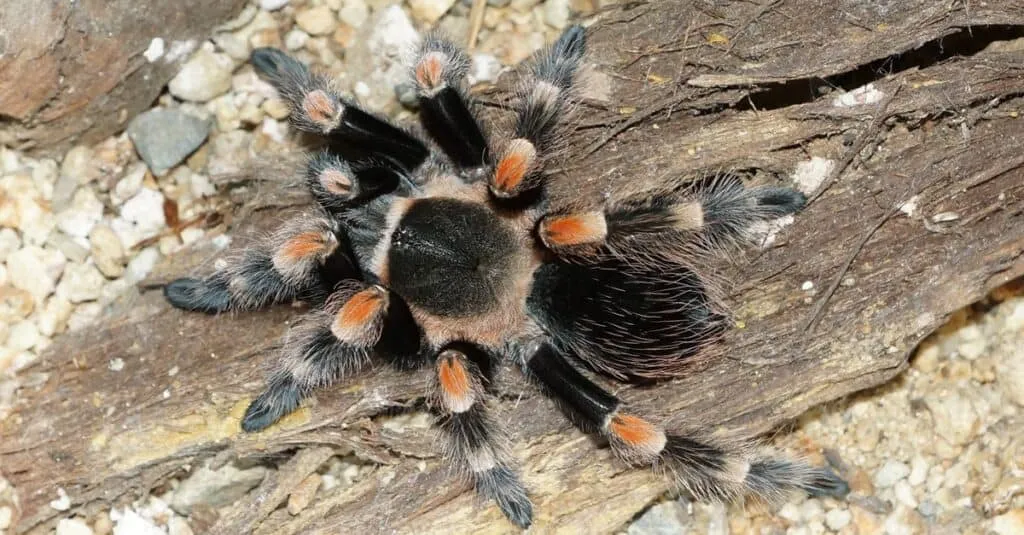
What is the Red Knee Tarantula?
The Red Knee Tarantula (Brachypelma hamorii), a captivating arachnid, has gained immense popularity among exotic pet enthusiasts, especially in Australia. Native to the arid regions of Mexico, this striking spider is celebrated for its docile temperament and vibrant coloration. Characterized by a velvety black body and striking red-orange markings on its leg joints, the Red Knee Tarantula presents a visually appealing and relatively manageable pet. Understanding its origins, behavior, and care requirements is crucial for anyone considering bringing this fascinating creature into their home, ensuring a safe and enriching experience for both the owner and the tarantula. The Red Knee Tarantula’s appeal lies not only in its beauty but also in its manageable size and relatively long lifespan, making it an intriguing choice for those new to the world of exotic pets in Australia.
Appearance and Characteristics of the Red Knee Tarantula
The Red Knee Tarantula is immediately recognizable due to its striking appearance. Its body is primarily a deep, velvety black, providing a stark contrast to the vibrant red-orange bands adorning the joints of its legs. These bold markings give rise to the name “Red Knee.” Adult females can reach a leg span of up to 6 inches, while males are typically slightly smaller. The spider’s body is divided into two main parts the cephalothorax (fused head and thorax) and the abdomen. The cephalothorax houses the spider’s vital organs, eyes, and fangs, while the abdomen contains the digestive and reproductive systems. The legs, covered in fine hairs, allow the tarantula to sense vibrations and navigate its environment effectively. Furthermore, these hairs also help the tarantula climb and grip surfaces. This distinctive appearance makes it a popular choice among pet owners, especially those in Australia seeking an eye-catching and unique addition to their homes.
Natural Habitat and Origin

Native to the Pacific slopes of Mexico, the Red Knee Tarantula thrives in a warm, semi-arid climate. They are commonly found in burrows or under rocks and vegetation, providing them with shelter from the harsh sun and predators. The environment they inhabit is characterized by dry conditions, with distinct wet and dry seasons. The tarantulas are well-adapted to this environment, utilizing their burrows to regulate temperature and humidity. Understanding the natural habitat of the Red Knee Tarantula is vital for providing appropriate care in captivity. Replicating the environmental conditions, such as temperature, humidity, and substrate, is crucial for the tarantula’s health and well-being. In Australia, pet owners must ensure they can accurately mimic these conditions to guarantee a healthy and content tarantula.
Why Choose a Red Knee Tarantula?
Choosing a Red Knee Tarantula as a pet in Australia comes with several advantages. Their generally docile temperament makes them relatively easy to handle, provided proper precautions are taken. Unlike some other tarantula species, Red Knees are less prone to defensive behaviors like biting or flicking urticating hairs, making them suitable for both novice and experienced keepers. Moreover, their manageable size and slow growth rate mean they don’t require extensive space or frequent rehousing, which can be beneficial for those with limited living areas. The Red Knee Tarantula’s striking appearance and relatively low maintenance requirements further contribute to its appeal. Their longevity, with females living for over 20 years, also makes them a long-term companion, offering years of enjoyment and fascination for the dedicated pet owner in Australia.
Temperament and Handling
Red Knee Tarantulas are known for their relatively docile temperament, making them a popular choice for pet owners in Australia. However, it’s essential to remember that they are still wild animals and should be handled with caution and respect. While they are less likely to bite compared to other species, they can still do so if they feel threatened or startled. When handling, it is crucial to move slowly and gently, avoiding sudden movements that could frighten the tarantula. It’s also recommended to handle them over a soft surface, in case they fall. Regular handling is generally not necessary for their well-being; observing them in their enclosure is often the most rewarding way to interact with them. Learning to read their body language, such as leg positioning and hair flicking, can help you understand their mood and avoid any potential negative interactions. Always prioritize the tarantula’s safety and well-being above all else.
Lifespan and Care Level

The Red Knee Tarantula boasts a remarkable lifespan, particularly for females, who can live for over 20 years in captivity. Males, on the other hand, have a shorter lifespan, typically living for 5-7 years. This longevity is a significant factor for many Australians considering this species as a pet. Their care requirements are considered moderate, making them suitable for beginners with some research and dedication. They require a well-maintained enclosure with appropriate temperature, humidity, and substrate. Their diet consists primarily of insects, readily available in Australia. Regular maintenance, including cleaning the enclosure and providing fresh water, is essential for their health and well-being. Overall, the Red Knee Tarantula offers a rewarding pet experience, with the potential for long-term companionship for those willing to provide the necessary care and attention.
5 Facts About Buying Red Knee Tarantulas in Australia
Legality and Regulations in Australia
Before acquiring a Red Knee Tarantula in Australia, it’s crucial to understand the local laws and regulations. State and territory laws govern the keeping of exotic animals, including tarantulas. Some regions may require permits or licenses to own a Red Knee Tarantula, while others may have specific restrictions on where they can be kept. It is the responsibility of the potential owner to research and comply with all relevant legal requirements. Failure to do so can result in penalties, including fines or the confiscation of the tarantula. Contacting your local wildlife authority or department of primary industries can provide specific information on regulations in your area. Ensuring compliance with these regulations is not only a legal requirement but also contributes to responsible pet ownership, promoting the welfare of the animal and protecting native wildlife.
Finding Reputable Sellers

The success of your Red Knee Tarantula ownership journey hinges on selecting a reputable seller. Look for breeders or pet stores in Australia that prioritize the health and well-being of their animals. A reputable seller will provide healthy tarantulas, offer advice on care, and be transparent about their breeding practices. Check for reviews and testimonials from other customers to gauge their reputation. Avoid sellers who offer tarantulas at significantly lower prices than the market average, as this can be a red flag indicating poor care practices. When visiting a seller, observe the conditions of the tarantulas and their enclosures, ensuring they are clean, well-maintained, and appropriately equipped. Don’t hesitate to ask questions about the tarantula’s origin, age, and feeding history. A trustworthy seller will be happy to provide this information and guide you through the process.
Cost and Availability
The cost of a Red Knee Tarantula in Australia can vary depending on factors such as age, size, and the seller’s reputation. Generally, juveniles or spiderlings are more affordable than adult tarantulas. The price can range from a few dollars to over a hundred, depending on the specific characteristics. Availability also fluctuates based on the breeding season and the seller’s inventory. The Red Knee Tarantula is a relatively popular species, so they are generally available at most specialized pet stores and breeders. However, it’s advisable to research availability in your local area before making a purchase. Consider the ongoing costs associated with tarantula ownership, including food, substrate, and enclosure maintenance, when budgeting for your new pet. Comparing prices from different sellers can help you find the best value for your money.
Essential Care Requirements
Enclosure Setup

Creating the right environment is paramount to the health and happiness of your Red Knee Tarantula. The enclosure should be a secure, escape-proof terrarium, sized appropriately for the tarantula’s size. A ten-gallon tank is generally suitable for a juvenile, while a larger enclosure is needed for adults. The enclosure should include a substrate of coco fiber or a mixture of peat moss, vermiculite, and sphagnum moss, providing a natural environment and aiding in humidity regulation. Ensure proper ventilation with a secure lid. Provide a shallow water dish with fresh water at all times. Add a hide, such as a piece of cork bark or a hollow log, for the tarantula to retreat and feel secure. Maintain a temperature of 75-85°F (24-29°C) using a heat mat or overhead heat source. Monitor the humidity levels, ideally between 60-70%, and mist the enclosure periodically to maintain it. Regularly clean the enclosure, removing any uneaten food and replacing the substrate as needed.
Feeding and Diet
The Red Knee Tarantula is a carnivore and primarily feeds on insects. Crickets, mealworms, and roaches are common choices, and readily available for purchase in Australia. The frequency of feeding depends on the tarantula’s age and size. Spiderlings should be fed every few days, while adults can be fed once or twice a week. The size of the food should be appropriate for the tarantula; it should be no larger than the tarantula’s body. Remove any uneaten food within 24 hours to prevent mold growth. It is crucial to gut-load the insects before feeding them to the tarantula, providing them with nutritious food. Always ensure a clean water source is available, offering fresh water in a shallow dish. Overfeeding can lead to health problems, so monitor the tarantula’s body condition and adjust the feeding frequency accordingly. Never handle the tarantula immediately after feeding.
Health and Common Issues
Like all animals, Red Knee Tarantulas can experience health issues. Common problems include dehydration, parasites, and injuries. Dehydration can be prevented by ensuring constant access to fresh water and maintaining proper humidity levels in the enclosure. Parasites are less common in captive tarantulas but can be introduced through live food. Quarantine new insects before feeding them to your tarantula. Injuries can occur during molting or if the tarantula is dropped during handling. Molting is a natural process where the tarantula sheds its exoskeleton. During molting, it is vulnerable, so it’s important to keep the enclosure undisturbed. Look out for signs of illness, such as lethargy, loss of appetite, or unusual behavior. If you suspect your tarantula is ill, consult with a veterinarian who specializes in exotic animals. Early detection and proper care are critical for maintaining the health and well-being of your Red Knee Tarantula in Australia.
Conclusion

The Red Knee Tarantula can make a captivating and rewarding pet for those in Australia, given the right care and understanding. By familiarizing yourself with their appearance, natural habitat, care requirements, and local regulations, you can provide a safe and stimulating environment for your tarantula to thrive. Always prioritize the spider’s well-being, handle them with caution, and appreciate the beauty of these amazing creatures from a distance. Choosing a Red Knee Tarantula as a pet is a decision that requires careful consideration and a commitment to providing the best possible care. With proper research, responsible sourcing, and consistent care, owning a Red Knee Tarantula can be a uniquely enriching experience in Australia. Remember, patience, respect, and a little research go a long way in ensuring a long and healthy life for your eight-legged companion.