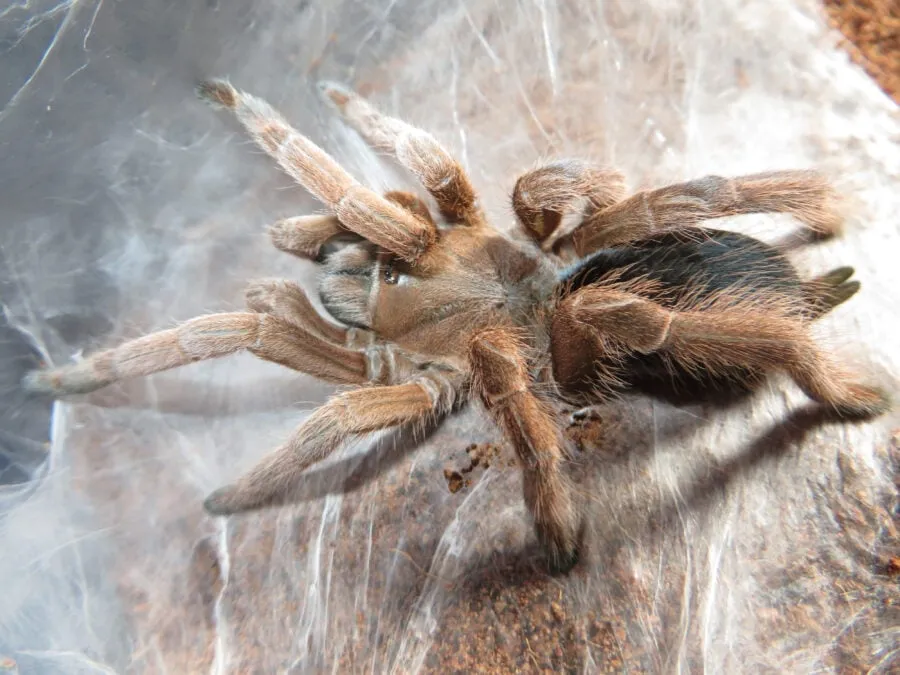
Choosing Australian Tarantula Pets
Embarking on the journey of owning an Australian tarantula is an exciting prospect for any arachnid enthusiast. However, before you bring one of these fascinating creatures into your home, it’s crucial to understand the commitment involved. Australian tarantulas, like all exotic pets, require specific care, a dedicated environment, and a commitment to their well-being. This involves in-depth research into their specific needs, the provision of a suitable habitat, and a thorough understanding of their dietary and handling requirements. The decision to own an Australian tarantula shouldn’t be taken lightly, as it directly impacts the health and longevity of the spider. Careful consideration ensures you’re ready to provide the best possible care, creating a rewarding experience for both you and your new pet. This guide will walk you through the essential steps.
Researching Australian Tarantula Species
Before acquiring an Australian tarantula, thorough research into the various species available is paramount. Each species possesses unique characteristics, including size, temperament, and specific care requirements. For example, the Golden Knee tarantula is known for its docile nature, making it a popular choice for beginners, while others might be more defensive or require a higher level of humidity. Understanding these differences is crucial to providing appropriate care. Key aspects to research include the tarantula’s natural habitat, feeding habits, and potential health issues. Reliable sources of information include reputable online forums, scientific journals, and experienced tarantula keepers. Knowing the specific needs of your chosen species allows you to create an optimal environment, reducing stress and promoting a healthy life for your pet. This research phase ensures you’re prepared to provide the best possible care from day one, aligning your expectations with the reality of owning that particular species.
Availability of Australian Tarantulas

The availability of Australian tarantulas can vary depending on several factors, including local regulations and the prevalence of breeding programs. Some species may be more readily available than others, with common species often easier to find through reputable breeders or pet stores specializing in exotic animals. Legal considerations are also important, as some areas may restrict or require permits for owning certain tarantula species. Before purchasing, it’s vital to understand the legal requirements in your area to avoid any issues. Furthermore, consider the source of your tarantula. Buying from a responsible breeder often ensures that the spider is healthy, well-cared for, and ethically sourced. Avoid purchasing from sources that seem questionable or lack information about their breeding practices. Checking for health certifications or guarantees can also provide peace of mind. Prioritizing the welfare of the tarantula and adhering to local regulations are essential aspects of responsible pet ownership.
Where to Buy Your Australian Tarantula
Selecting a reputable source is critical when purchasing an Australian tarantula. Opt for experienced breeders or specialized pet stores that prioritize animal welfare. These sources typically have a deeper understanding of tarantula care, can provide health guarantees, and are more likely to offer support after the sale. Avoid buying from unreliable sources, such as online marketplaces or pet stores with questionable practices. Inspect the tarantula carefully before purchase, looking for signs of health problems such as lethargy, missing limbs, or parasites. Ask the seller about the tarantula’s age, feeding schedule, and any specific care requirements. If possible, visit the seller’s facility to assess the living conditions of the tarantulas. A well-maintained environment is a good indicator of responsible care. Buying from a reputable source ensures you acquire a healthy tarantula and supports ethical breeding practices.
Setting Up the Perfect Australian Tarantula Habitat
Creating a suitable habitat is essential for the well-being of your Australian tarantula. The enclosure should replicate the spider’s natural environment, providing a secure and comfortable living space. The size of the enclosure should be appropriate for the tarantula’s species and size, allowing adequate space for movement and exploration. A secure lid is essential to prevent escape. Ventilation is crucial for maintaining air quality and preventing mold growth. The enclosure’s location should be away from direct sunlight, drafts, and excessive noise or vibrations. Ensure the enclosure is easily accessible for cleaning and maintenance. A well-designed habitat significantly reduces stress and promotes a healthy lifestyle for your tarantula, helping it thrive in its new environment. A comfortable and well-maintained habitat is fundamental for ensuring your tarantula’s health and longevity.
Choosing the Right Enclosure for Your Pet

The choice of enclosure is a crucial decision. Glass or clear plastic terrariums are popular choices, allowing for good visibility and ease of cleaning. Ensure the enclosure is escape-proof, with a secure lid that fastens properly. The size of the enclosure depends on the species and size of the tarantula. A good rule of thumb is to provide a space that is at least twice the tarantula’s leg span. For burrowing species, the height of the enclosure is less critical than the floor space. Ventilation is also important; ensure there are adequate air vents to prevent humidity buildup and mold growth. Consider the long-term needs of your tarantula as it grows. Providing an appropriately sized and well-designed enclosure creates a safe and comfortable environment, reducing stress and promoting healthy behaviors. The right enclosure can significantly contribute to the overall well-being of your pet.
Essential Substrate and Decor for Your Tarantula
The substrate, or bedding, is a critical component of the tarantula’s habitat. It provides a surface for the tarantula to walk on, burrow in, and helps to maintain humidity levels. Suitable substrate options include peat moss, coconut fiber, and a mixture of these materials. The substrate should be deep enough for burrowing species to create tunnels and retreats. Avoid using substrates that can be harmful, such as cedar or pine shavings, as they contain oils that can be toxic to tarantulas. The decor of the enclosure should also be carefully considered. Include elements like cork bark, artificial plants, and hides to provide the tarantula with places to hide and feel secure. These elements also enrich the environment and stimulate natural behaviors. Regular maintenance of the substrate is essential to prevent mold and bacterial growth. Regularly removing waste and replacing the substrate every few months keeps the environment healthy and hygienic.
Maintaining Optimal Temperature and Humidity
Maintaining the correct temperature and humidity levels is essential for the health of your Australian tarantula. The ideal temperature range varies depending on the species, but generally, temperatures between 75-85°F (24-29°C) are suitable for most species. Use a reliable thermometer to monitor the temperature inside the enclosure. Humidity levels also need to be carefully managed. Most Australian tarantulas thrive in a humidity range between 60-70%. Use a hygrometer to monitor humidity levels. You can increase humidity by misting the enclosure with water or adding a water dish. Provide proper ventilation to prevent excessive humidity, which can lead to mold growth. Adjusting temperature and humidity can be achieved with the help of heating pads or lamps (ensure they are used safely) and by adjusting the ventilation within the enclosure. Regularly checking these parameters ensures the well-being of your tarantula, replicating the natural environment and promoting healthy behaviors.
Feeding Your Australian Tarantula

Feeding your Australian tarantula correctly is a vital aspect of its care. Tarantulas are carnivores and primarily feed on insects. Crickets, mealworms, and roaches are common food options. The size of the prey should be appropriate for the tarantula’s size; generally, the prey should be no larger than the tarantula’s abdomen. Before feeding, dust the insects with calcium and vitamin supplements to ensure your tarantula receives the necessary nutrients. The feeding frequency depends on the species and the tarantula’s life stage. Younger tarantulas generally need to be fed more frequently than adults. Be mindful of overfeeding; an overweight tarantula can experience health issues. Observe your tarantula’s feeding behavior. If the tarantula refuses to eat, there may be an issue with the environment, the prey, or the tarantula’s health. Offering the right food at the right intervals ensures the spider gets the proper nutrition.
Understanding Tarantula Dietary Needs
Understanding the specific dietary needs of your Australian tarantula species is crucial for its health and longevity. Each species may have preferences or requirements. Research the natural diet of your specific tarantula species. Some tarantulas prefer certain types of insects or have different nutritional needs based on their origin. Variety in the diet can also be beneficial, providing a range of nutrients and stimulating the tarantula’s interest. Ensure the insects you feed are healthy and free of pesticides or parasites. Avoid feeding your tarantula wild-caught insects, as they may carry diseases or parasites. Provide a clean water source at all times, such as a shallow dish filled with fresh water or a water-filled gel. Knowing the nutritional needs of your tarantula and offering a varied, healthy diet supports optimal health and well-being, ensuring that your pet thrives.
Feeding Frequency and Food Options
Determining the appropriate feeding frequency and food options is key to providing proper nutrition. As mentioned, the frequency depends on the tarantula’s age and the species. Spiderlings and juveniles need more frequent feedings, usually every other day or every few days, while adults can be fed less often, perhaps once a week or every two weeks. Observe the tarantula’s abdomen; if it appears overly plump, reduce the frequency of feedings. Offer a variety of insects, such as crickets, mealworms, dubia roaches, or even small vertebrates, depending on the tarantula’s preferences and size. Remove any uneaten prey within 24 hours to prevent stress and potential issues. Provide a clean water source at all times. Monitoring the feeding habits of your tarantula allows you to make adjustments, ensuring it maintains a healthy weight and receives all essential nutrients. The right feeding schedule and food choices are essential for maintaining a healthy tarantula.
Handling and Safety with Your Australian Tarantula

Handling an Australian tarantula should be approached with caution and respect. While some species are docile, others may be more defensive and prone to biting. Before handling, research the temperament of your specific species. Handling should only be done when necessary, such as for enclosure maintenance or health checks. Always approach the tarantula calmly and gently. Never make sudden movements or try to grab the tarantula. If handling is required, use a soft, wide container to move the tarantula from its enclosure. Avoid handling your tarantula if it appears stressed, defensive, or in the process of molting. Keep children and inexperienced individuals away from the tarantula. Washing your hands before and after handling is essential to prevent the spread of any contaminants. Always be prepared for the possibility of a bite, though rare if approached correctly. Prioritizing your safety and the tarantula’s well-being is crucial.
Safe Handling Techniques and Precautions
If handling is necessary, employing the correct techniques and precautions is crucial. Always handle the tarantula near a soft surface, such as a bed or carpet, to minimize the risk of injury if it falls. Use a container to gently coax the tarantula into or out of its enclosure, avoiding direct contact. Never handle a tarantula that is about to molt, as they are extremely vulnerable during this period. Avoid forcing the tarantula to move if it does not want to; respect its space and allow it to move at its own pace. Watch for signs of stress, such as a defensive posture or bristling hairs on its abdomen. If the tarantula shows any signs of aggression, immediately stop handling and allow it to retreat. Be aware of the potential for bites; they can be painful, though rarely medically significant. Always keep a close eye on the tarantula throughout the handling process, ready to react to any sudden movements or unexpected behavior. Following these handling techniques ensures your safety and the safety of your pet.
Identifying Potential Risks and How to Avoid Them
Understanding and mitigating potential risks is essential for responsible tarantula ownership. One of the primary risks is escape. Always ensure your enclosure has a secure lid and that the environment is escape-proof. Another risk is bites. While tarantulas aren’t generally aggressive, they may bite if they feel threatened. Educate yourself on the behavior of your species and learn to recognize signs of stress. Allergies are another concern; some people may have allergic reactions to tarantula hairs or bites. If you experience symptoms of an allergic reaction, consult a doctor immediately. Preventative measures include avoiding direct contact with the tarantula when possible and washing your hands thoroughly after any interaction. Always research the specific needs of your species, including environmental requirements and feeding preferences. Knowing the risks and taking precautions will help you enjoy your pet safely.
Australian Tarantula Health and Wellness

Monitoring your Australian tarantula’s health is crucial for providing the best possible care. Healthy tarantulas are typically active, eat regularly, and have a plump abdomen. Regularly observe your tarantula for any signs of illness or distress, such as lethargy, loss of appetite, or unusual behavior. Watch for any physical abnormalities, such as missing limbs, injuries, or parasites. Learn to recognize the signs of a molting tarantula. During this process, the tarantula may stop eating and become less active. Providing a comfortable environment and avoiding any disturbances is crucial during molting. Providing a clean, appropriate habitat, proper nutrition, and regular monitoring can contribute to the health of your pet and catch any issues early on. Observing your pet regularly gives you the best chance of keeping your tarantula happy and healthy.
Recognizing Common Health Issues
Being able to identify common health issues is essential for responsible tarantula ownership. Common health problems include mites, fungal infections, and parasitic infestations. Mites are tiny, often red or brown, and can be seen crawling on the tarantula or its enclosure. Fungal infections can be caused by improper humidity levels or a lack of ventilation. Signs of a fungal infection include discoloration on the tarantula’s exoskeleton or unusual behavior. Parasitic infestations can be identified by the presence of parasites on the tarantula or in its feces. If you suspect your tarantula has a health problem, seek professional advice from a veterinarian with experience in exotic animals. Early detection and treatment can prevent serious health complications and significantly improve your pet’s chances of recovery. Understanding the common health risks means your pet is more likely to live a healthy and long life.
Providing Proper Care and Veterinary Attention
Providing appropriate veterinary care is an important part of responsible tarantula ownership. While tarantulas typically don’t require regular veterinary checkups, it’s important to have a vet who specializes in exotic animals. If you suspect your tarantula is sick or injured, contact a veterinarian as soon as possible. The vet can perform diagnostic tests and provide appropriate treatment. Creating a detailed medical history for your pet can aid the vet, including information on the species, age, diet, and any previous health issues. Proper care includes providing a clean and suitable habitat, ensuring adequate nutrition, and avoiding stressors. Understanding the unique needs of your tarantula and promptly addressing any health concerns are vital to promoting a long and healthy life. Being proactive regarding the pet’s well-being will help your tarantula flourish.
Conclusion

Owning an Australian tarantula is a rewarding experience for those who are willing to provide the necessary care. By carefully researching the species, setting up a suitable habitat, and understanding their specific needs, you can create a thriving environment for your pet. Remember that responsible pet ownership includes a commitment to ongoing learning and adapting to your tarantula’s individual requirements. With proper care, your Australian tarantula can become a fascinating and engaging companion. Enjoy the journey of learning and caring for these unique creatures, appreciating their beauty and the important role they play in their ecosystem. A happy and healthy tarantula is a testament to your dedication and commitment as a responsible pet owner.