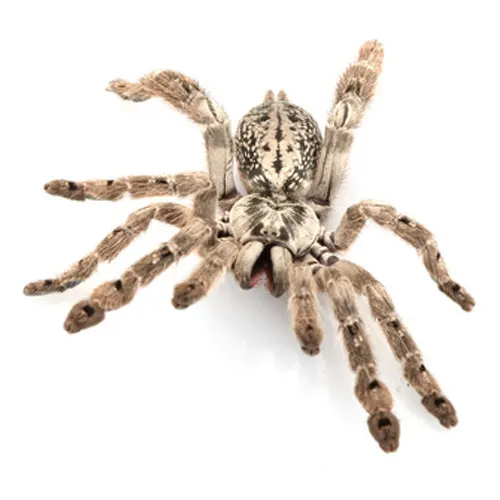
Baboon Tarantula Care Top 7 Tips
The baboon tarantula, a fascinating creature, can be a rewarding pet for those prepared to provide the right care. These spiders, known for their robust build and captivating appearance, originate from various regions of Africa and Asia. Their care, while not overly complex, demands attention to detail, replicating their natural habitat as closely as possible. This guide unveils the top 7 essential tips for ensuring your baboon tarantula thrives. From habitat setup to understanding their unique behaviors, we’ll explore everything you need to know to keep your tarantula healthy and happy, offering a comprehensive understanding of these captivating arachnids and demystifying the process of providing them with a comfortable and enriching life. Proper care not only ensures the tarantula’s longevity but also allows you to observe their intriguing habits and appreciate their beauty.
Habitat Setup for Baboon Tarantulas
Creating a suitable habitat is paramount in baboon tarantula care. A well-designed enclosure mirrors their natural environment, crucial for their physical and psychological well-being. The setup should prioritize the spider’s comfort and safety, ensuring they can exhibit their natural behaviors. A well-planned habitat provides a sense of security and reduces stress, which is vital for their health. Considering factors like size, substrate, temperature, and humidity is essential. A properly set up enclosure ensures your tarantula can thrive, offering a captivating glimpse into the life of these fascinating arachnids, and providing a fulfilling experience for both the spider and the keeper.
Enclosure Size and Type

The right enclosure size is fundamental to baboon tarantula care. A juvenile baboon tarantula can start in a smaller enclosure, typically 5–10 gallons, gradually upgrading as it grows. A secure, well-ventilated enclosure is essential, providing a safe and stress-free environment. The enclosure type should be easy to access for maintenance, with a secure lid to prevent escapes. Transparency is also valuable, allowing for observation of the tarantula’s behavior. The dimensions should accommodate the tarantula’s leg span, enabling it to move, hunt, and establish its territory, leading to a healthier, more active spider. The enclosure should be appropriately sized to avoid both overwhelming the tarantula and limiting its exploration.
Substrate Selection
The substrate forms the foundation of the baboon tarantula’s environment and is a critical aspect of baboon tarantula care. The ideal substrate should retain moisture, allow burrowing, and be non-toxic. A mix of substrates, such as coconut fiber, peat moss, and a bit of vermiculite, can create a perfect balance. These materials help maintain humidity levels, crucial for the tarantula’s health, especially during molting. Avoid substrates like sand or gravel, which can be abrasive and unsuitable for burrowing. The depth of the substrate should be appropriate for the species and size of the tarantula, providing it with ample space to burrow and feel secure. A good substrate contributes to the overall well-being of the spider and its ability to thrive.
Temperature and Humidity
Temperature and humidity control are crucial for baboon tarantula care. These spiders thrive in specific environmental conditions that mimic their native habitats. A temperature range of 75–85°F (24–29°C) is generally suitable, and a heat source, such as a low-wattage heat mat, may be needed for maintaining the right temperature, especially in cooler environments. Humidity levels should be maintained between 60–70%, which can be achieved by regularly misting the enclosure and ensuring proper ventilation. Monitoring these parameters using a thermometer and hygrometer is essential. Fluctuations can cause stress and health problems, so consistency is key. The right environmental conditions support their molting process and overall well-being.
Feeding Your Baboon Tarantula

Providing proper nutrition is essential for the health and longevity of your baboon tarantula. The diet must meet their specific needs, which primarily consist of live insects. The right diet ensures they receive the necessary nutrients to grow and thrive. Understanding the types of insects to feed, the frequency, and the importance of hydration will help you provide the best possible care. Regular feeding and access to fresh water are essential aspects of baboon tarantula care, playing a crucial role in their overall health and well-being. By following these guidelines, you contribute to a healthy and thriving tarantula.
Prey Selection and Frequency
Choosing the right prey is a vital part of baboon tarantula care. Crickets, roaches, and mealworms are common options. The prey should be appropriately sized, avoiding anything too large that could pose a threat to the tarantula. Variety in diet can contribute to the spider’s health. Frequency depends on the tarantula’s age and size, juveniles often fed more frequently than adults. Overfeeding can be detrimental. Observe the spider’s abdomen; a full abdomen indicates it is adequately fed. Adjust the feeding schedule based on the tarantula’s eating habits and condition. This careful approach to prey selection and frequency ensures your tarantula receives the nutrients it needs.
Watering and Hydration
Adequate hydration is crucial in baboon tarantula care. Providing fresh, clean water at all times is essential for their survival. A shallow water dish, easily accessible and non-tipping, should be available. Regularly check and refill the water dish, ensuring it remains clean, as stagnant water can harbor bacteria. Mist the enclosure occasionally to maintain humidity, especially during molting. Proper hydration prevents dehydration and supports their molting process. Consistent access to water is a fundamental aspect of their care, contributing to their health and vitality. The right hydration practices ensure your baboon tarantula stays healthy and thrives.
Handling and Safety Precautions

Handling baboon tarantulas is generally not recommended, and safety precautions should always be a priority. These spiders can be defensive and may bite if they feel threatened. Their venom, though not usually life-threatening to humans, can cause significant pain and discomfort. It is best to admire them from a distance and limit handling to necessary tasks such as enclosure maintenance. When handling is unavoidable, use soft brushes to gently guide the spider. Always wash your hands thoroughly before and after any interaction. Prioritizing safety reduces the risk of bites and ensures both your well-being and the spider’s comfort. Understanding their behavior is critical when interacting with your pet.
Understanding Defensive Behaviors
Understanding a baboon tarantula’s defensive behaviors is essential in its care. When feeling threatened, they may exhibit a range of defensive responses, from raising their front legs and exposing their fangs to flicking urticating hairs. Recognizing these signs allows you to avoid unnecessary stress and potential bites. Avoiding sudden movements and loud noises around the enclosure helps minimize stress. Giving them ample space and respecting their territorial nature is also important. Learning to read these behavioral cues can improve your relationship with your tarantula, ensuring your safety and enhancing their well-being. This awareness is key to the responsible ownership of these fascinating creatures.
Molting Process
Molting is a natural and essential process for baboon tarantulas. This process involves shedding their exoskeleton to allow for growth. During molting, tarantulas are vulnerable. The molting frequency depends on the spider’s age and growth rate, with juveniles molting more often. Creating a stable environment with adequate humidity is crucial to support a successful molt. Avoid disturbing your tarantula during this vulnerable period. After molting, the tarantula’s new exoskeleton is soft; they’ll need time to harden. Providing a stress-free environment during and after molting is essential to ensure their health and facilitate the natural growth process. The molting process is a fascinating aspect of baboon tarantula care, and observing it provides valuable insight into their life cycle.
Health and Common Issues

Recognizing and addressing health issues is a key aspect of baboon tarantula care. While generally hardy, these spiders can be susceptible to certain health problems, including parasites, fungal infections, and injuries. Early detection and prompt treatment are crucial. Regular observation of the tarantula’s behavior, eating habits, and overall appearance can help identify any potential issues. If you notice anything unusual, such as lethargy, loss of appetite, or changes in appearance, consult an experienced tarantula keeper or a veterinarian familiar with arachnids. Proactive health management, incorporating preventative measures and promptly addressing issues, is key to ensuring a long, healthy life for your baboon tarantula.
Identifying and Treating Illnesses
Identifying and treating illnesses in baboon tarantulas requires careful observation. Look for symptoms such as loss of appetite, lethargy, unusual postures, or changes in coloration. Some common issues include mites, fungal infections, and injuries sustained during a fall or a failed molt. If you suspect an illness, isolate the tarantula from other specimens to prevent the spread of disease. Consult a vet experienced in arachnids for diagnosis and treatment. Treatment often involves adjusting the environment, providing supportive care, and, in some cases, medication. Quarantine and early intervention are key, so prompt action when you suspect a health problem is important, increasing the chance of a positive outcome for your baboon tarantula. Knowledge and understanding of potential problems helps keep your tarantula healthy.
Preventative Care and Maintenance
Preventative care and maintenance are integral to baboon tarantula care. Regular cleaning of the enclosure is essential to prevent the buildup of waste and the growth of harmful bacteria. Remove any uneaten food and shed exoskeletons promptly. Ensure the substrate remains clean and replace it as needed. Provide a balanced diet and avoid overfeeding to prevent obesity. Maintaining proper temperature and humidity levels is vital for overall health. Regular observation of the tarantula’s behavior and physical condition helps you spot potential issues early. Preventative measures contribute significantly to your tarantula’s well-being, promoting a healthier, happier life. This proactive approach creates a thriving environment.
In conclusion, baboon tarantula care is an engaging journey that demands attentiveness and a deep understanding of these fascinating creatures. By adhering to the essential tips discussed – habitat setup, proper feeding, maintaining optimal environmental conditions, practicing safe handling, and prioritizing preventative care – you can provide a thriving environment for your baboon tarantula. The rewards include witnessing their unique behaviors, appreciating their beauty, and the satisfaction of contributing to their well-being. Embracing responsible ownership creates a fulfilling experience for both the tarantula and the keeper, fostering a lasting appreciation for these captivating arachnids. With the right knowledge and care, your baboon tarantula can live a long and healthy life, enriching your life in return.