What are Baboon Tarantulas
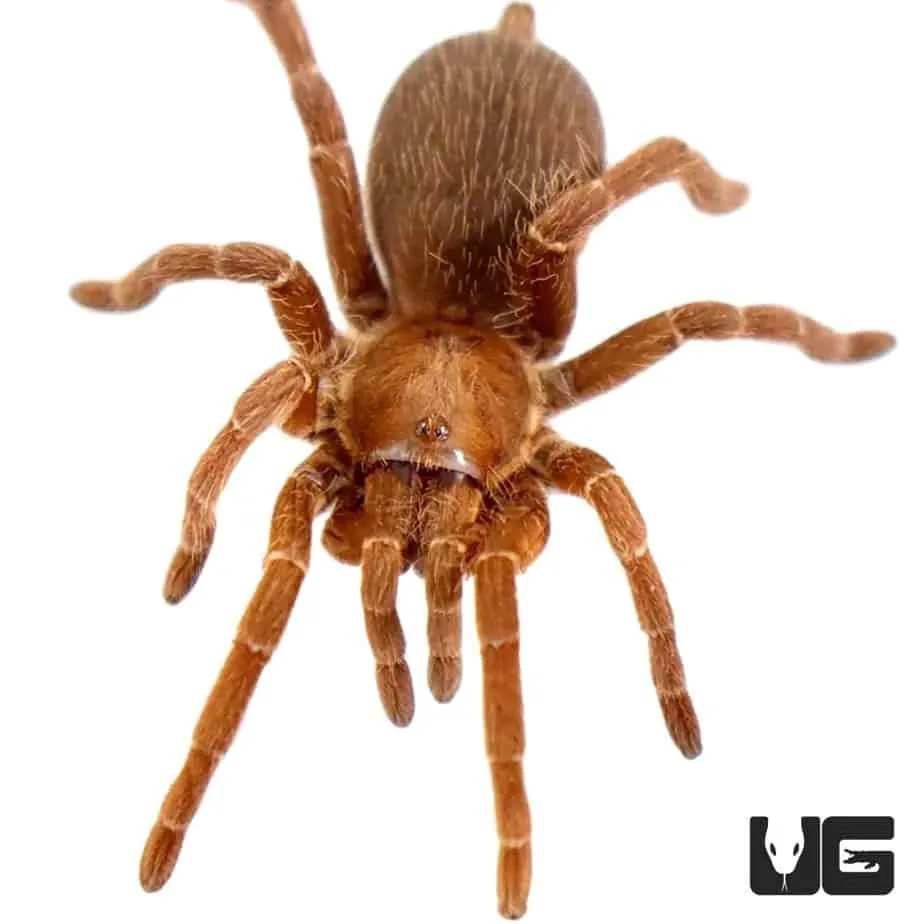
Baboon tarantulas, belonging to the family Theraphosidae and various genera like Pterinochilus and Harpactira, are a fascinating group of spiders known for their robust build, impressive size, and unique appearance. These spiders are native to Africa and are a popular choice among experienced arachnid enthusiasts. Their name comes from the hairy appearance of their legs, which can resemble the hands of a baboon. Unlike some other tarantula species, baboon tarantulas are generally terrestrial, preferring to live on the ground or in burrows. They are known for their defensive behaviors, including flicking urticating hairs and delivering a potentially painful bite if provoked. Understanding their characteristics is crucial for anyone considering keeping them as pets or simply appreciating these incredible creatures.
Origin of Baboon Tarantulas
Baboon tarantulas are predominantly found in Africa, with different species originating from various regions across the continent. Their natural habitats range from arid savannas to tropical forests. The Pterinochilus genus, for example, is often associated with drier environments, while others prefer more humid conditions. These spiders have adapted to their specific environments, developing unique characteristics related to their habitat, such as burrowing behaviors or coloration that helps them blend in with their surroundings. Their geographic distribution showcases the diversity of the African landscape and the evolutionary adaptations of these fascinating creatures. Studying their origins helps us understand their needs in captivity and how best to replicate their natural environment.
Physical Characteristics

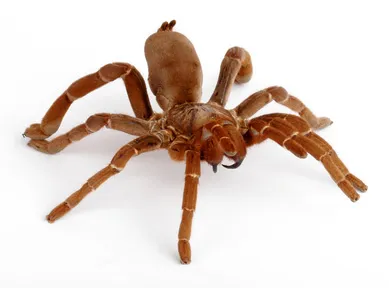
Baboon tarantulas are easily recognizable by their sturdy build and distinctive appearance. They typically exhibit a range of colors, from earthy browns and tans to vibrant oranges and yellows, depending on the species. Their bodies are covered in dense hairs, and their legs are robust, hence the name ‘baboon’. These tarantulas can vary in size, with some species reaching a leg span of up to 6-8 inches or more. Males and females may also exhibit different physical characteristics; for instance, males often have longer legs and a smaller body compared to females. The chelicerae, or mouthparts, are powerful and capable of delivering a bite if the spider feels threatened. Understanding their physical traits helps in identifying different species and recognizing their health status.
Top 5 Facts About Baboon Tarantulas
Fact 1 Diversity in Baboon Tarantulas
The baboon tarantula group encompasses a significant number of species, each with its unique characteristics. While the exact number can vary based on taxonomic revisions, it’s a diverse group exhibiting different sizes, colors, and behaviors. This diversity adds to their appeal among tarantula enthusiasts, allowing for a range of options depending on individual preferences. Some popular species include the Pterinochilus murinus (Orange Baboon Tarantula) and various Harpactira species. The ongoing research and classification efforts continue to expand our understanding of this fascinating group, highlighting the richness of tarantula biodiversity in Africa.
Fact 2 Habitat

Baboon tarantulas naturally inhabit a variety of environments across Africa. Many species are terrestrial, creating burrows in the soil or utilizing existing shelters like under rocks and fallen logs. Others may be found in more arboreal settings, taking advantage of trees and foliage. Their habitat preferences are related to their specific needs for shelter, food, and protection from predators. Understanding these preferences is crucial for providing the right environment in captivity. Replicating their natural habitat helps ensure the tarantula’s well-being and encourages natural behaviors, such as burrowing and foraging. In the wild, these tarantulas play a role in their ecosystems as both predators and prey, influencing the local insect populations.
Fact 3 Behavior and Temperament
Baboon tarantulas are generally known for their defensive behaviors. They can be skittish and quick to react when feeling threatened. This can include raising their front legs in a threat posture, flicking urticating hairs, or even attempting to bite. While not all species are equally defensive, it is essential to handle these tarantulas with caution and respect their space. Their temperament can also be influenced by their environment and individual personality. Some individuals may be more docile in captivity after being acclimatized to their habitat. Studying their behaviors provides crucial insights into their needs and how to safely interact with them, ensuring both the safety of the handler and the well-being of the tarantula.
Fact 4 Venom and Bite
Baboon tarantulas possess venom, which they use to subdue their prey. While their bite is not typically life-threatening to humans, it can be painful and cause localized symptoms such as swelling, redness, and muscle cramps. The severity of the reaction varies depending on the individual and the amount of venom injected. It is essential to take precautions, such as avoiding direct handling, wearing gloves when necessary, and always being mindful of their behavior. If bitten, it’s important to clean the wound and monitor for any unusual symptoms. Although the venom is not as potent as some other species, their defensive nature and powerful chelicerae make it important to treat them with respect.
Fact 5 Lifespan and Care

Baboon tarantulas have a varied lifespan depending on the species and their sex. Females generally live longer than males, with some species living up to 10-15 years or more in captivity. Males, after reaching maturity, may only live for a few years. Proper care is crucial for maximizing their lifespan. This includes providing the correct temperature, humidity, and enclosure setup. Regular feeding with appropriate insects, proper hydration, and careful monitoring of their health are essential. By meeting their needs, keepers can contribute to the long and healthy life of their baboon tarantula. Keeping track of their molting cycles and recognizing potential health issues are also vital components of their care.
Baboon Tarantula Care Tips
Enclosure Setup
Creating the correct enclosure is fundamental to providing a suitable home for a baboon tarantula. A secure, well-ventilated enclosure is essential, with appropriate substrate, such as a mixture of peat moss, coconut fiber, and vermiculite, to allow burrowing behavior. The size of the enclosure should be proportional to the spider’s size, with juveniles needing smaller tanks and adults needing larger ones. Providing hiding places, such as cork bark or artificial hides, offers security and comfort. Ensure the enclosure has a secure lid to prevent escapes, as these tarantulas are skilled climbers. Maintaining the right humidity levels with a water dish and occasional misting is also necessary. Regularly cleaning and removing any uneaten food is crucial for the health and well-being of the spider. The enclosure setup should mimic their natural habitat as closely as possible.
Feeding and Diet

Feeding baboon tarantulas involves offering a diet appropriate to their size and nutritional needs. They primarily eat insects, such as crickets, mealworms, and roaches. Juveniles require more frequent feedings compared to adults. Provide a variety of insects to ensure they get a balanced diet. It’s important not to overfeed them, as this can lead to health problems. Remove any uneaten food within 24 hours to prevent mold growth. Supplementing the diet with occasional treats like pre-killed or commercially available tarantula food can add variety. Make sure a clean water source is available at all times, as dehydration can be fatal. Adjust feeding frequency based on the spider’s size, age, and molt cycle.
Humidity and Temperature
Maintaining the correct humidity and temperature levels is crucial for the health and comfort of a baboon tarantula. Humidity levels depend on the species, so research the specific needs of your spider. Use a hygrometer to monitor humidity levels within the enclosure. Achieve optimal humidity by misting the enclosure, providing a water dish, and using appropriate substrate. Temperature also plays a vital role. A temperature range of 75-85°F (24-29°C) is often suitable for many species. Use a heat lamp or heat mat to maintain the proper temperature, but always make sure to avoid overheating the enclosure. Regular monitoring of temperature and humidity ensures the spider’s well-being. Inadequate conditions can lead to health problems, such as difficulties molting.
Common Health Issues
Baboon tarantulas, like any pet, can be susceptible to certain health issues. Some common problems include mites, fungal infections, and dehydration. Mites can infest the tarantula and their enclosure, so quarantine new arrivals and inspect them regularly. Fungal infections can develop due to high humidity and poor ventilation. Ensure adequate ventilation in the enclosure and keep it clean. Dehydration can result from lack of access to water or low humidity levels. Provide fresh water and maintain the correct humidity to avoid this. Other issues, like injuries during molting, can occur. Monitoring their health and behavior and consulting a veterinarian experienced with exotic animals if you notice any unusual symptoms is crucial.
Conclusion
Baboon tarantulas are fascinating creatures, and understanding their needs is essential for responsible care. From the diversity of species to the proper enclosure setup, feeding, and health considerations, owning a baboon tarantula is a commitment. By following the guidelines for their care, you can create a thriving environment for your tarantula. Remember to do thorough research on the specific species you are considering and to approach these amazing animals with the respect and caution they deserve. With proper care, baboon tarantulas can provide years of enjoyment and wonder for any arachnid enthusiast.