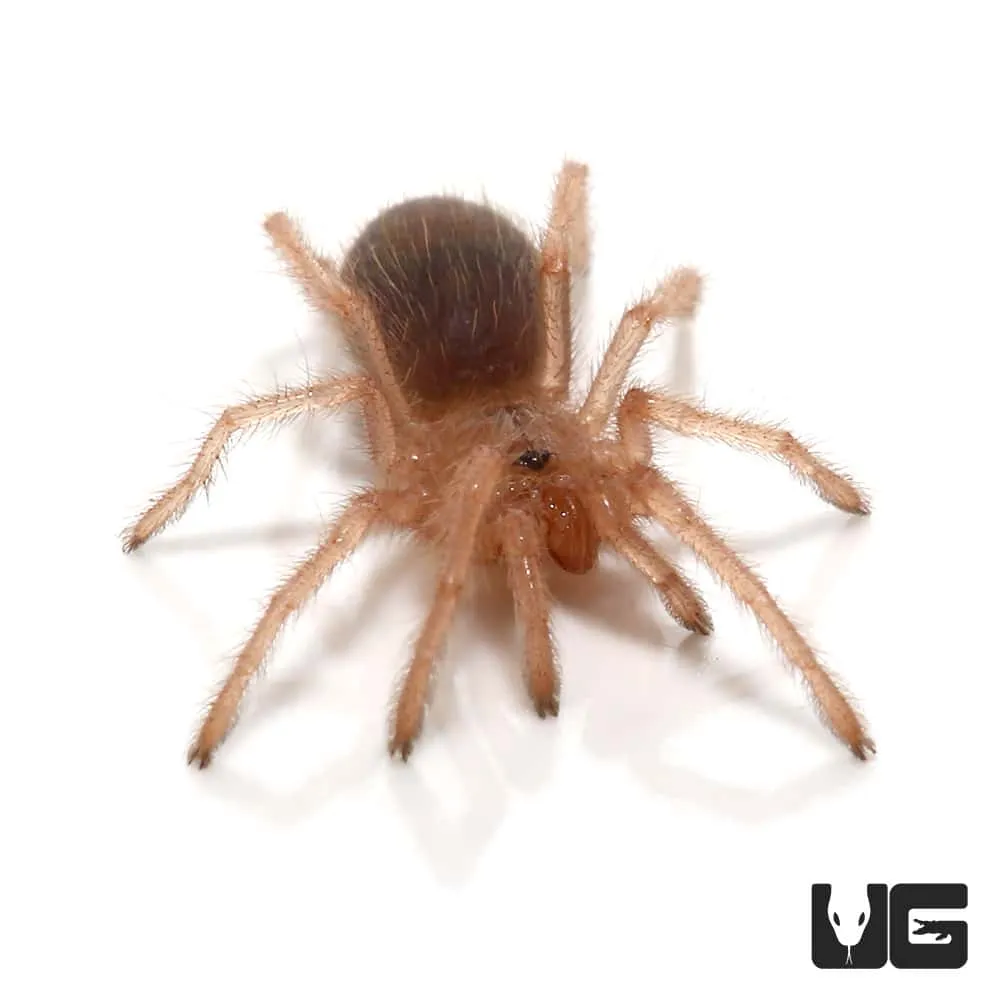
Baby Tarantula Care Guide Amazing Tips
Caring for a baby tarantula can be a rewarding experience, offering a fascinating glimpse into the world of arachnids. These captivating creatures, though small, have specific needs that must be met to ensure their health and well-being. This comprehensive guide provides essential tips and insights into every aspect of baby tarantula care, from housing and diet to health and handling. By following these guidelines, you can provide your baby tarantula with a thriving environment, and enjoy the unique joy of observing these amazing creatures grow and thrive.
Essential Baby Tarantula Housing
Creating the right habitat is the foundation of baby tarantula care. A well-designed enclosure replicates their natural environment, promoting healthy development and reducing stress. The size, material, and setup of the enclosure are critical factors that influence the tarantula’s overall well-being. It is important to consider the tarantula’s species-specific requirements to ensure a comfortable and safe living space. Proper housing not only provides shelter but also facilitates feeding, molting, and other essential behaviors. Always prioritize creating a secure and enriching environment for your baby tarantula.
Choosing the Right Enclosure

The enclosure for your baby tarantula should be appropriately sized to prevent stress and provide adequate space for movement and burrowing. A clear, well-ventilated enclosure allows for easy observation and environmental control. Consider a plastic container or a glass terrarium with secure ventilation holes. The enclosure should be at least three times the tarantula’s leg span in width and length, allowing for comfortable movement. Avoid enclosures with large openings that could pose an escape risk. Ensure the enclosure has a secure lid that is easy to open for feeding and maintenance but difficult for the tarantula to escape from. Check the chosen enclosure for any sharp edges that might injure your tarantula.
Substrate Selection Guide
Substrate serves as the flooring for your baby tarantula’s enclosure, providing a surface for burrowing, maintaining humidity, and absorbing waste. Choose a substrate that is non-toxic and suitable for the tarantula’s species. Common choices include peat moss, coconut fiber, and vermiculite. These materials hold moisture well, which is important for maintaining the necessary humidity levels. Avoid using gravel or sand, as they do not retain moisture effectively and can make burrowing difficult. The substrate layer should be deep enough, typically 2-4 inches, depending on the size and burrowing habits of your tarantula. Always clean and replace the substrate regularly to prevent the buildup of mold, bacteria, and waste products.
Temperature and Humidity Control
Maintaining the correct temperature and humidity levels is crucial for your baby tarantula’s health and well-being. Most species thrive in a temperature range of 75-85°F (24-29°C). Use a heat mat or a low-wattage heat lamp to maintain the appropriate temperature, but avoid placing the heat source directly under the enclosure, as this can cause the substrate to dry out quickly. Humidity levels should also be monitored and maintained. Use a hygrometer to measure humidity and adjust accordingly, usually by misting the enclosure with water. The humidity level typically required is between 60-80%, depending on the species. Proper temperature and humidity levels help to simulate the tarantula’s natural habitat, which helps promote healthy molting and overall vitality.
Baby Tarantula Diet and Feeding

A balanced diet is fundamental for a baby tarantula’s growth and development. Baby tarantulas have a high metabolism and require regular feeding of appropriately sized prey. Choosing the right food, determining feeding frequency, and ensuring proper hydration are essential components of their dietary needs. Understanding the specific nutritional requirements of your tarantula’s species, in conjunction with these guidelines, helps to ensure the health and longevity of your baby tarantula. A carefully managed diet leads to a thriving, vibrant tarantula.
Choosing the Right Food
Baby tarantulas have a small size and require appropriately sized prey items. Crickets, flightless fruit flies, and small mealworms are popular choices. The prey should be no larger than the tarantula’s body size. Ensure the prey is gut-loaded before feeding to provide your tarantula with essential nutrients. Gut-loading involves feeding the prey items a nutritious diet, such as vegetables and commercial cricket food, before feeding them to your tarantula. This enriches the prey with vitamins and minerals. Always provide fresh, live prey; dead prey is less appealing and could also introduce harmful bacteria.
Feeding Frequency and Portion Sizes
The feeding frequency depends on the age and growth rate of your baby tarantula. Younger tarantulas, especially slings (spiderlings), may need to be fed two to three times a week, whereas older juveniles can be fed once or twice a week. Adjust the feeding schedule based on your tarantula’s appetite and growth. Offer one to two prey items per feeding, removing uneaten prey within 24 hours to prevent stress and potential injury to the tarantula. Overfeeding can lead to health issues. Regularly monitor your tarantula’s abdomen to assess its condition; a slightly plump abdomen suggests adequate feeding.
Watering Your Baby Tarantula

Water is essential for hydration and molting. Baby tarantulas obtain water from the droplets on the enclosure’s walls and from their prey. Provide a shallow water dish with fresh, clean water. For slings, use a bottle cap or a small, shallow container to prevent drowning. Refill the water dish regularly, especially during dry spells, or when the substrate begins to dry out. Mist the enclosure lightly with water to maintain humidity and provide drinking opportunities. Ensure the water is always available and the enclosure remains adequately humid to support the baby tarantula’s health.
Baby Tarantula Molting Process
Molting is a natural process where baby tarantulas shed their exoskeleton to grow. This fascinating stage is a sign of healthy development but requires a specific set of conditions. Understanding the molting process, recognizing the signs, and providing a safe environment are critical for the tarantula’s survival and growth. The period leading up to and following molting can be vulnerable, so it is important to provide the correct care to help the tarantula through each stage safely.
Signs of an Upcoming Molt
Several signs indicate that a baby tarantula is preparing to molt. The tarantula might become less active and start refusing food. The abdomen may appear darker and more plump, and the skin may appear stretched. The tarantula might also create a ‘molt mat,’ a web mat on which it will lie for molting. Provide ample substrate so the tarantula can flip onto its back. These are typical signs; however, do not disturb the tarantula during the process.
Providing a Safe Molting Environment

During molting, the tarantula is extremely vulnerable, and any disturbance can be fatal. Maintain consistent temperature and humidity levels and avoid handling or disturbing the tarantula. Ensure the enclosure is free of hazards. Remove any uneaten prey or potential threats. If the tarantula molts upside down, provide a stable surface for it to grip. Provide a quiet environment, where the tarantula can molt in peace. Give them time to molt without any interference.
Post-Molt Care
After molting, the tarantula will be soft and vulnerable. Do not offer food for at least a week, allowing its new exoskeleton to harden. Provide fresh water and maintain the usual temperature and humidity. The tarantula may appear more vibrant in color. After a week, start feeding again, gradually increasing the size of the prey items as the tarantula grows. Monitor the tarantula for any signs of problems. The tarantula’s behavior and appearance will return to normal as it recovers from molting.
Baby Tarantula Health and Common Issues
Baby tarantulas, like any pet, can experience health problems. Recognizing signs of illness and knowing how to address them is essential for responsible pet ownership. From parasitic infections to enclosure-related problems, understanding these issues helps to ensure the health and well-being of your baby tarantula. Prevention and proactive care are critical elements, ensuring the tarantula’s long and healthy life.
Identifying Health Problems

Several signs can indicate that your baby tarantula is unwell. These include loss of appetite, lethargy, difficulty moving, or a swollen abdomen. Other warning signs are unusual postures, discoloration, or discharge from the mouth. In addition, check for parasites such as mites or nematodes. Regularly monitor your tarantula’s behavior and physical condition. If you notice any unusual signs, isolate the tarantula and seek advice from an experienced tarantula keeper or a veterinarian specializing in exotic animals.
Preventative Care Tips
Preventative care is crucial for maintaining your tarantula’s health. Ensure the enclosure is clean and the substrate is replaced regularly to prevent the growth of mold or bacteria. Provide a balanced diet and fresh water at all times. Quarantine new tarantulas or prey items before introducing them to your existing collection. Avoid overcrowding the enclosure, which can stress the tarantula and increase the risk of disease. Keep the tarantula’s enclosure away from potential hazards, such as excessive heat or direct sunlight. Perform routine health checks.
When to Seek Veterinary Advice
If you observe any serious health issues, seek veterinary advice immediately. Consult a veterinarian specializing in exotic animals who can diagnose and treat diseases or injuries. Common reasons to seek veterinary attention include parasites, infections, injuries from a fall, or difficulties during molting. Prepare to provide the vet with information about the tarantula’s environment, diet, and any recent changes in behavior. Early intervention can make a huge difference in the tarantula’s recovery.
Handling Baby Tarantulas

Handling a baby tarantula should be approached with caution, as they are delicate and can be easily injured. Their venom is usually not dangerous to humans, but their bite can be painful, and the sudden movement during handling might cause injury to the tarantula. Understanding the tarantula’s behavior and employing safe handling practices will minimize stress and the risk of injury to both you and the tarantula.
Safe Handling Practices
When handling a baby tarantula, always handle them close to the ground, in case of accidental falls. Avoid handling them immediately after molting, when they are most vulnerable. Use a soft, wide brush or a cup to gently coax the tarantula onto your hand or to move it to another container. Wash your hands before and after handling to remove any potential contaminants. Handle the tarantula for short periods only to minimize stress. Always respect the tarantula’s boundaries and avoid forcing interactions. If your tarantula displays defensive behaviors, such as raising its front legs or flicking hairs, respect its cues and leave it alone.
Understanding Tarantula Behavior
Understanding tarantula behavior will help you to better assess when handling is appropriate. Baby tarantulas may exhibit different behaviors depending on the species. Some species are more docile and tolerate handling better, while others are more skittish and prefer to be left alone. Learn about the specific species of your tarantula. Observe your tarantula’s behavior regularly. Recognizing signs of stress, such as erratic movements or defensive postures, is vital to avoid potential problems. Provide a stimulating environment with opportunities for the tarantula to explore and exhibit its natural behaviors, such as burrowing or web-spinning.
Conclusion
Caring for a baby tarantula can be an immensely rewarding experience. By adhering to these guidelines on housing, diet, health, and handling, you can provide your baby tarantula with a safe, comfortable, and enriching environment. Remember that patience, observation, and consistency are key to successful tarantula care. Enjoy the fascinating journey of watching your baby tarantula grow, molt, and thrive. Your diligent care will provide your tarantula with a fulfilling and lengthy life, making your effort all the more worthwhile.