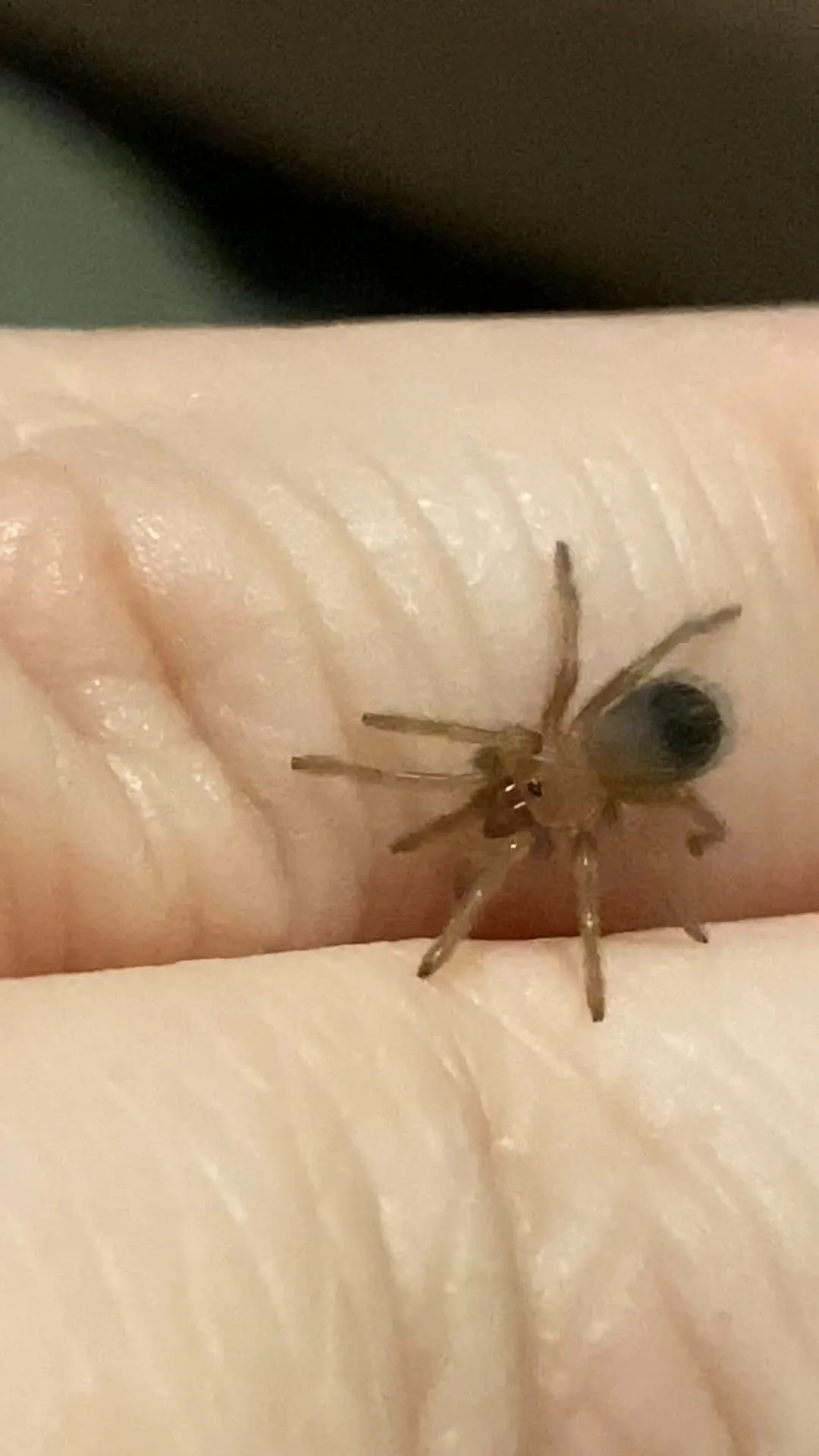
Baby Tarantula Care
Bringing a baby tarantula into your home is an exciting experience, but it also comes with significant responsibility. These fascinating creatures require specific care to thrive. From habitat setup to feeding and handling, understanding the needs of your baby tarantula is crucial for its health and well-being. This guide provides essential tips to help you successfully care for your new pet, ensuring it lives a long and fulfilling life. Proper care not only benefits the tarantula but also enhances the overall experience of owning such an exotic and unique pet. This involves learning about their natural behaviors, potential health issues, and environmental needs.
Choosing the Right Baby Tarantula
Before acquiring a baby tarantula, it’s essential to choose the right species. Different species have different temperaments, care requirements, and sizes. Researching various types of tarantulas will help you select one that aligns with your experience level and lifestyle. Consider factors like the tarantula’s potential size, venom potency (though most tarantula venoms are not dangerous to humans), and availability. Beginners might start with more docile species, while experienced keepers can explore more challenging options. This decision impacts every aspect of their care, making it a crucial first step for new owners. Knowing your chosen species will make sure you can provide the proper environment, diet, and overall care.
Researching Species and Temperaments

Thorough research is the cornerstone of responsible tarantula ownership. Learn about the natural habitat, diet, and behavior of your chosen species. Understand their temperament; some tarantulas are more docile, while others are more defensive or skittish. Online forums, books, and reputable breeders can provide valuable information. Knowing your tarantula’s specific needs will help you create a suitable habitat and avoid potential handling mishaps. Knowledge also enables you to recognize signs of stress or illness early on, enabling you to respond effectively and keep your pet healthy. Furthermore, understanding these aspects allows you to appreciate the unique characteristics of your tarantula.
Sourcing a Healthy Specimen
The health of your baby tarantula greatly impacts its survival and well-being. When purchasing, always acquire your tarantula from a reputable breeder or pet store. Check for signs of a healthy tarantula, such as a plump abdomen, active movement, and no visible signs of parasites or injuries. Avoid tarantulas with missing legs (unless they are a recent molt) or sluggish behavior. If possible, ask the breeder about the tarantula’s feeding habits and molting history. A healthy start makes for a more resilient pet, and choosing carefully can save you considerable stress and prevent potential health complications. A trustworthy source offers valuable insights and support for new owners, ensuring a successful experience.
Setting Up the Habitat
Creating the perfect habitat is fundamental to the health of your baby tarantula. The enclosure must provide a safe and comfortable environment, replicating the tarantula’s natural habitat as closely as possible. Correct setup ensures proper temperature and humidity, essential for successful molting and overall well-being. Avoid overcrowding, provide adequate hiding places, and select appropriate substrate. An unsuitable enclosure can cause stress, leading to health problems and a shortened lifespan. Setting up the habitat involves many decisions that profoundly affect your tarantula’s health, requiring thoughtful consideration and careful planning. This is a core factor in providing a thriving home for your tarantula.
Enclosure Size and Type

The size of your baby tarantula’s enclosure should match its size and growth stage. A general rule is to provide an enclosure that is at least twice as wide as the tarantula’s leg span. For baby tarantulas, a smaller enclosure can be beneficial, as it helps them feel secure and makes it easier to find food. As the tarantula grows, you will need to upgrade the enclosure. Choose an enclosure made of clear plastic or glass to allow for easy observation and to prevent the tarantula from escaping. Ensure the enclosure has a secure lid, ventilation holes, and is easy to clean. Choosing the correct size and type from the start will promote the tarantula’s comfort and safety.
Substrate Selection and Depth
The substrate is the base layer of your tarantula’s habitat, serving multiple purposes including moisture retention, burrowing, and providing a natural environment. Suitable substrates for baby tarantulas include peat moss, coconut fiber, or a mix of both. The depth of the substrate will depend on the species, with burrowing species requiring a deeper layer. Avoid using substrates that are dusty or contain chemicals. Regularly monitor the substrate for mold or excessive moisture, and replace it when necessary to maintain a clean and healthy environment. The right substrate will create a naturalistic environment, and the correct depth supports burrowing behaviors. This is essential for a baby tarantula’s well-being.
Providing Hiding Spots and Decorations
Baby tarantulas are often skittish and prefer to have a place to hide, which reduces stress. Provide hiding spots such as cork bark, artificial plants, or a small hide. Position the hide in a way that the tarantula can easily access it. Decorations should be non-toxic and safe. Ensure that any decorations cannot fall or trap the tarantula. Providing hiding spots and decorations not only benefits their well-being but also adds an aesthetic appeal to the enclosure. Avoid using materials that can release toxins or harm the tarantula, such as certain types of wood or painted items. This creates a secure, stimulating, and enriching environment.
Maintaining Temperature and Humidity

Temperature and humidity are essential for a baby tarantula’s health and survival. Research the specific temperature and humidity requirements for your tarantula’s species. Use a thermometer and hygrometer to monitor the conditions inside the enclosure. You may need to use a heat lamp or pad to maintain the proper temperature. To maintain humidity, mist the enclosure with water regularly or provide a shallow water dish. Avoid extreme fluctuations in temperature or humidity, as this can stress your tarantula. Proper temperature and humidity promote healthy molting and general well-being. Regularly checking and adjusting the conditions ensures your tarantula stays healthy and happy, mirroring its natural habitat as closely as possible.
Feeding Your Baby Tarantula
Feeding your baby tarantula is one of the most important aspects of their care. Baby tarantulas have specific dietary needs and feeding habits. Providing the correct diet ensures their growth, molting, and overall health. Choosing the right food, knowing the appropriate feeding frequency, and ensuring access to water are all critical to their survival. Developing a feeding routine and understanding how your tarantula eats will ensure a long and fulfilling life. The food that they eat and how they consume it plays a vital role in the long-term health of your tarantula, and improper feeding can lead to serious health complications.
Choosing the Right Food
Baby tarantulas typically eat small insects, such as pinhead crickets, fruit flies, or small mealworms. The size of the food should be appropriate for the size of your tarantula; the prey should ideally be no more than half the size of the tarantula’s body. Always ensure the insects are gut-loaded (fed nutritious food) before offering them to your tarantula, as this provides essential nutrients. Avoid feeding wild-caught insects, as they may carry parasites or pesticides. Offering a variety of food can provide a balanced diet. Providing appropriate food plays a huge role in a tarantula’s development, ensuring proper growth. It’s critical to research the best foods for the species.
Feeding Frequency and Portion Sizes

The feeding frequency for baby tarantulas varies depending on their species and growth rate. Generally, you can feed them every 2-3 days. Remove any uneaten food within 24 hours to prevent mold and maintain hygiene. Overfeeding can cause the tarantula to become obese and can potentially lead to health problems. The correct portion size is essential and will depend on the size of the tarantula and the size of the prey. Monitor your tarantula’s abdomen; if it appears overly plump, reduce the feeding frequency. Regulate portions and frequency based on your tarantula’s needs and growth. Proper feeding practices will ensure optimal growth and prevent health issues. This will keep your pet in the best condition.
Watering and Hydration
Baby tarantulas need access to fresh water at all times. Provide a shallow water dish filled with clean water. Ensure the water dish is not too deep to prevent drowning, especially for smaller tarantulas. You can also mist the enclosure with water, which allows them to drink droplets. Change the water regularly to prevent bacterial growth. Hydration is vital to molting and general health. Lack of access to water can be life-threatening. Providing a consistent supply of fresh water, either through a dish or misting, will help keep your tarantula hydrated and healthy. This simple step helps meet their needs. Without hydration, your tarantula can quickly become dehydrated.
Handling and Interaction
Handling baby tarantulas should be done with extreme caution, if at all. Tarantulas can be easily stressed, which can lead to defensive behavior, including biting. While tarantula bites are not usually life-threatening to humans, they can be painful. Consider your tarantula’s species and temperament before attempting to handle it. Some species are more docile than others. When handling, always do so over a soft surface, such as a bed or carpet, in case the tarantula falls. Always respect the tarantula’s space and avoid sudden movements. Understanding their behavior, using safe handling techniques, and avoiding stress or injury will ensure that both you and the tarantula remain safe. Interactions should primarily focus on observation and providing care, rather than direct handling.
Understanding Tarantula Behavior

Understanding tarantula behavior is key to responsible ownership. Tarantulas are generally solitary animals, and they have a range of behaviors that indicate their mood and needs. Observe your tarantula’s posture, movement, and feeding habits. A tarantula that is alert and actively exploring its enclosure is usually healthy. A tarantula that is hiding and not eating might be stressed or ill. Recognizing these signals will help you provide appropriate care and avoid unnecessary handling. Understanding your tarantula’s behavior patterns can also enrich your experience as a pet owner. Becoming familiar with their behavior provides insights into their needs and allows for appropriate handling practices.
Safe Handling Techniques
If you choose to handle your baby tarantula, always do so with caution. Gently coax the tarantula onto your hand, avoiding sudden movements. Never grab or squeeze the tarantula, as this can lead to defensive behavior. Handle over a soft surface, to minimize the risk of injury should the tarantula fall. Wash your hands before and after handling, as some tarantulas may have urticating hairs that can cause skin irritation. For some, handling is not recommended at all. Understanding how to hold a tarantula carefully and calmly protects both you and the tarantula. Safe handling is crucial for avoiding any accidental injury or stress to the animal. Handling should be done in controlled environment, reducing risks.
Avoiding Stress and Injury
Stress and injury can significantly impact a baby tarantula’s health. Minimize stress by providing a suitable habitat, avoiding loud noises, and limiting handling. Prevent injuries by avoiding sudden movements and ensuring the enclosure is safe. Avoid introducing other pets or animals to the tarantula’s enclosure. Never attempt to force the tarantula to do anything; let it move at its own pace. By providing a safe and stress-free environment, you can help your tarantula thrive. Reducing stress and the potential for harm goes hand in hand with responsible pet ownership. A stress-free environment guarantees the tarantula lives a long and healthy life.
Health and Hygiene

Maintaining your baby tarantula’s health requires vigilance and attention to hygiene. Regular inspection of your pet and its enclosure will enable you to spot potential problems early on. Recognizing common health issues, maintaining a clean habitat, and knowing when to seek veterinary care are critical. Regular checkups and inspections will help you detect problems early. Prompt action and knowing when to get expert help are essential for ensuring the best care. This will enable your pet to have a healthy, happy, and stress-free life. This will give you peace of mind as a pet owner.
Recognizing Common Health Issues
Baby tarantulas can experience various health issues, including mites, fungal infections, and injuries. Mites can be a sign of poor hygiene, appearing as small, moving dots on the tarantula or in the enclosure. Fungal infections can be caused by high humidity and poor ventilation, often presenting as discoloration or lesions. Look for signs of these problems during daily checks, such as changes in behavior, appearance, or eating habits. Knowing how to spot these symptoms and taking appropriate action can prevent serious health problems. Recognizing the warning signs allows for early treatment and a better chance of recovery. Early detection is an essential part of responsible tarantula care.
Maintaining a Clean Habitat
A clean habitat is vital for preventing disease and promoting health. Regularly remove uneaten food, molted exoskeletons, and any other debris from the enclosure. Spot-clean the substrate regularly, removing any waste or soiled areas. Replace the substrate entirely every few months, depending on the species and the substrate used. Use only non-toxic cleaning products. A clean enclosure prevents the build-up of harmful bacteria and promotes a healthy environment for your tarantula. Cleaning the enclosure routinely will also remove the smell. Maintaining a clean enclosure will keep your pet healthy, so it is vital to your pet’s long-term health.
When to Seek Veterinary Care
While you can handle many aspects of your baby tarantula’s care, there may be times when you need to seek professional help. If your tarantula exhibits signs of illness, such as lethargy, loss of appetite, or unusual behavior, it is essential to consult a veterinarian experienced in exotic animals. Don’t hesitate to seek professional help if you notice any injuries, such as a damaged leg or a wound that won’t heal. A veterinarian can diagnose and treat any underlying health issues and provide advice. Early veterinary intervention can improve the tarantula’s chances of a full recovery. Knowing when to seek professional care demonstrates your commitment. Being proactive is crucial.
Conclusion
Caring for a baby tarantula can be a rewarding experience. By following these tips and providing the appropriate environment and care, you can ensure your tarantula lives a long, healthy, and enriching life. Remember to research your specific species, create a suitable habitat, provide proper nutrition, and handle your tarantula with care. With patience, dedication, and the knowledge of the best practices, you can enjoy a unique and fascinating pet. Understanding the needs of your baby tarantula ensures its well-being and enhances the overall experience of exotic pet ownership. This ultimately leads to a satisfying experience for both you and your tarantula.