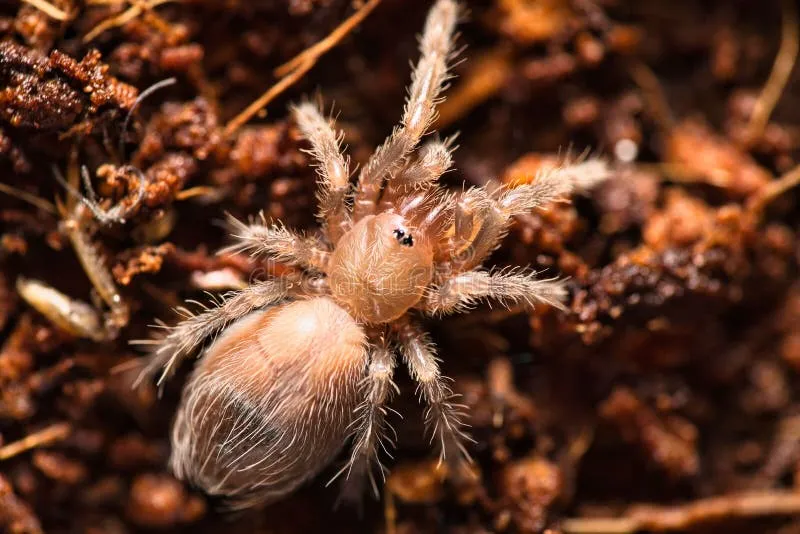
Understanding Baby Tarantulas in Jakarta
Embarking on the journey of raising a baby tarantula in Jakarta can be an incredibly rewarding experience, opening up a world of fascinating arachnid behavior and unique pet ownership. This guide serves as your comprehensive starting point, providing essential information to ensure the well-being and successful care of your tiny, eight-legged friend. From understanding their basic needs to navigating the local landscape of tarantula ownership in Jakarta, this guide aims to equip you with the knowledge to become a responsible and informed baby tarantula owner. Whether you’re a seasoned pet enthusiast or a complete novice, get ready to delve into the captivating world of baby tarantulas, tailored specifically for the Jakarta environment.
What is a Baby Tarantula
A baby tarantula, often referred to as a spiderling, is essentially the juvenile stage of a tarantula. These tiny creatures are miniature versions of their adult counterparts, exhibiting similar characteristics but with a much more delicate constitution. The term ‘baby’ can be slightly misleading, as these spiders are not dependent on their parents and are fully capable of hunting and surviving on their own from a very early age. Their small size makes them even more vulnerable, and their care requires attention to detail. Their exoskeletons are also softer than those of adults, making them more susceptible to injury. Understanding the basics of their biology and behavior is the first step to providing appropriate care. They are fascinating creatures with unique adaptations suited to their environments, and learning about them is half the fun of owning one.
Different Species Found in Jakarta

Jakarta’s warm, humid climate makes it a potential home for several tarantula species, though most commonly, they are kept as pets rather than being found in the wild. The diversity of species available as pets allows for a wide variety of choices for the enthusiast. Popular choices in Jakarta often include the Chilean Rose Hair tarantula (Grammostola rosea), known for its docile temperament and relative ease of care, making it a good choice for beginners. Other species like the Mexican Red Knee (Brachypelma hamorii) also have enthusiasts due to their striking coloration and manageable size. Before acquiring a baby tarantula, it’s crucial to research the specific needs of your chosen species, as care requirements can vary significantly. Consider the size, temperament, and habitat preferences of each species before making a decision.
Consult with local breeders or pet stores to determine which species are best suited to your experience level and the climate conditions in your Jakarta home. Be prepared to provide the appropriate housing, temperature, humidity, and diet for your chosen species. Different species have different needs, so careful research is essential. Consider their potential size at maturity, which can impact the size of their required enclosure. Some species may be more defensive or have a more potent venom. Careful planning is key to a successful tarantula-keeping experience in Jakarta.
Size and Appearance
Baby tarantulas, or spiderlings, are significantly smaller than their adult counterparts, often measuring just a few millimeters in body length when they first emerge from their eggs. Their appearance mirrors that of adult tarantulas, but their colors are usually less vibrant at this stage. As they grow and molt, their colors become more defined and their bodies become larger. They typically have a rounded body with eight legs and two chelicerae (fangs). Their coloration is a mix of earth tones, such as brown, tan, and sometimes hints of red or orange. Baby tarantulas go through several molting stages, shedding their exoskeletons as they grow, which is a critical part of their development. During molting, they become more vulnerable and require a safe and stable environment.
The size of a baby tarantula will increase dramatically as it ages, depending on the species. Some species grow larger than others. Observing their growth and the changes in their appearance is a fascinating aspect of keeping these creatures. Their body proportions may change as they mature, and their fangs will develop. Paying attention to their appearance can provide valuable clues about their health and well-being. Each species possesses unique characteristics, so familiarizing yourself with the traits of your specific tarantula is important.
Habitat and Behavior
Baby tarantulas are primarily terrestrial creatures, spending most of their time on the ground or in burrows. They are typically solitary animals, exhibiting territorial behavior from a young age. In the wild, they create burrows or seek shelter under rocks, logs, or other debris to protect themselves from predators and the elements. Their behavior is mostly nocturnal, meaning they are most active during the night. They are ambush predators, waiting patiently for prey to come within striking distance. Their hunting strategy involves detecting vibrations and ambushing their food with remarkable speed and precision. The behavior of a baby tarantula is influenced by various environmental factors, including temperature, humidity, and the availability of food and shelter. Understanding these basic behaviors is crucial for creating a suitable habitat.
In a captive environment in Jakarta, replicating the tarantula’s natural habitat is essential for its well-being. This includes providing a suitable substrate for burrowing, maintaining the correct temperature and humidity levels, and offering appropriate hiding places. The tarantula’s behavior can also vary based on the species. Some may be more inclined to explore their enclosures, while others may prefer to remain hidden. Observing their individual behaviors will help you to understand the needs of your pet. Providing enrichment, such as variations in the enclosure design, can help stimulate natural behaviors and reduce stress.
Caring for Your Baby Tarantula in Jakarta

Housing Setup
Setting up the right housing is one of the most important aspects of caring for a baby tarantula. The enclosure should replicate its natural habitat, providing a safe and secure environment. The size and type of enclosure will vary depending on the species and the size of the spiderling. A secure enclosure prevents escape and provides the right environmental conditions. It is better to have a slightly larger enclosure than is strictly necessary. The enclosure should have good ventilation to prevent the build-up of humidity and to ensure air circulation. Proper ventilation is important to minimize the risk of fungal infections.
Enclosure Size and Type
For baby tarantulas, a smaller enclosure is preferable. A plastic container or a small glass terrarium with a secure lid is typically sufficient. The enclosure size should be roughly 3-5 times the spider’s leg span in length and width. This allows the tarantula to move around comfortably and hunt effectively. As the tarantula grows, you’ll need to upgrade the enclosure. Consider the eventual size of the adult spider when choosing the initial enclosure. Choose an enclosure that is easy to clean and maintain. The lid should fit snugly and securely. Ensure that there are no gaps where the spider could escape. Always prioritize safety, as tarantulas are surprisingly adept at finding escape routes.
Substrate and Decor

The substrate provides a natural environment for the tarantula and helps to maintain humidity levels. Suitable substrates include a mixture of coconut fiber, peat moss, and vermiculite. These materials retain moisture well and allow the spider to burrow. The depth of the substrate should be at least twice the spider’s leg span. The substrate should be kept clean by removing any uneaten food and waste. You can add decorations such as a piece of cork bark, a small hide, or artificial plants to provide the tarantula with places to hide and feel secure. Decorations should be non-toxic and shouldn’t have any sharp edges. Avoid using gravel or sand, as these can be difficult to clean and may pose a hazard if ingested. Make sure the decorations do not obstruct the spider’s movement or hinder access to food or water.
Temperature and Humidity
Maintaining the correct temperature and humidity levels is crucial for the health of your baby tarantula, especially in Jakarta. The ideal temperature range for most species is between 75-85°F (24-29°C). Use a heat lamp or a heat mat placed on the side of the enclosure to provide supplemental heat if necessary. Be sure to monitor the temperature using a thermometer. Humidity levels should be maintained at around 60-80%, depending on the species. Use a hygrometer to monitor the humidity level. You can increase humidity by misting the enclosure with water using a spray bottle or by adding a shallow water dish. Ventilation is important to prevent mold and mildew. Avoid placing the enclosure in direct sunlight or near drafts.
Feeding Your Baby Tarantula
Feeding is a key component of caring for a baby tarantula. The diet and frequency of feeding depend on the species and the age of the spiderling. Baby tarantulas have a high metabolism and need to eat regularly. Providing the right food and ensuring that they eat is essential. Observing feeding behaviors gives insights into the well-being of the spider.
Types of Food

Baby tarantulas primarily eat insects. Suitable food items include small crickets, mealworms, and flightless fruit flies. The food should be no larger than the spider’s body. Ensure the insects are gut-loaded with nutritious food before feeding them to the spiderling. Gut-loading involves feeding the insects high-quality food, which then provides the tarantula with better nutrients. Avoid feeding wild-caught insects, as they may carry parasites or diseases. A good variety of food is also important. Consider occasional treats, such as small pieces of pre-killed insects. Dust insects with a calcium and vitamin supplement to ensure the spiderling gets all the necessary nutrients.
Feeding Frequency
Baby tarantulas should be fed frequently. As a general guideline, feed them every other day or every three days. The exact frequency will depend on the species, age, and size of the spiderling. Adjust the feeding schedule based on the spider’s behavior. If the spider is constantly hungry, increase the feeding frequency. If it refuses to eat, reduce the frequency or try a different type of food. Always remove any uneaten food within 24 hours to prevent mold growth and potential hazards. It is important to provide a clean environment and to avoid any potential health issues due to poor hygiene practices.
Watering
Providing fresh water is essential. Use a shallow water dish filled with clean water. The dish should be small enough that the spiderling can easily access it without the risk of drowning. Alternatively, mist the enclosure with water to provide droplets for the spider to drink. Monitor the water level and replenish it regularly. Ensure the water is clean and free from any contaminants. Avoid using tap water that may contain chlorine or other chemicals. Use bottled or dechlorinated water. Check the water source regularly for cleanliness.
Handling and Interaction

Handling a baby tarantula should be approached with caution. While some species are known for being relatively docile, others may be more defensive. Even the most docile tarantulas can bite if they feel threatened. Baby tarantulas are particularly fragile and can be easily injured. Handling should be limited to when necessary, such as for enclosure maintenance or medical reasons. Always wash your hands before and after handling your tarantula to avoid contaminating it with any substances. Be aware of the spider’s behavior and body language. If it appears defensive or agitated, it’s best to leave it alone.
Do’s and Don’ts
Do handle your tarantula only when absolutely necessary. Do support the tarantula’s body from underneath when handling. Don’t try to grab it. Don’t make sudden movements. Don’t put your face close to the enclosure. Don’t let the tarantula fall. Don’t handle the tarantula if you are unsure about its temperament or if you are not familiar with its species. Always be respectful of the animal. Learn to recognize signs of stress or agitation. If the tarantula appears to be stressed, immediately return it to its enclosure.
Signs of a Healthy Tarantula
A healthy baby tarantula will exhibit several key characteristics. It will be active and alert, displaying normal feeding behavior. Its abdomen should be plump and full, and it should be molting regularly. The body should be free from any deformities or injuries. Watch for signs of healthy feeding behavior. It should readily accept food and eat it quickly. The enclosure should be kept clean, and the spider should be interacting with its environment. Observe for any signs of abnormal behavior, such as lethargy, loss of appetite, or difficulty moving. Maintaining a clean and appropriate environment is critical to the tarantula’s overall health. Regular observation is important.
Common Health Issues in Jakarta

Baby tarantulas, like all living creatures, can be susceptible to various health issues. Some of these issues are more common in specific environments. Jakarta’s climate, with its high humidity, can potentially contribute to certain problems. Being aware of potential health issues can help you to quickly identify and treat any problems. Early detection is crucial for effective treatment. If you notice something amiss, consult with a veterinarian or an experienced tarantula keeper.
Recognizing and Treating Illnesses
One of the most common issues is fungal infections, which can be caused by excessive humidity or poor ventilation. Signs of a fungal infection include discoloration of the body or legs, lethargy, and loss of appetite. The treatment often involves improving ventilation and reducing humidity. Mites can also be a problem. These tiny parasites can infest the tarantula’s body and cause irritation and distress. You can often spot mites. Treatment involves removing the infested substrate and cleaning the enclosure. Some other issues are also possible, such as parasites, bacterial infections, and injuries from falls or bites. Always quarantine a new tarantula and consult with a veterinarian or experienced breeder if you suspect any health problems. Proper hygiene is essential to help prevent health issues.
Preventative Care
Preventative care is vital in ensuring a long and healthy life for your baby tarantula. Proper habitat maintenance is key. Regular cleaning of the enclosure, including removal of uneaten food and waste, helps to prevent the growth of harmful bacteria and fungi. Maintaining the correct temperature and humidity levels is equally essential. Ensure that you feed a balanced diet, including gut-loaded insects, and provide access to fresh water. Careful observation is also an important aspect of preventive care. Watch for any changes in behavior or appearance. Regular health checks can help detect any issues. Consult with a veterinarian experienced in exotic animals or an experienced breeder if you have any concerns. Following these preventative measures can significantly reduce the risk of health problems and promote the overall health of your pet.
Where to Buy and Legal Considerations in Jakarta

When acquiring a baby tarantula in Jakarta, choosing a reputable source is paramount. This not only ensures you’re receiving a healthy specimen but also that the tarantula has been responsibly sourced. Researching and selecting a trusted breeder or pet store is essential. Understanding the legal aspects of owning a tarantula is also an important step. This section will provide valuable insights into where to find baby tarantulas and the legal considerations to consider. Buying from a reputable seller ensures the well-being of your tarantula.
Reputable Breeders and Stores
Identifying reputable breeders and pet stores in Jakarta is vital. Look for breeders who have a good reputation and are knowledgeable about tarantulas. They should be able to provide information about the species and care requirements. Check online forums, social media groups, and local pet communities for recommendations and reviews. Visit the breeder or store in person to assess the conditions in which the tarantulas are kept. The enclosures should be clean and well-maintained, and the tarantulas should appear healthy and active. Ask the breeder or store owner any questions you may have about their practices and the tarantula’s origins. Purchasing from a reliable source will increase the likelihood of obtaining a healthy and well-cared-for tarantula.
Legality of Tarantula Ownership
Before acquiring a baby tarantula, it’s essential to understand the legal considerations of owning such an exotic pet in Jakarta and Indonesia. While tarantula ownership is generally not strictly regulated, it is essential to check for any specific regulations. Contact local authorities to verify the legal requirements for owning tarantulas. Be aware of any permits or licenses that may be required. Ensure that you’re compliant with all local and national laws. Verify whether any specific species are restricted. Purchasing a tarantula without complying with the law could result in penalties, including fines or confiscation of the pet. Responsible ownership includes knowing and adhering to all applicable laws.
Conclusion
Raising a baby tarantula in Jakarta is a unique and fulfilling experience. By understanding their needs, creating a suitable environment, and providing the proper care, you can enjoy the fascinating world of these amazing creatures. Remember that the journey of tarantula ownership is a learning process, and every tarantula is unique. Embrace the challenges and the joys of owning a baby tarantula. Always prioritize the health and well-being of your pet. By following the guidelines provided in this ultimate guide, you are well on your way to becoming a successful and responsible baby tarantula owner in Jakarta. Enjoy the journey and the rewarding experience of caring for these incredible creatures.