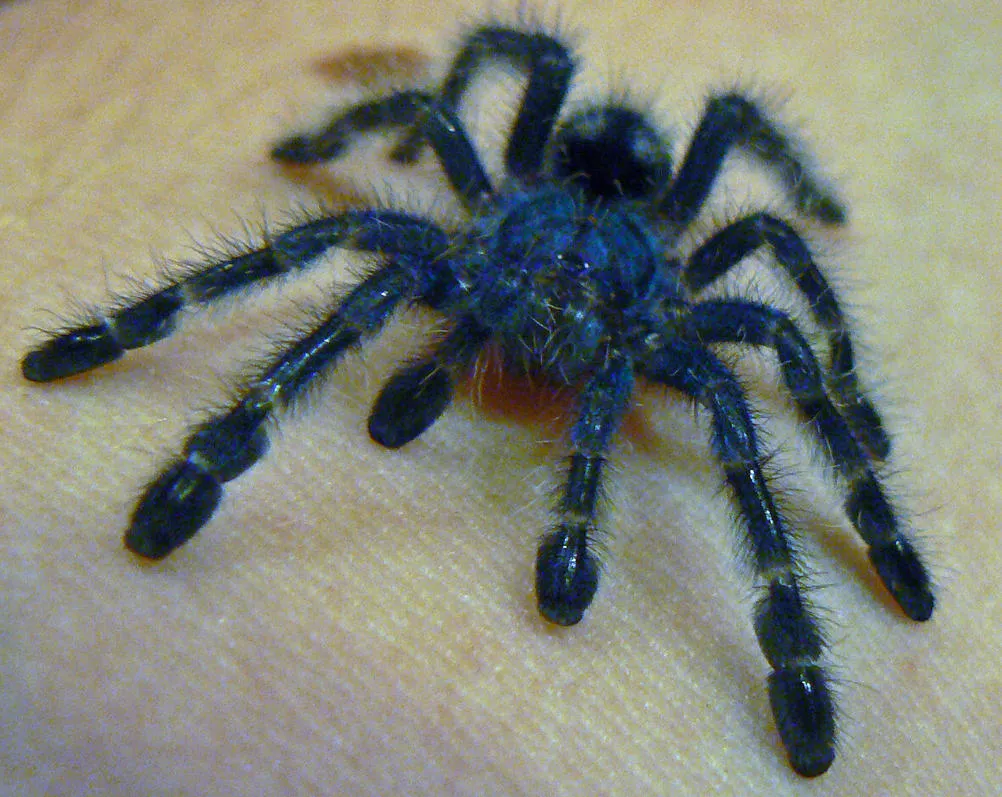
Understanding Baby Tarantula Kuning
Embarking on the journey of caring for a baby tarantula Kuning can be an incredibly rewarding experience. These captivating creatures, known for their unique beauty and relatively manageable care requirements, are becoming increasingly popular among pet enthusiasts. This comprehensive guide will provide you with all the necessary information to ensure your baby tarantula Kuning thrives. From setting up the perfect habitat to understanding their dietary needs and recognizing potential health issues, this guide will cover every aspect of baby tarantula Kuning care. Prepare to delve into the fascinating world of these arachnids and learn how to provide them with a comfortable, safe, and enriching life.
What is a Baby Tarantula Kuning?
The ‘Kuning’ tarantula, often referring to a specific color morph or a common name within the tarantula community, usually denotes a type of tarantula with striking yellow or golden coloration, particularly noticeable in the juvenile stages. Baby tarantulas, or spiderlings, are the juvenile stage of these fascinating creatures. They are smaller and more delicate than adult tarantulas, requiring specialized care to ensure their healthy development. These spiderlings are in a critical stage, where their environment and care directly impact their growth and overall well-being. Understanding the specific needs of a baby tarantula Kuning is crucial for providing the best possible care and allowing them to flourish into their adult form.
Origin and Habitat

The natural habitat of tarantulas plays a pivotal role in their care requirements. While the term “Kuning” might not specifically refer to a geographic location, the care principles for a baby tarantula Kuning are generally similar to those of other tropical tarantulas. These arachnids typically originate from warm, humid environments. Their natural habitats often include tropical rainforests, grasslands, or deserts. It is important to replicate these conditions in captivity to ensure the tarantula’s health and happiness. Replicating their natural environment is critical. This includes maintaining the correct temperature, humidity, and substrate to mimic their natural surroundings. These baby tarantulas are often found in burrows, under rocks, or among leaf litter, which provides them with shelter and security.
Setting Up the Perfect Habitat
Creating a suitable habitat is the first and most crucial step in caring for your baby tarantula Kuning. The enclosure should be appropriately sized, well-ventilated, and secure to prevent escapes. The environment must replicate the warmth and humidity of their natural habitat to ensure their health and well-being. Proper setup also includes selecting the correct substrate, providing hiding places, and maintaining the right temperature and humidity levels. This careful setup establishes a secure and comfortable home for your tarantula to thrive. The aim is to provide a stress-free environment, so the spider can grow, molt and live a long life. An ideal setup is key to a happy tarantula.
Choosing the Right Enclosure
For a baby tarantula Kuning, a smaller enclosure is preferable to prevent the spiderling from feeling overwhelmed. A clear plastic container or a small glass terrarium with secure ventilation is a good option. The enclosure should be at least twice the spiderling’s leg span in width and length, providing adequate space for movement and growth. Ensure the enclosure has a secure lid to prevent escapes and sufficient ventilation to maintain air quality. The choice of enclosure depends on the species’ growth rate. As the tarantula grows, you’ll need to upgrade the enclosure size. Consider the type of enclosure you choose carefully, ensuring it is appropriate for a baby tarantula and easy to maintain and observe your pet.
Substrate and Decor

The substrate, or bedding, in your baby tarantula Kuning’s enclosure should be carefully chosen to maintain humidity and provide a comfortable environment. A mix of peat moss, coconut fiber, and vermiculite is often recommended, as it retains moisture well and allows the tarantula to burrow if it chooses to. Adding a shallow water dish is essential for hydration, and providing a hide, such as a piece of cork bark or a hollow log, allows the tarantula to feel secure. Decorate the enclosure with artificial plants or other non-toxic items to enhance the environment. The type of substrate and decor is crucial to ensure the habitat provides the required environmental factors, and offers security, preventing stress.
Temperature and Humidity
Maintaining the correct temperature and humidity levels is vital for the health of your baby tarantula Kuning. The ideal temperature range is generally between 75-85°F (24-29°C). This can be achieved using a heat mat placed on the side of the enclosure, ensuring it doesn’t get too hot. Humidity should be kept between 60-70%. This can be achieved by misting the enclosure with water regularly, particularly the substrate, and ensuring good ventilation to prevent mold. Regular monitoring of temperature and humidity using a thermometer and hygrometer is crucial to maintain the correct environment. Incorrect temperatures and humidity levels can result in health issues. Using a thermometer and hygrometer are essential for any keeper.
Feeding Your Baby Tarantula Kuning
Feeding is a fundamental aspect of caring for a baby tarantula Kuning. Baby tarantulas have specific dietary needs that differ from those of adult tarantulas. Providing the correct food and feeding schedule ensures that the tarantula receives the nutrients it needs to grow and thrive. The diet should be tailored to the spiderling’s size and the stage of its development. The aim is to provide a balanced diet that supports the spider’s growth and overall health. Regular feeding and observation are essential for a thriving pet tarantula. It is important to research species-specific dietary preferences, as some tarantulas may have preferences for different insects.
What to Feed a Baby Tarantula Kuning

Baby tarantulas primarily eat small insects. Common food sources include flightless fruit flies, pinhead crickets, and small mealworms. The size of the prey should be appropriate for the tarantula’s size – the prey should be no larger than the tarantula’s abdomen. It’s crucial to gut-load the feeder insects before feeding them to the tarantula. This involves feeding the insects a nutritious diet, which helps to transfer essential vitamins and minerals to the tarantula. Gut-loading ensures that the tarantula receives a balanced and nutritious meal, and the right size prey is crucial to prevent injury or stress. Feeding your spiderling the correct insects provides the necessary nutrition.
Feeding Frequency and Amount
The feeding frequency for a baby tarantula Kuning depends on its size and growth rate. Generally, spiderlings should be fed 2-3 times a week. Observe the tarantula’s abdomen; if it appears plump, the spider is well-fed. If the tarantula refuses food, it might be preparing to molt. Remove uneaten food within 24 hours to prevent mold or mites. Overfeeding can lead to health problems, while underfeeding can stunt growth. The feeding schedule must be adjusted based on the tarantula’s activity level and appetite. Always provide fresh water, available at all times, regardless of the feeding frequency.
Water and Hydration
Hydration is essential for a baby tarantula Kuning’s health. Always provide a shallow water dish with fresh, clean water. Use a small bottle cap or a similar shallow container to prevent the tarantula from drowning. Change the water regularly to prevent bacterial growth. In addition to the water dish, misting the enclosure with water can help maintain humidity, which is also important for hydration, especially during molting. Proper hydration supports the tarantula’s overall well-being, and provides the moisture the tarantula needs to stay healthy. Ensure that the tarantula always has access to fresh water to prevent dehydration and support healthy molting.
Daily and Weekly Care

Daily and weekly care routines are essential to the health and well-being of your baby tarantula Kuning. Consistent care not only keeps your pet healthy but also allows you to monitor its behavior and identify potential problems. Daily checks and weekly cleaning are important parts of providing good care, and help ensure a long and healthy life for your pet. These steps will prevent issues and allow the tarantula to thrive.
Handling Your Baby Tarantula Kuning
Handling a baby tarantula Kuning is generally not recommended, especially for beginners. These spiderlings are delicate and can be easily injured. Handling can also be stressful for the tarantula, potentially leading to bites or defensive behaviors. When handling is necessary, do so very gently, and avoid any sudden movements. Always handle them close to the ground to minimize the risk of injury if the tarantula falls. Building trust takes time. Handling should be kept to a minimum. Always wash your hands before and after handling, and be aware of the tarantula’s body language.
When to Avoid Handling
Avoid handling your baby tarantula Kuning during and after molting. The exoskeleton is soft during this time, making the tarantula vulnerable to injury. Do not handle the tarantula if it appears stressed, or is displaying defensive behaviors. It is also best to avoid handling when the tarantula is eating or preparing to eat. Observe the tarantula’s behavior before attempting to handle it. This helps you understand the spider’s mood and avoid causing stress or injury. Recognizing these signs is key to the animal’s safety.
Signs of a Happy and Healthy Tarantula

A healthy baby tarantula Kuning will exhibit certain characteristics. The spider should be active and responsive, with a plump abdomen, indicating it is eating well. The tarantula should move around its enclosure, exploring and interacting with its environment. Its exoskeleton should be shiny and free of any deformities or injuries. Observe the tarantula’s feeding habits, activity levels, and overall appearance to assess its health. Regular observation is key to identifying any health issues. A happy tarantula is an active tarantula. It is important to create an environment where your tarantula is free from stress and able to thrive.
Potential Health Issues
Like all pets, baby tarantulas Kuning can be susceptible to health issues. Recognizing the signs of illness is crucial for providing prompt care. Some common problems include parasites, infections, and dehydration. Regularly inspect the tarantula and its enclosure for any signs of illness. The best way to ensure a healthy tarantula is to prevent issues through proper care. Prevention, early detection, and prompt treatment are essential for maintaining the health of your pet. If you notice any concerning symptoms, consult a veterinarian experienced in exotic animals.
Common Diseases and Prevention
Common diseases in tarantulas can often be prevented through good hygiene and proper husbandry. Preventative measures include maintaining a clean enclosure, providing fresh water, and gut-loading feeder insects. Avoid overcrowding and ensure appropriate temperature and humidity levels. Regular cleaning of the enclosure and removal of uneaten food can help prevent the spread of disease. Consult with an expert on tarantula care, if you have questions. Proper nutrition and maintaining a clean environment can help prevent many of the common diseases that affect tarantulas.
Molting Process Explained

Molting is a natural and essential process for tarantulas, during which they shed their exoskeletons to grow. Baby tarantulas molt frequently, sometimes every few weeks. The process can take several hours or even days, depending on the tarantula’s size and the environmental conditions. During molting, the tarantula will often stop eating and may lie on its back. Do not disturb the tarantula during this process. Providing a humid environment is particularly important during molting. After molting, the tarantula’s new exoskeleton will be soft; avoid handling the tarantula until it has hardened. The molt is a critical time for the tarantula’s growth, so maintaining the proper environment is essential.
Growing Up Stage
As your baby tarantula Kuning grows, its care requirements will change. Increase the size of the enclosure as needed. Adjust feeding frequency and prey size according to the spider’s growth rate. Continue to monitor temperature and humidity levels and make adjustments as necessary. As the tarantula matures, you may need to consider the needs of the adult stage. Always research the specific care requirements of the species, and provide for it accordingly. Watch your tarantula grow, and adjust your care accordingly. Over time, you will watch your tarantula flourish.
Final Thoughts on Caring for Baby Tarantula Kuning
Caring for a baby tarantula Kuning is a rewarding experience that requires dedication and attention to detail. By following this guide, you can provide your pet with a healthy and enriching life. Always prioritize the tarantula’s needs, and be prepared to adapt your care as your pet grows and matures. Research and learn as much as possible about the species. Remember, responsible pet ownership is key to ensuring the well-being of your baby tarantula Kuning. Your dedication will result in a fascinating pet, and you will create a special bond. Enjoy the journey of caring for these amazing creatures!