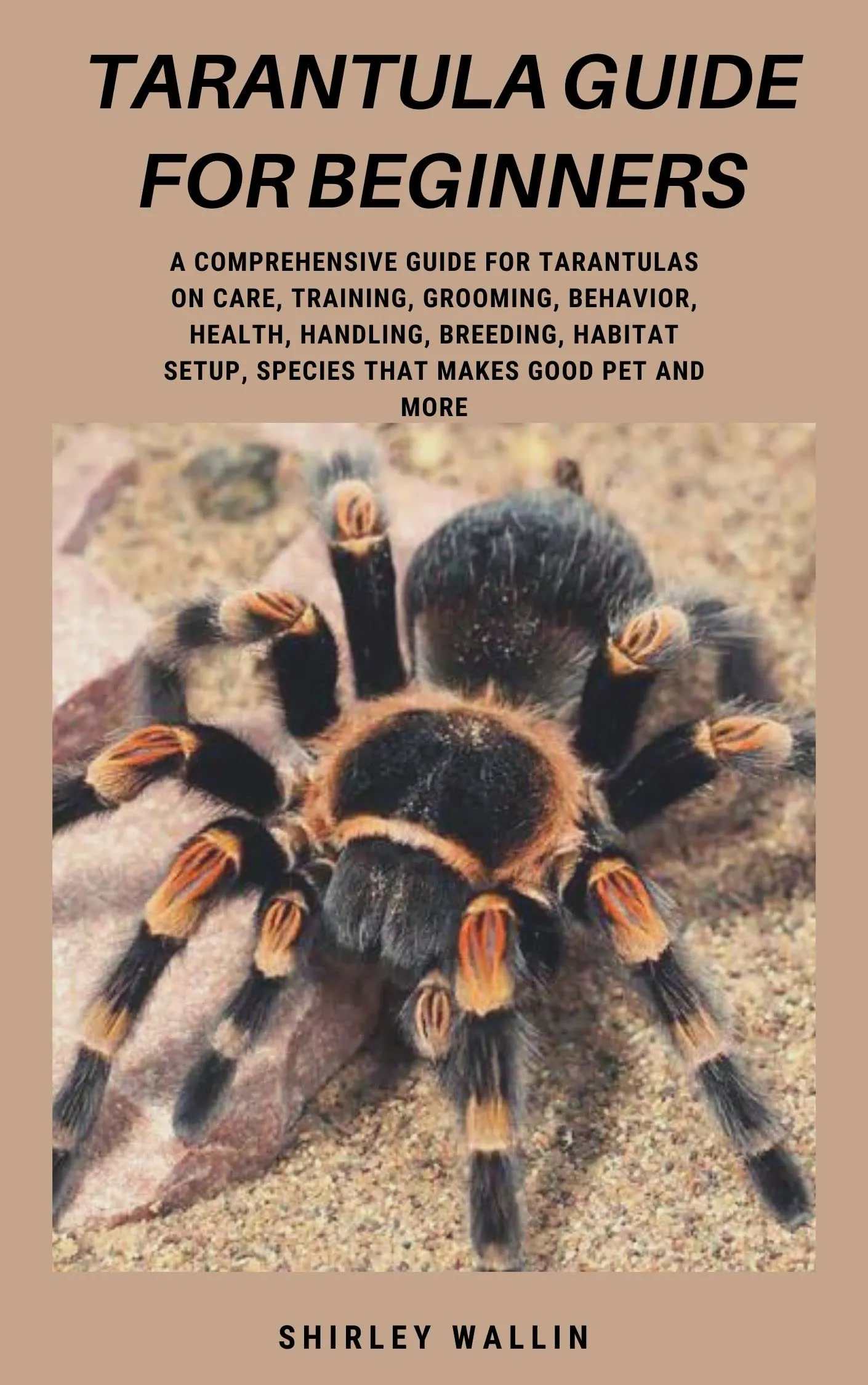
What Makes a Tarantula a Good Beginner Pet
Considering a tarantula as your first pet? Tarantulas, with their captivating appearance and relatively low-maintenance needs, can be a rewarding experience for beginners. However, not all tarantulas are created equal when it comes to being suitable pets. This guide will explore the key characteristics to look for in a beginner-friendly tarantula, helping you make an informed decision. From temperament and handling to habitat setup and care requirements, we’ll cover everything you need to know to ensure a successful and enjoyable tarantula-keeping experience. By understanding these factors, you can choose a tarantula that fits your lifestyle and provides you with the fascination and wonder of the arachnid world.
Temperament and Handling
Temperament is arguably the most crucial factor when selecting a beginner tarantula. Some species are naturally more docile and less prone to defensive behaviors, while others can be skittish or even aggressive. Understanding these temperamental differences will greatly influence your overall experience with your pet. A calm, docile tarantula is easier to care for and handle (if you choose to do so), making the initial learning curve much smoother. Careful observation of a tarantula’s behavior is essential, especially if handling is desired. It is important to remember that each tarantula has its unique personality, and even within a species, there can be variations in temperament.
Ideal Temperament Traits

Look for tarantulas known for their docile nature. These species are generally less likely to flick urticating hairs (tiny, irritating hairs) or bite when disturbed. A tarantula that is slow-moving and not easily startled is a good indicator of a calmer temperament. Species that are comfortable with their surroundings and show little aggression when approached or when their enclosure is cleaned are also ideal. Beginners should choose tarantulas that are more tolerant of occasional handling, as this can be a great way to bond with your pet. Ultimately, the best temperament is one that allows for peaceful observation and care, reducing stress for both the tarantula and the owner.
Avoid Tarantulas With These Traits
Avoid tarantulas known for their defensive behavior, such as those that readily flick urticating hairs or display aggressive postures. Species that are fast-moving and prone to bolting can be difficult to manage and may pose a safety risk. Tarantulas that are easily stressed or that hide constantly are also less suitable for beginners, as their behavior can be challenging to interpret. Aggressive species that readily bite should be avoided, as this could lead to unpleasant consequences. It’s important to understand the potential risks and choose a species that aligns with your comfort level and experience.
Handling Safety Tips
If you choose to handle your tarantula, approach it with caution and respect. Never force a tarantula to be handled; allow it to move onto your hand willingly. Always handle your tarantula over a soft surface, like a bed or a carpet, in case it falls. Wash your hands thoroughly before and after handling to prevent the spread of any potential irritants or diseases. Be aware of the tarantula’s body language and put it back in its enclosure if it shows signs of stress or defensiveness. Supervise children closely when interacting with a tarantula, and make sure they understand how to handle the pet safely. Never handle a tarantula if you are unsure about its temperament or behavior.
Best Beginner Tarantula Species

Several tarantula species are known for their suitability for beginners. These species typically have docile temperaments, are relatively easy to care for, and are readily available in the pet trade. Their resilience and low maintenance requirements make them excellent choices for those new to keeping tarantulas. When selecting a beginner tarantula, consider the species’ temperament, care needs, and availability. Each species offers a unique experience, but their shared traits of docility and adaptability make them perfect for novices. Careful research and consideration will allow you to choose a species that provides a rewarding and fulfilling experience.
The Chilean Rose Hair Tarantula
The Chilean Rose Hair (Grammostola rosea) is one of the most popular beginner tarantulas. These tarantulas are known for their docile temperament and slow movements, making them easy to observe and handle. They are generally tolerant of handling, which can be a plus for those who enjoy interacting with their pets. Their relatively low maintenance needs, including simple habitat requirements and a moderate appetite, make them ideal for those new to tarantula keeping. The Chilean Rose Hair’s gentle nature and adaptability make it a great starting point for tarantula enthusiasts.
Appearance and Characteristics
Chilean Rose Hair tarantulas have a distinctive appearance, with a reddish-brown coloration and a hairy body. Their size ranges from 5 to 6 inches in leg span when fully grown. They have a long lifespan, often living for 10 to 20 years, providing long-term companionship for their owners. These tarantulas are known for their calm behavior and are less likely to display defensive postures. Their appearance is attractive, and their slow movements make them a fascinating pet to observe. They are an excellent choice for beginners due to their manageable size, coloration and peaceful nature.
Care Requirements

Caring for a Chilean Rose Hair tarantula is straightforward. They require a moderately sized enclosure with a substrate like coconut fiber or peat moss. Maintaining a temperature between 70°F and 80°F is essential. Feeding consists of insects like crickets or mealworms, offered once or twice a week. Providing a shallow water dish for hydration is also necessary. Handling should be done carefully, and their enclosure should be cleaned regularly to maintain a healthy environment. These simple care requirements make the Chilean Rose Hair tarantula a low-maintenance pet, perfect for those new to tarantula keeping.
The Pinktoe Tarantula
The Pinktoe Tarantula (Avicularia avicularia) is another excellent option for beginners. These tarantulas are known for their arboreal lifestyle, which means they live in trees. They are beautiful, with their distinctive pink toe pads and vibrant coloration. Pinktoes are generally docile and not overly defensive, although they can be skittish. Their care needs are relatively simple, making them a good choice for beginners who enjoy a touch of color and a unique lifestyle. This species is interesting and rewarding, offering a different experience from the more terrestrial species.
Appearance and Characteristics
Pinktoe tarantulas feature a striking appearance, with a dark body and vibrant pink toe pads. Their size typically reaches up to 5 inches in leg span. These tarantulas are arboreal, which means they prefer to live in trees or elevated spaces. They have a more delicate build than some of the terrestrial species, and their behavior is often more active, making them interesting to watch. Their overall aesthetics and arboreal lifestyle distinguish them from other beginner tarantulas.
Care Requirements

Caring for a Pinktoe tarantula involves creating an arboreal habitat. They require a tall enclosure with plenty of climbing structures, such as branches or cork bark. Maintaining a temperature between 75°F and 85°F and high humidity levels is essential. Feeding consists of insects offered once or twice a week. Providing a water dish is important, and regular misting is necessary to maintain humidity. Their care requirements are slightly different from terrestrial species, but still manageable for beginners who want an engaging pet.
The Curly Hair Tarantula
The Curly Hair Tarantula (Tliltocatl albopilosus), is known for its docile temperament and distinctive appearance. These tarantulas are a great choice for beginners due to their calm nature and low maintenance requirements. They are generally slow-moving and are not overly defensive, making them easy to observe. Their care is similar to the Chilean Rose Hair, making them a good choice for those new to keeping tarantulas. Their unique appearance and manageable care needs make them a popular choice among beginners.
Appearance and Characteristics
Curly Hair tarantulas have a beautiful appearance, with dark brown bodies and curly hairs that give them a unique look. They grow to a size of about 5 to 6 inches in leg span. They are known for their calm temperament and are less likely to display defensive behaviors. They also have a relatively long lifespan, making them a rewarding pet for beginners. Their curly hairs set them apart from other tarantula species, adding to their visual appeal.
Care Requirements

Caring for a Curly Hair tarantula is straightforward. They require a moderately sized enclosure with a substrate such as coconut fiber or peat moss. Maintaining a temperature between 70°F and 80°F is generally sufficient. Feeding involves offering insects such as crickets or mealworms once or twice a week. Providing a shallow water dish for hydration is necessary. These easy care requirements make the Curly Hair tarantula an accessible pet for those new to tarantula keeping. This tarantula’s straightforward needs make it perfect for those with minimal experience.
Tarantula Habitat Setup for Beginners
Setting up the right habitat is crucial for your beginner tarantula’s well-being. The habitat provides the tarantula with a safe and comfortable environment, allowing it to thrive. The key aspects to consider include enclosure size and type, substrate and decoration, and temperature and humidity. Correct setup reduces stress and promotes healthy development, as well as makes your pet’s environment easier to maintain. Proper habitat setup creates the best environment for your tarantula to live in, making the experience much more enjoyable for both you and your pet.
Enclosure Size and Type
The enclosure size should be appropriate for the tarantula’s size. For most beginner species, a 5 to 10-gallon tank or a similarly sized plastic container is suitable. The enclosure should be escape-proof, with a secure lid. Ensure the enclosure provides enough floor space for terrestrial species or vertical space for arboreal species. Proper ventilation is essential to prevent mold and maintain air quality. It’s important to choose an enclosure that allows for the tarantula to thrive and be comfortable in its new home. Always consider the adult size of the tarantula when choosing an enclosure.
Substrate and Decoration

The substrate should be non-toxic and capable of retaining moisture. Coconut fiber, peat moss, or a mixture of both are common choices. The substrate should be deep enough to allow the tarantula to burrow if it is a terrestrial species. Add decorations such as cork bark, artificial plants, or hides to provide hiding places and enrich the environment. The decorations also contribute to humidity. The goal is to create an enclosure that provides your tarantula with a comfortable and stimulating environment. Make sure your substrate is clean, and you replace the substrate regularly to maintain good hygiene.
Temperature and Humidity
Maintain the correct temperature and humidity levels to ensure your tarantula’s health. Most species thrive in temperatures between 70°F and 80°F. Use a heat lamp or a heat mat if necessary, but always monitor the temperature to avoid overheating. Humidity levels vary depending on the species. Use a hygrometer to measure humidity levels and mist the enclosure with water as needed. Avoid extreme fluctuations in temperature or humidity. These factors are vital for the molting process and overall well-being of your tarantula. Providing the proper environmental conditions is critical to the health and longevity of your pet tarantula.
Feeding and Watering Your Tarantula
Feeding and watering your tarantula properly are essential aspects of their care, directly impacting their health and longevity. Understanding their dietary needs and hydration requirements will ensure they thrive. Providing a balanced diet and adequate water supply will promote healthy growth and molting. This will also improve the overall quality of life for your pet. A well-fed and hydrated tarantula is a healthy and happy tarantula.
What to Feed Your Tarantula
Tarantulas are primarily insectivores, so their diet should consist mainly of insects. Crickets, mealworms, and roaches are popular choices. The size of the insects should be appropriate for the tarantula’s size; the prey should be no larger than the tarantula’s abdomen. It is important to gut-load insects before feeding them to your tarantula. You can do this by feeding the insects nutritious foods. Remove uneaten prey within 24 hours to prevent stress and disease. Always provide a variety of insects to provide a balanced diet. Freshly molted tarantulas do not usually eat.
Watering Frequency
Provide your tarantula with a shallow water dish that is always filled with fresh water. The water dish is especially important for arid species. Regularly check and refill the water dish, cleaning it to prevent bacterial growth. For certain species, misting the enclosure with water can help to maintain humidity. Ensure that your tarantula has access to water at all times. A water dish is a necessity for healthy hydration. Adequate water availability is key to your tarantula’s health and well-being.
Tarantula Health and Common Issues
Knowing how to recognize and address common tarantula health issues is crucial for providing proper care. Observing your tarantula regularly will help you identify any potential problems early on, improving the chances of successful treatment. From understanding the molting process to identifying common health concerns, you can ensure your tarantula lives a long and healthy life. This knowledge will enable you to respond effectively to any health challenges your tarantula might face.
Moulting Process
Moulting is a natural process where the tarantula sheds its exoskeleton. It is essential for growth and health. Before moulting, the tarantula may stop eating and may appear lethargic. Provide a safe and undisturbed environment during moulting. Avoid disturbing the tarantula during the process, as this can be stressful. The tarantula will typically lie on its back. After moulting, the tarantula is vulnerable; do not feed it for a few days until its fangs harden. Understanding the molting process helps you support your pet’s natural biological cycle.
Common Health Problems
Common health problems include dehydration, parasites, and fungal infections. Signs of dehydration include a wrinkled abdomen. Ensure your tarantula has constant access to fresh water and maintain appropriate humidity levels. Parasites are uncommon in captive-bred tarantulas. Inspect your tarantula regularly for any signs of infection or disease. Fungal infections can occur if the enclosure is too humid or dirty. Clean your enclosure regularly and provide proper ventilation. If you notice any health issues, consult an experienced tarantula keeper or a veterinarian who specializes in exotic animals.
Where to Buy a Beginner Tarantula
Selecting a reputable source is vital when purchasing a beginner tarantula. Reputable breeders and pet stores often provide healthy tarantulas with accurate species information and helpful care advice. Research potential vendors online and read reviews. Inspect the tarantula for any signs of illness or injury before purchasing. Always ask about the tarantula’s origin and feeding history. This approach can help guarantee a safe and positive experience. Choosing a reputable seller is important for the well-being of your new pet.
Bringing a tarantula home can be a rewarding experience. With the right knowledge, preparation, and care, you can provide your pet with a healthy and stimulating life. Remember to research different species, choose a docile species, create an appropriate habitat, and maintain proper feeding and watering routines. By following these guidelines, you will be well on your way to enjoying the unique and fascinating world of tarantula keeping. Enjoy the experience of caring for your new pet!