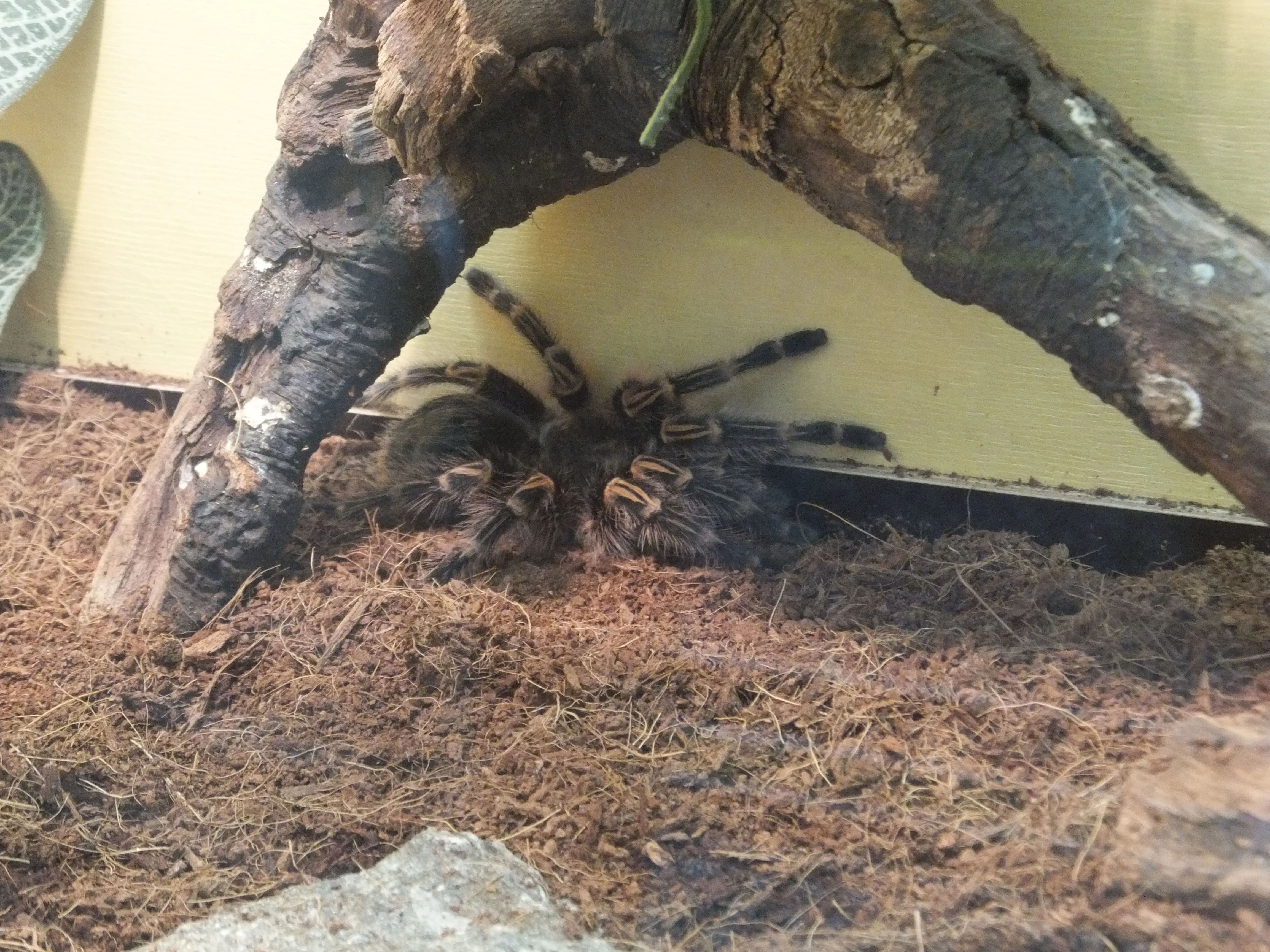
Why Choose a Tarantula as a Pet
Tarantulas have gained popularity as pets for several compelling reasons. They are relatively low-maintenance compared to many other pets, requiring less direct interaction and attention. This makes them ideal for individuals with busy lifestyles or those who prefer a more hands-off approach to pet ownership. Additionally, tarantulas are fascinating creatures to observe, with their unique behaviors and appearances providing endless opportunities for intrigue and learning. Their exoskeletons, molting process, and hunting strategies offer a glimpse into the wonders of the natural world, captivating both children and adults alike. Moreover, tarantulas come in a wide variety of species, each with its own distinct characteristics, colors, and sizes, allowing potential owners to choose a pet that perfectly matches their preferences and available space.
Easy to Care For, Yet Intriguing
The appeal of tarantulas lies in their fascinating nature and the ease with which they can be cared for. They don’t demand the same level of constant attention as dogs or cats. A well-maintained enclosure, regular feeding, and fresh water are generally all that is needed to keep them healthy and thriving. This makes them a practical option for people with limited time. The intrigue stems from their unique biology and behaviors. Watching a tarantula hunt, molt, or simply explore its enclosure can be a captivating experience. Their relatively long lifespans also provide a long-term companionship, offering a sense of stability that many pet owners find appealing. Furthermore, the variety of species available allows for personalization, with different colors, sizes, and temperaments to match individual preferences. These factors combine to create a pet that is both accessible and endlessly interesting.
Top 5 Best Pet Tarantulas

Choosing the perfect pet tarantula requires careful consideration of factors like temperament, size, and care requirements. Here are five of the best pet tarantulas, each with its unique advantages and appeal, helping you to find the perfect match for your lifestyle and preferences. This curated selection ensures you have a range of options to choose from, whether you are a seasoned arachnid enthusiast or a newcomer to the world of tarantulas. The selections prioritize species known for their docile nature, ease of care, and stunning appearances, offering a balanced blend of beauty and practicality. By focusing on these specific tarantula breeds, you can minimize the learning curve and maximize your enjoyment of this extraordinary hobby, setting the stage for a rewarding experience in tarantula ownership.
The Chilean Rose Hair Tarantula
The Chilean Rose Hair tarantula (Grammostola rosea) is a classic choice for beginners. This species is known for its docile temperament and relatively slow movements, making it less likely to startle or bite. Their calm nature makes them a safe option, even for those new to tarantula keeping, reducing anxiety for the pet owner. The Chilean Rose Hair is also a hardy species, adaptable to a range of environmental conditions, making it easier to maintain their habitat. Their care requirements are straightforward, which typically involves a secure enclosure, appropriate substrate, and access to fresh water. Their gentle temperament and ease of care provide an enjoyable and rewarding experience, making them one of the most popular pet tarantulas in the world. This species offers a gentle introduction to the world of tarantula ownership.
Calm Temperament and Hardiness
The Chilean Rose Hair’s calm temperament is a significant advantage for new owners. Their docile nature reduces stress for both the tarantula and the keeper. This species is less likely to exhibit defensive behaviors, like biting or flicking urticating hairs, making interaction with the tarantula safer. Moreover, the hardiness of the Chilean Rose Hair contributes to its appeal. They can tolerate slight fluctuations in temperature and humidity, making them more forgiving of minor care errors. This resilience is a boon for beginners who are still learning the intricacies of tarantula care. The combination of a calm demeanor and adaptability makes the Chilean Rose Hair a reliable and less intimidating pet. This means that new owners can learn and adjust to tarantula keeping without undue pressure, promoting a positive and rewarding ownership experience.
The Costa Rican Zebra Tarantula

The Costa Rican Zebra Tarantula (Aphonopelma seemanni) earns its name from the striking black and white stripes on its legs. This species offers a visually stunning addition to any collection, immediately drawing the eye with its unique pattern. The contrast between the dark and light bands creates a dramatic effect that makes it a favorite among enthusiasts. They also exhibit a relatively calm demeanor, though they can be more skittish than the Chilean Rose Hair. They are generally less aggressive and more willing to retreat than to attack. They require a moderate humidity level and an enclosure with plenty of substrate for burrowing. This tarantula species provides both visual appeal and an engaging experience for any owner.
Striking Appearance
The Costa Rican Zebra Tarantula is immediately recognizable because of its striking appearance. The contrasting black and white stripes provide a distinctive look that sets it apart from other tarantula species. This visual appeal is a major draw for owners who appreciate the beauty of arachnids and want a pet that’s aesthetically pleasing. Its patterned legs stand out against the backdrop of its enclosure, providing a visual focal point that adds to the overall aesthetic value of a display. This visual appeal combined with manageable care makes the Costa Rican Zebra Tarantula an attractive option. For those who want a visually stunning pet, this tarantula offers a unique blend of beauty and practicality.
The Pinktoe Tarantula
The Pinktoe Tarantula (Avicularia avicularia) stands out due to its arboreal nature and beautiful coloration. These tarantulas are known for their soft, pastel colors, ranging from gray to green and the characteristic pink tips on their toes. This species prefers to live in trees or elevated structures and should be housed in a vertical terrarium. Their care is moderate, requiring regular misting to maintain appropriate humidity. They are generally docile, although they can be quick and may jump if startled. The combination of beauty, interesting behavior, and relatively straightforward care makes the Pinktoe a popular choice for intermediate keepers looking for a more visually distinctive pet. Their arboreal lifestyle adds an interesting element to the hobby, showcasing their natural behaviors in a captivating manner.
Arboreal Beauty and Gentle Nature

The Pinktoe Tarantula’s arboreal lifestyle makes it an attractive pet. Their need for vertical space results in a more dynamic enclosure setup, which allows for a closer look at their unique behaviors. The beautiful color variations, with the pink tips on their toes, add an aesthetic appeal that few other species can match. These tarantulas are usually gentle, making them less likely to bite or display defensive behaviors. Their temperament, combined with their beautiful appearance and interesting lifestyle, makes them a great choice for keepers. For those who appreciate beauty and interesting behaviors, the Pinktoe Tarantula offers a rewarding pet ownership experience.
The Mexican Red Knee Tarantula
The Mexican Red Knee Tarantula (Brachypelma hamorii) is a classic and highly sought-after species for pet owners. Its striking appearance is the result of the distinctive red-orange bands on its leg joints, contrasting with the black coloration of its carapace and legs. This species tends to be docile and slow-moving, which makes it relatively easy to handle and observe. The Red Knee is also a long-lived species, offering many years of companionship. Their care requirements are similar to those of the Chilean Rose Hair, which includes a terrestrial setup with appropriate substrate and humidity levels. The combination of their impressive size, striking coloration, and docile temperament makes the Mexican Red Knee a popular choice for both beginners and experienced keepers alike.
Impressive Size and Docile Behavior
The Mexican Red Knee Tarantula’s impressive size is a notable feature, with females often reaching a leg span of up to six inches. This larger size makes them a dramatic and eye-catching pet, providing a strong visual impact. The Red Knee is known for its docile temperament, which makes them handleable and less prone to defensive behavior. They are typically slow-moving and not quick to react, reducing the risk of bites or defensive displays. The Red Knee Tarantula’s combination of size and gentleness makes it an excellent choice for those who want a tarantula they can observe with ease. The species is a good choice for those who want a pet with a strong presence and a calm demeanor, providing an engaging experience for the owner.
The Curly Hair Tarantula

The Curly Hair Tarantula (Tliltocatl albopilosus) is a hardy and adaptable species. Their appearance is distinguished by the unique light brown hairs that cover their body, creating a curly effect. The Curly Hair is known for its gentle nature and tolerance for a wide range of environmental conditions. They are a good option for novice keepers due to their low maintenance requirements. Their care involves a basic terrestrial setup with a moderate amount of humidity and proper substrate for burrowing. They are generally slow-moving and not prone to aggression. This makes them a good option for owners who want a pet that is easy to care for, visually interesting, and not prone to biting. They are also known for their hardiness and ability to thrive in a variety of environments.
Unique Appearance and Adaptability
The Curly Hair Tarantula is characterized by its distinctive appearance. The unique curly hairs give it a soft, fuzzy appearance that sets it apart from other species. This unique look is a major draw for many enthusiasts who appreciate its beauty. The Curly Hair Tarantula’s adaptability is another advantage. They can tolerate a wide range of temperatures and humidity levels. This flexibility makes them easier to care for, reducing the risk of environmental-related issues. The combination of unique looks and adaptability makes the Curly Hair Tarantula an attractive choice for pet owners. For those seeking a low-maintenance and beautiful pet, this species offers a rewarding tarantula keeping experience.
Essential Tarantula Care Tips
Habitat Setup for Your Tarantula

Setting up a proper habitat for your tarantula is crucial for its health and well-being. The enclosure should be appropriately sized for the species, with terrestrial species requiring more floor space and arboreal species needing more vertical height. Choose a secure enclosure, such as a glass terrarium or a plastic container. The enclosure must have a secure lid. Provide a suitable substrate, such as a mixture of coco fiber, peat moss, or vermiculite, to retain humidity and allow the tarantula to burrow. Include a water dish with fresh water and provide hides, such as cork bark or artificial plants, for security. Maintaining the proper temperature and humidity levels is essential, so use a thermometer and hygrometer to monitor the environment. Regularly clean the enclosure by removing uneaten food and fecal matter to keep the habitat sanitary. By providing a well-designed habitat, you create a comfortable environment that promotes the tarantula’s well-being.
Feeding Your Tarantula
Feeding your tarantula is another important aspect of their care. The diet of a tarantula mainly consists of insects, such as crickets, mealworms, and roaches. The size and type of insects you feed should be appropriate for the tarantula’s size. Young tarantulas need smaller prey and may be fed more frequently. Feeding frequency depends on the species and the tarantula’s age, but generally, adults are fed once or twice a week. Remove any uneaten prey within 24 hours to prevent stress and potential harm to the tarantula. Ensure the prey insects are gut-loaded with nutritious food before feeding them to your tarantula, as this will improve its overall nutrition. Providing fresh water at all times is essential. By ensuring proper nutrition and monitoring your tarantula’s feeding habits, you can maintain a healthy and thriving pet.
Handling and Safety Precautions
Handling tarantulas should be approached with caution and is generally not recommended, particularly for beginners. Tarantulas can be easily startled, leading to defensive behaviors such as biting or flicking urticating hairs. If you must handle your tarantula, do so slowly and gently, and always be prepared for a sudden movement. Avoid handling if your tarantula is about to molt or has just molted, as they are more vulnerable during these times. If you are bitten, clean the wound thoroughly and seek medical attention if necessary, as bites can be painful and cause localized reactions. When cleaning the enclosure, wear gloves and a mask to protect yourself from urticating hairs, which can cause skin irritation. Keep the enclosure secure and out of reach of children and pets to prevent accidents. By being cautious and practicing safety, you can minimize risks and ensure your and your tarantula’s well-being.
Conclusion

Choosing the best pet tarantula involves careful consideration, research, and a commitment to responsible pet ownership. Selecting the right species means considering factors like temperament, size, and care requirements. By understanding the different species available, you can make an informed decision. Providing a proper habitat, feeding regularly, and practicing safety precautions are essential for the well-being of your tarantula. Remember that owning a tarantula is a long-term commitment that provides the opportunity to learn more about these fascinating creatures. With proper care and attention, you can create a rewarding and enriching experience for both you and your new pet, fostering a deeper understanding and appreciation for the natural world. Enjoy the journey of tarantula ownership, and remember to prioritize the health and happiness of your amazing arachnid companion.