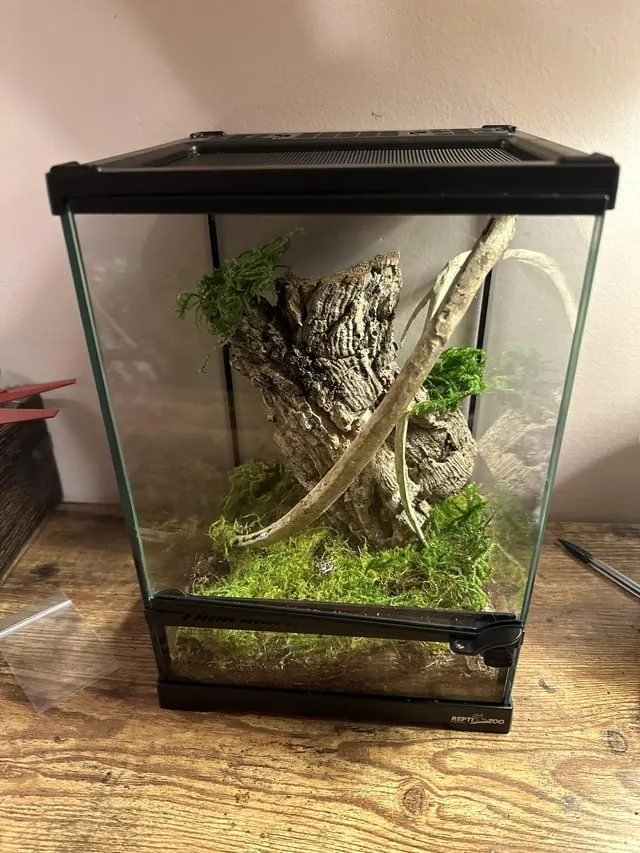
Choosing the Best Tarantula Enclosure
Setting up a tarantula enclosure is an exciting process, but it’s crucial to do it right to ensure your eight-legged friend thrives. The best tarantula enclosure provides a safe, comfortable, and stimulating environment. This guide will cover the essential aspects of creating the perfect habitat for your tarantula, from choosing the right size and materials to maintaining optimal humidity and providing enriching furnishings. By following these 5 tips, you can create an enclosure that mimics the tarantula’s natural habitat, promoting its health and well-being for years to come.
Enclosure Size Matters
The size of your tarantula enclosure is paramount to its comfort and well-being. A properly sized enclosure allows your tarantula to move around, hunt, and establish a comfortable territory. Too small, and your tarantula will be cramped and stressed; too large, and it may feel insecure and have difficulty finding food. The general rule is to provide an enclosure that is at least twice the tarantula’s leg span in width and length. Height is also important, especially for arboreal species, which need space to climb and create webs. Always consider the adult size of the species you are keeping when choosing an enclosure, as a juvenile will quickly outgrow its initial home.
Considering the Tarantula’s Species

Different tarantula species have varying needs. Terrestrial tarantulas, which live on the ground, typically require more floor space. Arboreal species, which live in trees, need a taller enclosure with climbing opportunities. Burrowing species need a deep substrate to dig and create a burrow. Researching your specific tarantula’s needs is the first step. Consider the species’ natural habitat, as this will guide your choice of enclosure size, substrate, humidity, and furnishings. Some species are more prone to stress or require specific temperature gradients. Understanding these nuances ensures you create a tailored environment for your tarantula.
Providing Adequate Ventilation
Proper ventilation is critical for the health of your tarantula and the prevention of mold and mildew. Good airflow helps regulate humidity levels and prevents the buildup of harmful gases. A poorly ventilated enclosure can lead to respiratory problems and even the death of your tarantula. The enclosure should have ventilation holes or a screen top. Avoid completely sealed enclosures, as they trap moisture and can create an unhealthy environment. The amount of ventilation needed depends on the species and the humidity requirements. Always monitor the enclosure’s conditions to ensure optimal air circulation.
The Importance of Ventilation
Ventilation isn’t just about fresh air; it’s about creating a balanced ecosystem within the enclosure. Air circulation helps prevent the buildup of ammonia from waste, which can be toxic. It also minimizes the risk of fungal growth, which thrives in stagnant, humid environments. Good ventilation supports healthy molting by ensuring the proper drying of the exoskeleton. Proper ventilation contributes directly to the overall health and longevity of your tarantula, making it a non-negotiable aspect of the enclosure setup.
Maintaining the Right Humidity Levels

Humidity is another crucial factor in tarantula care. The required humidity level varies depending on the species. Many tropical tarantulas require higher humidity, while others from drier climates prefer lower humidity. Improper humidity can cause molting problems, dehydration, or respiratory infections. You can measure humidity using a hygrometer, which is an essential tool for monitoring the enclosure’s environment. Regularly mist the enclosure with water, and adjust the ventilation to achieve the correct humidity range for your specific tarantula species. Provide a water dish for drinking and to help maintain humidity.
Methods for Humidity Control
Several methods help maintain the right humidity. Misting the enclosure with a spray bottle is a common practice, but avoid oversaturating the substrate, which can lead to mold. The substrate itself can contribute to humidity; some substrates retain moisture better than others. Placing a water dish in the enclosure is essential, as the water evaporates and adds humidity to the air. Covering part of the enclosure’s top can help retain moisture. Adjusting ventilation also plays a key role; reducing airflow increases humidity and increasing airflow reduces humidity. The right balance will keep your tarantula healthy.
Substrate Selection for Your Tarantula
The substrate is the bedding material at the bottom of the enclosure and serves several important functions. It provides a comfortable surface for your tarantula to walk and live on, helps maintain humidity, and provides a medium for burrowing species. The substrate should be non-toxic, absorbent, and free of pesticides. Avoid substrates that can mold easily or harbor mites. The depth of the substrate depends on the species; burrowing tarantulas need a deep substrate to create their burrows, while other species may prefer a shallower layer.
Popular Substrate Choices

Some of the most popular substrate choices include coconut fiber (coir), peat moss, sphagnum moss, and vermiculite. Coconut fiber is an excellent choice, as it retains moisture well, is resistant to mold, and is readily available. Peat moss is another good option, but it can be slightly acidic, so it’s best to mix it with other substrates. Sphagnum moss is useful for maintaining humidity in specific areas, and vermiculite can be added to increase moisture retention. Always research the best substrate for your tarantula species before making a selection.
Furnishing the Tarantula Enclosure
Furnishings provide enrichment and a sense of security for your tarantula. They also help replicate its natural habitat. The type of furnishings you use will depend on the species of tarantula and its specific needs. Provide a hide, such as a piece of cork bark, a half log, or a manufactured hide, to give your tarantula a place to retreat and feel safe. Also, include a water dish of appropriate size and a shallow feeding dish if you use one. Avoid using sharp objects or anything that could potentially harm your tarantula during molting.
Essential Decorations and Hiding Places
Hides are essential; tarantulas are often shy creatures and need a secure place to retreat. Cork bark is a common and effective option. Artificial plants can add to the aesthetic and provide additional cover. Make sure any decorations are stable and won’t fall on the tarantula. Place the hide in a location that allows the tarantula to feel secure. The goal is to provide a habitat that mimics its natural environment. Arrange the furnishings in a way that provides a variety of textures and spaces for exploration and hiding, promoting your tarantula’s well-being.
Feeding and Watering Your Tarantula

Feeding and watering are fundamental aspects of tarantula care. The frequency of feeding depends on the tarantula’s age, species, and metabolism. Generally, younger tarantulas need to be fed more often than adults. Crickets, roaches, and mealworms are common food sources. Remove any uneaten food after 24 hours to prevent mold and mites. Always provide fresh, clean water in a shallow dish, especially for smaller species. Avoid overfeeding, which can lead to health problems. Monitor your tarantula’s abdomen; if it appears too large, reduce the feeding frequency.
Water and Food Placement
The placement of food and water is essential. Place the water dish in a location where the tarantula can easily access it. Position the food in a spot that makes it easy for the tarantula to find it. Avoid placing food directly under the hide, as this can attract mites or cause the tarantula to feel insecure. The size and shape of the dishes should be appropriate for the size of the tarantula. Proper food and water placement promotes healthy eating habits and hydration, contributing to the overall health of your tarantula. Regularly clean the water dish to maintain its cleanliness.
By following these five tips, you can create an enclosure that provides a safe, comfortable, and stimulating environment for your tarantula. Careful consideration of these aspects ensures that your tarantula thrives and lives a long, healthy life. Creating the perfect habitat is a rewarding experience that allows you to appreciate the unique beauty of these fascinating creatures. Remember that consistent care and observation are crucial for the well-being of your pet.