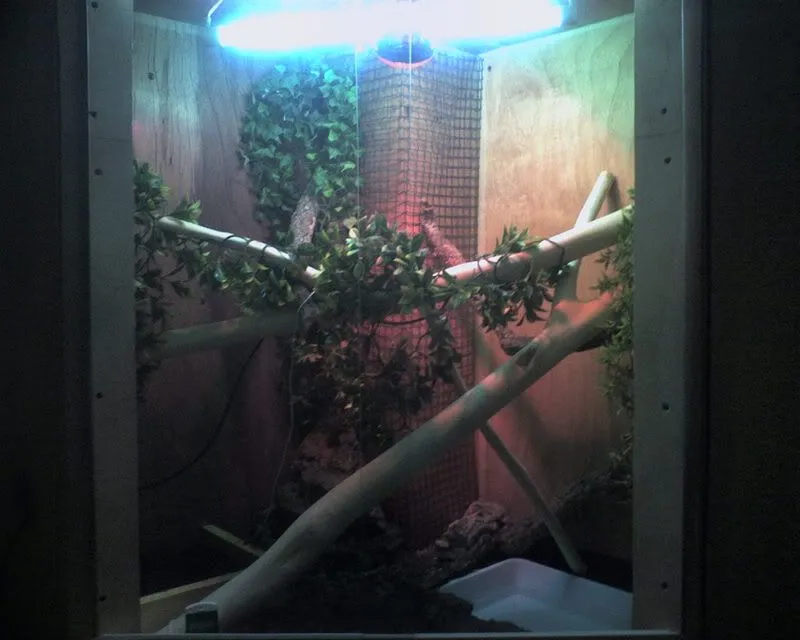
Choosing the Best Tarantula Enclosure
Creating the perfect habitat for your tarantula is crucial for its health, happiness, and longevity. A well-chosen enclosure provides security, regulates environmental conditions, and allows you to observe your fascinating pet. This guide will help you navigate the many options available and choose the best tarantula enclosure for your specific needs. From understanding size requirements to selecting the right materials and features, we’ll cover everything you need to know to create a thriving home for your eight-legged friend. The ultimate goal is to replicate the natural environment as closely as possible, providing the tarantula with what it needs to thrive.
Enclosure Size Considerations
The size of your tarantula enclosure is paramount. A space that is too small will restrict your tarantula’s movement and potentially stress it, while a space that is too large can make it difficult for the tarantula to find food and feel secure. The ideal enclosure size depends on the tarantula species and its growth stage. It’s essential to understand these factors before making a purchase. There are a few key factors to consider when determining the correct size of an enclosure, including the species of tarantula, its size, and its growth stage.
Tarantula Species and Size

Different tarantula species vary greatly in size, ranging from small, arboreal species to large, terrestrial giants. Research the adult size of your specific tarantula species. A general rule of thumb is to provide an enclosure that is at least twice the tarantula’s leg span in width and length. The height is also important, especially for arboreal species, which need space to climb and molt. For example, a large terrestrial tarantula, like a G. pulchra, will need a larger enclosure than a smaller arboreal species, like an Avicularia avicularia. Always prioritize the species’ size when determining the minimum dimensions of the habitat to avoid potential issues with the spider’s well-being. (Image: tarantula-species-size.webp)
Growth Stage of Your Tarantula
Juvenile tarantulas require smaller enclosures than adults, primarily because they can feel overwhelmed and stressed in excessively large spaces. As your tarantula grows, you will need to upgrade its enclosure. Monitor your tarantula’s size and molting frequency to determine when it’s time for an upgrade. A good approach is to move them to a slightly larger enclosure after each molt. Providing appropriately sized housing at each growth stage ensures the tarantula feels secure and is able to hunt effectively. This helps in reducing stress and contributes to a healthier life.
Enclosure Material Options
The material of your tarantula enclosure influences ventilation, humidity control, and your ability to observe your pet. There are three primary materials to consider glass, acrylic, and plastic. Each material offers its own advantages and disadvantages, so your choice will depend on your preferences and the specific needs of your tarantula. The ultimate goal is to provide the best possible living conditions for your spider, and the material selection plays a significant role in achieving that goal. It’s important to consider all factors before making a decision.
Glass Terrariums

Glass terrariums are a popular choice due to their transparency, allowing for excellent viewing of your tarantula. They are durable, easy to clean, and come in a variety of sizes and styles. However, glass can be heavy, and it doesn’t insulate as well as other materials, potentially leading to fluctuations in temperature and humidity. Ensure adequate ventilation is provided. If you live in a very dry environment, you might need to mist more frequently to maintain the correct humidity levels. Consider a terrarium with a secure lid to prevent escapes. (Image: glass-terrarium.webp)
Acrylic Enclosures
Acrylic enclosures are lightweight, highly transparent, and offer excellent insulation. They are also more resistant to breakage than glass, which makes them a good option if you have other pets or young children. Acrylic is prone to scratching. They are generally more expensive than glass. Acrylic enclosures often come with pre-drilled ventilation holes, simplifying setup. Carefully choose a tank with a secure lid. (Image: acrylic-enclosure.webp)
Plastic Containers
Plastic containers, such as storage bins or specialized reptile enclosures, are often the most budget-friendly option. They are lightweight, durable, and readily available. They might not be as aesthetically pleasing as glass or acrylic. Ensure there is adequate ventilation, as these enclosures often require modification. Make sure the plastic is not treated with any chemicals that could be harmful to your tarantula. While they might not be the most visually appealing choice, their practicality and affordability make them a solid option for many keepers. (Image: plastic-container.webp)
Essential Enclosure Features

Beyond the basic structure, certain features are crucial for a healthy tarantula enclosure. These features contribute to the tarantula’s well-being. Proper ventilation, substrate, and humidity control are essential. Consider the natural environment of the species of tarantula you have. These elements will directly impact the well-being of the spider and are important aspects of any enclosure setup. It’s important to prioritize your tarantula’s comfort and needs.
Ventilation Needs
Adequate ventilation is crucial to prevent mold growth and ensure proper air circulation within the enclosure. Cross-ventilation is ideal, with vents on opposite sides of the enclosure. The amount of ventilation needed varies based on the tarantula species and the humidity levels required. Excessive ventilation can lead to excessively low humidity, which can be problematic. (Image: ventilation-tarantula.webp)
Substrate Requirements
The substrate is the material that covers the bottom of the enclosure. It provides a surface for your tarantula to walk on, burrow in, and molt. The best substrate depends on your tarantula species. The most commonly used substrates are peat moss, coco fiber, vermiculite, and a mix of these. Select a substrate that retains moisture well while allowing for proper drainage. The depth of the substrate also matters, especially for burrowing species. It’s essential that you provide a substrate that suits your spider’s unique requirements. (Image: tarantula-substrate.webp)
Humidity Control

Humidity is a critical factor in tarantula care, particularly for species from humid environments. Use a hygrometer to monitor humidity levels. Misting the enclosure with water is the most common way to increase humidity. The frequency of misting will depend on the species and the substrate. Always provide a shallow water dish. For species that require higher humidity, you might need to cover a portion of the enclosure lid to trap moisture. Incorrect humidity levels can lead to molting problems or respiratory issues.
Top 5 Tarantula Enclosure Picks
Selecting the right enclosure can be challenging. We have compiled a list of our top 5 picks for tarantula enclosures, considering various factors. This selection takes into account features like size, material, ventilation, and overall suitability for tarantula keeping. These recommendations are based on a combination of factors, and the goal is to help you find the ideal enclosure to meet your needs.
Enclosure Pick 1
Detailed description of enclosure 1, its pros and cons, and which tarantula species it is most suited for. Consider including a link to where the enclosure can be purchased. Example: The Exo Terra Glass Terrarium is a favorite among tarantula keepers. Its all-glass construction offers excellent visibility, and the front-opening doors make it easy to access and maintain the enclosure. The built-in ventilation system ensures proper airflow, and the secure lid prevents escapes. Suitable for a variety of terrestrial tarantulas. (Image: tarantula-enclosure-top5.webp)
Features and Benefits

Breakdown of key features and their benefits.
Enclosure Pick 2
Detailed description of enclosure 2, its pros and cons, and which tarantula species it is most suited for. Include where to purchase it.
Features and Benefits
Breakdown of key features and their benefits.
Enclosure Pick 3

Detailed description of enclosure 3, its pros and cons, and which tarantula species it is most suited for. Include where to purchase it.
Features and Benefits
Breakdown of key features and their benefits.
Enclosure Pick 4
Detailed description of enclosure 4, its pros and cons, and which tarantula species it is most suited for. Include where to purchase it.
Features and Benefits

Breakdown of key features and their benefits.
Enclosure Pick 5
Detailed description of enclosure 5, its pros and cons, and which tarantula species it is most suited for. Include where to purchase it.
Features and Benefits
Breakdown of key features and their benefits.
Maintaining Your Tarantula Enclosure
Regular maintenance is essential to keep your tarantula healthy and your enclosure clean. This includes cleaning the enclosure and regularly inspecting it for any issues. A clean enclosure promotes the spider’s overall well-being.
Cleaning and Maintenance
Spot-clean the enclosure regularly to remove any uneaten prey, feces, or molted exoskeletons. Replace the substrate periodically, depending on the species and the type of substrate. Clean the water dish regularly to prevent bacterial growth. Avoid using harsh chemicals. (Image: tarantula-enclosure-cleaning.webp)
Regular Inspections
Inspect the enclosure weekly for any signs of mites, mold, or other issues. Check the humidity and temperature levels to ensure they are within the proper range. Observe your tarantula’s behavior. Catching potential problems early can prevent them from becoming serious health issues. Checking the enclosure regularly will help you to catch any potential issues.
Conclusion
Choosing the right tarantula enclosure is a vital part of responsible pet ownership. By considering the size, material, features, and maintenance requirements, you can create a thriving habitat where your tarantula can live a long and healthy life. Remember to research your specific tarantula species’ needs. With careful planning and regular care, you can provide your fascinating pet with the perfect home. Enjoy the journey of tarantula keeping.