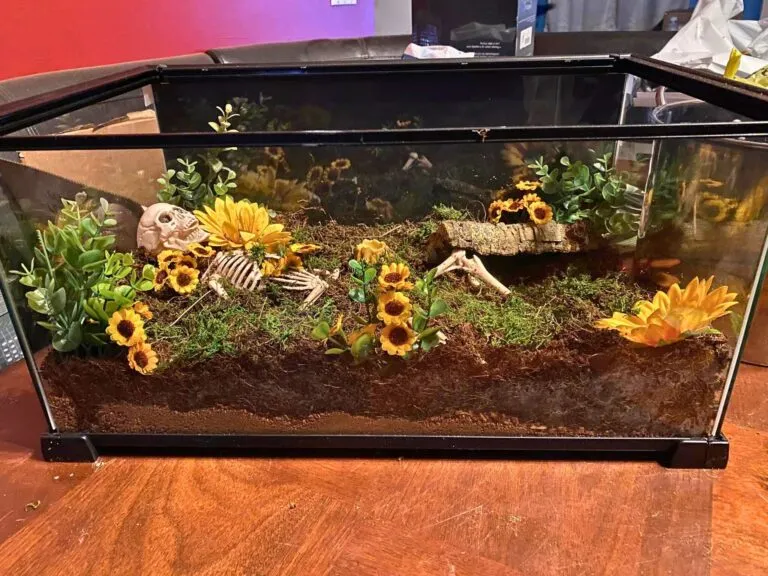
Choosing the Best Tarantula Enclosure
Setting up a tarantula enclosure is a crucial step in providing a healthy and comfortable environment for your new pet. Choosing the right enclosure involves careful consideration of several factors, including the tarantula’s species, size, and specific environmental needs. A well-designed enclosure not only allows your tarantula to thrive but also provides you with a safe and enjoyable way to observe your fascinating arachnid.
Size and Dimensions
The size of the enclosure is one of the most important considerations. The enclosure should be large enough for the tarantula to move around comfortably, but not so large that it becomes difficult to find food or maintain appropriate humidity levels. A general rule of thumb is that the enclosure should be at least twice the tarantula’s leg span in width and length, and tall enough to allow for substrate depth and the tarantula’s climbing habits.
Considering the Tarantula’s Species

Different tarantula species have different needs. Terrestrial tarantulas, which live on the ground, typically require more floor space than arboreal species, which are adapted to living in trees and need more vertical space. Researching the specific requirements of your tarantula species is essential for creating a suitable enclosure. This includes understanding their natural habitat, preferred hiding places, and ideal humidity and temperature ranges.
Growth Potential and Space Requirements
When selecting an enclosure, consider the tarantula’s potential adult size. A juvenile tarantula will require a smaller enclosure initially, but you’ll need to upgrade as it grows. Planning ahead and choosing an enclosure that can accommodate the tarantula’s adult size will save you from having to buy multiple enclosures. Ensure the enclosure offers sufficient space for substrate, decor, and the tarantula to move freely and hunt effectively.
Materials and Construction
The materials used in constructing the enclosure are important for both functionality and the well-being of your tarantula. The enclosure must be escape-proof, provide adequate ventilation, and be made of materials that are safe and non-toxic. The two most common materials are glass and acrylic, each with its own advantages and disadvantages.
Glass Enclosures

Glass enclosures are a popular choice due to their transparency and ease of cleaning. They offer excellent visibility, allowing you to observe your tarantula. Glass is also relatively scratch-resistant. However, glass enclosures can be heavier and may not retain heat as well as acrylic. Ensure the glass is thick enough to withstand any potential impacts and that the lid is secure to prevent escapes.
Acrylic Enclosures
Acrylic enclosures are lighter and more durable than glass. They also provide better insulation, helping to maintain a stable temperature inside the enclosure. Acrylic is highly transparent, offering excellent visibility. However, acrylic can scratch more easily than glass, so avoid abrasive cleaning materials. Acrylic enclosures are often available in a wider variety of shapes and sizes, making it easier to find the perfect fit for your tarantula.
Ventilation and Humidity
Proper ventilation and humidity control are vital for your tarantula’s health. Tarantulas need fresh air circulation to prevent the buildup of harmful gases and to reduce the risk of mold and mildew. Humidity levels must be maintained within the correct range for the specific tarantula species to ensure proper molting and overall well-being.
Importance of Proper Ventilation

Ventilation is typically achieved through a combination of cross-ventilation and airflow. Enclosures should have ventilation holes or mesh screens located at the top and sides to allow for the exchange of air. Insufficient ventilation can lead to stagnant air, increasing the risk of respiratory problems and fungal infections. Ensure the ventilation is secure enough to prevent escapes, especially for smaller tarantulas.
Maintaining Humidity Levels
Humidity can be maintained through the use of appropriate substrate, regular misting, and a water dish. The substrate helps to retain moisture, releasing it into the air gradually. Misting the enclosure with dechlorinated water can increase humidity levels temporarily. A water dish provides a source of drinking water and also contributes to humidity. Use a hygrometer to monitor humidity levels and adjust as needed to meet your tarantula’s specific requirements.
Substrate Selection
The substrate is the bedding material that lines the bottom of the enclosure and provides a comfortable and functional environment for your tarantula. The ideal substrate should hold moisture to maintain humidity, allow the tarantula to burrow, and be non-toxic and easy to clean. Various substrate options are available, each with its own advantages and disadvantages.
Popular Substrate Choices

Several substrates are commonly used for tarantula enclosures. The best choice depends on the species’ needs and the keeper’s preferences. It is important to choose a substrate that does not contain any harmful chemicals or pesticides.
Coconut Fiber
Coconut fiber, also known as coco coir, is a popular choice because it holds moisture well, is relatively inexpensive, and is readily available. It’s a natural product derived from coconut husks. Coco fiber provides a good base for burrowing species and helps maintain humidity levels. Ensure the coco fiber is rinsed thoroughly to remove any salts before use.
Sphagnum Moss
Sphagnum moss is another excellent option, especially for species that require higher humidity. It holds a lot of moisture and can be used to create humid microclimates within the enclosure. Sphagnum moss can also be used to create hides or to line the bottom of the enclosure, offering added comfort. It’s important to ensure the moss is clean and free from any chemicals or pesticides.
Peat Moss

Peat moss is a natural, organic substrate that is good at retaining moisture. It provides a slightly acidic environment, which is beneficial for some tarantula species. However, peat moss can be dusty and may not be suitable for all species. Ensure the peat moss is well-hydrated to maintain appropriate humidity levels.
Decorating the Enclosure
Decorating the enclosure not only enhances the aesthetic appeal but also provides enrichment for your tarantula. The right decor can mimic the tarantula’s natural habitat, providing hiding places, climbing opportunities, and a more stimulating environment. Choose items that are safe, non-toxic, and appropriate for the tarantula’s species.
Essential Decor Items
Several items are essential for decorating a tarantula enclosure. These items contribute to the tarantula’s well-being and create a more natural and stimulating environment. These include hides, climbing structures, and water dishes. Avoid anything with sharp edges or that could be toxic if ingested.
Hides and Shelters

Hides are essential for providing a sense of security and allowing the tarantula to retreat from view when it feels threatened or wants to molt. Suitable options include cork bark, artificial hides, or even upturned flower pots. The hide should be appropriately sized for the tarantula and should provide a dark, secluded space. Ensure the hide is stable and won’t collapse, potentially injuring the tarantula.
Water Dish Placement
A water dish is crucial for providing a source of fresh water. Choose a shallow dish that the tarantula can easily access without the risk of drowning. Place the water dish in a location that is easily accessible but doesn’t interfere with the tarantula’s movement or hunting. Replace the water regularly to keep it clean and free from debris.
Temperature and Lighting
Maintaining the correct temperature and lighting conditions is critical for a tarantula’s health and well-being. Tarantulas are ectothermic, meaning they rely on external sources of heat to regulate their body temperature. Providing appropriate heating and lighting creates a comfortable and healthy environment.
Heating Methods

Several methods can be used to heat a tarantula enclosure. The best choice depends on the size of the enclosure, the ambient temperature, and the tarantula’s species. Avoid using heat rocks, as they can cause burns. Under-tank heaters (UTHs) are a popular choice for smaller enclosures, providing gentle heat from below. Ceramic heat emitters (CHEs) can be used to heat larger enclosures, but they should be used with a thermostat to prevent overheating.
Lighting Considerations
Tarantulas do not require special lighting for their health, but a low-wattage bulb can be used to provide a natural day-night cycle for observation. Avoid bright lights, as they can stress the tarantula. Make sure any lighting used does not produce excessive heat that could harm the tarantula. A simple, dim light source is often sufficient.
Cleaning and Maintenance
Regular cleaning and maintenance are essential to keep the enclosure clean and healthy for your tarantula. This prevents the buildup of waste, mold, and bacteria, which can harm your pet. Establish a regular cleaning schedule to ensure that the enclosure remains a safe and comfortable habitat.
Regular Cleaning Schedule
The frequency of cleaning depends on the enclosure size, the tarantula’s feeding habits, and the type of substrate. Spot-clean the enclosure at least once a week to remove any uneaten food, molted exoskeletons, and visible waste. Remove and replace any moldy substrate immediately. A full enclosure cleaning, including substrate replacement, should be done every few months, or more frequently if needed.
Substrate Replacement
The frequency of substrate replacement depends on the type of substrate used and the conditions within the enclosure. Replace the substrate entirely when it becomes heavily soiled, or when it loses its ability to maintain humidity. When replacing the substrate, clean the entire enclosure, including the sides and the decor. Ensure the enclosure is completely dry before adding the new substrate and replacing the decor.
Feeding and Water
Providing proper feeding and water is vital for the health and well-being of your tarantula. Tarantulas eat insects, and the size of the insects should be appropriate for the tarantula’s size. Ensure your tarantula has access to clean, fresh water at all times. Remove uneaten food within 24 hours to prevent mold and pests.
By following these guidelines, you can create an optimal enclosure for your tarantula, providing a safe, comfortable, and enriching environment. Remember to research the specific needs of your tarantula species and adjust the enclosure setup accordingly. Regular observation and maintenance are key to ensuring your tarantula thrives. Enjoy the fascinating world of tarantulas!