Why Choose the Best Tarantula Enclosures?
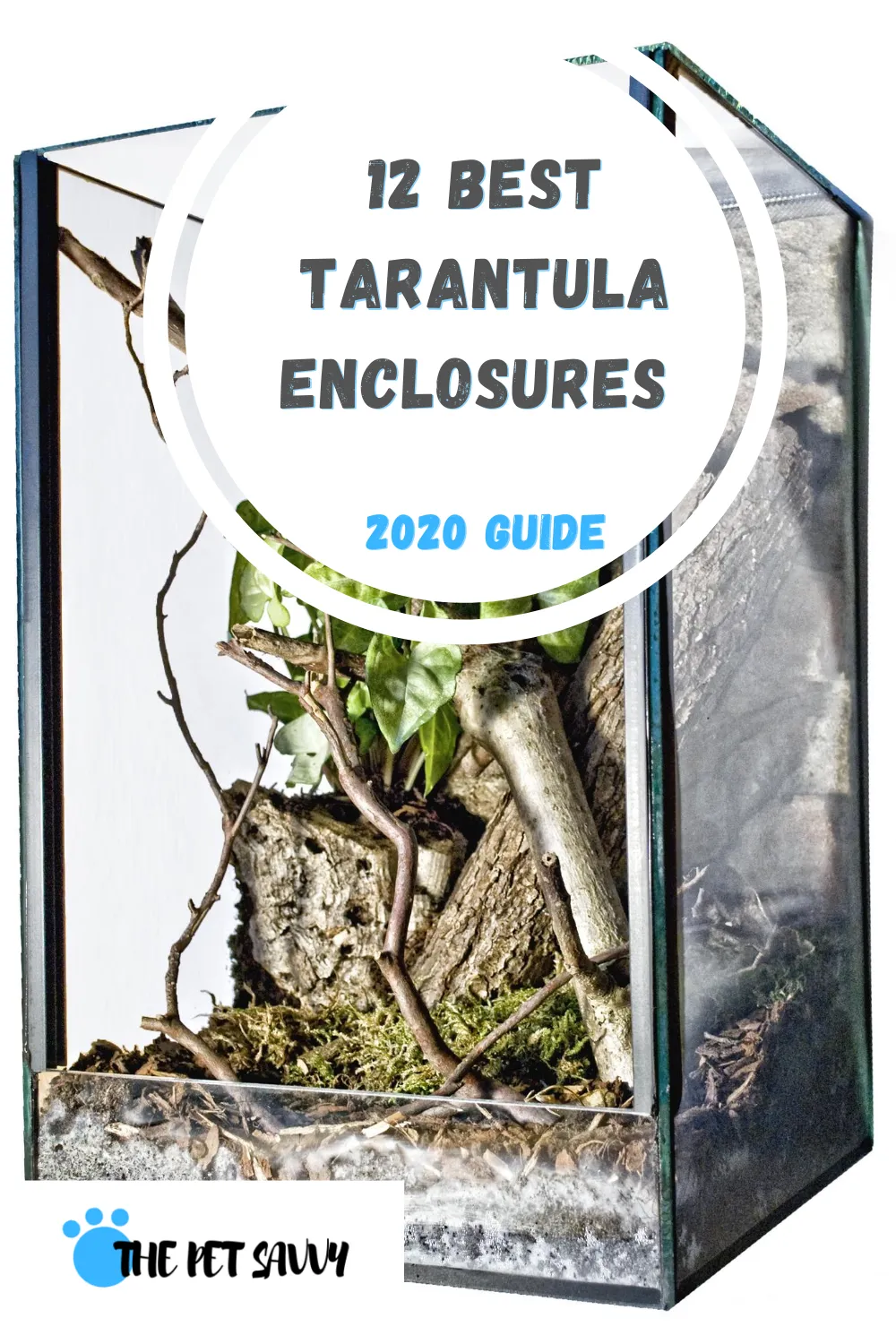
Choosing the best tarantula enclosure is not just about aesthetics; it’s about ensuring the health, happiness, and longevity of your eight-legged friend. A well-designed enclosure mimics the tarantula’s natural habitat, providing the essential elements it needs to thrive. This includes proper ventilation, humidity control, a suitable substrate, and ample space for movement and exploration. Investing in a high-quality enclosure also minimizes the risk of escape, which can be detrimental to both the tarantula and the owner. Furthermore, a well-maintained enclosure is easier to clean and manage, reducing the likelihood of harmful bacteria and mites that can negatively affect the tarantula’s health. When it comes to tarantula care, the enclosure is the foundation of a healthy and fulfilling life for your pet. Consider the best enclosure for your tarantula to ensure its well-being.
Essential Features of Top Tarantula Enclosures
Top tarantula enclosures share several essential features that contribute to the spider’s overall well-being. The first is secure construction, with a tight-fitting lid or door to prevent escapes, a crucial aspect of responsible tarantula ownership. Ventilation is another critical feature, allowing for proper airflow to regulate humidity and prevent mold growth. Clear viewing panels, usually made of acrylic or glass, offer unobstructed views of your tarantula while maintaining a safe barrier. Enclosures should also be easy to clean and maintain, with features like removable substrate trays or access panels for effortless upkeep. Finally, the size and dimensions should be appropriate for the tarantula’s species and size, offering enough space for natural behaviors like burrowing and web-spinning. By considering these features, you can select an enclosure that meets the needs of your tarantula, making it a safe and comfortable home.
Size and Dimensions for Tarantula Habitats

Selecting the right size enclosure is paramount for your tarantula’s comfort and well-being. The size of the enclosure should be proportional to the tarantula’s size and growth stage, as an enclosure that is too small can restrict movement, while one that is too large can make it difficult for the tarantula to find food or feel secure. As a general guideline, the enclosure should be at least twice the tarantula’s leg span in length and width, and the height should allow for sufficient space for substrate and any décor. Consider the tarantula’s burrowing behavior; terrestrial species require more floor space, while arboreal species benefit from taller enclosures with vertical climbing space. Always ensure there is adequate ventilation, no matter the size. Rehousing into larger enclosures as the tarantula grows is essential. Proper dimensions create a suitable habitat, allowing the tarantula to thrive.
Ventilation Is Key for Tarantula Health
Ventilation is a critical aspect of tarantula care, playing a vital role in maintaining the health of your spider. Proper ventilation ensures adequate airflow within the enclosure, preventing the buildup of harmful gases like ammonia, which can irritate the tarantula’s respiratory system. It also helps regulate humidity levels, preventing the growth of mold and bacteria, which can lead to respiratory infections and other health problems. Effective ventilation also minimizes condensation on the enclosure walls, providing clearer visibility. A well-ventilated enclosure typically features a combination of cross-ventilation (holes or mesh on opposite sides) and top ventilation, allowing for both airflow and humidity control. The type of ventilation required will vary depending on the tarantula species, with some preferring drier conditions and others requiring higher humidity. Monitoring the enclosure environment and adjusting ventilation accordingly is essential for providing a healthy living space.
Substrate Selection for Tarantula Enclosures
The choice of substrate significantly impacts the tarantula’s health and the overall environment within the enclosure. The substrate serves as a base for the habitat, allowing the tarantula to burrow, hide, and move around naturally. The ideal substrate should hold moisture, aid in maintaining humidity levels, and be non-toxic. Popular options include a mix of peat moss, vermiculite, and organic topsoil, providing a naturalistic environment. Coconut fiber is another excellent choice, offering good moisture retention and a safe, naturalistic look. The substrate should be deep enough to allow burrowing for terrestrial species. Avoid using substrates with sharp edges or that are easily ingested, as these can cause injury or digestive problems. Regularly replace the substrate to maintain cleanliness and prevent the buildup of waste and harmful microorganisms, thereby fostering a healthy and comfortable environment for your tarantula.
Humidity Control for Tarantula Wellbeing

Maintaining the correct humidity level is essential for the tarantula’s health, especially during molting. Tarantulas need specific humidity ranges depending on the species, and failure to provide the appropriate environment can lead to difficulties during the molting process, dehydration, or even death. Monitoring humidity can be achieved using a hygrometer placed inside the enclosure. Regulating humidity often involves a combination of factors: the substrate’s moisture content, the size and type of ventilation, and the addition of water. Some owners mist the enclosure, while others provide a water dish. Ensure proper ventilation to prevent excessive humidity and the growth of mold, particularly in drier environments. Regularly check and adjust humidity levels to meet the specific needs of your tarantula, ensuring it thrives in a safe and comfortable habitat. The correct balance in the enclosure will prevent dehydration and encourage successful molts.
Decor and Enrichment in Tarantula Habitats
Enhancing a tarantula enclosure with appropriate décor is crucial for its well-being. Providing a stimulating environment not only adds visual appeal but also allows the tarantula to express its natural behaviors. Use natural elements like cork bark, driftwood, and artificial plants to create hiding spots and climbing surfaces, essential for arboreal species. A shallow water dish provides a source of hydration and helps maintain humidity. Avoid using sharp objects or anything that could pose a hazard to the tarantula. The enclosure’s décor should mimic the tarantula’s natural environment as closely as possible, allowing it to feel secure and explore. This also contributes to reducing stress and improving the overall quality of life. Consider the species’ specific needs when designing the habitat, ensuring that the tarantula has a comfortable and enriching space.
Safety First Choosing Secure Enclosures
Safety should be a paramount consideration when selecting a tarantula enclosure. Always choose enclosures with a secure locking mechanism to prevent escapes, which can pose risks to both the tarantula and the owner. The lid or door should be sturdy and well-fitted to the enclosure. Ensure the enclosure materials are non-toxic and safe for the tarantula; avoid materials that can be easily chewed or ingested. Regularly inspect the enclosure for any signs of damage or wear, especially around the lid, hinges, and ventilation openings. Keep the enclosure away from direct sunlight, extreme temperatures, and areas accessible to children or other pets. Educate yourself on the specific needs of your tarantula species and choose an enclosure accordingly. The safety of the tarantula and the people around it is directly related to the quality of the enclosure.
Cleaning and Maintenance of Tarantula Enclosures
Regular cleaning and maintenance are essential for maintaining a healthy environment for your tarantula. Spot-clean the enclosure at least once a week, removing any uneaten food, shed exoskeletons, and visible waste. The frequency of a full enclosure cleaning will depend on the substrate type and the tarantula’s habits but should be performed every few months, replacing all the substrate to eliminate potential buildup of bacteria and waste. When cleaning, always use appropriate cleaning solutions that are safe for your tarantula, and rinse thoroughly. The water dish needs regular cleaning to prevent bacteria growth. Additionally, inspect the enclosure for any signs of mold, pests, or damage. Properly maintaining the enclosure not only ensures the cleanliness but also the overall health and well-being of your tarantula, creating a safe and comfortable habitat.
Where to Find the Best Tarantula Enclosures
The search for the best tarantula enclosure can start at local pet stores that specialize in reptiles and exotic animals. These stores offer a variety of enclosures and expert advice from experienced staff. Online retailers are another convenient option, providing a wide selection of enclosures with detailed specifications and customer reviews. Reputable online platforms allow you to compare prices, read product descriptions, and access customer feedback to make informed decisions. Before purchasing, research the specific requirements of your tarantula species and confirm that the enclosure meets those needs. Consider checking reptile expos and specialist breeders, as they often have high-quality enclosures and may provide personalized recommendations. Thorough research and careful comparison shopping are vital to finding the perfect home for your tarantula.