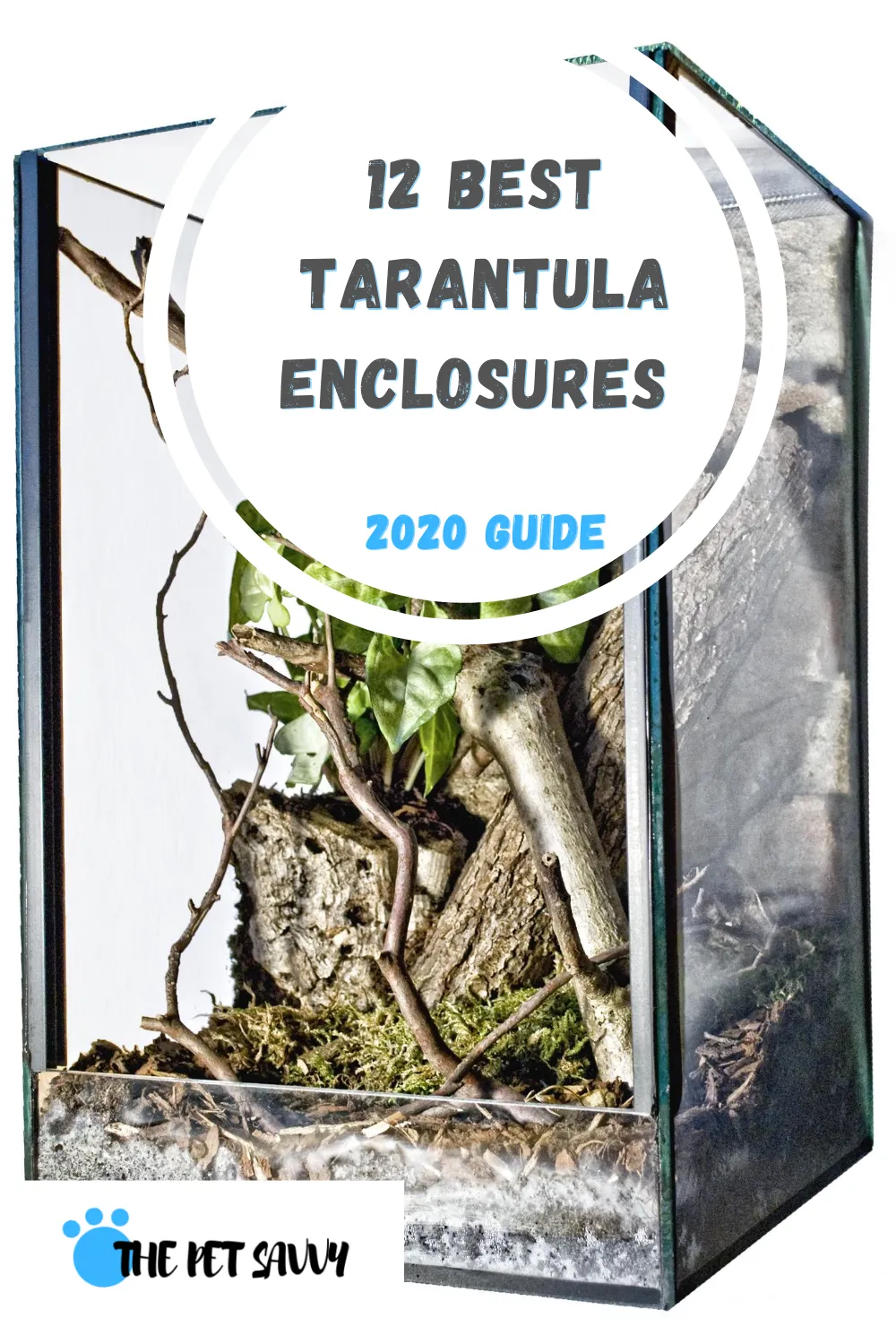
Why Tarantula Enclosures Matter for Hamsters
Choosing the best tarantula enclosures for hamsters is paramount for their well-being and safety. While hamsters and tarantulas don’t cohabitate, the enclosure is the foundation of a healthy and happy life for your hamster. A suitable enclosure offers protection from environmental hazards, regulates temperature and humidity, and provides a stimulating environment. A poorly chosen enclosure can lead to stress, illness, and reduced lifespan. It is essential to provide a safe and comfortable home, ensuring your hamster thrives.
Size Requirements for Hamster Tarantula Enclosures
The size of the enclosure is one of the most critical factors. A cramped space can restrict movement and lead to behavioral issues. Hamsters need ample room to explore, exercise, and engage in natural behaviors such as burrowing and foraging. A larger enclosure also helps maintain better air quality and temperature stability, reducing the risk of respiratory problems and overheating. Correct enclosure size is essential, providing the necessary space for enrichment and well-being, ensuring your hamster lives a fulfilling life.
Minimum Enclosure Size

The absolute minimum size for a hamster enclosure should be at least 450 square inches of floor space. This applies to dwarf hamsters. For larger breeds like Syrian hamsters, the minimum is significantly higher, with at least 600 square inches highly recommended. Anything smaller can significantly impact the hamster’s quality of life, restricting activity and leading to stress. While it might seem adequate initially, a larger enclosure will always be a better choice, providing the necessary space for a happy and healthy hamster.
Ideal Enclosure Dimensions
The ideal dimensions go beyond the minimum. Consider the hamster’s species when choosing dimensions. For Syrian hamsters, a cage that is at least 30 inches long, 15 inches wide, and 15 inches tall is a good starting point. Dwarf hamsters can thrive in enclosures that are slightly smaller but should still have at least a 24x12-inch footprint. Height is also important, allowing for a deep layer of bedding for burrowing and the potential for multi-level platforms and toys. The more space you can provide, the better.
Material Selection for Hamster Tarantula Enclosures
The material of the enclosure significantly impacts its suitability for hamsters. Different materials offer varying advantages and disadvantages in terms of durability, ventilation, and ease of cleaning. Understanding these differences is crucial for making an informed decision that prioritizes your hamster’s health and comfort. The choice of material affects the overall environment, including temperature regulation, humidity control, and the ability to provide a secure and safe living space.
Glass Enclosures

Glass enclosures, such as aquariums, are often popular. They offer excellent visibility, allowing for easy observation of your hamster. Glass is also non-porous, making it easy to clean and resistant to odors. However, glass enclosures tend to have poor ventilation if not properly modified. They can also be heavy and difficult to move. When using a glass enclosure, ensure adequate ventilation is achieved by adding a mesh lid or other ventilation modifications. Proper ventilation is critical for the hamster’s well-being.
Acrylic Enclosures
Acrylic enclosures provide a good balance of visibility and durability. They are typically lighter than glass, making them easier to handle and move. Acrylic also offers better insulation, helping to maintain a stable temperature inside the enclosure. These enclosures can be expensive. Ensure you select high-quality acrylic, as cheaper versions can scratch easily and may not be as safe for your hamster. Acrylic is a good choice if you prioritize visibility and a lightweight design.
Plastic Enclosures
Plastic enclosures come in various forms, from wire cages with plastic bases to fully plastic habitats. They are generally the most affordable option. However, ensure the plastic is non-toxic and safe for hamsters to chew on. Wire cages offer good ventilation but can be less secure and more difficult to clean. Fully plastic enclosures often lack ventilation unless designed with specific airflow features. Plastic enclosures can be a suitable choice if you prioritize cost-effectiveness, but careful consideration of ventilation and safety is essential.
Ventilation in Tarantula Enclosures for Hamsters

Proper ventilation is essential for the health and well-being of your hamster. Adequate airflow prevents the buildup of ammonia from urine and feces, which can cause respiratory problems. Good ventilation also helps regulate humidity and temperature, crucial factors in preventing diseases and maintaining a comfortable environment. Without proper ventilation, your hamster could suffer from a variety of health issues. Always ensure that any enclosure you choose has sufficient airflow.
Importance of Ventilation
Ventilation serves multiple purposes. First, it removes stale air and replaces it with fresh air, ensuring your hamster has a constant supply of oxygen. Second, it prevents the buildup of harmful gases, such as ammonia. Third, it helps regulate humidity. High humidity levels can lead to mold growth and respiratory infections. Effective ventilation is crucial for a healthy living environment, preventing illness and discomfort, and promoting a long and healthy life for your pet hamster.
Types of Ventilation Systems
Ventilation systems vary. Wire cages naturally have excellent airflow due to their open design. Glass and acrylic enclosures often require modifications, such as mesh lids or strategically placed ventilation holes. Ensure the ventilation system provides adequate airflow without creating drafts. Proper placement of ventilation openings can also contribute to better temperature regulation. Aim for a balance between sufficient airflow and maintaining a stable environment.
Essential Features for Hamster Tarantula Enclosures
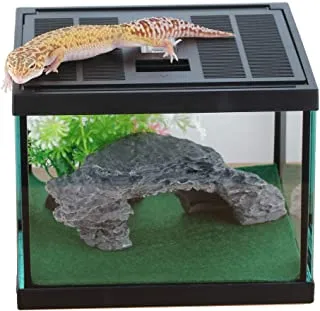
Beyond basic requirements like size and material, certain features are critical for creating a safe and enriching environment. These features contribute to your hamster’s physical and psychological well-being. Consideration should be given to security, ease of maintenance, and the overall comfort of your pet. Focusing on these features will ensure the best possible living conditions.
Secure Lids and Latches
A secure lid is paramount for preventing escapes, particularly for hamsters, who are masters of squeezing through small openings. Choose an enclosure with a lid that fits snugly and has a reliable latching mechanism. Consider latches that your hamster cannot manipulate or open. Regular checks of the lid and latches are essential. A secure lid keeps your hamster safe from external hazards. It also prevents your hamster from escaping and getting lost or injured.
Easy Access for Cleaning
Easy access for cleaning is vital for maintaining hygiene. Look for enclosures that have large doors, removable trays, or other features that simplify the cleaning process. Regular cleaning is crucial to prevent the buildup of waste and odors. This helps control the spread of disease. Regular and easy cleaning also contributes to a healthier living environment for your hamster and makes your job as a pet owner much easier. Choose an enclosure that makes this task as straightforward as possible.
Substrate Considerations for Hamster Tarantula Enclosures
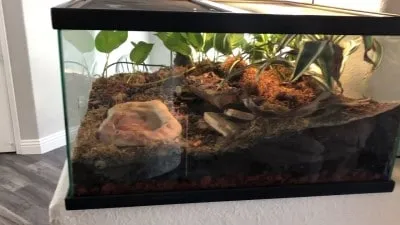
The substrate or bedding you choose is an important factor. It provides a comfortable surface for your hamster to walk on. It also serves as a material for burrowing and nesting. The right substrate helps absorb urine and odors. It also contributes to temperature regulation. There are several types of substrates. The choice affects the hamster’s health and the ease of maintaining the enclosure.
Types of Substrates
Popular substrate options include paper-based bedding, aspen shavings, and hemp bedding. Paper-based bedding is generally safe and absorbent but may need to be changed frequently. Aspen shavings are a good option as they are relatively dust-free and odor-absorbing. Hemp bedding is another good choice that provides excellent absorbency and is often preferred by hamster owners. Avoid using cedar or pine shavings, as the oils can be harmful to hamsters. Choosing a safe, absorbent material is key.
Substrate Depth and Maintenance
Provide a deep layer of substrate, ideally several inches deep, to allow for burrowing and nesting. Syrian hamsters particularly enjoy burrowing. Regular spot cleaning is essential to remove soiled areas and maintain hygiene. Replace the entire substrate regularly, typically once or twice a week, depending on the size of the enclosure and the hamster’s habits. Following this maintenance schedule will keep your hamster’s enclosure clean and fresh.
Temperature and Humidity Control in Hamster Tarantula Enclosures
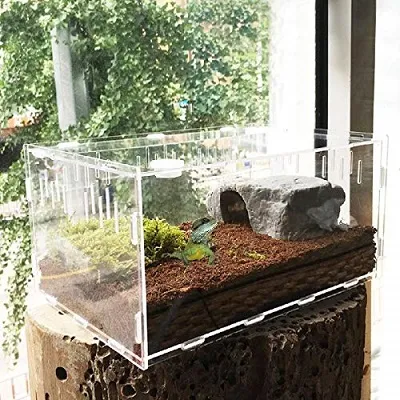
Maintaining the right temperature and humidity is critical for a hamster’s health. Extreme temperatures and humidity levels can cause significant stress. It can also lead to illness. Understanding how to regulate these environmental factors will ensure your hamster lives in a comfortable and healthy environment.
Heating Options
Hamsters thrive in a temperature range of 65-75°F (18-24°C). In colder climates, supplemental heating might be necessary. Avoid placing the enclosure in direct sunlight or near heat sources. Consider using a ceramic heat emitter or a small space heater. Avoid using heat rocks or pads inside the enclosure. Use a thermometer to monitor the temperature. Proper temperature control will prevent overheating and keep your hamster comfortable.
Humidity Management
Hamsters prefer a relatively low humidity environment. High humidity can lead to respiratory problems. Ensure good ventilation to prevent the buildup of moisture. Avoid placing the enclosure near humidifiers or in damp areas. Use a hygrometer to monitor humidity levels. Adjust the environment as needed to maintain a healthy humidity level, which will contribute to your hamster’s overall well-being.
Top 7 Tarantula Enclosure Recommendations for Hamsters
Here are seven top-rated tarantula enclosures that are suitable for hamsters. This list considers factors like size, ventilation, material, and ease of maintenance to help you make an informed decision. These recommendations are based on expert reviews and customer feedback, and can help you choose the right enclosure. Each option caters to different needs and preferences, ensuring you find the perfect match for your hamster.
Enclosure Recommendation 1
The first recommendation is a large glass aquarium with a secure mesh lid, offering excellent visibility and ventilation. Ensure the mesh is small enough that your hamster cannot escape. Add appropriate bedding, toys, and accessories.
Enclosure Recommendation 2
A multi-level acrylic enclosure with good ventilation, offering ample space for exploration and play. This typically has a wire top for ventilation and is easy to clean. Acrylic construction is both lightweight and provides clear visibility.
Enclosure Recommendation 3
A large plastic bin with a wire mesh lid, providing a cost-effective and easy-to-clean option. Ensure the plastic is non-toxic and safe for your hamster. Wire mesh lids provides sufficient ventilation.
Enclosure Recommendation 4
A commercially available hamster cage with ample floor space, multiple levels, and secure features. Look for durable, hamster-safe materials, and good ventilation design. Ensure all features are appropriate for hamsters.
Enclosure Recommendation 5
A DIY enclosure made from safe materials, providing a custom-built habitat. This offers the ability to meet unique requirements, like adding custom features. Ensure the design prioritizes safety and ventilation.
Enclosure Recommendation 6
A spacious cage with a deep base, allowing for burrowing and foraging behaviors. Consider features like multiple chambers. Ensure there is a secured lid and easy cleaning access.
Enclosure Recommendation 7
A cage featuring a variety of enrichment items, such as tunnels, platforms, and wheels. A well-designed enclosure increases activity. Ensure the design allows for easy access and cleaning.
In conclusion, choosing the best tarantula enclosures for hamsters is an important decision. Consider the size, material, ventilation, and features. Prioritize your hamster’s health and well-being. By following these guidelines and recommendations, you can create a comfortable and enriching environment. With the correct enclosure, your hamster will thrive.