Choosing the Best Tarantula Enclosure
Bringing a tarantula into your home can be an exciting experience, but it’s crucial to provide a suitable habitat for these fascinating creatures. Selecting the best tarantula enclosure is the first step in ensuring your pet’s health, happiness, and longevity. The ideal enclosure provides a safe, secure, and stimulating environment that caters to the tarantula’s specific needs. Factors such as size, ventilation, substrate, and temperature control all play vital roles in creating a thriving habitat. This guide will walk you through the essential aspects of selecting the perfect enclosure for your tarantula, helping you create a space where your eight-legged friend can flourish.
Understanding Tarantula Species Needs
Before choosing an enclosure, it is imperative to understand the specific requirements of the tarantula species you plan to keep. Different species have unique needs in terms of habitat size, humidity, temperature, and substrate. Some tarantulas are terrestrial, spending most of their lives on the ground, while others are arboreal, preferring to live in trees or high above the ground. Researching the natural habitat of your chosen species is crucial to replicate its environmental conditions in captivity. This includes learning about the appropriate temperature and humidity ranges, the type of substrate they prefer, and the necessary ventilation to prevent mold and promote healthy respiration. Proper research ensures that you are providing a comfortable and healthy home for your tarantula, promoting its overall well-being.
Terrestrial Tarantulas Enclosure Requirements

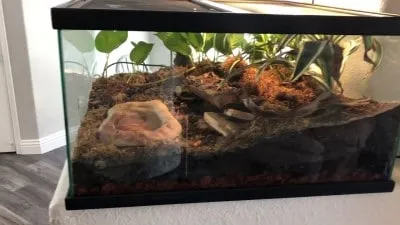
Terrestrial tarantulas, which are ground-dwelling, need enclosures that emphasize floor space over height. A general rule of thumb is to provide an enclosure that is at least twice as wide as the tarantula’s leg span and at least three times as long. The height of the enclosure should be sufficient to accommodate a layer of substrate deep enough for burrowing if the species is prone to doing so. The substrate for terrestrial species should be able to retain moisture to maintain appropriate humidity levels. Avoid overly tall enclosures, as terrestrial tarantulas can fall and injure themselves. Provide a water dish and a few hiding places such as cork bark or artificial plants to make the tarantula feel safe and secure. Careful planning creates a safe, functional environment that caters to the natural behaviors of terrestrial tarantulas.
Arboreal Tarantulas Enclosure Requirements
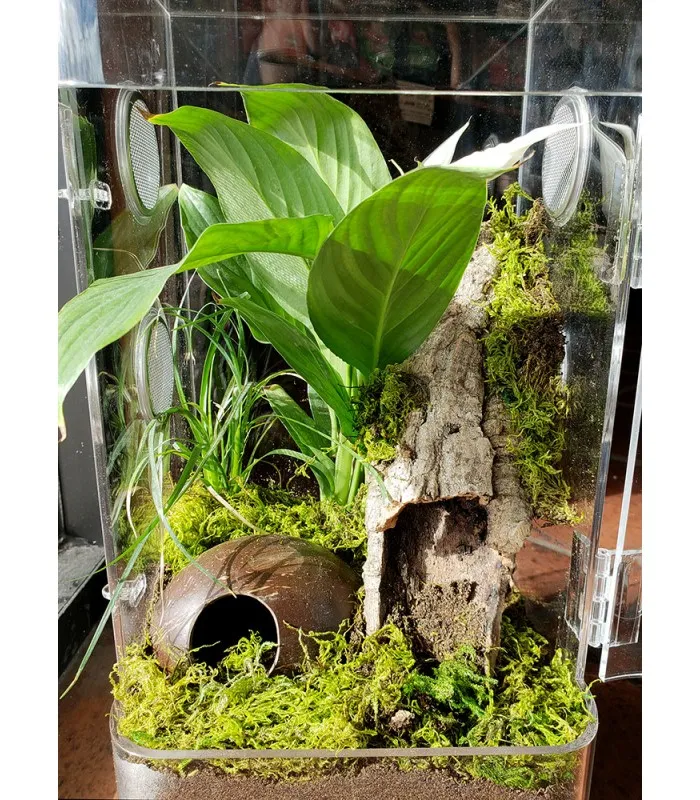
Arboreal tarantulas, which live in trees, require enclosures that are taller than they are wide. The enclosure should provide enough vertical space for the tarantula to climb and create webbing. A good height allows the tarantula to move freely, making them feel comfortable. Vertical space is particularly important for arboreal species to make a comfortable home. The enclosure should be well-ventilated to prevent mold growth. The decor should include vertical elements such as branches, cork bark, or artificial plants to allow the tarantula to climb and establish its web. Substrate needs aren’t as deep as for terrestrial species. These enclosures should be designed to allow these tarantulas to climb, web, and exhibit their natural behaviors.
Essential Features of a Tarantula Enclosure
Several features are non-negotiable when selecting a tarantula enclosure. These features collectively ensure the health and happiness of the tarantula. These factors affect the success of keeping a tarantula. Careful consideration ensures that all aspects of the tarantula’s living space are safe, secure, and conducive to a thriving existence. They provide a stable environment for the tarantula.
Size and Dimensions

The size of the enclosure is one of the most critical factors. The enclosure should be large enough to allow the tarantula to move around comfortably without feeling cramped, but not so large that the tarantula feels exposed and insecure. As a general guideline, the enclosure’s width should be at least twice the tarantula’s leg span, and the length should be at least three times the leg span. For arboreal species, height is more critical. The height allows vertical movement and web-building. The dimensions should be species-specific, considering the tarantula’s adult size. A well-sized enclosure allows the tarantula to display its natural behaviors.
Ventilation
Proper ventilation is vital to prevent the buildup of harmful gases, mold, and mildew. Poor ventilation can create a humid environment, increasing the risk of respiratory infections. The enclosure should have a combination of cross-ventilation (air flowing in one side and out the other) and top ventilation. This balance will ensure that fresh air circulates throughout the enclosure while maintaining proper humidity levels. Avoid enclosures with too many closed sides. Good ventilation also helps to regulate temperature, preventing extreme temperature fluctuations. The correct balance of ventilation and humidity is key for a healthy tarantula habitat.
Substrate and Decor
The substrate, or bedding, serves several essential purposes, including providing a comfortable surface for the tarantula to walk on, absorbing moisture to maintain humidity, and offering a place for burrowing and hiding. The choice of substrate depends on the species’ needs. For terrestrial species, a deep layer of substrate allows for burrowing, while for arboreal species, a shallower layer is sufficient. Common substrate options include coconut fiber, peat moss, and a mix of soil and sand. The substrate should be kept clean. The enclosure’s decor should provide hiding places such as cork bark, artificial plants, or other safe materials. These items help the tarantula to feel secure and reduce stress, allowing them to thrive.
Humidity and Temperature
Maintaining the correct humidity and temperature levels is critical for the tarantula’s health. Tarantulas are sensitive to changes in their environment. Different species have different requirements, so it’s essential to research the specific needs of your tarantula. Humidity can be regulated by misting the enclosure with water, providing a water dish, and choosing the appropriate substrate. Temperature can be controlled using a heat lamp or a heat mat, taking care not to overheat the enclosure. Monitoring humidity and temperature is best using a hygrometer and thermometer. Regular monitoring and adjustments are important to ensure a stable environment that mimics the tarantula’s natural habitat.
Top Enclosure Materials
The material of your tarantula enclosure plays a significant role in the overall environment. Safety, durability, and ease of maintenance should all be considered when choosing the best material for your tarantula’s home. Each material has its benefits and drawbacks, so it’s important to select the one that best suits your needs and the needs of your pet. Different materials can impact the ease of maintaining the enclosure.
Glass Enclosures
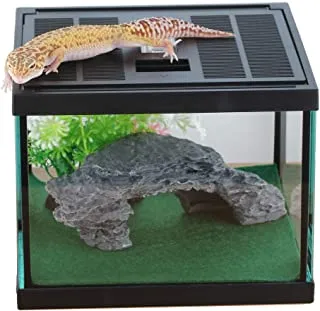
Glass enclosures are a popular choice because they offer excellent visibility, allowing you to observe your tarantula easily. They are also relatively easy to clean and maintain, as glass is a non-porous material that doesn’t absorb odors or moisture. Glass enclosures typically come with a secure lid and adequate ventilation. They are aesthetically pleasing and can be integrated into your home decor. One potential downside is that glass can be heavy and fragile, so careful handling is required. Glass enclosures also do not retain heat as well as some other materials, so you may need to use a heat source to maintain the appropriate temperature.
Acrylic Enclosures

Acrylic enclosures offer many of the same benefits as glass but are generally lighter and more durable. Acrylic is less prone to breakage than glass. They are also often better insulators, helping to maintain a stable temperature within the enclosure. Acrylic enclosures offer excellent visibility, allowing for easy viewing of your tarantula. They are often available in various sizes and configurations. One potential drawback is that acrylic can scratch more easily than glass, so you need to use care when cleaning the enclosure. Acrylic is a good option for those who want a durable, lightweight, and visually appealing enclosure.
Screen Cages
Screen cages provide excellent ventilation, which is essential for preventing mold and maintaining healthy humidity levels. These enclosures are typically made of a fine mesh screen material, allowing for maximum airflow. This design makes it easier to regulate temperature and humidity. Screen cages are lightweight and easy to handle. The primary downside of screen cages is that they can be more challenging to maintain humidity. They are also less secure. Screen cages may not be suitable for all tarantula species, especially those that are prone to escaping or damaging the screen. Consider the specific requirements of your tarantula species before choosing a screen cage.
Maintaining Your Tarantula Enclosure
Regular maintenance is essential to keep your tarantula’s enclosure clean and healthy. This promotes the well-being of your pet. Regular cleaning and monitoring of environmental conditions are vital. This includes tasks such as cleaning, monitoring humidity and temperature, and making adjustments as needed. Proper maintenance provides a safe and comfortable environment for your tarantula to thrive.
Cleaning and Maintenance
Regular cleaning is essential to remove waste, uneaten food, and other debris that can attract pests and cause odors. Spot-clean the enclosure regularly, removing any visible waste or old food items. The substrate should be partially or completely replaced regularly. The frequency depends on the substrate type and the size of the tarantula. Clean the enclosure walls and decorations with a mild soap solution. Never use harsh chemicals that could harm your tarantula. Regular cleaning maintains a hygienic environment, promoting your tarantula’s health and well-being. Ensure the enclosure remains a safe, healthy, and attractive living space.
Monitoring Humidity and Temperature
Monitoring humidity and temperature are crucial to maintain the right conditions for your tarantula. Use a hygrometer to monitor humidity levels. A thermometer is used to monitor the temperature. Record these measurements regularly and make any necessary adjustments. If the humidity is too low, mist the enclosure with water. If the temperature is too high, adjust the heat source. Ensure that the temperature is consistent. Monitoring the enclosure’s environment regularly is necessary to prevent health issues for your tarantula. This helps you create a stable and comfortable environment. This helps you prevent health issues.
Avoiding Common Mistakes
Several common mistakes can impact the health and well-being of your tarantula. One is failing to research the specific needs of the species. Another is providing an enclosure that is too small. Using the wrong type of substrate can cause issues. Avoid overfeeding, which can lead to health problems. Do not use harsh chemicals or cleaning agents inside the enclosure. Avoid handling your tarantula more than necessary. Avoiding these common pitfalls helps you create a habitat that will allow your tarantula to thrive. Understanding and avoiding common mistakes can create a healthier, happier environment for your pet.
Choosing the best tarantula enclosure is a critical step in providing a healthy and enriching environment for your pet. By understanding the specific needs of your tarantula species, selecting the right enclosure materials, and practicing regular maintenance, you can create a thriving habitat. Careful consideration of size, ventilation, substrate, and humidity is necessary. This guide provides you with the knowledge and tools you need to make informed decisions. With the right enclosure, your tarantula can live a long, healthy, and fulfilling life.