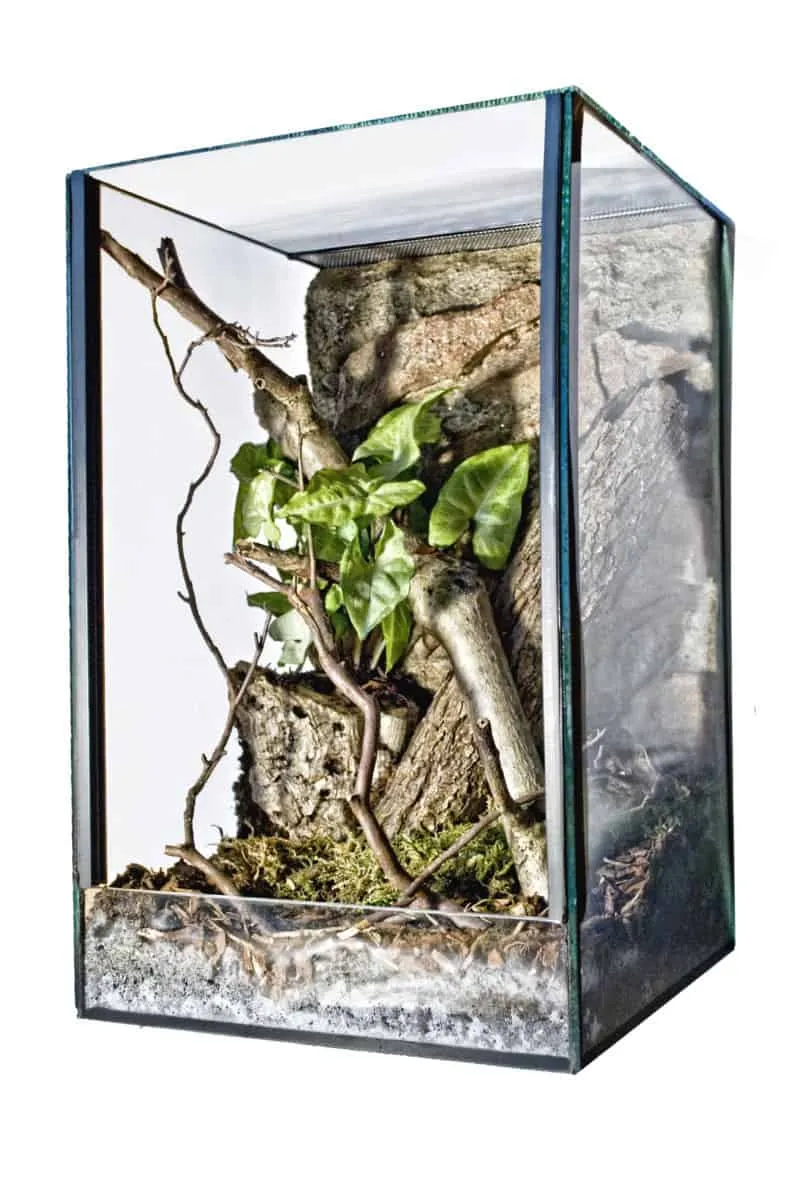
Owning a tarantula can be a rewarding experience, but it comes with the responsibility of providing a safe and comfortable habitat. The enclosure is arguably the most crucial element in ensuring your eight-legged friend thrives. A well-chosen enclosure not only provides the necessary space and environmental conditions but also enhances your viewing experience. This guide explores the best tarantula enclosures available, focusing on key considerations like size, material, ventilation, and security, culminating in a curated list of the top five choices to help you create the perfect home for your tarantula.
Choosing the Best Tarantula Enclosure
Selecting the right enclosure is paramount for your tarantula’s well-being. Several factors must be considered, from the spider’s size and species-specific needs to the materials used in construction and the overall ease of maintenance. A poorly chosen enclosure can lead to stress, health issues, and even escape attempts. By carefully evaluating these factors, you can create a suitable environment that allows your tarantula to thrive.
Size Matters Determining the Right Enclosure
The size of the enclosure is a fundamental consideration. It affects the tarantula’s ability to move, hunt, and regulate its environment. An enclosure that is too small can restrict movement and lead to stress, while one that is too large might make it difficult for the tarantula to find food or feel secure.
Tarantula Size and Species Considerations

The size and species of your tarantula heavily influence the ideal enclosure size. For example, arboreal species, which live in trees, require taller enclosures to accommodate their climbing behavior, whereas terrestrial species, which live on the ground, need more floor space. Juvenile tarantulas need smaller enclosures to feel secure, with progressively larger enclosures as they grow. Always research the specific requirements of your tarantula species before making a purchase. Consulting online resources or experienced keepers can provide valuable insights into these specific needs. (See image: tarantula-size-species.webp)
Enclosure Height and Surface Area
Besides the overall dimensions, the height and surface area of the enclosure are critical. A good rule of thumb is to provide an enclosure that is at least twice the tarantula’s leg span in width. The height should be sufficient to allow for burrowing (for terrestrial species) or climbing (for arboreal species), as well as to avoid any potential falls that could injure the tarantula. Adequate floor space allows for proper web construction and the establishment of a comfortable habitat. Careful consideration of these elements ensures the tarantula has enough space for exploration and to thrive.
Material Matters Best Enclosure Materials
The material used to construct the enclosure significantly impacts the tarantula’s habitat. Different materials offer varying advantages and disadvantages in terms of visibility, humidity retention, ventilation, and durability. Common enclosure materials include glass, acrylic, and plastic, each with unique characteristics that cater to different needs and preferences. Choosing the appropriate material is crucial to create a suitable environment for your tarantula.
Glass Enclosures Pros and Cons
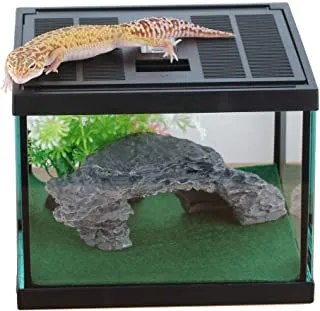
Glass enclosures are popular for their excellent visibility. They offer unobstructed views of the tarantula and its habitat, making observation easy and enjoyable. Glass is also relatively easy to clean and maintain. However, glass enclosures can be heavier and more fragile than other options. Glass also doesn’t insulate as well as acrylic, which can make it more challenging to maintain stable temperatures and humidity levels. (See image: glass-tarantula-enclosure.webp)
Acrylic Enclosures Pros and Cons
Acrylic enclosures are lightweight and durable, making them a practical choice. They offer excellent visibility, similar to glass, but are less prone to shattering. Acrylic is also a better insulator than glass, helping to maintain a stable environment. However, acrylic can scratch easily, and some may be more expensive than glass enclosures. Proper care and handling are essential to preserve the clarity of an acrylic enclosure. (See image: acrylic-tarantula-enclosure.webp)
Plastic Enclosures Pros and Cons
Plastic enclosures are often the most affordable option. They are lightweight, durable, and easy to clean. However, the visibility in some plastic enclosures might not be as clear as glass or acrylic. Some plastic enclosures can also be less aesthetically pleasing. It is vital to choose a plastic enclosure made from non-toxic materials to prevent any harm to the tarantula. These types of enclosures are often preferred for juveniles or smaller species.
Ventilation and Security for Tarantulas

Ventilation and security are two of the most critical aspects of any tarantula enclosure. Proper ventilation ensures adequate airflow, preventing the buildup of harmful gases and reducing the risk of mold and mildew. Security features prevent escapes, which could be dangerous for both the tarantula and anyone else in the household. Both aspects work in tandem to ensure a safe and healthy environment.
Ventilation Requirements
Adequate ventilation is crucial for maintaining optimal humidity levels and preventing the growth of mold and bacteria. The enclosure should have vents strategically placed to allow for proper airflow. The number and placement of the vents will depend on the species of tarantula and the climate. Generally, vents should be located on the sides and top of the enclosure to allow for cross-ventilation. Avoid enclosures with poor ventilation, as this can lead to health problems. (See image: ventilation-tarantula-enclosure.webp)
Security Features Preventing Escapes
Tarantulas are masters of escape, so secure enclosures are a must. Ensure the enclosure has a tight-fitting lid that cannot be pushed open. Consider enclosures with locking mechanisms, especially for larger or more active species. Regularly inspect the enclosure for any potential escape routes, such as gaps or cracks. By prioritizing security, you can prevent your tarantula from escaping and ensure its safety and well-being.
Top 5 Tarantula Enclosure Choices
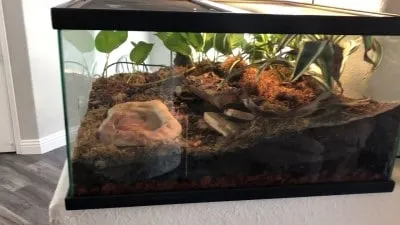
Based on the criteria discussed, here are some of the best tarantula enclosure choices available:
Enclosure Choice 1 Overview
This enclosure is an excellent choice for beginners due to its ease of use. It is made from durable acrylic and provides clear visibility of the tarantula. It features a secure locking lid and ample ventilation. (See image: tarantula-enclosure-choice-1.webp)
Features and Benefits
- Durable acrylic construction
- Secure locking lid
- Excellent ventilation
- Easy to clean
Enclosure Choice 2 Overview

This enclosure is perfect for arboreal species. It features a tall design with ample vertical space, and it’s made from high-quality glass. It provides excellent visibility and is easy to decorate. (See image: tarantula-enclosure-choice-2.webp)
Features and Benefits
- Tall design for arboreal species
- High-quality glass construction
- Excellent visibility
- Easy to decorate
Enclosure Choice 3 Overview
This enclosure is a versatile choice for a wide variety of species. It’s constructed from durable plastic and features a secure lid with multiple locking points.
Features and Benefits

- Durable plastic construction
- Secure lid with multiple locking points
- Affordable price point
- Easy to maintain
Enclosure Choice 4 Overview
This enclosure is an excellent option for experienced keepers, it’s made with high quality materials. It features a unique ventilation system and enhanced security features.
Features and Benefits
- High-quality construction
- Advanced ventilation system
- Enhanced security features
- Ideal for advanced keepers
Enclosure Choice 5 Overview
This is a great option for a bioactive setup. It is made with durable materials, is easy to clean, and features a built-in drainage system. It is also aesthetically pleasing and is a perfect habitat for tarantulas.
Features and Benefits
- Durable materials
- Easy to clean
- Built-in drainage system
- Aesthetically pleasing
Maintaining Your Tarantula Enclosure
Proper maintenance is crucial for keeping your tarantula healthy and the enclosure in good condition. This includes regular cleaning, substrate management, and humidity control. Consistent maintenance ensures that the enclosure remains a safe and comfortable home for your pet. Implementing a regular cleaning schedule can help prevent a build-up of waste and maintain an ideal environment.
Substrate and Humidity Management
The substrate serves as a bedding material and plays a significant role in maintaining humidity levels. The substrate should be absorbent, non-toxic, and appropriate for the tarantula species. Sphagnum moss, coconut fiber, and vermiculite are popular choices. Humidity levels should be monitored and adjusted as needed. Misting the enclosure or using a water dish can help maintain the correct humidity. Regularly checking and adjusting the substrate and humidity is vital to create the right environment.
Cleaning and Maintenance Schedule
Establish a regular cleaning schedule to keep the enclosure clean and hygienic. Spot clean the enclosure weekly, removing any uneaten food and waste. Replace the substrate every few months or as needed, depending on the species and the size of the enclosure. Clean the enclosure with warm water and a mild, pet-safe detergent, avoiding harsh chemicals. Regular cleaning and maintenance not only keep the enclosure visually appealing but also contribute significantly to the tarantula’s health and well-being.
Creating the Ideal Tarantula Habitat
Creating the perfect tarantula habitat requires careful consideration of various factors, from enclosure size and material to ventilation and security. By choosing the right enclosure, understanding the specific needs of your tarantula species, and implementing a consistent maintenance schedule, you can provide a safe, healthy, and enriching environment for your eight-legged friend. Choosing the right enclosure is an investment in your tarantula’s longevity and well-being, ensuring that it thrives in its new home. (See image: tarantula-enclosure-overview.webp)