Why Choose the Best TEVO Tarantula Firmware?
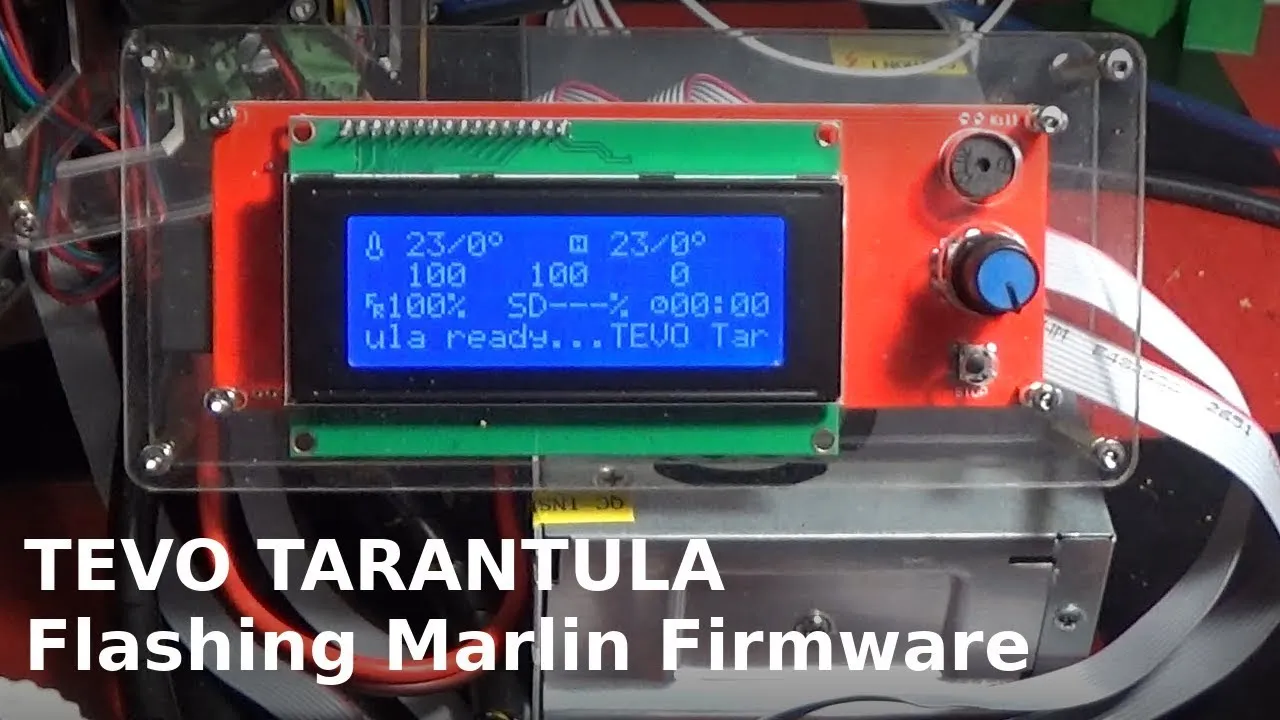
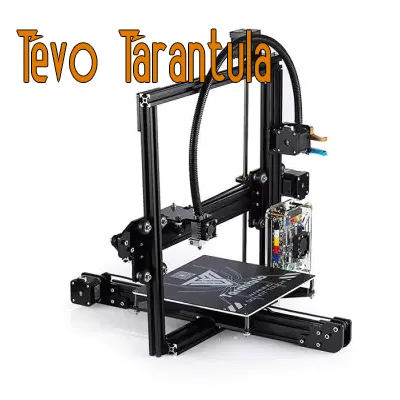
The TEVO Tarantula, a popular DIY 3D printer, is known for its affordability and versatility. However, to unlock its full potential and ensure optimal performance, choosing the right firmware is crucial. Firmware acts as the operating system of your 3D printer, controlling all its functions from the movement of the print head to the heating of the bed. Upgrading to the best firmware can significantly improve your printing experience, leading to higher-quality prints, enhanced stability, and access to advanced features. Making the right choice can transform your TEVO Tarantula from a good printer into a great one, allowing you to explore the full capabilities of 3D printing.
Benefits of Updating Your Firmware
Updating the firmware on your TEVO Tarantula offers a multitude of benefits that directly impact your 3D printing experience. Firmware updates often include bug fixes, performance enhancements, and new feature additions. These improvements can resolve issues you may be experiencing with your current setup and introduce capabilities that were not previously available. Furthermore, regularly updating your firmware ensures that your printer remains compatible with the latest slicing software and 3D printing technologies. Investing time in firmware updates is an investment in the long-term performance and reliability of your 3D printer.
Improved Print Quality

One of the most noticeable improvements after updating your firmware is often the enhancement of print quality. Newer firmware versions frequently include advanced algorithms and control mechanisms that optimize the printer’s movements, temperature control, and extrusion processes. These enhancements result in smoother surfaces, finer details, and reduced imperfections in your printed objects. Upgraded firmware can also improve the printer’s ability to handle complex designs and various materials, expanding your creative possibilities. Ultimately, better firmware leads to better prints.
Enhanced Stability and Reliability
Firmware updates often address known stability issues and bugs that can cause printing failures or inconsistent performance. Improved stability means fewer print interruptions and more reliable operation, allowing you to trust your printer to complete complex projects without constant monitoring. Reliability is critical, especially for longer prints. By updating your firmware, you reduce the risk of failed prints, saving both time and materials. A more stable printer provides a more dependable experience for all your printing needs.
Access to New Features
Firmware developers frequently introduce new features and functionalities to improve the user experience. These may include enhancements to the user interface, support for new materials, or advanced print settings that offer greater control over the printing process. Upgrading firmware can also give you access to features like improved bed leveling, filament runout detection, and remote control capabilities. By keeping your firmware up-to-date, you can continually expand the capabilities of your TEVO Tarantula and stay current with the latest advancements in 3D printing technology.
Top 5 Best Firmware Options for TEVO Tarantula

Choosing the best firmware for your TEVO Tarantula depends on your specific needs and technical expertise. Several popular options offer a range of features and customization options. Here’s a look at the top 5 firmware choices, each with its own strengths and weaknesses, helping you make an informed decision.
1 Marlin Firmware
Marlin is one of the most widely used open-source firmware options for 3D printers, including the TEVO Tarantula. It’s known for its extensive community support, ease of customization, and compatibility with various 3D printing hardware components. Marlin’s popularity stems from its flexibility and the vast number of resources available online, making it an excellent choice for both beginners and experienced users.
Features of Marlin Firmware
Marlin comes packed with features, including advanced motion control, support for various bed leveling methods, and extensive temperature control options. It also supports features like filament runout detection, power loss recovery, and LCD screen control. Its modular design allows for easy customization, so users can add or remove functionalities as needed. This makes Marlin highly adaptable to different 3D printer configurations and user preferences.
Advantages of Marlin Firmware
- Large and active community support
- Highly customizable and adaptable
- Extensive feature set
- Regular updates and bug fixes
- Widely compatible with various hardware
2 Repetier Firmware
Repetier Firmware is another popular option, offering a balance of ease of use and advanced features. It’s often considered a more user-friendly alternative to Marlin, with a focus on simplifying the setup and configuration process. Repetier Firmware also integrates well with Repetier-Host, a popular slicing and printer control software.
Features of Repetier Firmware
Repetier Firmware includes features like advanced slicing capabilities, multi-extruder support, and extensive control options. It also has a built-in web interface for remote control and monitoring of your 3D printer. The firmware is designed to provide a smooth user experience, with an emphasis on simplifying the setup and configuration process through an intuitive interface.
Advantages of Repetier Firmware

- User-friendly interface
- Excellent integration with Repetier-Host
- Advanced slicing capabilities
- Support for multiple extruders
- Web-based remote control and monitoring
3 Smoothieware Firmware
Smoothieware is a powerful, open-source firmware known for its high performance and advanced features. It’s designed to take full advantage of 32-bit microcontrollers, offering improved processing power and smoother movements. Smoothieware is a favorite among users who prioritize print quality and advanced control options.
Features of Smoothieware Firmware
Smoothieware excels in features like advanced motion planning, delta robot support, and high-speed printing capabilities. It also offers features like sensor support, auto bed leveling, and a highly configurable system through text files. Smoothieware is renowned for delivering smooth, accurate prints, making it a great choice for those seeking top-tier performance.
Advantages of Smoothieware Firmware

- High-performance 32-bit processing
- Excellent print quality and speed
- Advanced motion control features
- Highly configurable through text files
- Ideal for advanced users
4 Klipper Firmware
Klipper is a unique firmware that utilizes a host computer (like a Raspberry Pi) to handle the computationally intensive tasks, leaving the 3D printer’s controller to focus on real-time control. This architecture offers superior print quality, speed, and advanced capabilities like input shaping. Klipper is a popular choice for users who seek to push the limits of their 3D printers.
Features of Klipper Firmware
Klipper offers features such as advanced motion planning, pressure advance for improved cornering, and input shaping for reducing vibrations. It also offers remote control and monitoring capabilities via a web interface, as well as enhanced sensor support. Klipper’s architecture allows for significant performance improvements, particularly in terms of print speed and quality.
Advantages of Klipper Firmware

- Exceptional print quality and speed
- Advanced features like input shaping and pressure advance
- Remote control and monitoring
- Utilizes the processing power of a host computer
- Constantly updated with new features
5 TinyBoy Firmware
TinyBoy firmware is designed specifically for small 3D printers or DIY projects. While it might not have all the features of the other options, it’s a solid choice for its simplicity and ease of use. It is designed to run on limited hardware resources.
Features of TinyBoy Firmware
TinyBoy includes essential features such as basic motion control, temperature regulation, and a straightforward configuration process. Its compact size and efficient code make it ideal for less powerful control boards.
Advantages of TinyBoy Firmware

- Simple and easy to use
- Efficient on limited hardware
- Ideal for small printers or DIY projects
- Compact and lightweight
- Good choice for beginners
How to Install Firmware on Your TEVO Tarantula
Installing new firmware on your TEVO Tarantula is a crucial step to unlock its full potential. While the process may seem daunting at first, following the steps outlined below will guide you through it safely and effectively. Always back up your current configuration before making changes, and refer to the specific firmware’s documentation for detailed instructions.
Preparing Your TEVO Tarantula
Before you begin, ensure your TEVO Tarantula is properly connected to your computer via USB. You’ll also need to download the necessary software, which usually includes Arduino IDE and the firmware file you’ve selected. Make sure you have the correct drivers installed for your printer’s control board. It’s also advisable to remove any unnecessary components to prevent accidental damage during the flashing process. Safety first – unplug the printer from the power supply while handling the electronics.
Downloading the Firmware
Go to the firmware’s official website (e.g., Marlin, Repetier) and download the correct version compatible with your TEVO Tarantula. Some firmware may require you to configure the settings before flashing. Use the configuration files and tutorials available on the firmware’s website. Save the downloaded file to a secure location and make a note of the download location so that it will be easy to locate during the flashing process.
Flashing the Firmware
Open the Arduino IDE and select the correct board and port for your TEVO Tarantula’s control board. Load the firmware file into the Arduino IDE, making sure to select the appropriate settings for your printer’s configuration. Upload the firmware to your printer. The upload process may take a few minutes, and you will be able to see the progress in the IDE’s console. After uploading, the new firmware is successfully installed on your TEVO Tarantula.
Testing and Calibration
After flashing the firmware, it is essential to test its functionality. You can begin by connecting your printer to your computer. Then, use your slicing software to upload a test print. During the print, monitor the printer to ensure all the functions work correctly, including temperature control, bed leveling, and movement control. Make sure you also calibrate your printer by following the specific instructions for the firmware. This includes adjusting the steps, bed leveling, and any other parameters required for the best performance.
Troubleshooting Common Firmware Issues
Even with the best firmware, you may encounter some issues. Understanding how to troubleshoot common problems can help you quickly resolve them and get back to printing. Always consult the firmware’s documentation, community forums, and online resources for solutions.
Print Quality Problems
If you notice poor print quality, start by checking the mechanical components of your printer, such as the belts, pulleys, and frame. Ensure everything is properly aligned and tightened. Re-level the bed and adjust your Z-offset. Calibrate your extruder steps and adjust the printing speed and temperature settings. Sometimes it could be a software or firmware issue. Explore different print settings in your slicer to determine if it is a software-specific issue.
Connectivity Issues
If your printer is not connecting to your computer or slicing software, make sure the USB cable is securely connected and that the correct drivers are installed. Check the baud rate settings in your firmware and slicing software to ensure they match. Try restarting your computer and printer. If the problem persists, consider reinstalling the drivers or trying a different USB port.
Firmware Configuration Errors
Incorrect firmware configuration can lead to various issues. Double-check your firmware settings and ensure they are compatible with your printer’s hardware. Common problems include incorrect thermistor settings, motor direction issues, and endstop configuration errors. If you are unsure, seek help from online forums and consult the firmware’s documentation. You may also need to reflash the firmware.
Conclusion Best TEVO Tarantula Firmware
Choosing the best firmware for your TEVO Tarantula is a significant step in optimizing your 3D printing experience. By understanding the different options available and the benefits of upgrading your firmware, you can unlock your printer’s full potential. Whether you opt for the versatility of Marlin, the user-friendliness of Repetier, the performance of Smoothieware, the innovation of Klipper, or the simplicity of TinyBoy, selecting the right firmware and taking the time to install and configure it correctly will enhance your print quality, stability, and overall satisfaction. Remember to troubleshoot any issues and keep your firmware updated for the best results.