Introduction
Tarantulas, with their imposing size and hairy bodies, have captivated and sometimes frightened people for centuries. These fascinating arachnids are not just visually striking; they also represent a remarkable diversity of species, with sizes that vary dramatically. This article delves into the realm of the largest tarantula species, exploring the giants of the spider world. We’ll examine what truly defines a ‘biggest’ tarantula, looking at both body length and leg span, before showcasing the top five contenders for the title of the world’s largest tarantula. Prepare to be amazed by these incredible creatures, their characteristics, and their habitats. Understanding these magnificent spiders not only enhances our appreciation for biodiversity but also aids in dispelling common misconceptions and fostering responsible conservation efforts. Join us as we journey into the world of giant tarantulas, revealing the secrets of these captivating arachnids and celebrating their place in the natural world.
What Defines a ‘Biggest’ Tarantula?
When discussing the ‘biggest’ tarantula, the criteria can be somewhat ambiguous, as size can be measured in different ways. The two primary metrics used to determine the size of a tarantula are body length and leg span. Body length measures the size of the spider’s cephalothorax (the combined head and chest) and abdomen, providing an indication of the spider’s overall mass. Leg span, on the other hand, is the distance between the tips of the front legs on one side to the tips of the back legs on the opposite side when the spider is fully extended. Leg span often gives a more dramatic impression of the tarantula’s size, as it highlights the reach and presence of the spider. However, it is essential to consider both measurements to fully appreciate the size of these creatures. A tarantula with a shorter body length may have a very impressive leg span, and vice versa. Both measurements offer valuable insights into the physical characteristics of these impressive arachnids.
Body Length vs. Leg Span

The choice of which measurement to prioritize often depends on the context. For example, researchers might focus on body length when studying the spider’s physiology or analyzing its feeding habits. The leg span, however, is often the more eye-catching figure, as it is the first thing observers notice. The leg span is also useful in the context of comparing one species to another, especially when a tarantula is in a defensive posture. A large leg span can also indicate a greater area for sensory organs, helping the spider detect prey and threats. The actual size also depends on individual factors like nutrition, age, and general health. Thus, when exploring the ‘biggest’ tarantulas, both body length and leg span are important and together provide a comprehensive perspective on these remarkable arachnids. Understanding these measurements allows us to make an informed comparison of the various species and appreciate their individual characteristics.
Top 5 Biggest Tarantula Species
The following list presents five of the largest tarantula species in the world, based on a combination of body length and leg span measurements. These tarantulas are truly impressive examples of size and power within the spider world. They are not only among the largest but also exhibit unique characteristics and adaptations that make them fascinating subjects of study. Each of these tarantulas plays a vital role in its respective ecosystem, from controlling insect populations to providing a food source for larger predators. Their diversity in appearance, behavior, and habitat highlights the incredible variety found within the tarantula family, making them an intriguing group of animals.
Goliath Birdeater (Theraphosa blondi)
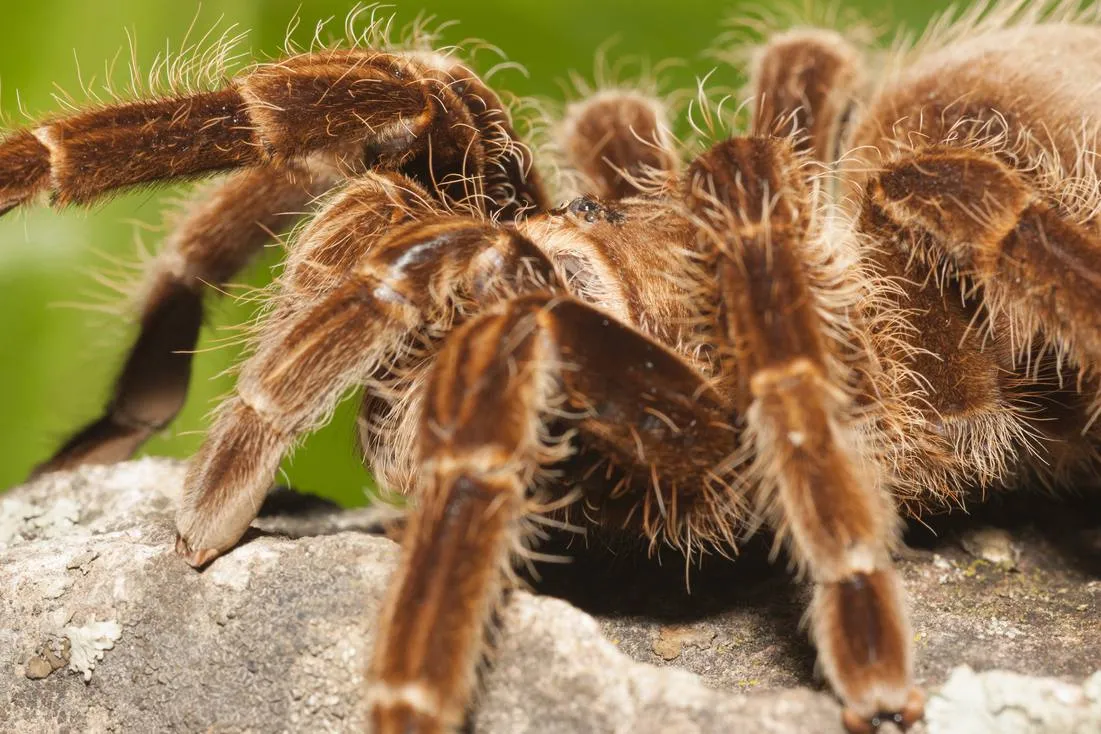
The Goliath Birdeater (Theraphosa blondi) is often considered the largest tarantula species based on its leg span, which can reach up to 12 inches (30 cm) or more. These giants are a sight to behold. They are native to the rainforests of northern South America and are known for their imposing size and defensive behavior. Their massive size isn’t just for show; it’s an adaptation for survival in the dense forest environment where they live, allowing them to effectively hunt their prey and defend themselves against threats. This species has a prominent place in the world of tarantulas, symbolizing both the beauty and the challenge of coexisting with the wild.
Appearance and Characteristics

The Goliath Birdeater boasts a formidable appearance, with a robust body covered in reddish-brown hairs. Its chelicerae, the mouthparts, are large and capable of injecting venom, though not typically lethal to humans. The spider’s sheer size makes it one of the most easily recognizable tarantulas. Its legs are thick and powerful, designed for navigating the forest floor and securing its prey. The Goliath Birdeater also has urticating hairs, which it flicks off its abdomen as a defense mechanism, causing skin irritation to deter potential predators. These hairs serve as a protective shield, as well as a warning sign for larger creatures who dare to approach the mighty Goliath.
Habitat and Distribution
These massive spiders are found in the rainforests of northern South America, including countries such as Guyana, Suriname, French Guiana, and parts of Brazil and Venezuela. They prefer humid environments and typically live in burrows, often near swamps or in areas with dense vegetation. Their habitat provides them with plenty of shelter and access to the insects and small vertebrates that form the bulk of their diet. They are nocturnal hunters, emerging from their burrows at night to ambush their prey. Conservation efforts are crucial to protecting their habitats, as deforestation and habitat loss pose a threat to their survival.
Pinkfoot Goliath (Theraphosa apophysis)
The Pinkfoot Goliath (Theraphosa apophysis) is a close relative to the Goliath Birdeater, sharing its massive size and impressive leg span. The species is known for its distinctive pinkish feet, which add a touch of color to its otherwise imposing appearance. Like its cousin, the Pinkfoot Goliath is a formidable predator, adapted to survive in the dense rainforest habitats. The Pinkfoot Goliath is similar in size and general characteristics to the Goliath Birdeater, making it another top contender for the title of the world’s largest tarantula. The Pinkfoot Goliath’s presence in the rainforest underscores the biodiversity and the importance of conserving these ecosystems.
Appearance and Characteristics
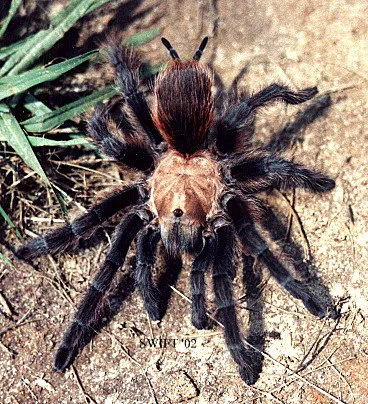
The Pinkfoot Goliath is characterized by its large size and reddish-brown body. What sets it apart is its distinctive pinkish coloration on the tarsi (feet). These spiders have powerful chelicerae and urticating hairs for defense. The pink coloration is not just an aesthetic feature; it may have a role in camouflage or species recognition. The Pinkfoot Goliaths are known for their aggressive nature, adding to their intimidating reputation. These traits make them both fascinating and challenging to study, highlighting the complex adaptations found within the tarantula family.
Habitat and Distribution
The Pinkfoot Goliath is found in the rainforests of northern South America, including parts of Brazil and Venezuela. They share similar habitat preferences with the Goliath Birdeater, favoring humid environments. Like other large tarantulas, they are burrowing spiders that construct their homes in the soil, using the shelter for hunting and protection from predators. The protection of these forests is critical for their survival. These spiders are sensitive to habitat disturbance, and deforestation could significantly affect their populations. The presence of the Pinkfoot Goliath is a reminder of the rich biodiversity that needs to be preserved.
Brazilian Giant Blonde (Lasiodora parahybana)
The Brazilian Giant Blonde (Lasiodora parahybana) is another giant in the tarantula world, frequently reaching impressive sizes. They are popular in the pet trade due to their size and relatively docile temperament compared to some other species. These spiders have a distinct appeal to hobbyists and provide a fascinating example of how species adapt to survive and thrive in their native environment. The Brazilian Giant Blonde’s size makes it stand out, drawing attention to the fascinating diversity in the tarantula world and demonstrating the allure of these creatures.
Appearance and Characteristics

The Brazilian Giant Blonde is known for its large size and light brown coloration. They have long, robust legs covered in fine hairs, and they possess urticating hairs for defense. Their body is covered with golden hairs, giving them a blonde appearance, hence the name. These tarantulas are relatively fast growers and can reach impressive sizes within a few years. The Brazilian Giant Blonde is a hardy species, which makes them a favorite for beginners. This species is a great illustration of the beauty and resilience of tarantulas.
Habitat and Distribution
These spiders are native to the rainforests of Brazil, where they live in burrows. They prefer a humid environment and a varied diet of insects and small vertebrates. They are mostly terrestrial hunters, ambushing their prey on the ground. Their habitat is essential for their survival. Protecting their natural environment is crucial to maintain their population and to protect the integrity of the ecosystem. They have adapted to the conditions, using their surroundings to their advantage to ensure their survival. Conservation and sustainable practices are crucial to help ensure their long-term survival.
Burgundy Goliath Birdeater (Theraphosa stirmi)
The Burgundy Goliath Birdeater (Theraphosa stirmi) is often mistaken for the Goliath Birdeater, and they are similarly impressive in size. This species is known for its deep reddish-brown coloration, offering a striking contrast to its massive size. They are a truly amazing sight. This tarantula exhibits many of the same characteristics as the Goliath Birdeater but differs in its specific coloration and some minor morphological features. They have gained popularity in the pet trade due to their size and appearance. The Burgundy Goliath Birdeater is a remarkable example of the diversity within the Theraphosa genus, illustrating how slight variations can create unique species.
Appearance and Characteristics

The Burgundy Goliath Birdeater is distinguished by its rich, burgundy-brown coloration, which covers its body and legs. They have urticating hairs, just like other Theraphosa species, and large chelicerae. They are also one of the biggest tarantulas, and they have a robust body shape. Their impressive size and distinct coloration make them a favorite of enthusiasts. These spiders are a reminder of the spectacular diversity found within the tarantula family, each exhibiting unique traits that adapt them to their surroundings.
Habitat and Distribution
These tarantulas are native to the rainforests of northern South America, particularly in areas of Guyana and Suriname. They live in burrows in the ground, often near bodies of water. Their preferred habitat is humid and warm, which suits their needs. They are nocturnal hunters and feed on insects and small vertebrates. Conservation is important to maintain their survival. They play a role in their ecosystem as predators, helping to keep insect populations under control. Supporting sustainable practices is vital in conserving their natural environment and ensuring the species thrives.
Largest Tarantula Species Size Comparison
Comparing the sizes of the top tarantula species reveals some fascinating insights. While the Goliath Birdeater and Pinkfoot Goliath often top the list for leg span, other species like the Brazilian Giant Blonde and Burgundy Goliath Birdeater are also formidable in size. These species comparisons provide a clear illustration of the diversity in the size and appearance of these creatures, highlighting how each tarantula has adapted to thrive in its specific environment. It is important to consider both body length and leg span, and also to remember that size can vary between individuals. The differences between these tarantulas demonstrate how each species has carved out its niche within the spider world, contributing to the rich tapestry of life on Earth.
Other Large Tarantula Contenders

Beyond the top five, there are several other tarantula species that merit attention for their considerable size. These other large tarantula species can be considered as contenders for the title of the largest tarantula. These species are an amazing addition to the diversity of the tarantula family. They include the Tiger Rump Tarantula (Psalmopoeus irminia), which has a notable size and a striking appearance. Also, the Greenbottle Blue Tarantula (Chromatopelma cyaneopubescens) is another example, which, while not the largest, is known for its vibrant colors and impressive size. These spiders offer a glimpse of the broad spectrum of sizes and the amazing adaptations that exist within this group of arachnids. Each species holds an important place in its ecosystem and adds to the overall wonder of the natural world. They stand as a reminder of the incredible diversity of life on our planet.
Conclusion
The world of the biggest tarantula species is a realm of impressive size, fascinating adaptations, and remarkable diversity. From the Goliath Birdeater with its enormous leg span to the colorful Brazilian Giant Blonde, each of these tarantulas plays a crucial role in its ecosystem. These spiders inspire awe and appreciation for the wonders of nature. Understanding these creatures not only enriches our knowledge of the natural world but also underscores the need for conservation efforts to protect their habitats. As we learn more about these magnificent arachnids, we gain a greater respect for the complex web of life and the importance of preserving the planet’s biodiversity. It also underscores the importance of responsible pet ownership and the need for careful consideration before taking on the care of these animals.
Caring for Large Tarantula Species
Caring for large tarantula species requires a significant commitment to ensure their well-being. These spiders need a spacious enclosure with the appropriate substrate, humidity, and temperature levels to mimic their natural habitat. Providing a varied diet of insects and ensuring access to fresh water is essential. Regular handling should be kept to a minimum, as it can stress the spider. Researching the specific needs of each species is paramount. This careful care helps ensure that these magnificent arachnids remain healthy. Understanding these spiders is a rewarding experience. By providing the best care possible, you can enjoy watching and learning about them.