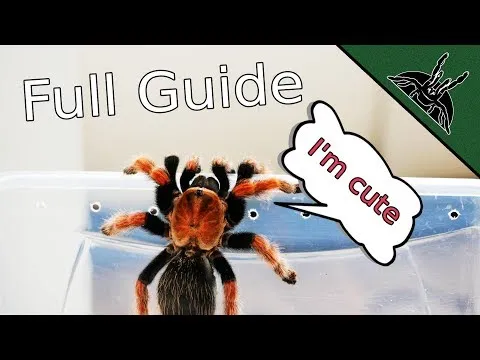
Birdeater Tarantula Cost Overview
Owning a birdeater tarantula, while rewarding, comes with certain costs. These magnificent creatures, known for their impressive size and striking appearance, require a commitment that extends beyond just admiration. Understanding the financial implications is crucial before bringing one of these arachnids into your home. The initial investment includes the tarantula itself, a suitable enclosure, substrate, and various accessories. However, the ongoing expenses of food, heating, lighting, and potential veterinary care must also be factored in. This comprehensive guide provides a detailed breakdown of the birdeater tarantula cost, helping you make informed decisions and ensuring you can provide the best possible care for your new pet. This guide will give you the information you need to responsibly care for your birdeater tarantula.
Factors Influencing Birdeater Tarantula Cost
Several factors significantly influence the cost of a birdeater tarantula. These elements range from the specific species and size to the source of purchase and the presence of unique characteristics like morphs or color variations. Understanding these factors allows potential owners to budget effectively and make informed choices that align with their preferences and financial capacity. The initial price tag is just the beginning. Considering these various influences provides a more realistic picture of the overall investment required for responsible birdeater tarantula ownership. Furthermore, knowing these factors can help you identify potential savings without compromising the well-being of your pet. Let’s delve into the specifics of each influencing factor to give you a better understanding of the expenses associated with owning a birdeater tarantula.
Species and Size Impact

The species of birdeater tarantula you choose has a direct impact on the cost. Some species, like the Goliath Birdeater (Theraphosa blondi) or the Pinkfoot Goliath (Theraphosa apophysis), are rarer or more in demand, often commanding higher prices. Furthermore, the size of the tarantula also plays a role. Larger, more mature specimens typically cost more than smaller slings (spiderlings). This is because larger tarantulas represent a greater investment of time and resources by the breeder. As a result, the price often reflects the increased time and resources that go into raising them. Therefore, when budgeting, it is crucial to consider the species and size of the tarantula you desire, as this is a key factor in determining the initial cost. Moreover, the size impacts enclosure costs, further impacting the initial cost.
Morph and Coloration
Similar to other exotic pets, birdeater tarantulas with unique color morphs or patterns can be more expensive than standard varieties. These color variations often arise through selective breeding or natural genetic mutations. The rarity and aesthetic appeal of these morphs drive up their market value. Breeders often invest significant effort to produce and maintain these unique colorations, resulting in higher prices. If you have a preference for a particular color or pattern, be prepared to pay a premium. However, it’s important to prioritize the health and well-being of the tarantula over its appearance. Ensure that the breeder is reputable and that the tarantula is healthy and well-cared for, regardless of its coloration. The visual appeal might be a factor, but the overall health is the most important aspect.
Age and Maturity
The age and maturity of the tarantula also influence the price. Slings (spiderlings) are generally the least expensive option, but they require more care and expertise due to their fragility. Juvenile tarantulas are often priced higher than slings, while adult tarantulas, especially mature females, command the highest prices. Mature females are particularly valuable because of their reproductive potential and the potential for producing offspring. Keep in mind that buying a younger tarantula requires more patience. It can take several years for a sling to reach its full size. Consider your experience level and time commitment when deciding on the age of your birdeater tarantula. An adult tarantula may cost more upfront but require less specialized care. This will influence the total cost, including supplies, over the lifespan of the tarantula.
Source of Purchase

Where you purchase your birdeater tarantula significantly impacts the cost. Reputable breeders are often the best source, as they prioritize the health and well-being of their tarantulas. While they may charge slightly more than pet stores, they typically offer healthier specimens and provide valuable information about the tarantula’s care. Pet stores can be a convenient option, but the tarantulas may not always receive the same level of care. Auctions and online marketplaces can sometimes offer lower prices, but they also carry greater risks. Always research the seller and read reviews before making a purchase. Verify the tarantula’s health and ask for information about its origin and care. The source should be well-informed and have a solid reputation in the tarantula community. This decision influences more than just the purchase price. Choosing a reputable breeder can save you money and heartache in the long run.
Cost of Supplies and Setup
Setting up a proper habitat for your birdeater tarantula involves several essential supplies, each contributing to the overall cost. The initial setup costs are a significant part of the overall expense. The right enclosure size, substrate, decorations, and necessary equipment can impact the comfort and well-being of your tarantula. Furthermore, there are ongoing costs for replacements and upgrades. Taking time to plan the setup thoughtfully can minimize costs while ensuring that your tarantula has a safe and enriching environment. Moreover, these costs may vary depending on the size and needs of your tarantula. The following sections will offer a more detailed breakdown of each item and what to expect in terms of costs.
Enclosure Requirements
The enclosure is the most significant initial expense. The size of the enclosure will depend on the size of the tarantula. A juvenile birdeater tarantula will need a smaller enclosure than an adult. A secure, well-ventilated enclosure is crucial, as birdeater tarantulas are strong and can easily escape if the enclosure is not properly secured. You can choose from various materials, including glass, acrylic, or plastic. Glass enclosures are often the most expensive but offer excellent visibility. Ensure the enclosure is properly sized. Enclosures that are too large may make it difficult for the tarantula to find its prey and potentially stress the animal. Avoid enclosures with mesh lids, as tarantulas can get their fangs or legs caught. Make sure the enclosure has a secure lid. Remember to factor in the cost of the enclosure when budgeting for your tarantula.
Substrate and Decorations

The substrate is the material that lines the bottom of the enclosure, providing a suitable environment for the tarantula. The best substrate for birdeater tarantulas is a mix of coconut fiber, peat moss, and sphagnum moss. This blend helps to retain moisture and provides a burrowing material. The cost of substrate is relatively low. It needs to be replaced periodically. You can enhance the enclosure with decorations like cork bark, artificial plants, and hides to provide a more stimulating environment. These decorations offer hiding places and enrichment, mimicking the tarantula’s natural habitat. The cost of decorations can vary. Purchasing them gradually over time can help spread the cost. Clean the enclosure regularly, especially if you are using live decorations.
Heating and Lighting
Birdeater tarantulas require a specific temperature range to thrive. In most cases, supplemental heating is needed. A heat mat or ceramic heat emitter can be used to maintain the appropriate temperature. Heat lamps should be used with caution, as they can dry out the enclosure. Monitoring the temperature with a reliable thermometer is essential. The cost of heating equipment can vary depending on the size of the enclosure and the type of equipment used. Lighting is generally not required for birdeater tarantulas. If you choose to use lighting, avoid bright lights and UV light. A low-wattage LED bulb can be used for viewing. Be sure to consider the ongoing costs of electricity when factoring in the cost of heating and lighting.
Food and Feeding
The cost of feeding your birdeater tarantula is an ongoing expense. Their diet consists primarily of insects, but the type of food, feeding frequency, and the size of your tarantula affect the costs. They require a varied diet to ensure they receive all the nutrients they need. Planning your feeding schedule and knowing where to get the best prices on food is crucial for managing the costs of ownership. In addition, consider the impact of your tarantula’s growth stage on its dietary needs. These aspects influence the overall costs of owning a birdeater tarantula. Careful consideration and planning is crucial for managing costs effectively.
Types of Food

The primary food source for birdeater tarantulas is live insects. Crickets, roaches, mealworms, and superworms are common choices. The cost of these insects varies depending on where you purchase them. Buying in bulk is often more cost-effective, but it requires proper storage to prevent the insects from dying. It’s also possible to breed certain insects yourself, which can reduce your feeding costs. The nutritional value of the food also matters. Feed your tarantula a variety of insects to ensure a balanced diet. Occasional treats, such as pre-killed pinky mice, can be offered to adult tarantulas, but these should be given sparingly. Consider the cost of food options to find the best balance of value and nutrition. Choose the options that will best suit your financial situation and your tarantula’s dietary needs.
Feeding Frequency
The feeding frequency depends on the tarantula’s age, size, and metabolism. Spiderlings require more frequent feedings than adult tarantulas. Generally, slings should be fed every 2–3 days, while juveniles can be fed every 3–5 days. Adult tarantulas can be fed once or twice a week. Overfeeding can lead to health problems. Adjust the feeding frequency based on the tarantula’s body condition. A well-fed tarantula will have a plump abdomen. Monitor your tarantula’s eating habits and adjust accordingly. Providing the right amount of food will help prevent waste and save money. This will optimize their growth and overall well-being while maintaining a cost-effective approach to their care. Careful planning and observation will help you feed them correctly.
Health and Veterinary Costs
Like all pets, birdeater tarantulas can experience health problems. While they are generally hardy, the potential for health issues and the associated veterinary costs is important to consider. Regular observation, a good understanding of common health problems, and knowing when to seek veterinary care are crucial aspects of responsible tarantula ownership. These factors, combined with proactive measures, can help minimize potential health risks and associated expenses. Understanding potential health issues helps you prepare and provide the best possible care for your pet, reducing the overall financial burden.
Common Health Issues

Birdeater tarantulas can be susceptible to certain health issues. Common problems include mites, which can be introduced through contaminated substrate or insects. Mites are easily treatable with proper care. Other potential problems include mold and fungal infections, which can be caused by poor enclosure hygiene or excessive humidity. Ensure that the enclosure is kept clean and that the humidity levels are appropriate for the species. Injuries can occur if the tarantula falls or gets stuck in the enclosure. Providing a safe environment minimizes the risk of injury. Be sure to regularly check your tarantula for any signs of illness or injury, such as lethargy, loss of appetite, or unusual behavior. Early detection and treatment are crucial for avoiding costly veterinary bills.
Veterinary Care
Finding a veterinarian experienced in treating exotic pets, specifically arachnids, is essential. Not all veterinarians have experience with tarantulas. Research veterinarians in your area before purchasing your tarantula. Make sure to establish a relationship with an exotic animal veterinarian for checkups and emergencies. If your tarantula shows any signs of illness, seek veterinary care immediately. The cost of veterinary care can vary depending on the type of treatment required. However, early intervention can often prevent serious health problems and reduce the overall costs. Prevention, proper husbandry, and quick action if problems arise can help keep the veterinary costs low. Be proactive and be prepared to seek professional help when needed to ensure the well-being of your birdeater tarantula. Establish a relationship with a vet beforehand to avoid extra stress during an emergency.
Long-Term Ownership Costs
Beyond the initial setup and purchase price, there are ongoing expenses associated with owning a birdeater tarantula. These costs add up over the course of the tarantula’s lifespan, which can be many years. Some of these include food, substrate, electricity, and the replacement of equipment. Proper planning and budgeting are vital for managing these long-term expenses effectively. The long-term cost should be part of your decision-making process. Understanding these costs enables you to provide consistent care. This can help you avoid financial strain and ensures your tarantula’s well-being for its entire lifespan. These expenses are manageable, so careful planning and a commitment to responsible ownership make owning a birdeater tarantula a rewarding experience.
Tips for Saving on Birdeater Tarantula Costs
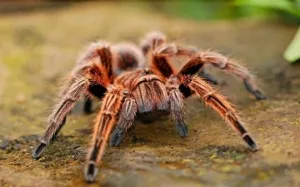
There are several ways to minimize the costs of owning a birdeater tarantula without compromising its care. Purchasing supplies in bulk can save money. Shop around for the best prices on food, substrate, and other essentials. Consider making your own enclosure. This can be a cost-effective option, especially for larger enclosures. Research and plan your setup carefully to avoid unnecessary purchases. Avoid impulse buys. It’s very easy to want the most expensive items. By creating a budget and sticking to it, you can make informed decisions. Look for sales and discounts at local pet stores or online. Choose the right tarantula from the start. Avoid purchasing very expensive tarantulas unless you are ready to commit. Prioritize proper care and husbandry to prevent health problems. These tips provide a path towards saving money while ensuring the tarantula receives the best possible care. This will help you to enjoy the experience of owning a birdeater tarantula.