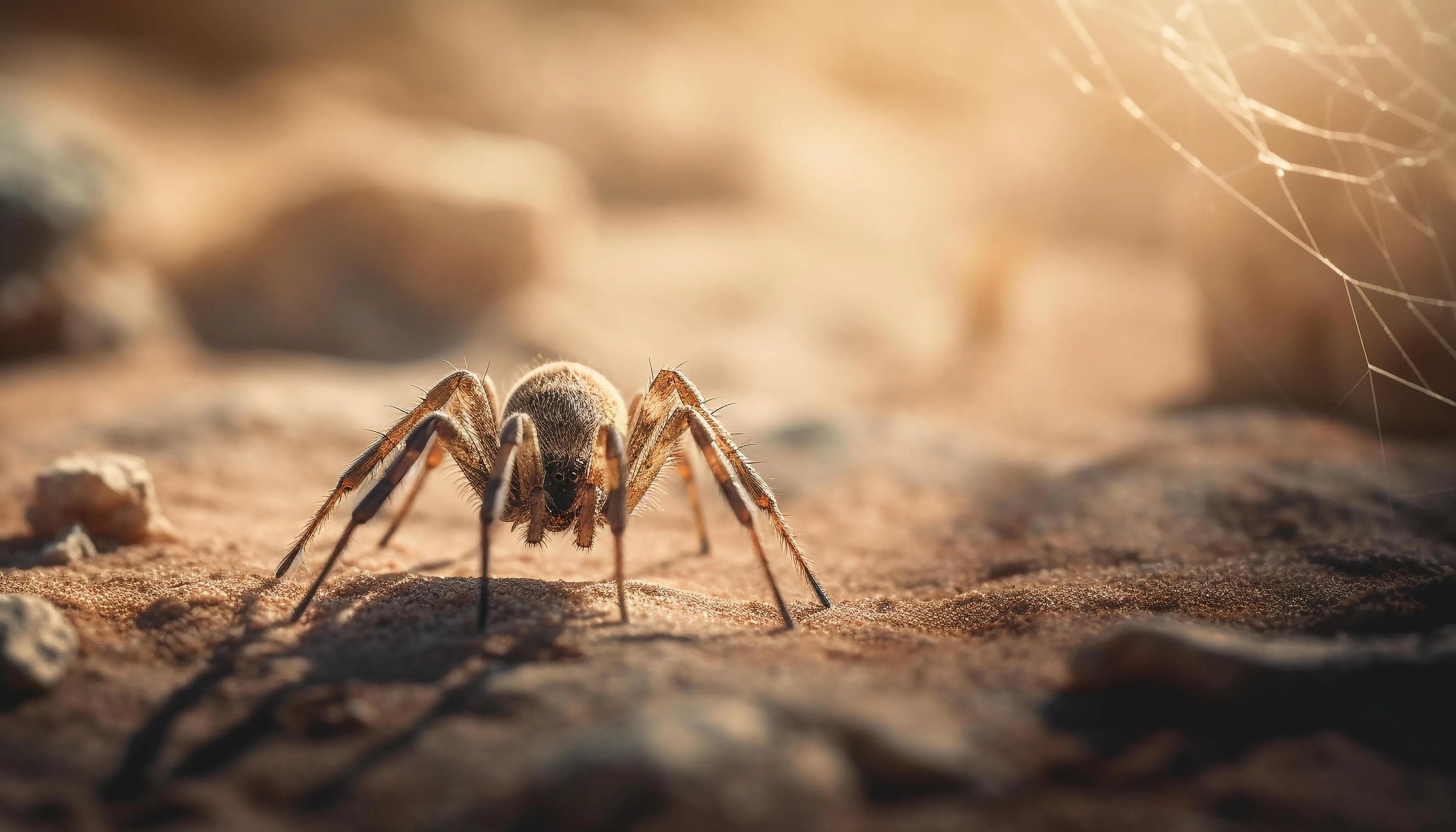
What is a Birdeater Tarantula’s Web?
The birdeater tarantula, a giant among spiders, is not known for constructing elaborate webs like some of its smaller cousins. Instead, the birdeater tarantula uses its silk to create a more modest, yet highly functional, web. This web serves primarily as a silken retreat, a base of operations, and a strategically placed network for detecting prey. Unlike the intricate, three-dimensional webs spun by orb-weavers, the birdeater tarantula’s web is often a more irregular and less visually prominent structure. It is typically found within the tarantula’s burrow, around the entrance, or in the surrounding area, providing a tactile and sensory extension of the spider’s presence. Understanding the purpose and function of this web is key to appreciating the birdeater tarantula’s survival strategies in its natural habitat, demonstrating a unique adaptation to its environment.
Web Structure and Design
The structure of the birdeater tarantula’s web is fundamentally different from the complex webs of other spider species. It is designed to be a ground-level structure, often consisting of a network of silk threads radiating from the burrow entrance. The design of the web is not about trapping prey in the traditional sense, but rather about providing the tarantula with crucial information about its surroundings. The silk threads are laid out in a somewhat random pattern, but they serve as trip lines, alerting the tarantula to the presence of potential prey or predators. This web structure is perfectly suited to the birdeater tarantula’s lifestyle, which involves ambushing prey that comes close to its burrow or foraging in the immediate vicinity. It’s a simple design that meets the tarantula’s specific needs, making it a highly effective tool for survival.
Silk Production Process

Birdeater tarantulas, like all spiders, produce silk from spinnerets located at the end of their abdomen. These spinnerets are essentially nozzles that extrude liquid silk, which hardens upon contact with air. The production process is a remarkable feat of biological engineering, with the tarantula controlling the silk’s properties by adjusting the protein composition and the way it is spun. The silk is created within specialized glands inside the tarantula’s abdomen. The liquid silk is then forced through the spinnerets, which can create different types of silk with varying characteristics, depending on the tarantula’s needs. This process allows the birdeater tarantula to create the diverse range of silk threads used for its web, its burrow lining, and even the egg sac. The efficiency and versatility of this process underscore the evolutionary success of these arachnids.
Specialized Silk Types
Birdeater tarantulas don’t rely on a single type of silk, but rather utilize several, each with unique properties. The silk used for their webs is typically less sticky than the capture threads of other spiders, as the birdeater tarantula is more of an ambush predator. This type of silk is designed for strength and durability, able to withstand the rigors of the tarantula’s lifestyle. They also produce a different type of silk for creating the lining of their burrows, which provides a safe and stable environment. This silk is often thicker and more water-resistant, protecting the tarantula from the elements. Another type of silk is used to create the egg sac, which is designed to protect the eggs from predators and environmental hazards. The ability to produce such a diverse range of silks highlights the remarkable adaptability of the birdeater tarantula.
Web’s Role in Prey Capture
The birdeater tarantula’s web plays a crucial role in prey capture, albeit in a different way than traditional webs. The web doesn’t actively trap prey, but rather acts as an early warning system. The silk threads act as trip lines, vibrating when disturbed by potential prey. These vibrations are detected by the tarantula, alerting it to the presence of a meal. The spider can then ambush the unsuspecting prey, using its powerful fangs to subdue it. This is a more passive hunting strategy compared to spiders that actively ensnare their prey in sticky webs, but it is highly effective for the birdeater tarantula. Its web is part of a larger hunting strategy, using the environment to gain an advantage. The web’s strategic placement near the burrow entrance makes it even more effective, as the tarantula can quickly respond to any disturbance in the web.
Web as a Sensory Tool

Beyond prey capture, the birdeater tarantula’s web serves as a vital sensory tool, providing information about its surroundings. The silk threads are incredibly sensitive to vibrations, acting like a spider’s version of a highly tuned antenna. Through these threads, the tarantula can sense the movement of prey, predators, and even changes in the environment. The web can even help the tarantula identify the type of intruder based on the frequency and pattern of vibrations. This is crucial for its survival, allowing it to quickly react to threats or opportunities. This sophisticated use of its web as a sensory tool demonstrates the birdeater tarantula’s impressive ability to adapt and thrive in its environment. The spider’s reliance on the web as a sensory tool highlights its dependence on environmental cues for survival.
Web’s Function for Molting and Shelter
The birdeater tarantula’s web also serves critical functions during molting and as a primary shelter. The burrow, often lined with silk, provides a secure and protected environment for the tarantula to shed its exoskeleton. During molting, the tarantula is vulnerable, so the web-lined burrow offers a defense against predators and environmental threats. The silk also helps maintain the burrow’s structure, preventing collapse and providing insulation. The web’s structure also aids in regulating the humidity within the burrow, which is crucial for the tarantula’s health. The web plays a critical role in the tarantula’s life cycle, from protecting the spider during molting to providing a safe space for growth and development. These are crucial elements for the tarantula’s longevity.
Web Maintenance and Construction
Birdeater tarantulas actively maintain and construct their webs. They regularly repair any damage to the silk threads, ensuring the web remains effective as a sensory tool and a part of their ambush strategy. They might add new threads or remove old ones, depending on the needs of the environment and the spider’s activities. The construction of the web is an ongoing process, as the tarantula grows and adapts to changes in its environment. The spider continuously works to maintain the structural integrity of the burrow, reinforcing the entrance and the surrounding silk network. This constant effort highlights the importance of the web in the tarantula’s daily life and long-term survival. These maintenance activities are a testament to the spider’s intelligence and its ability to adapt to its environment.
Web and Environmental Factors

The birdeater tarantula’s web is also influenced by environmental factors. Humidity, temperature, and the availability of prey can affect the web’s structure and maintenance. In dry environments, the tarantula may construct a thicker web to help retain moisture. The presence of abundant prey can also affect the web, as the tarantula might spend more time hunting and less time on web maintenance. Environmental changes, such as seasonal variations, can also affect the web, with the spider adapting its construction to the specific conditions. These adaptations demonstrate the spider’s ability to thrive in a variety of habitats. By understanding how environmental factors impact the web, we gain a deeper understanding of the birdeater tarantula’s resilience.
Evolution of Spider Webs
The evolution of spider webs is a fascinating field of study, with the birdeater tarantula’s web representing an earlier stage in web development. The earliest spider webs were likely simple retreats, similar to the burrows and silk structures used by modern tarantulas. As spiders evolved, so did their webs, with some species developing more complex and effective structures for capturing prey. The birdeater tarantula’s web, though relatively simple, represents a successful adaptation to its environment, serving its specific needs. The study of web evolution helps us understand the diversity of spiders and their incredible adaptability. This diversity showcases the efficiency of nature’s design and the power of evolution.