Black Tarantula Slings Facts
The Brazilian Black Tarantula, a captivating arachnid, is a popular choice among tarantula enthusiasts. Its striking appearance and relatively docile nature make it an appealing pet, particularly in its sling stage. Understanding the basics of Brazilian Black Tarantula slings is crucial for providing them with the proper care they need to thrive. This guide provides a comprehensive overview of these fascinating creatures, including essential facts, care tips, and insights into their behavior and needs. Whether you’re a seasoned arachnid keeper or a curious beginner, this guide will equip you with the knowledge to successfully care for a Brazilian Black Tarantula sling.
What is a Brazilian Black Tarantula Sling
A tarantula ‘sling’ refers to the juvenile stage of a tarantula, typically from the time it hatches until it reaches a certain size and maturity. Brazilian Black Tarantula slings are essentially baby Brazilian Black Tarantulas. They are significantly smaller than adult tarantulas, often measuring only a few millimeters in body length. This initial phase is critical for their development, during which they are particularly vulnerable and require specialized care. Their small size and delicate nature mean that their environment, feeding, and handling need to be carefully managed to ensure their survival and healthy growth. The term “sling” highlights the early stages of the tarantula’s life, focusing on their initial growth and care requirements before they mature into adults.
Appearance and Characteristics

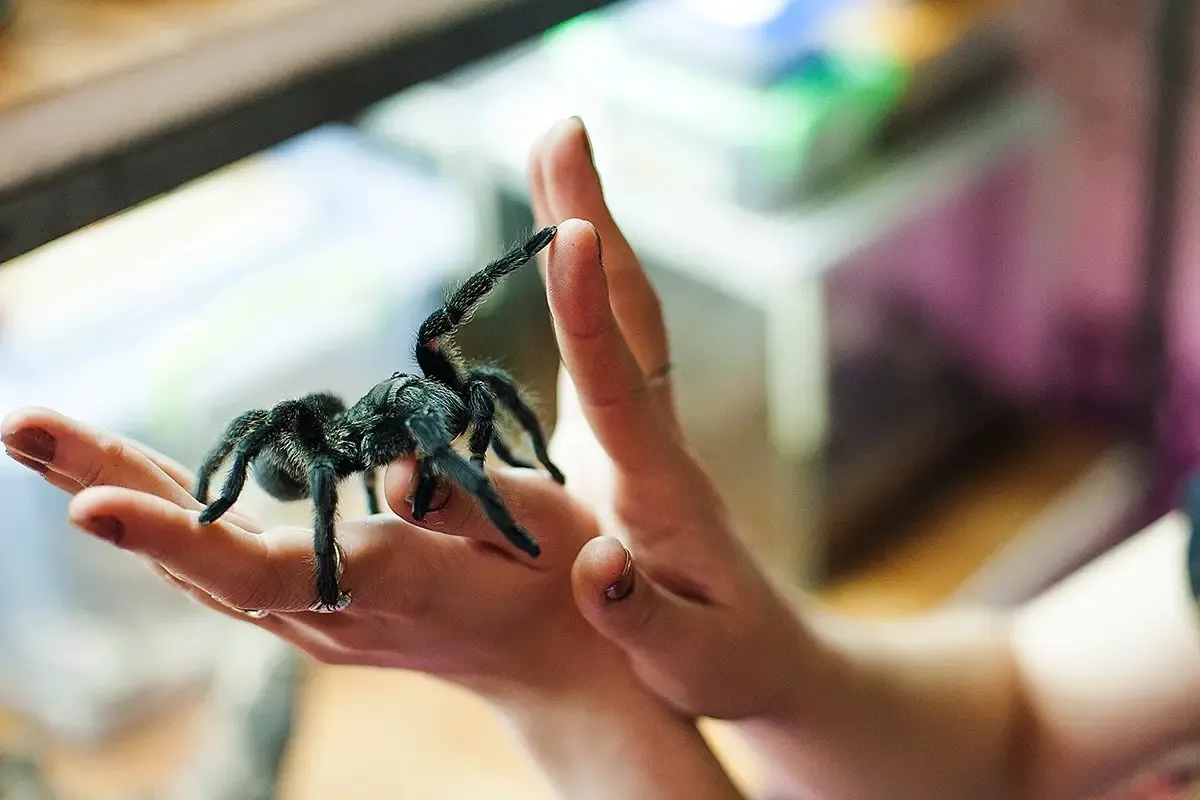
Brazilian Black Tarantula slings, as their name suggests, are predominantly black in color, though the intensity of the black may vary. They often exhibit a velvety appearance, especially as they molt and grow. At this early stage, their bodies are delicate, and they possess relatively small fangs, although these are fully functional. Their size is minute, making their movements swift and often hard to follow. Observing them requires a keen eye and a steady hand. As they grow, the black coloration becomes more pronounced, and their body structure becomes more robust. The overall appearance of these slings is a testament to the species’ name, and its future appearance.
Origin and Habitat
The Brazilian Black Tarantula, Grammostola pulchra, originates from the grasslands and scrublands of southern Brazil. In their natural habitat, they are terrestrial spiders, meaning they live on the ground. They burrow into the soil or utilize existing crevices for shelter. These habitats are often humid and moderately warm, providing the ideal conditions for their survival. The slings, in particular, are adapted to living in relatively small, protected environments. Understanding their natural habitat is essential for replicating the conditions they need in captivity. Providing a similar environment helps ensure the slings’ well-being and encourages natural behaviors.
Brazilian Black Tarantula Slings as Pets
Brazilian Black Tarantula slings are sought after pets due to their striking appearance and relatively calm temperament. They are considered a good choice for beginner tarantula keepers because they are typically less aggressive than some other species. The slings’ manageable size and lower care requirements also contribute to their popularity. It is important to remember that, like all tarantulas, they should be handled with care and respect. Prospective owners should be prepared to provide a suitable habitat and maintain it properly to ensure the tarantula’s health and happiness. Owning a Brazilian Black Tarantula sling can be a rewarding experience for those who are willing to learn and dedicate themselves to its care.
Temperament and Behavior

Brazilian Black Tarantula slings are known for being relatively docile. They are generally not quick to bite, but they can exhibit defensive behaviors if they feel threatened. When disturbed, they may flick hairs from their abdomen as a defense mechanism. These hairs can cause irritation to the skin and eyes. In general, slings are more reclusive and spend most of their time in their burrows or hiding spots. Observing their behaviors, such as feeding responses and burrowing habits, can provide insights into their health and well-being. Handling should be kept to a minimum, and always done carefully and gently to avoid stressing the tarantula.
Lifespan and Growth
The lifespan of a Brazilian Black Tarantula is considerable. Females can live for up to 20 years or more, while males typically have a shorter lifespan, around 5-7 years. The growth rate of a sling is dependent on several factors, including feeding frequency, temperature, and humidity. Slings molt frequently, shedding their exoskeleton to grow larger. Each molt represents a growth stage, and the frequency of molting decreases as the tarantula matures. It is crucial to provide proper care during each molt, as this is a vulnerable period for the tarantula. The sling’s growth rate and overall health are vital indicators of its well-being and the effectiveness of its care.
Top 5 Facts about Black Tarantula Slings
Fact 1 Size and Growth

Brazilian Black Tarantula slings start incredibly small, often only a few millimeters in body length. They grow at a moderate pace, molting multiple times in their first year. The size increase with each molt is noticeable, and the tarantula’s appearance will change slightly. The sling’s size can give an indication of its age and health. Consistent feeding and the right environmental conditions play a crucial role in promoting optimal growth and development in the slings.
Fact 2 Venom Potency and Safety
The venom of a Brazilian Black Tarantula is considered to be of low potency and is generally not considered dangerous to humans. A bite is unlikely to be life-threatening, but it can cause localized pain, swelling, and muscle cramps. It is important to avoid being bitten by practicing safe handling techniques. If bitten, it is recommended to clean the area and monitor for any adverse reactions. While the venom isn’t highly potent, it’s best to avoid being bitten to ensure safety and prevent any unnecessary discomfort.
Fact 3 Feeding Habits
Brazilian Black Tarantula slings are voracious eaters. They typically consume small insects, such as pinhead crickets, flightless fruit flies, or pre-killed mealworms. The frequency of feeding depends on the sling’s size and growth rate, with younger slings needing to be fed more often. It is important not to overfeed the tarantula. Observe the sling’s abdomen; if it is too large, it indicates it may be overfed. The right diet is critical for their health. Providing appropriately sized, nutritious food is key to promoting healthy growth and molting in the slings.
Fact 4 Molting Process

Molting is a natural and essential process for tarantulas, allowing them to shed their exoskeleton and grow. Slings molt frequently, sometimes every few weeks. During this process, the tarantula will typically flip onto its back. It is important not to disturb the tarantula during molting, as it is a vulnerable time. After molting, the new exoskeleton is soft, and the tarantula should not be fed until it has hardened. Monitoring the molting process carefully and ensuring a safe environment are key to successful molting and healthy development.
Fact 5 Ideal Habitat and Care
The ideal habitat for a Brazilian Black Tarantula sling includes a small enclosure with a substrate of coco fiber or peat moss. The substrate should be kept slightly moist to maintain humidity levels. Provide a shallow water dish and a hide, such as a piece of cork bark, for the sling to feel secure. Temperature should be maintained around 75-85°F (24-29°C). Regular monitoring of the enclosure and its contents is necessary to ensure proper humidity, temperature, and cleanliness. With proper care, the sling will grow into a healthy, beautiful adult tarantula.
Caring for Your Brazilian Black Tarantula Sling
Housing Requirements
For slings, a small enclosure is best, as it provides a sense of security. A plastic container with ventilation holes works well. Ensure the enclosure has a secure lid to prevent escape. The substrate should be a few inches deep, made of coco fiber or a similar substrate to allow the tarantula to burrow. A hide, such as a small piece of cork bark or a plastic hide, should be provided. The enclosure size should be increased as the sling grows. Creating a safe and appropriate habitat is vital for the sling’s health and well-being.
Feeding and Hydration
Feed the sling appropriately sized insects, such as pinhead crickets or flightless fruit flies. The frequency of feeding will depend on the size and needs of the sling. It’s generally best to feed every few days, and remove any uneaten prey after a day to prevent stress or harm to the tarantula. Provide a shallow water dish with fresh water. This ensures that the sling can stay hydrated and prevents dehydration, which is critical for their health and molting process. Regularly monitoring the food and water helps maintain their good condition.
Handling and Safety
Brazilian Black Tarantula slings should be handled as little as possible to reduce stress. If handling is necessary, do so gently and slowly, close to a soft surface to minimize the risk of injury if the tarantula falls. Wash your hands before and after handling to prevent the spread of bacteria or contaminants. Always be aware of the tarantula’s behavior and body language. If it appears agitated, avoid handling it. Prioritizing safety and minimizing stress ensures that both the tarantula and the handler remain safe and healthy.
Health and Common Issues

Common health issues in Brazilian Black Tarantula slings include dehydration, parasitic mites, and problems with molting. Dehydration can be prevented by providing fresh water and maintaining appropriate humidity levels. Regularly inspect the tarantula for signs of mites, and treat any infestations immediately. Problems with molting can occur if the humidity is too low or high or if the tarantula is stressed. A healthy, well-cared-for sling is less likely to experience health problems. Proper care and observation are key to catching and addressing any issues promptly, contributing to a long and healthy life for the tarantula.