Choosing the Right Blonde Tarantula
Bringing a blonde tarantula into your home is an exciting venture, but it’s crucial to start with the right choice. Consider factors such as the tarantula’s temperament, size, and specific needs. The most common species kept as pets are known for their docile nature. Researching the species beforehand is vital to understanding their specific care requirements. Remember, different species have varying lifespans, sizes, and activity levels. This initial step sets the stage for a successful and enjoyable experience with your new pet. It is also very important to consider if you are ready to commit to the life span of a tarantula, which can be over a decade, especially for females. Ensure you have adequate space and resources to properly care for the chosen species.
Understanding Blonde Tarantula Temperament
Understanding the temperament of your blonde tarantula is paramount for safe and enjoyable pet ownership. While generally considered docile, individual tarantulas can vary in personality. Some may be more skittish and prone to flicking urticating hairs (small, irritating hairs they use for defense), while others may be calmer and more tolerant of handling. Research the specific species you are considering to get a good idea of its typical behavior. Observe the tarantula’s behavior in the pet store or breeder’s enclosure if possible. Be patient and allow your tarantula time to acclimate to its new environment. Avoid sudden movements or loud noises, which can startle them. Handle with caution and respect their space, and you’ll foster a positive relationship with your pet.
Habitat Setup for Your Blonde Tarantula
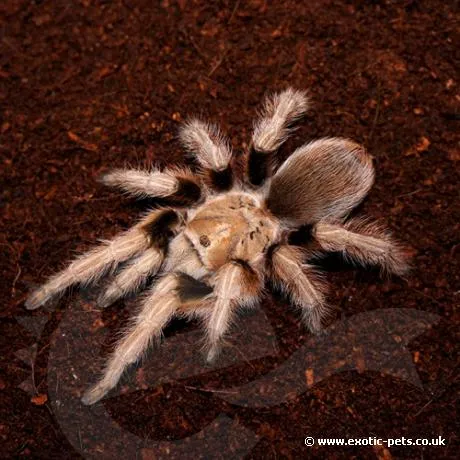
Creating the right habitat is fundamental to the health and well-being of your blonde tarantula pet. The enclosure should mimic their natural environment as closely as possible. This includes providing the correct temperature, humidity, substrate, and hiding places. A well-designed enclosure reduces stress and ensures your tarantula can thrive. Avoid overcrowding, which can lead to stress and aggression. Regularly monitor the enclosure conditions and make adjustments as needed to maintain an optimal environment. A proper setup promotes natural behaviors, enhances your pet’s quality of life, and allows you to observe these fascinating creatures up close.
Enclosure Size and Type
The size and type of enclosure are crucial for a blonde tarantula’s comfort and safety. The enclosure should be appropriately sized for the tarantula’s species and eventual adult size. Generally, terrestrial species, such as the blonde tarantula, do well in wider enclosures, while arboreal species need taller enclosures. Consider using a glass or acrylic terrarium with a secure, well-ventilated lid. Ensure the lid is escape-proof, as tarantulas are skilled climbers. The enclosure should be large enough for the tarantula to move freely, molt comfortably, and have adequate space for substrate, hides, and water dishes. A well-sized enclosure minimizes stress and allows the tarantula to exhibit natural behaviors.
Substrate Selection
The substrate serves as the flooring of your blonde tarantula’s enclosure and is essential for both comfort and humidity regulation. A good substrate should retain moisture, allow the tarantula to burrow, and be non-toxic. Suitable options include a mix of coconut fiber, peat moss, and a small amount of vermiculite or sphagnum moss. Avoid using substrates with sharp edges or splinters, as they could potentially injure the tarantula. The depth of the substrate depends on the species and the tarantula’s preference for burrowing. The substrate should be kept slightly moist, not soggy, to maintain proper humidity levels. Replace the substrate regularly to prevent mold and bacteria growth, ensuring a healthy environment for your pet.
Temperature and Humidity Control

Maintaining the correct temperature and humidity levels is vital for your blonde tarantula’s health. Most blonde tarantulas thrive in temperatures between 75-85°F (24-29°C). Use a reliable thermometer to monitor the temperature within the enclosure. Avoid placing the enclosure in direct sunlight or near heat sources that could cause overheating. Humidity levels should be maintained at around 60-70%, depending on the species. Use a hygrometer to measure humidity. Increase humidity by misting the enclosure with water or by providing a water dish. Ensure good ventilation to prevent mold growth while maintaining proper humidity. Consistent temperature and humidity are essential for successful molting and overall well-being.
Feeding Your Blonde Tarantula
Proper feeding is crucial for the health and development of your blonde tarantula. Understanding their dietary needs and feeding habits is vital for providing the best possible care. A well-fed tarantula is a healthy tarantula, and knowing how to feed them correctly contributes significantly to their well-being and longevity. Ensure the food is appropriate in size and type for the tarantula’s stage of growth. Feeding too much or too little can lead to health issues, so establish a feeding schedule based on their needs and appetite. Regular feeding habits support their growth, maintain their energy levels, and allow you to observe their natural behaviors.
Appropriate Diet and Frequency
Blonde tarantulas are primarily insectivores. Their diet should consist mainly of live insects. Suitable options include crickets, dubia roaches, mealworms, and super worms. The size of the prey should be appropriate for the tarantula’s size. As a general rule, the prey should be no larger than the tarantula’s body. Young tarantulas should be fed more frequently, usually every few days, while adults can be fed once or twice a week. Always remove any uneaten prey after 24 hours to prevent them from stressing or harming the tarantula. Vary the diet to provide a range of nutrients. Monitor the tarantula’s abdomen for signs of being well-fed, a plump abdomen usually indicates good health.
Watering and Hydration

Providing a clean water source is essential for your blonde tarantula’s hydration. Always provide a shallow water dish filled with fresh, clean water. Ensure the water dish is easily accessible and cannot be tipped over. For smaller tarantulas, a bottle cap with water can suffice. Regularly check the water level and refill it as needed. Misting the enclosure is also a good way to increase humidity and provide additional water droplets for the tarantula to drink. Avoid using tap water unless it has been dechlorinated. Dechlorinated or bottled water is always the best option. Proper hydration is critical for molting, overall health, and to prevent dehydration. Clean water is essential for the overall health of the tarantula.
Handling Your Blonde Tarantula Safely
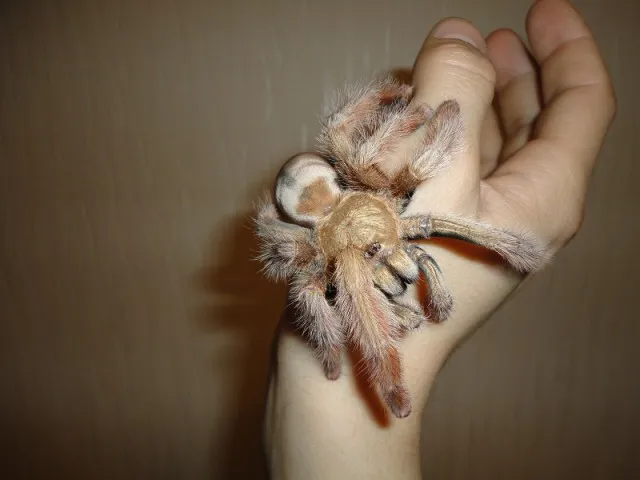
Handling a blonde tarantula should be done with caution and respect for the animal. Not all tarantulas enjoy being handled, and some may exhibit defensive behaviors if they feel threatened. Approach handling with care, patience, and an understanding of your tarantula’s temperament. Even docile species can be startled. Safe handling minimizes the risk of bites, falls, and injury to both the tarantula and the handler. Understanding their behaviors and how they react to handling helps create a safe and enjoyable experience. If your tarantula is not receptive to handling, it is best to leave it alone and avoid causing unnecessary stress.
Recognizing Potential Risks
Handling blonde tarantulas presents certain risks that you should be aware of. Tarantulas have fangs and can bite, although bites are rarely life-threatening to humans. The venom potency varies between species. Some species also possess urticating hairs, which can cause skin irritation and itching if they come into contact with the skin. Be aware of the potential for falls. If a tarantula falls, it can suffer serious injuries. Handling can also stress the tarantula. Understand the tarantula’s behavior and signs of stress. Never handle a tarantula that is about to molt. Always handle them over a soft surface, such as a bed or the floor, to minimize the risk of injury in case of a fall. Handle your tarantula when they are not in a defensive position.
Best Handling Practices

If you choose to handle your blonde tarantula, use these best practices. Handle the tarantula gently and slowly, avoiding sudden movements. Always support the tarantula’s body, allowing it to walk onto your hand. Avoid forcing the tarantula to move. Keep the tarantula close to the ground to prevent injury from falls. Wash your hands thoroughly before and after handling. This removes any potential contaminants. Observe the tarantula’s behavior during handling. If it displays signs of stress, such as raising its front legs or flicking hairs, gently place it back in its enclosure. Always supervise children when they are handling tarantulas and teach them to handle them carefully. Handling should always be a positive experience for both you and your pet.
Health and Common Issues in Blonde Tarantulas
Like all pets, blonde tarantulas can be susceptible to various health issues. Understanding common problems and how to prevent them is essential for ensuring your pet’s longevity and well-being. Regular observation of your tarantula’s behavior, feeding habits, and overall appearance can help you detect any potential health issues early on. Prompt intervention can often prevent minor problems from developing into more serious conditions. This section focuses on how to identify and address the most common health concerns, allowing you to provide the best care for your blonde tarantula.
Signs of Illness
Recognizing the signs of illness in your blonde tarantula is crucial for timely intervention. Some indicators of a potential health problem include a loss of appetite, lethargy, or inactivity. Difficulty molting can also signal an issue. Physical signs such as a swollen abdomen, wounds, or parasites should be taken seriously. Observe the tarantula’s posture and movement. A tarantula that is constantly in a defensive position or displays abnormal movements may be ill. If you notice any of these signs, consult with a veterinarian experienced in exotic animals or an experienced tarantula breeder. Early diagnosis and treatment greatly improve the chances of a full recovery.
Preventative Care

Preventative care is the best way to ensure the long-term health of your blonde tarantula. Maintain a clean and appropriate habitat. Provide a balanced diet and fresh water at all times. Monitor the enclosure conditions and address any issues promptly. Quarantine any new tarantulas before introducing them to your existing collection. This reduces the risk of disease transmission. Regularly inspect your tarantula for any signs of parasites or injuries. Educate yourself on common tarantula health issues and potential treatments. By following these preventative measures, you can minimize the risk of health problems and provide your tarantula with a long, healthy, and fulfilling life.