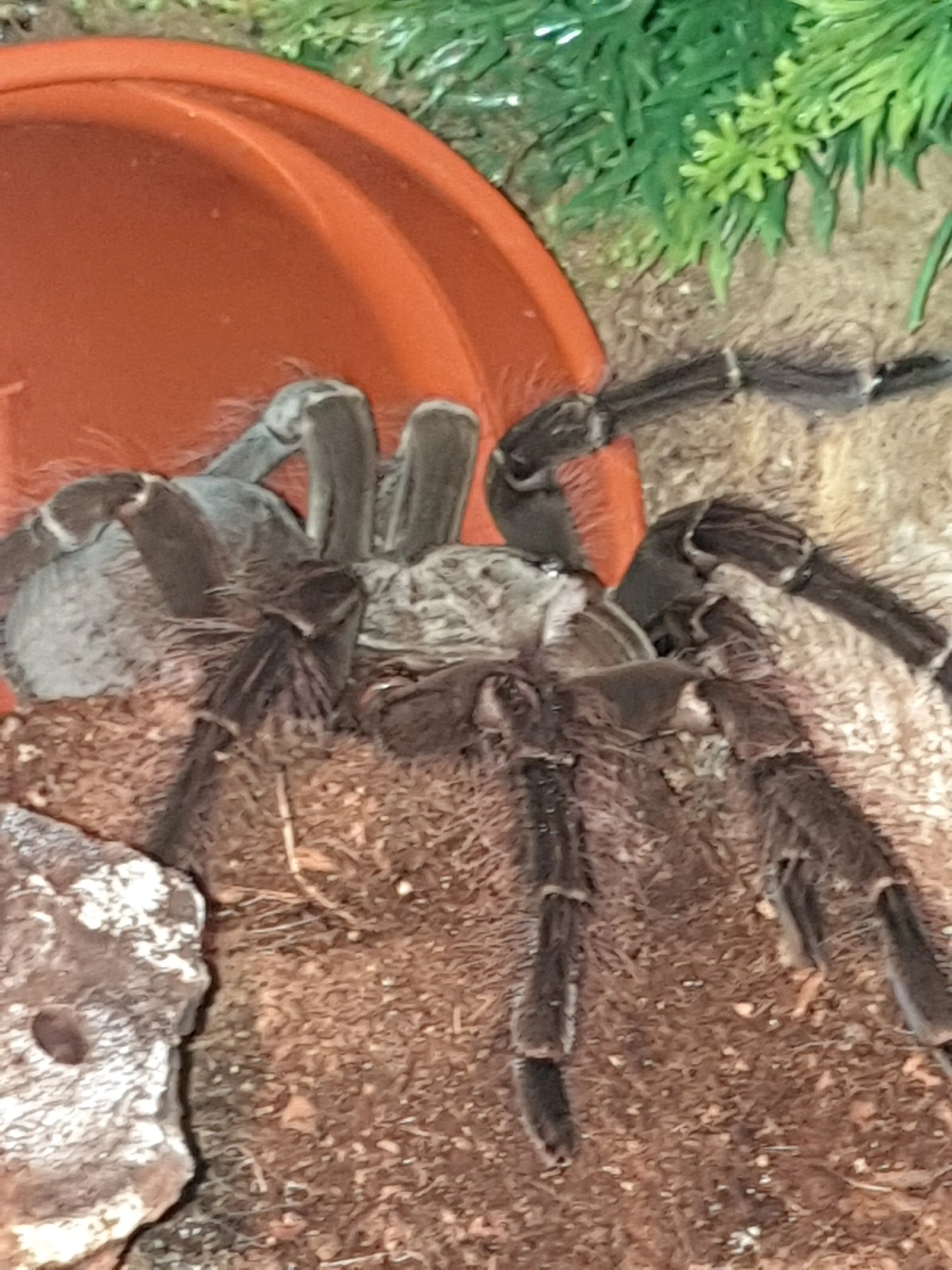
The tarantula known as the Theraphosa blondi, commonly referred to as the Goliath birdeater, is a fascinating creature for any arachnid enthusiast. For those considering a unique pet, the idea of a Blondi tarantula for sale can be quite alluring. Before you bring one home, it’s essential to understand everything from its basic biology to its care requirements. This guide dives into seven must-know facts about the Blondi tarantula, providing the knowledge you need to make an informed decision and offer the best possible care for your new pet. From its impressive size to its specific dietary needs, we’ll cover everything to get you started.
What is a Blondi Tarantula
The Theraphosa blondi is one of the largest tarantula species in the world, native to the rainforests of northern South America. Its imposing size and impressive leg span make it a standout in the arachnid world. These spiders are known for their considerable size, with leg spans that can reach up to 12 inches or more in mature females. Their bodies are covered in setae, fine hairs that give them a fuzzy appearance and play a role in their sensory perception. Blondi tarantulas are ground-dwelling creatures, preferring to burrow or take shelter in the crevices of their habitat. They are nocturnal hunters, primarily feeding on insects, but also occasionally on small vertebrates in their natural environment. Buying a Blondi tarantula for sale means taking on a truly remarkable pet, but one that requires serious dedication to its care.
Appearance and Characteristics
Blondi tarantulas are characterized by their large size and distinctive appearance. They have a stout body with a dark brown coloration, often with reddish-brown setae that give them a hairy look. The carapace, the top part of the cephalothorax, is usually a lighter shade than the rest of the body. These tarantulas possess large chelicerae, which are used for biting and injecting venom. Their eight legs are thick and powerful, enabling them to move quickly and efficiently. These spiders also have urticating hairs on their abdomen, which they can flick off as a defense mechanism. These hairs are irritating to the skin and eyes and serve as a deterrent against potential predators. A healthy Blondi tarantula has a robust build and a generally alert posture, which is a good sign that it is thriving in its environment. Examining a Blondi tarantula for sale is a way to appreciate the uniqueness of this species.
Size and Lifespan

As mentioned, the Blondi tarantula is renowned for its impressive size, with females generally being larger than males. Mature females can have a leg span of up to 12 inches or more, making them one of the largest tarantula species in the world. Males are typically smaller, reaching leg spans of around 9-10 inches. Their size is a critical factor when considering a Blondi tarantula for sale, as it directly impacts the enclosure size needed. The lifespan of a Blondi tarantula varies depending on the sex. Females can live for 15 to 25 years, while males typically have a shorter lifespan, usually only living for 3 to 6 years after maturity. This longevity is another aspect to consider when thinking about the long-term commitment of owning one.
Is the Blondi Tarantula for Sale Right for You
Deciding if a Blondi tarantula is right for you involves careful consideration of several factors. These tarantulas require a significant commitment in terms of space, care, and diet. They are not ideal pets for beginners, as they have specific environmental needs and can be unpredictable. You’ll need to have experience with tarantulas or a willingness to dedicate time to learning about their care. Also, consider your lifestyle and whether you can provide the consistent care a Blondi tarantula requires. Are you prepared to handle their potential for defensive behavior, including biting and flicking urticating hairs? Think about your living situation too – do you have the space for a large enclosure and the proper environment for this species? If you’re considering a Blondi tarantula for sale, make sure you’re ready for the responsibility.
What to Consider Before Buying
Before purchasing a Blondi tarantula for sale, assess your ability to provide the right habitat, including a spacious enclosure with appropriate substrate and hiding places. Research their dietary needs, as they require a diet of insects and potentially small vertebrates. Be prepared for the tarantula’s defensive behaviors, such as biting or kicking hairs. Consider the cost, not just of the tarantula, but also of the enclosure, substrate, food, and any necessary equipment like a heat source. Ensure you have access to a veterinarian experienced with exotic pets. Have a plan for what you’ll do during vacations or if you can no longer care for the tarantula. Educate yourself about their legal status in your area, as some regions may have restrictions on exotic pets. Only buy from reputable sources to ensure you’re getting a healthy specimen.
Housing and Habitat

Creating the right habitat is crucial for the health and well-being of your Blondi tarantula. Because of its size, a large enclosure is necessary. The ideal size would be a terrarium that is at least 20 gallons for a juvenile and 40-50 gallons for an adult. The enclosure should be escape-proof, with a secure lid to prevent the tarantula from getting out. Temperature and humidity are essential factors to control; maintain a temperature between 75-85°F (24-29°C) and a humidity level of 75-85%. Proper ventilation is also critical, allowing for air circulation but preventing escapes. The enclosure should be placed in a location away from direct sunlight, drafts, and excessive noise. The setup should mimic the tarantula’s natural environment as closely as possible.
Choosing the Right Enclosure
Choosing the right enclosure involves several considerations, the size is the most important. As mentioned previously, a larger enclosure is necessary for a Blondi tarantula due to its size. Glass or acrylic terrariums are suitable options because they offer good visibility and are easy to clean. Ensure the enclosure has a secure lid with proper ventilation to prevent escapes and maintain humidity levels. The enclosure should be at least twice as wide as the tarantula’s leg span. Consider the height, too; while these tarantulas are terrestrial, they may climb. The enclosure should allow for the creation of a temperature gradient, with a warmer side and a cooler side to help the tarantula regulate its body temperature. When purchasing a Blondi tarantula for sale, make sure you have a safe enclosure ready.
Substrate and Decor
The substrate should be deep enough for the tarantula to burrow, providing a natural environment and helping to maintain humidity. A mixture of peat moss, vermiculite, and a bit of potting soil works well. The substrate should be about 6-8 inches deep. Decorate the enclosure with hides such as cork bark, artificial plants, or other safe materials. These provide the tarantula with places to hide and feel secure. Adding a water dish is essential for hydration. The dish should be shallow to prevent the tarantula from drowning, and the water should always be fresh. Avoid using sharp or abrasive decorations that could harm the tarantula. Regularly clean the enclosure to prevent mold and bacteria growth. Always prioritize the tarantula’s safety and well-being when setting up the habitat.
Feeding and Diet

Blondi tarantulas are voracious eaters, with a diet primarily consisting of insects. Providing a balanced diet is critical for their growth and overall health. They have specific nutritional needs, and the right feeding schedule is essential. They are ambush predators, meaning they wait for prey to come within striking distance. Understanding their dietary needs is a fundamental aspect of caring for them. Considering this, before you get a Blondi tarantula for sale, you should educate yourself on these aspects.
What to Feed
A diverse diet is key. The primary food sources are insects like crickets, roaches, mealworms, and other commercially available insects. The size of the prey should be appropriate for the size of the tarantula. As the tarantula grows, you can offer larger insects. You can also provide occasional treats like small vertebrates, such as pinky mice, but these should be offered sparingly. Always ensure the insects are gut-loaded with nutritious food before feeding them to your tarantula. Gut-loading means feeding the insects a nutritious diet for 24-48 hours before offering them to your pet. This enriches the insects and provides better nutrition for the tarantula. Clean water should always be available. When considering a Blondi tarantula for sale, be ready to manage their diverse diet.
How Often to Feed
The feeding frequency for a Blondi tarantula varies depending on its age and size. Spiderlings and juveniles should be fed more frequently, typically 2-3 times per week. As the tarantula matures, the frequency can be reduced to once a week or every other week. Always monitor the tarantula’s body condition; a well-fed tarantula will have a plump abdomen, while an underweight tarantula will have a smaller abdomen. Remove any uneaten food within 24 hours to prevent mold and bacterial growth. Be aware that tarantulas may refuse food during molting. Do not worry if your tarantula stops eating; this is a normal part of their life cycle. Adjust the feeding schedule based on the tarantula’s behavior and overall health.
Handling and Safety

Handling a Blondi tarantula should be done with extreme caution and, ideally, avoided. They can be unpredictable, and their defensive mechanisms, such as biting and kicking urticating hairs, can pose risks. The best practice is to observe and appreciate them in their habitat. If handling is unavoidable, understand the potential dangers and take necessary precautions. Prioritizing safety for both the owner and the tarantula is paramount. If you have a Blondi tarantula for sale, make sure that the buyer understands these dangers before purchase.
Potential Risks
The potential risks associated with handling a Blondi tarantula include bites and exposure to urticating hairs. Tarantula bites, though not typically fatal, can be painful and cause localized swelling, redness, and discomfort. The venom can also cause allergic reactions in some individuals. Urticating hairs, which the tarantula flicks off the abdomen, can cause significant skin irritation, itching, and burning. Contact with the eyes can lead to severe irritation and potentially require medical attention. Always wash your hands thoroughly after handling the tarantula or its enclosure. Even if a Blondi tarantula for sale has a calm temperament, there are always risks associated with handling.
Handling Tips
If handling is necessary, it should be done with the utmost care. Always handle the tarantula close to the ground to minimize the risk of injury if it falls. Use a soft brush to gently guide the tarantula rather than picking it up. Never squeeze or restrain the tarantula; this can stress it and increase the likelihood of a bite. Be aware of the tarantula’s posture and behavior. A tarantula in a defensive posture—rearing up on its legs, raising its fangs, or flicking hairs—should be left alone. Have a clear plan for what to do if the tarantula bites or flicks hairs. Use gloves and eye protection when handling if necessary. Ensure a safe environment free from potential hazards.
Where to Buy a Blondi Tarantula

When considering a Blondi tarantula for sale, choosing a reputable source is crucial. There are numerous places where you can find these fascinating creatures, but the quality of the tarantula and the seller’s expertise varies significantly. This influences the health of the tarantula you purchase. Researching breeders or pet stores is essential to ensure you are getting a healthy tarantula from a reliable source. Always prioritize the well-being of the animal and the reputation of the seller. Understanding the options available helps in the decision-making process.
Reputable Breeders vs. Pet Stores
Reputable breeders often specialize in tarantulas and have in-depth knowledge of their care and genetics. They usually prioritize the health and well-being of the tarantulas they sell and can provide valuable advice and support. Breeders typically offer more information about the tarantula’s history, including its lineage and any known health issues. Pet stores may carry tarantulas, but their staff may have less specialized knowledge, and the tarantulas may come from various sources. When buying from a pet store, inspect the tarantula carefully for signs of illness or stress and ask about its origin and care history. Always prioritize breeders that provide a guarantee and offer support after the sale. Make sure you find out if the Blondi tarantula for sale is in good health.
Health and Common Issues
Blondi tarantulas, like all pets, can experience health issues. Recognizing the signs of a healthy tarantula and being aware of common health problems is essential for responsible ownership. Regular monitoring and prompt action when issues arise can help ensure your tarantula lives a long and healthy life. Understanding the signs of a healthy and unhealthy tarantula enables you to provide the best possible care. When you buy a Blondi tarantula for sale, you should be aware of potential issues to provide adequate support.
Signs of a Healthy Tarantula

A healthy Blondi tarantula typically has a robust build, with a plump abdomen and a glossy exoskeleton. It should be alert and responsive to its environment, actively moving around the enclosure. The tarantula should have a good appetite and readily consume food. Its fangs and chelicerae should be clean, and its legs should be intact and move freely. The tarantula should be molting regularly, which is a natural process of growth and renewal. The enclosure should be clean, with no signs of mold or pests. If you have a Blondi tarantula for sale, keep these aspects in mind when caring for it.
Common Health Problems
Common health problems include mites, fungal infections, and injuries. Mites are small parasites that can infest the tarantula and its enclosure. Fungal infections can occur due to poor hygiene or excessive humidity. Injuries can result from falls or being mishandled. Other issues include dehydration, constipation, and difficulty molting. Regular observation of the tarantula and the enclosure is essential for early detection of any health issues. Quarantine newly acquired tarantulas to prevent the spread of potential diseases. Seek veterinary care from a veterinarian experienced with exotic pets if you notice any signs of illness. The well-being of a Blondi tarantula depends on your attention to these details.
Conclusion
Owning a Blondi tarantula is a significant commitment that requires careful consideration and dedication. Understanding their specific needs, from housing and diet to handling and health, is crucial. By following the guidelines provided in this guide, you can provide a safe and enriching environment for your Blondi tarantula. Remember that responsible ownership is about prioritizing the well-being of your pet and continuously learning. As you delve into the world of tarantula care, you will find it a rewarding experience, filled with wonder and fascination. Enjoy the journey of caring for these extraordinary creatures.