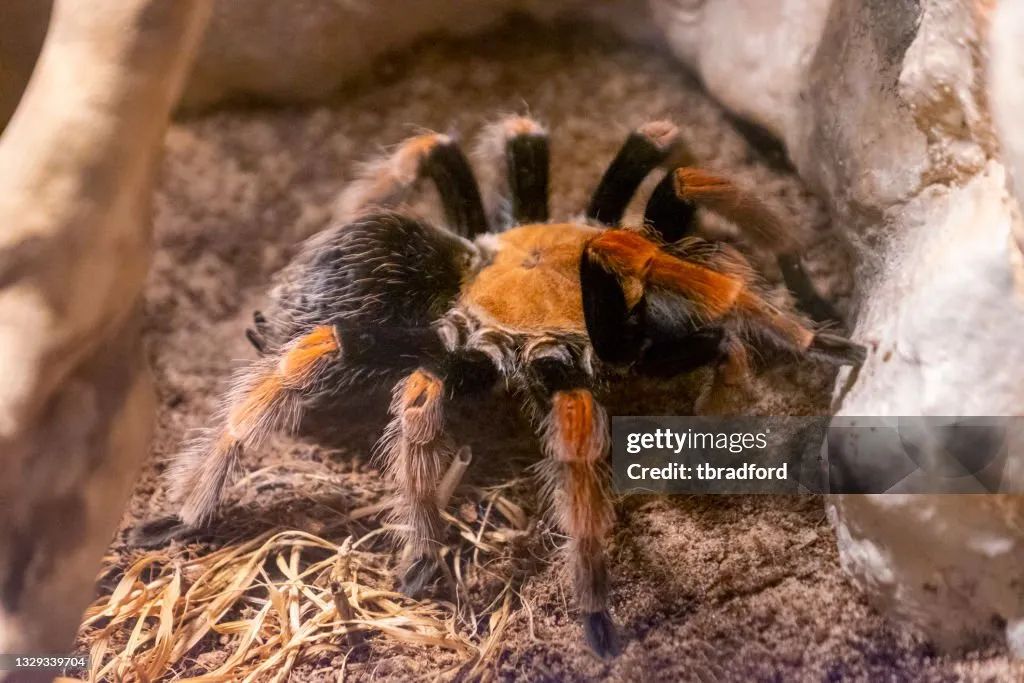
What is a Blood Leg Tarantula?
The Blood Leg Tarantula, scientifically known as Typhochlaena seladonia, is a striking arachnid that has captured the attention of tarantula enthusiasts worldwide. Native to the rainforests of Brazil, this spider is renowned for its vibrant coloration and relatively docile nature, making it a popular choice for hobbyists. Their captivating appearance, combined with their manageable size compared to some other tarantula species, contributes to their appeal as pets. However, like all tarantulas, they have specific needs regarding care, diet, and habitat to ensure their health and well-being. Understanding these needs is crucial for anyone considering owning a Blood Leg Tarantula, as it allows for a fulfilling experience for both the spider and its keeper.
Appearance and Identification
Identifying a Blood Leg Tarantula is relatively straightforward, owing to its distinctive features. These spiders typically display a dark carapace and abdomen, providing a contrasting backdrop for their namesake vibrant red coloration on their legs. The size of the spider can vary, with females generally growing larger than males. Juvenile Blood Leg Tarantulas may not exhibit the full intensity of the red leg coloration, which develops as they mature. Examining the pedipalps and chelicerae, which are the mouthparts, can also help differentiate the species. The overall body shape of the tarantula is similar to other species, with a broad carapace and an abdomen that expands as they grow. Careful observation of these characteristics is essential for accurate identification and understanding their health.
Distinctive Red Markings

The most defining characteristic of the Blood Leg Tarantula is, without a doubt, the vibrant red coloration of its legs. This coloration isn’t uniform across the legs but rather a striking combination of red hues that can vary slightly from spider to spider. The intensity of the red coloring often intensifies as the tarantula matures. This vivid color serves a purpose, potentially as a warning signal to predators or as a form of camouflage within its natural environment. The contrast between the red legs and the darker body creates a visually stunning effect, which is a significant part of the appeal of the Blood Leg Tarantula. The overall aesthetic makes this species a prized possession among spider enthusiasts.
Size and Lifespan
Blood Leg Tarantulas typically have a moderate size compared to some other tarantula species. Females usually reach a leg span of about 5 to 6 inches, while males are often slightly smaller. The lifespan of a Blood Leg Tarantula varies between males and females. Females can live for a remarkably long time, often up to 10 years or more in captivity, provided they are well cared for. Males, on the other hand, have a significantly shorter lifespan, usually only surviving for a few years after reaching maturity. This difference in lifespan is a common characteristic among tarantula species and is important to consider when planning the care of your spider. Proper care contributes greatly to the length of a spider’s life.
Natural Habitat and Distribution
Origin and Where They Live

Blood Leg Tarantulas are native to the lush rainforests of Brazil. They are endemic to specific regions within Brazil, where the humid conditions and ample ground cover provide an ideal environment for these spiders to thrive. They have adapted to a life that involves spending time on the forest floor, amidst the leaves and other organic matter. Understanding the tarantula’s geographical origin is crucial for recreating a suitable habitat in captivity. The climate and terrain where they are naturally found directly influence their needs for temperature, humidity, and substrate in their captive environment. This understanding ensures their comfort and promotes their longevity.
Preferred Environment
In their natural habitat, Blood Leg Tarantulas favor areas with high humidity, moderate temperatures, and plenty of places to hide. The rainforest floor, with its dense vegetation, provides ample cover from predators and direct sunlight. They often inhabit burrows or utilize natural shelters like fallen logs or beneath leaf litter. The substrate on the forest floor, consisting of rich soil and organic matter, is also a critical aspect of their environment. These spiders thrive in areas where they can find a balance between moisture and shelter. Replicating the conditions of their native environment in captivity is essential for their health and wellbeing. This includes maintaining appropriate humidity levels and providing hiding places.
Blood Leg Tarantula Behavior
Temperament and Handling

Blood Leg Tarantulas are generally known to be docile, which adds to their appeal as pets. However, like all tarantulas, they are not meant to be handled frequently. Overhandling can stress the spider, and it is possible for them to become defensive if they feel threatened. When handling is necessary, it should be done with care and caution, and always with an awareness of the spider’s potential behavior. It is best to handle the spider only when absolutely necessary, such as for cage cleaning or health checks, and to do so gently and with a calm demeanor. Patience and understanding of their behavior are key to a positive relationship with the tarantula.
Defensive Mechanisms
Even though Blood Leg Tarantulas are generally docile, they possess defensive mechanisms to protect themselves. If threatened, they may flick urticating hairs from their abdomen. These hairs are irritating and can cause skin and eye irritation. They might also adopt a defensive posture, raising their front legs and fangs as a warning. In extreme cases, they could bite, although this is rare. Understanding these defensive mechanisms is important to prevent any unnecessary stress and create a safe environment. It is crucial to always respect the spider’s space and recognize when it feels threatened.
Diet and Feeding Habits
What They Eat in the Wild

In their natural habitat, Blood Leg Tarantulas are opportunistic hunters. They primarily feed on insects and other invertebrates, such as crickets, beetles, and other small arthropods. They are ambush predators, meaning they lie in wait and strike when prey comes within reach. The availability of prey in their environment greatly influences their diet, but they will typically consume whatever is available. Understanding the natural diet of a Blood Leg Tarantula is essential to providing them with the proper nutrition in a captive environment.
Feeding in Captivity
In captivity, Blood Leg Tarantulas should be fed a diet that closely mimics their natural one. Crickets, roaches, mealworms, and other commercially available insects are excellent food sources. The size of the prey should be appropriate for the size of the tarantula. Juvenile spiders need smaller prey, while adults can handle larger meals. Feeding frequency depends on the spider’s age and appetite. Adults can be fed every week or two, while younger spiders may need to be fed more often. Always ensure that uneaten food is removed to prevent the build-up of mold and maintain cleanliness in the enclosure. Fresh water should be constantly available.
Care and Husbandry
Housing Requirements

Proper housing is essential for the health and well-being of your Blood Leg Tarantula. A suitable enclosure should be appropriately sized for the spider, allowing for ample space to move around. A glass or plastic terrarium with a secure lid is recommended. The enclosure should be well-ventilated but designed to maintain humidity levels. The substrate, which lines the bottom of the enclosure, should be a mix of materials, such as coconut fiber, peat moss, and vermiculite. This substrate helps retain humidity and provides a natural environment. The enclosure should also include a water dish for fresh water and hiding places, such as cork bark or artificial plants, where the spider can retreat and feel safe. Regularly clean the enclosure.
Temperature and Humidity
Maintaining the correct temperature and humidity levels is crucial for the Blood Leg Tarantula’s health. The ideal temperature range is between 75°F to 85°F (24°C to 29°C). A heat source, such as a heat mat, can be used to maintain this temperature. Humidity levels should be kept relatively high, around 70% to 80%, to mimic the tarantula’s natural environment. This can be achieved by misting the enclosure regularly or by placing a water dish within the enclosure. Use a hygrometer to monitor the humidity levels. Proper ventilation is also important, and make sure to avoid direct sunlight, which can overheat the enclosure.
Breeding Blood Leg Tarantulas
Mating Process

Breeding Blood Leg Tarantulas can be a rewarding experience for experienced keepers. The mating process typically involves introducing a mature male to a mature female. The female may be receptive, or she may show aggression towards the male. The keeper needs to watch the pair closely. If the female is receptive, the male will approach cautiously and mate with her. The male will need to quickly retreat to avoid being eaten by the female after mating. Successful mating can lead to the female producing an egg sac. It is a process that requires preparation, research, and careful observation to be successful.
Raising Spiderlings
Once the female produces an egg sac, it is important to provide her with a suitable environment to care for it. After a few weeks, the eggs will hatch, and the spiderlings will emerge. The spiderlings should be kept in a separate enclosure from the mother and provided with small prey items. It is critical to provide the spiderlings with adequate space, food, and humidity to ensure their survival. The spiderlings will molt several times as they grow, and their care needs will change as they mature. Raising spiderlings requires specialized knowledge and dedication.
Common Health Issues
Parasites and Diseases

Blood Leg Tarantulas, like any animal, can be susceptible to certain health issues. Parasites, such as mites, can infest the tarantula and cause significant harm. These parasites can be introduced through substrate or contaminated food sources. Fungal infections can also occur if the enclosure is not kept clean and properly ventilated. Bacterial infections are possible, often resulting from wounds or poor hygiene. Symptoms of illness can include lethargy, loss of appetite, and changes in behavior. Regular observation of the spider and its environment is vital to detect any potential health problems early. Seek veterinary advice when necessary.
Preventative Measures
Several preventative measures can be taken to ensure the health of your Blood Leg Tarantula. Maintaining a clean enclosure is essential. Regularly remove any uneaten food, shed exoskeletons, and waste. Using a proper substrate helps to prevent bacterial and fungal growth. Inspecting the spider regularly for signs of parasites or illness is also very important. Quarantine any new tarantulas before introducing them to your collection. Provide a balanced diet, and ensure proper temperature and humidity levels are maintained. If you have any doubts about the health of your tarantula, consult a veterinarian with experience in exotic animals. Proper care can contribute significantly to your pet’s long life.
Conservation Status
Threats to Survival
The Blood Leg Tarantula, like many species, faces potential threats to its survival. Habitat loss due to deforestation and human expansion is a major concern. Destruction of the rainforests of Brazil reduces the spider’s natural habitat. The pet trade can also pose a risk if populations are unsustainably harvested from the wild. Climate change and its effects on temperature and rainfall patterns may impact their habitat. Understanding these threats is key to working towards the conservation of this species.
Importance of Conservation
Conservation efforts are crucial to ensure the survival of the Blood Leg Tarantula. Protecting their natural habitat is the first and most important step. Supporting conservation organizations, and raising awareness about the importance of biodiversity are valuable actions. Responsible pet ownership, including sourcing tarantulas from reputable breeders, can help reduce the demand for wild-caught specimens. Educating others about the beauty and importance of this species helps create a community of care for the blood leg tarantula. The combined efforts of researchers, conservationists, and enthusiasts can make a difference in ensuring the survival of the Blood Leg Tarantula for future generations.