What is a Blue Tarantula
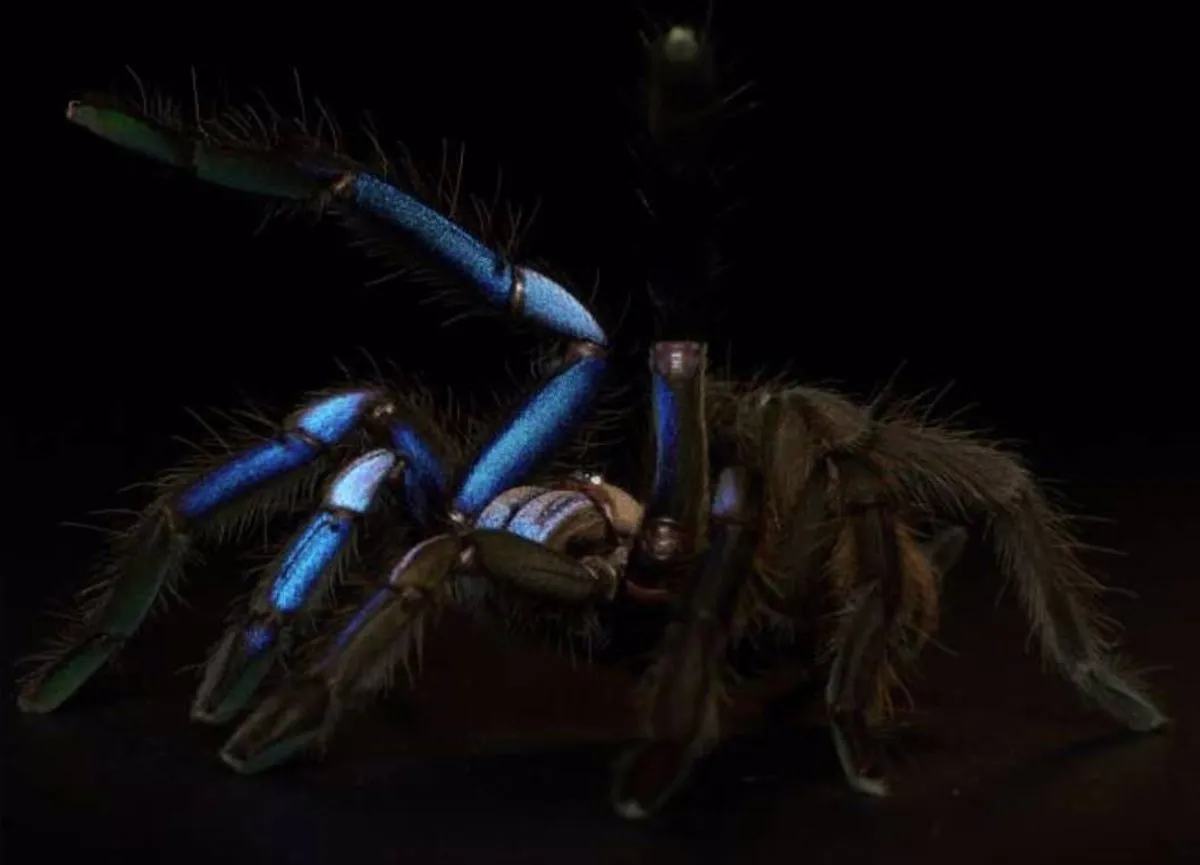
The blue tarantula, a captivating creature, is a species of tarantula known for its striking blue coloration. This vibrant hue sets it apart from many other tarantula species, making it a highly sought-after pet and a subject of fascination for arachnid enthusiasts. While the name “blue tarantula” is often used, it’s important to clarify that the specific species can vary, with some of the most popular being the Cobalt Blue Tarantula (Cyriopagopus lividus) and the Green Bottle Blue Tarantula (Chromatopelma cyaneopubescens), although the latter is more of a turquoise blue and orange. These spiders are not only visually stunning but also exhibit unique behaviors and require specialized care, making them a rewarding but demanding pet to own. The presence of blue pigment in tarantulas is a result of structural coloration, where light interacts with the microscopic structures on their exoskeletons, creating the illusion of blue rather than being a result of blue pigment.
Species and Appearance
The appearance of blue tarantulas is perhaps their most defining characteristic. The Cobalt Blue Tarantula, for instance, boasts a metallic blue coloration on its legs and body, which intensifies as it matures. Their carapace often displays a slightly different shade, and their abdomen may have a contrasting color or pattern. Size varies depending on the species, but most blue tarantulas are of medium size, with leg spans ranging from 5 to 6 inches. The Green Bottle Blue Tarantula, which is technically not blue but turquoise, has a beautiful combination of colors, with a green-blue carapace and orange legs. Understanding the different species and their unique appearances is crucial for proper identification and care, as each may have slightly different needs. Their striking colors make them popular among hobbyists, but it’s important to remember that these colors serve a purpose, such as camouflage or signaling to potential mates.
Where do Blue Tarantulas Live

Blue tarantulas have specific geographical habitats. The Cobalt Blue Tarantula is native to the tropical forests of Myanmar and Thailand, where they typically burrow in the ground or find shelter in crevices. The Green Bottle Blue Tarantula, on the other hand, originates from the arid scrublands of Venezuela and the Caribbean. Understanding their natural environment is vital for replicating it in captivity. In their natural habitats, these spiders are ambush predators, waiting for prey to come close. They play a crucial role in their ecosystems, helping to control insect populations. The conservation status varies among blue tarantula species, with some facing threats from habitat loss and the pet trade. Awareness of their natural habitats allows for better conservation efforts and responsible pet ownership, ensuring their survival in both the wild and in captivity.
Blue Tarantula Care Guide
Caring for a blue tarantula requires a deep understanding of their needs. The first aspect of care is the enclosure. A secure, appropriately sized terrarium is essential, with proper ventilation to prevent mold and provide adequate air circulation. The substrate should be a mix of materials like peat moss, coconut fiber, and vermiculite to maintain humidity and provide a suitable environment for burrowing, which is a natural behavior for many blue tarantula species. Temperature and humidity levels are also critical. Temperatures should be maintained between 75-85°F (24-29°C), and humidity levels should be monitored and adjusted according to the species’ needs, with some needing higher humidity levels than others. Regular cleaning and maintenance are essential to prevent the build-up of waste and ensure the spider’s well-being. Handling should be kept to a minimum, as these spiders can be skittish and may bite if they feel threatened.
Habitat and Enclosure
Creating the right habitat is key to a thriving blue tarantula. The enclosure size depends on the size and species of the tarantula, but generally, a 10-gallon tank is suitable for juveniles, while adults may require a 20-gallon tank or larger. The enclosure should include a substrate layer of at least 4-6 inches, providing a place for the spider to burrow. A water dish should be provided, ensuring fresh water is always available. Decorations such as cork bark, branches, and artificial plants can be added to provide hiding places and enrichment. The enclosure should be kept clean, with regular removal of uneaten food and waste to prevent the growth of mold and bacteria. The enclosure should be well-ventilated to prevent the build-up of stale air, but it also needs to be secure to prevent escapes, as these spiders are skilled climbers. A properly set up enclosure mimics the spider’s natural environment, reducing stress and promoting healthy behavior.
Feeding your Blue Tarantula

Feeding a blue tarantula typically involves providing a diet of insects, such as crickets, mealworms, roaches, and occasionally, pre-killed pinkie mice for larger species. The frequency of feeding depends on the spider’s age and size, with juveniles needing more frequent feedings than adults. It’s important to vary the diet to provide a range of nutrients. Ensure that the prey insects are gut-loaded before being fed to the tarantula, which means they should be fed nutritious food for 24-48 hours before being offered to the spider. Remove any uneaten prey within 24 hours to prevent stress on the spider. Fresh, clean water should always be available in a shallow dish. Overfeeding can lead to health problems, so it’s important to monitor the spider’s abdomen size and adjust feeding frequency accordingly. Healthy blue tarantulas will have a round abdomen, indicating they are well-fed.
Blue Tarantula Behavior
Understanding the behavior of blue tarantulas is essential for responsible pet ownership. These spiders are generally reclusive and prefer to hide, especially during the day. They can be defensive and may display threat postures, such as raising their front legs or flicking hairs, if they feel threatened. Some species are known for their speed and can be quite fast. Observing their behavior can provide insights into their health and well-being. For instance, a loss of appetite or lethargy may indicate a health issue. It’s crucial to avoid handling the tarantula unless absolutely necessary and to provide a stress-free environment. Their behavior is influenced by environmental factors such as temperature, humidity, and lighting. They are fascinating creatures to observe, and their unique behaviors are a significant part of their appeal as pets.
Molting and Growth
Molting is a crucial part of a blue tarantula’s life cycle, during which it sheds its exoskeleton to grow. The frequency of molting depends on the spider’s age and growth rate, with juveniles molting more often than adults. Before molting, the spider may become lethargic and may refuse to eat. It will often retreat to its burrow or a safe place. The process of molting can take several hours, during which the spider is vulnerable. It’s important to avoid disturbing the tarantula during this time. After molting, the spider’s new exoskeleton will be soft, and it should be given time to harden. The spider will also be more colorful after the molt. Ensure the humidity in the enclosure is adequate to assist with the molting process. The discarded exoskeleton should not be removed until it is completely dry, as the spider may consume it to regain nutrients.
Conservation Status of Blue Tarantulas

The conservation status of blue tarantulas varies depending on the species and their natural habitats. Habitat loss, the pet trade, and climate change pose potential threats to their populations. Some species are considered vulnerable or endangered, making conservation efforts crucial. Responsible pet ownership involves acquiring tarantulas from reputable breeders who prioritize ethical practices and adhere to conservation guidelines. Supporting conservation organizations and raising awareness about these spiders and their needs are essential steps. Many organizations work to protect tarantulas and their habitats, and educating the public about their importance in the ecosystem. It is important to be aware of the source of your blue tarantula and avoid contributing to the illegal trade of wild-caught specimens. By taking these steps, we can help ensure the survival of these beautiful creatures for future generations.