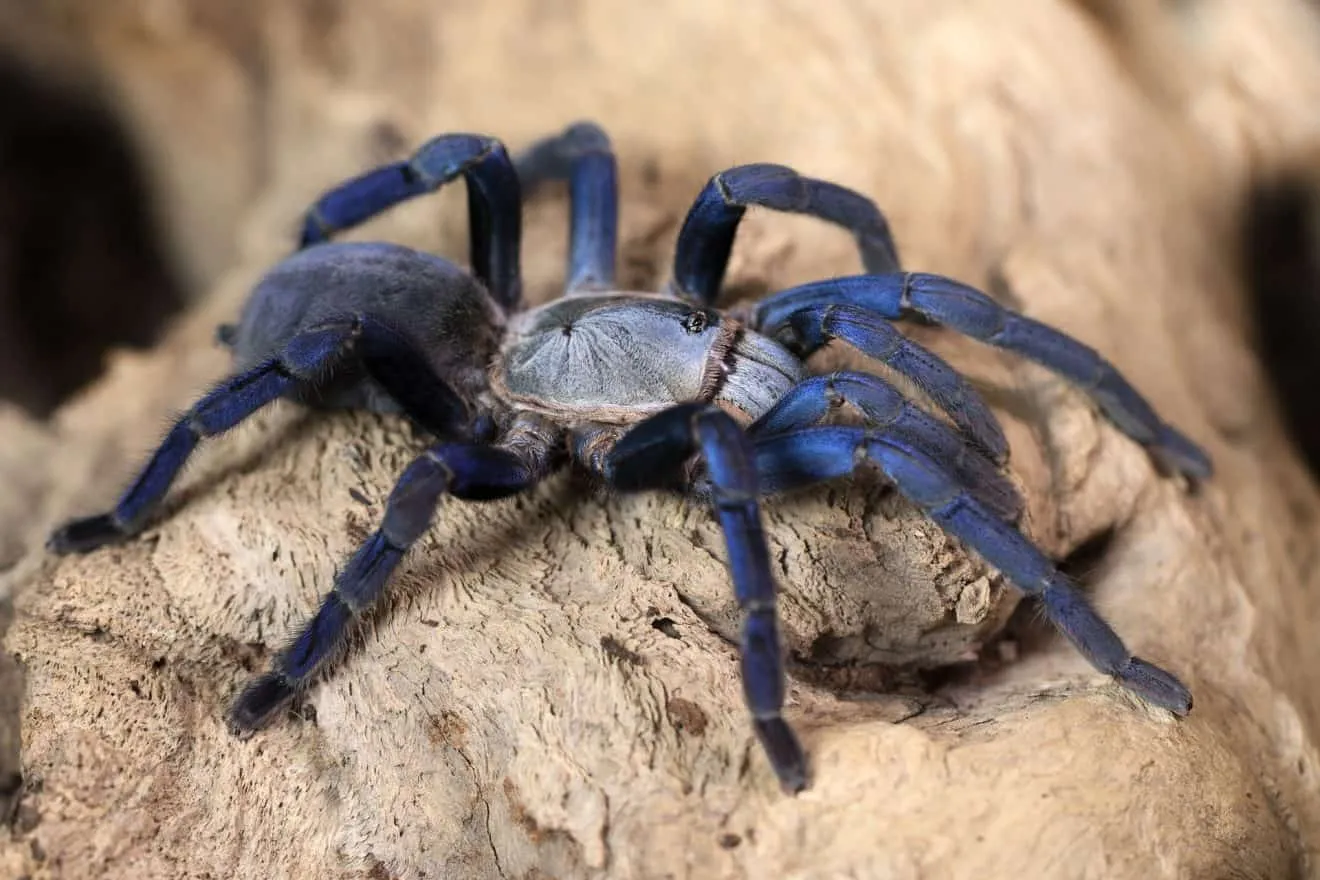
What is a Blue Tarantula?
The Blue Tarantula, scientifically known as Chromatopelma cyaneopubescens, is a striking spider native to the coastal regions of Venezuela. Revered for its vibrant coloration and manageable size, this species has become a popular choice for tarantula enthusiasts worldwide. Despite its captivating appearance, the Blue Tarantula is more than just a pretty face; it’s a fascinating creature with unique characteristics and care requirements. This guide will delve into the specifics of its size, shedding light on the various factors that influence it and its overall significance in the tarantula world. Understanding the Blue Tarantula’s size is essential for providing proper care, from housing to feeding, and appreciating this magnificent arachnid.
Appearance and Characteristics of Blue Tarantulas
Blue Tarantulas are known for their mesmerizing appearance. Their bodies are typically covered in a blend of vibrant colors, with females exhibiting a stunning blue hue on their legs and carapace, complemented by orange or reddish hairs on their abdomen. Males, on the other hand, tend to have a less pronounced blue coloration. Besides their striking colors, these tarantulas possess robust bodies and a leg span that contributes significantly to their overall size. The appearance of a Blue Tarantula isn’t just about its visual appeal; it also provides clues about its health and well-being. A healthy tarantula will display vibrant colors and exhibit an active demeanor, while a tarantula that isn’t doing well may show dull colors, lethargy, or other signs of illness.
How Big Do Blue Tarantulas Get?

The size of a Blue Tarantula is a crucial aspect of its care, influencing everything from enclosure size to dietary needs. Understanding the growth stages of these tarantulas and the factors influencing their size is essential for ensuring they thrive in captivity. Several aspects determine how large they can grow, making it necessary to look into all related topics to offer a proper home. The following sections delve into the specific dimensions of Blue Tarantulas and the associated factors that influence their growth.
Average Size of Adult Blue Tarantulas
Adult Blue Tarantulas typically range in size from 5 to 6 inches in leg span. The female Blue Tarantulas are generally larger than the males, a common trait among many tarantula species. Females can reach the upper end of this size range and can be notably bulkier. The size of a Blue Tarantula is usually measured by its leg span, which is the distance from the tip of one leg to the tip of the opposite leg on the same side of the body. This measurement provides a comprehensive view of the spider’s size and helps in creating an appropriate environment. This information offers a clearer understanding of the average dimensions you can expect from a healthy, mature Blue Tarantula.
Factors Influencing Blue Tarantula Size
Several factors play a significant role in determining the ultimate size of a Blue Tarantula. Understanding these influences is crucial for providing the best possible care and ensuring that your tarantula reaches its full potential. Environmental conditions, diet, and genetics all interact to impact growth rates and the final size of these spiders. Recognizing these factors allows enthusiasts to create an optimal environment for their Blue Tarantulas, promoting healthy development and longevity. This section explores the key elements that influence the size of these fascinating creatures, highlighting the importance of responsible pet ownership.
Gender Differences in Size

As mentioned earlier, female Blue Tarantulas tend to be larger than males. Sexual dimorphism is a common characteristic among tarantulas, with females often having a longer lifespan and growing to a larger size than their male counterparts. This size difference becomes apparent as the spiders mature, with females usually reaching their maximum size after several molts. The size difference is not just a cosmetic trait; it plays a role in their behavior and life cycle. Females invest more energy into growth and development, ensuring they can successfully reproduce. Observing these differences provides insight into the biology and the care that these tarantulas need.
Diet and Nutrition
A balanced diet is essential for the growth and development of a Blue Tarantula. Providing appropriate food items, such as crickets, roaches, and other insects, helps meet their nutritional needs. The frequency of feeding and the size of the prey should be adjusted based on the tarantula’s age and size. Proper nutrition supports the molting process, which is crucial for their growth. Feeding a variety of insects ensures they get all the necessary nutrients, promoting healthy growth and vibrant colors. The right feeding strategy is an important part of ensuring that a Blue Tarantula achieves its full potential size.
Environmental Conditions
Environmental conditions, particularly temperature and humidity, significantly affect the growth of Blue Tarantulas. Maintaining optimal levels of these elements within the enclosure is crucial for healthy molting and overall development. Provide a suitable temperature gradient within the enclosure, as well as consistent humidity levels, to mimic their natural habitat. These conditions encourage healthy growth and provide the best chance for reaching their full size potential. Monitoring and adjusting these conditions are vital components of caring for a Blue Tarantula, ensuring a comfortable and thriving environment.
Blue Tarantula Size Comparison

Comparing the Blue Tarantula’s size with other tarantula species offers a broader perspective on their place in the tarantula world. Understanding how they stack up against other species helps enthusiasts appreciate their unique characteristics. This comparison is not only interesting but also helps inform decisions about housing and care.
Comparison with Other Tarantula Species
Compared to some other popular species, the Blue Tarantula is considered a medium-sized tarantula. It is generally smaller than giants like the Goliath Birdeater (Theraphosa blondi) but larger than smaller species, such as the Trinidad Olive (Holothele incei). This places the Blue Tarantula in a manageable size range, making it a good choice for both novice and experienced keepers. This size makes the Blue Tarantula a good option for those who want a stunning pet without the extensive space requirements of larger species. This comparison helps put its size in context.
Size in Relation to Habitat
The size of the Blue Tarantula influences the type of habitat it requires. Because they are medium-sized, they need enclosures that offer enough space for movement and various activities. The enclosure should be appropriately sized to accommodate their size. The right size is essential to providing a comfortable environment and also impacts the spider’s health and well-being. The enclosure must provide a safe and stimulating environment.
Why Is Blue Tarantula Size Important?

The size of a Blue Tarantula is not just a visual characteristic; it has important implications for their care and well-being. Understanding the size of your tarantula is important for various reasons. From enclosure selection to feeding requirements, the size influences every aspect of their care.
Proper Enclosure Size
Choosing the right enclosure size is essential for a Blue Tarantula’s comfort and health. The enclosure should be large enough for the tarantula to move around, hunt, and establish a territory. A too-small enclosure can restrict movement, leading to stress, while an enclosure that’s too large can make it difficult for the tarantula to find its food. A well-sized enclosure supports their natural behaviors and contributes to their overall health. The enclosure should include appropriate substrate, hides, and decorations.
Feeding Requirements
The size of a Blue Tarantula dictates its feeding requirements. Young tarantulas require smaller prey items more frequently, while adults can eat larger meals less often. Overfeeding can lead to health problems, whereas underfeeding can cause slow growth and other issues. Knowing the size of your Blue Tarantula is important to ensure you are feeding them appropriately. Adjust the diet as they grow and mature, providing a balanced diet that meets their nutritional needs.
Health Considerations

A Blue Tarantula’s size is also a good indicator of its health. Monitoring its size and overall appearance can help identify potential problems. A tarantula that is not growing at an expected rate or that shows signs of malnourishment may have underlying health issues. Keepers should regularly check their tarantulas for signs of illness, such as lethargy, loss of appetite, or unusual behavior. Being aware of these factors enables you to respond quickly to any health concerns and give the best care to your pet. Observing the size and condition of your Blue Tarantula is essential for its well-being.
Conclusion
Understanding the Blue Tarantula’s size is fundamental to providing proper care and appreciating these amazing creatures. From their average dimensions to the factors that influence their growth, every detail contributes to a better understanding of their needs. By focusing on factors like enclosure size, diet, and environmental conditions, you can ensure your Blue Tarantula thrives. Remember that providing the best care involves understanding and respecting their unique characteristics. Caring for these beautiful spiders can be a rewarding experience. By focusing on their needs, you can make sure that they live a healthy and happy life.