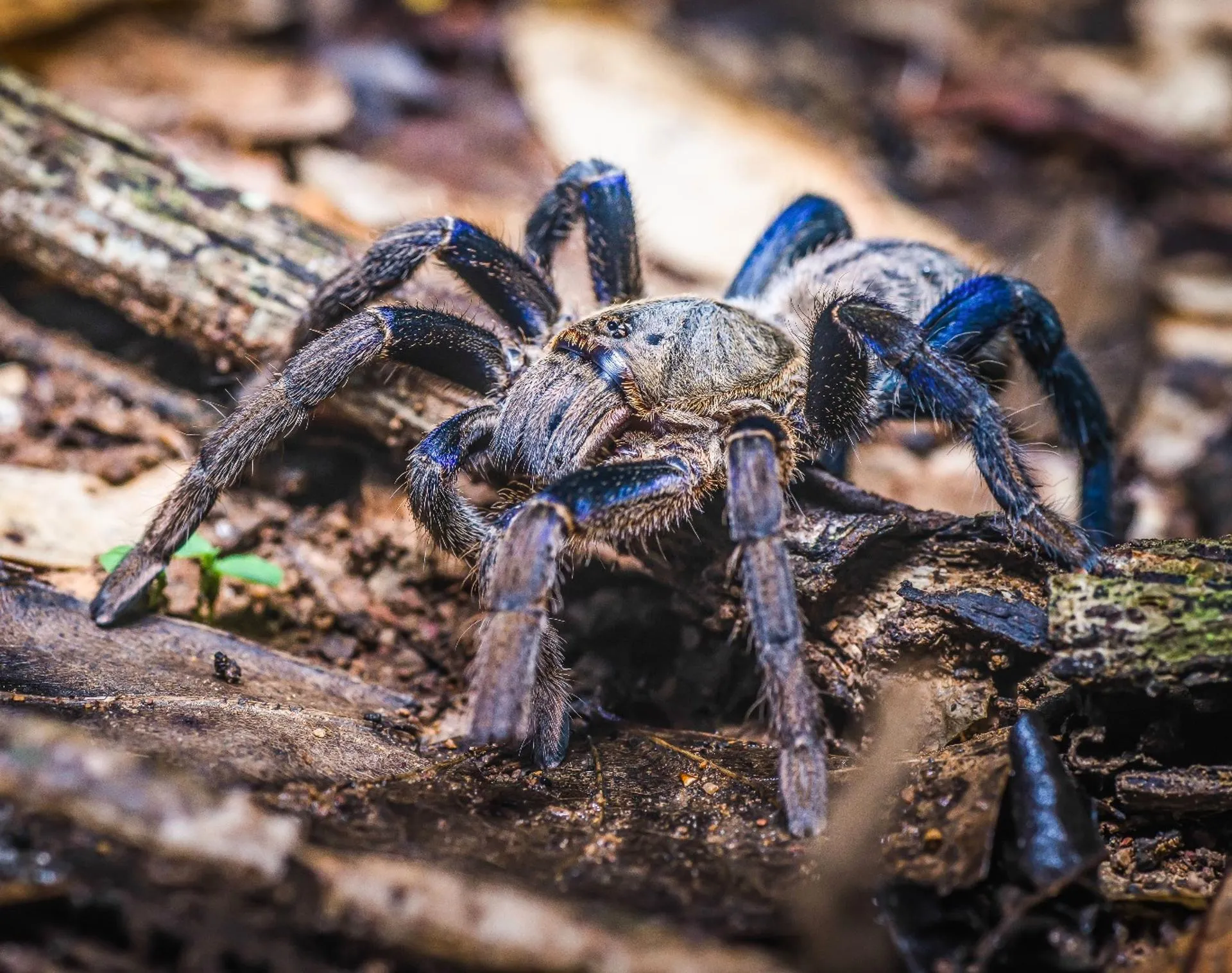
What is the Blue Tarantula and Why Is It Valuable?
The Blue Tarantula, a captivating creature with a striking blue coloration, has become a highly sought-after pet among arachnid enthusiasts. But beyond its aesthetic appeal, the Blue Tarantula’s value is determined by a complex interplay of factors, ranging from its natural rarity to the specific market demands. Understanding these elements is essential for anyone looking to acquire or appreciate these remarkable spiders. Its value is not merely financial; it also reflects the appreciation for its beauty, uniqueness, and the specialized care it requires. The Blue Tarantula’s value goes beyond its striking appearance.
Brief Overview of the Blue Tarantula
The Blue Tarantula typically refers to several species, most notably those within the genera Brachypelma and Cyriopagopus. These spiders are native to various regions, with their coloration varying slightly depending on the species and the individual spider. Their bodies are covered in a blue hue that can range from a subtle powder blue to a vibrant, electric shade. The coloration often intensifies with maturity, making adult specimens particularly desirable. The Blue Tarantula is known for its relatively docile temperament compared to other tarantula species, which contributes to its popularity as a pet.
Rarity and Exclusivity

One of the primary drivers of the Blue Tarantula’s value is its relative rarity in the wild and the limitations on its legal harvesting. The increasing regulation of wildlife trade further restricts the supply, thereby increasing its price. This scarcity is further compounded by the fact that many blue tarantula species have specific habitat requirements, making them difficult to breed in captivity. The combination of low supply and high demand positions the Blue Tarantula as a premium acquisition within the exotic pet market. The exclusivity of owning one contributes to its appeal and value.
The 5 Fascinating Facts About Blue Tarantula Value
Fact 1 Coloration and Aesthetics
The stunning blue coloration of the Blue Tarantula is a significant factor contributing to its high value. The intensity and vibrancy of the blue hue can vary among different species and even within the same species. The more intense the blue, the more desirable the spider. This aesthetic appeal makes them highly prized among collectors and enthusiasts who value the visual impact of their pets. The unique color sets them apart from many other tarantula species, enhancing their perceived value and desirability.
Why Color Matters in Tarantula Value

The vibrant blue coloration is not just aesthetically pleasing, but also a key characteristic that differentiates them from other species. This uniqueness immediately elevates their market value. The presence and intensity of the blue color are often directly correlated with the price. Spiders with richer, more vibrant blue hues are generally more valuable than those with a more muted color. Moreover, in certain species, the specific shade of blue can be a key indicator of the tarantula’s health, origin, and overall genetic quality.
Fact 2 Species and Origin
The specific species and the spider’s origin are major determinants of its value. Different species of Blue Tarantulas exhibit varying degrees of blue coloration, size, and temperament. Some species, such as the Cyriopagopus sp. ‘Blue’, are particularly rare and command a higher price than more commonly available species. Spiders from specific geographic locations may also be more valuable due to their unique genetic traits or historical significance. Understanding the species and origin is critical for accurately assessing the value of a Blue Tarantula.
Where Blue Tarantulas Come From
Blue Tarantulas are found in specific regions of Southeast Asia, particularly in countries like Thailand, Vietnam, and Myanmar. These regions boast diverse habitats which support distinct species. The origin of a Blue Tarantula can significantly affect its value due to its impact on the spider’s genetic makeup, coloration, and overall health. Spiders collected from sustainable sources are often valued more than those whose origin is uncertain. The place of origin adds to the uniqueness and therefore the value.
Fact 3 Size and Maturity

The size and maturity level of a Blue Tarantula play a crucial role in determining its value. Mature adults are typically more valuable than juveniles because they showcase the full extent of their coloration and exhibit their adult behavior. The size of the spider is directly related to its age, with larger specimens being more mature. However, the price is not solely determined by size, as the spider’s overall health, color intensity, and species also influence its value. The size and maturity level are important factors in evaluating the overall desirability and value.
The Impact of Size on Value
Larger, more mature Blue Tarantulas are often more expensive because they present a more complete display of their aesthetic qualities and are ready to breed. Adult females are particularly valuable as they can produce offspring. The price increases steadily as the spider grows, with the peak value often occurring when the spider has reached full maturity. The size and maturity also imply a certain level of care and time investment on the part of the owner or breeder, reflecting the investment in the spider’s health and longevity.
Fact 4 Health and Temperament
The overall health and temperament of a Blue Tarantula have a direct impact on its value. Healthy spiders with vibrant coloration, a good appetite, and active behavior are highly prized. Conversely, spiders with health issues, such as parasites or injuries, are often worth less. The temperament also matters; docile spiders that are easy to handle are generally more valuable than those that are defensive or skittish. Buyers often prioritize spiders that exhibit good health and a desirable temperament.
How Health Affects Price

Healthy Blue Tarantulas command higher prices because they are more likely to thrive in captivity, providing their owners with a rewarding experience. Signs of good health include a bright appearance, active behavior, and a willingness to eat. Spiders showing any signs of illness, such as lethargy, loss of appetite, or physical deformities, will be worth less. Prospective buyers often assess the spider’s health before making a purchase, as it directly impacts their investment and the potential enjoyment of owning the spider.
Fact 5 Demand and Market Trends
The demand and market trends for Blue Tarantulas significantly influence their value. As interest in exotic pets fluctuates, so does the price of these spiders. Limited availability and increased interest drive prices upward, while reduced demand can lead to a decrease in value. Rare morphs or color variations can also command premium prices. Economic factors, such as the overall health of the pet industry and the disposable income of potential buyers, play a crucial role in the valuation process. The market for Blue Tarantulas is dynamic.
Current Market Prices of Blue Tarantulas
The current market price for Blue Tarantulas can range from a few hundred to several thousand dollars depending on factors such as species, age, coloration, and overall health. Rare species, mature females, and spiders with exceptional coloration often fetch the highest prices. Market prices also vary by region and the availability of the spider. The best way to determine the current market price is to research recent sales data and consult with experienced breeders and sellers. Prices are susceptible to change, so constant monitoring is advised.
Factors Influencing the Blue Tarantula Value

Morphs and Variations
Specific morphs and color variations can significantly elevate the value of a Blue Tarantula. These unique traits can be caused by genetic mutations or selective breeding. Morphs can result in more intense colors, unusual patterns, or entirely new color combinations. The rarity and desirability of these variations are reflected in their higher market prices. The value of a Blue Tarantula is greatly influenced by these unique and rare characteristics, attracting collectors and enthusiasts seeking exceptional specimens.
Age and Sex
The age and sex of a Blue Tarantula directly influence its value. Mature females are typically more valuable than males due to their potential to produce offspring, adding value to the collection. Juvenile spiders are generally less expensive than adults but can still be valuable depending on their species and potential. The age of the spider is also a factor, with mature specimens often commanding higher prices due to their developed coloration and reproductive capabilities.
Location and Availability

The geographic location and the availability of Blue Tarantulas in that region impact their value. Spiders that are scarce in a particular area will often sell for a higher price due to their limited supply. The cost of import and export can also influence the price. The value can also vary based on local regulations, demand from enthusiasts, and the presence of reputable breeders or sellers. These variables help determine the market price of Blue Tarantulas.
Caring for Your Valuable Blue Tarantula
Habitat and Enclosure
Providing the correct habitat is essential to maintaining your Blue Tarantula’s value. The enclosure should mimic the spider’s natural environment, with appropriate temperature, humidity, and substrate. The enclosure should be spacious and provide the spider with adequate hiding places. Proper housing is essential to the spider’s overall health. This is critical for the health and well-being of the spider. Using proper equipment and materials helps ensure the spider’s longevity and continued desirability.
Feeding and Nutrition
A well-balanced diet is crucial for maintaining a Blue Tarantula’s health and appearance. They typically eat insects, such as crickets, mealworms, and roaches, in a quantity appropriate for their size. Providing varied and nutritious meals helps ensure the spider’s vibrant coloration and overall vigor. Regular feeding and appropriate dietary supplements can contribute to a higher value. Clean water and a clean environment are also essential for good health and appearance.
Health and Maintenance
Regular health checks and maintenance are essential for preserving the value of your Blue Tarantula. Monitor your spider for any signs of illness or injury. Providing preventative care through regular inspections and maintaining a clean environment is crucial. Promptly address any health issues to prevent a decline in the spider’s value. Regular cleaning of the enclosure and providing fresh water are also important aspects of maintaining a valuable Blue Tarantula.