Understanding the Blue Webbing Tarantula
The Blue Webbing Tarantula, scientifically known as Cyriopagopus albostriatus, is a captivating and sought-after species in the exotic pet trade. Originating from the tropical regions of Southeast Asia, this tarantula is renowned for its striking appearance, characterized by vibrant blue hues on its legs and a tendency to create elaborate webs. This care guide is designed to provide comprehensive information for both novice and experienced tarantula keepers, ensuring the health and well-being of your Blue Webbing Tarantula. Understanding their specific needs is crucial for creating an environment where these fascinating creatures can thrive. This includes knowledge of their natural habitat, dietary requirements, and the intricacies of their behavior.
Origin and Habitat
Blue Webbing Tarantulas are native to the tropical forests of Myanmar (Burma) and Thailand. In their natural habitat, they reside in burrows or silk-lined retreats, often found near the forest floor. The environment is typically warm and humid, which are critical factors in their survival. They are adept burrowers and web spinners, using their silk to create intricate webs for both shelter and trapping prey. Replicating their natural environment is a cornerstone of successful tarantula keeping. This includes maintaining appropriate temperature and humidity levels, providing suitable substrate for burrowing, and offering adequate hiding places.
Physical Characteristics

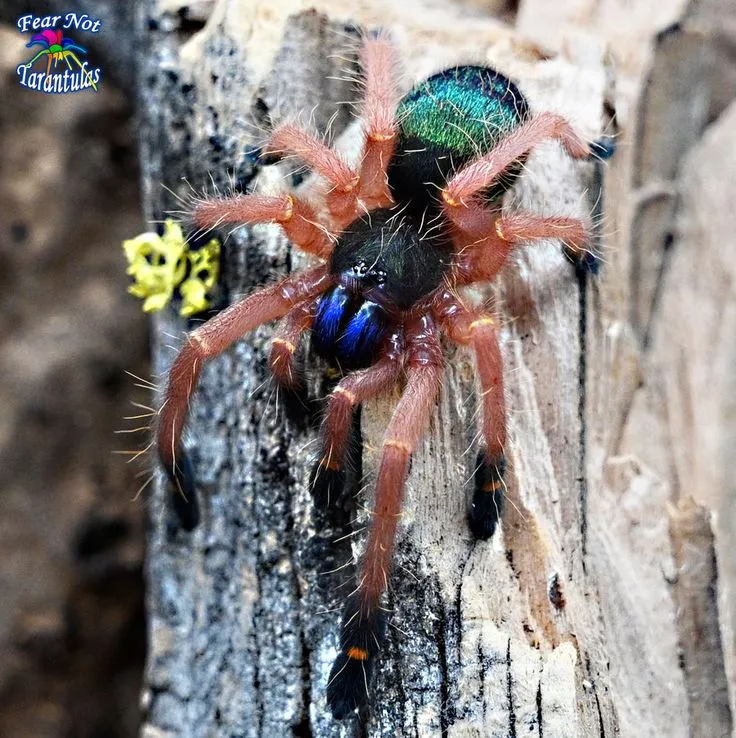
The Blue Webbing Tarantula earns its name from the beautiful blue coloration found on its legs and carapace. The intensity of the blue can vary based on the tarantula’s age and the conditions of its environment. They are medium to large tarantulas, with females often reaching a leg span of up to 6 inches. The abdomen is typically a darker shade, and the body is covered in fine hairs, which can sometimes cause irritation upon contact. They possess large fangs, used to inject venom into their prey, and pedipalps, which they use for sensing and manipulating food. The overall appearance makes them a striking addition to any collection.
Setting Up the Perfect Enclosure
Creating a suitable enclosure is essential for the well-being of your Blue Webbing Tarantula. The enclosure should mimic their natural habitat, providing security, adequate space, and the right environmental conditions. The size, substrate, and the placement of hides are critical factors to consider. Incorrect setup can lead to stress, impacting their health and longevity. Always prioritize the tarantula’s needs and choose the appropriate materials to create a safe and enriching environment. Proper setup will minimize stress and promote natural behaviors, resulting in a healthy and happy tarantula.
Enclosure Size and Type
The size of the enclosure depends on the size of your tarantula. A general guideline is to provide an enclosure that is at least three times the tarantula’s leg span in width. For a juvenile, a 5-gallon terrarium might suffice, while a larger adult female will thrive in a 10-gallon or larger enclosure. The enclosure should have a secure lid to prevent escape and adequate ventilation to ensure proper airflow while maintaining humidity. Glass or acrylic terrariums are the most common choices, each offering advantages regarding visibility and ease of cleaning. Ensure that the enclosure is escape-proof.
Substrate Selection

The substrate is the base of your tarantula’s enclosure and plays a vital role in maintaining humidity, providing a medium for burrowing, and offering a sense of security. A mixture of coconut fiber (eco earth), peat moss, and a small amount of vermiculite works well. These substrates retain moisture effectively and allow the tarantula to burrow and create a comfortable living space. The substrate should be deep enough to allow for burrowing, typically 4-6 inches, depending on the size of your tarantula. Regular spot cleaning is necessary to remove any uneaten food or waste to prevent the growth of mold or bacteria, which can be harmful to your tarantula.
Temperature and Humidity
Maintaining the correct temperature and humidity levels is crucial for the health of your Blue Webbing Tarantula. The ideal temperature range is between 75-85°F (24-29°C). A heat mat placed on the side of the enclosure (not underneath) can help maintain these temperatures. Humidity should be kept between 70-80%. Regularly misting the enclosure with dechlorinated water can help maintain the required humidity. Using a hygrometer is essential for monitoring humidity levels. Proper ventilation is equally important to prevent mold growth, but it should not be at the expense of maintaining proper humidity. A well-balanced environment is key to their well-being.
Feeding Your Blue Webbing Tarantula
Feeding your Blue Webbing Tarantula correctly is essential for its growth and overall health. Providing a balanced diet and understanding its feeding habits will ensure your tarantula thrives. This section will guide you through choosing the right food, the appropriate feeding frequency, and ensuring your tarantula gets the necessary nutrients.
Diet and Food Choices

Blue Webbing Tarantulas are primarily insectivores, meaning they feed on insects. Suitable food choices include crickets, cockroaches, mealworms, and other commercially available feeder insects. Ensure the insects are gut-loaded before feeding them to your tarantula to provide optimal nutritional value. Avoid feeding your tarantula insects caught from the wild, as they may contain pesticides or parasites that can harm your pet. The size of the prey should be appropriate for the size of your tarantula; typically, the prey should be no larger than the tarantula’s body length.
Feeding Frequency
Feeding frequency depends on the tarantula’s age and size. Spiderlings and juveniles should be fed more frequently, about 2-3 times per week. Adult tarantulas can be fed once a week or every other week. Observe your tarantula to gauge its appetite. If it consistently refuses food, it may be preparing to molt. Remove any uneaten food within 24 hours to prevent the build-up of mold and bacteria. Always ensure your tarantula has access to fresh water.
Water and Hydration
Providing a constant source of fresh water is vital for your tarantula’s health. Use a shallow water dish that is easily accessible, or provide water by misting the enclosure regularly. Ensure the water dish is shallow enough to prevent the tarantula from drowning. Replace the water regularly to keep it clean. Hydration is crucial, and ensuring your tarantula stays properly hydrated will help it molt successfully and maintain its overall health. Dechlorinated water should always be used.
Daily Care and Maintenance

Consistent daily care and maintenance is necessary to maintain a healthy and stimulating environment for your Blue Webbing Tarantula. Regular cleaning, appropriate handling techniques, and providing a safe environment contributes to the well-being of your pet. Ignoring these aspects of care can lead to stress, illness, and ultimately a shorter lifespan for your tarantula.
Cleaning and Enclosure Maintenance
Regular cleaning of the enclosure is essential for maintaining a healthy environment. Spot-clean the enclosure at least once a week, removing any uneaten food, molted exoskeletons, and waste. Completely replace the substrate every 6-12 months, or sooner if it becomes excessively soiled. Avoid using harsh chemicals or cleaning agents; warm water is generally sufficient for cleaning the enclosure. Ensure that all cleaning and maintenance tasks are completed in a way that minimizes disturbance and stress for your tarantula.
Handling and Safety
Handling Blue Webbing Tarantulas should be minimized and done with caution. While they are not typically aggressive, their venom can cause a painful bite. Avoid handling unless absolutely necessary, such as for enclosure maintenance or health checks. If you must handle your tarantula, do so close to the ground, and always be mindful of its movements. Never force a tarantula to do anything and be prepared for a potentially defensive reaction. Always wash your hands thoroughly after handling your tarantula or anything in its enclosure to prevent the spread of potential toxins or bacteria.
Common Health Issues

Like all animals, Blue Webbing Tarantulas can be susceptible to certain health issues. Understanding the common ailments and knowing how to identify and treat them is crucial for responsible pet ownership. Early detection and treatment are often the key to a successful recovery and a long, healthy life for your tarantula.
Recognizing and Treating Illness
Common health issues include mites, fungal infections, and injuries. Mites can be identified by small, moving specks on the tarantula or its enclosure. Fungal infections can result from overly humid conditions. Injuries can occur from falls or improper handling. Quarantine any new tarantulas before introducing them to your collection to prevent the spread of disease. If you suspect your tarantula is ill, consult with a veterinarian experienced in exotic pets. Proper care practices and a clean environment will help to minimize health risks.
Molting Process
Molting is a natural process where tarantulas shed their exoskeletons to grow. During molting, tarantulas are vulnerable. Signs of an upcoming molt include a darkening abdomen, loss of appetite, and lethargy. Do not feed your tarantula during this period. Maintain proper humidity levels and avoid disturbing the tarantula while it is molting. The molting process can take several hours, or even days, to complete, depending on the size and age of the tarantula. Once the molt is complete, your tarantula will have a new, fresh exoskeleton.
Breeding and Reproduction

Breeding Blue Webbing Tarantulas can be a fascinating but challenging endeavor. It requires careful planning, appropriate conditions, and an understanding of the tarantula’s life cycle. This section will provide essential guidelines on breeding your tarantula. Remember that breeding tarantulas is for experienced keepers only.
Identifying Sex
Sexing Blue Webbing Tarantulas can be achieved by examining their molt or by examining the underside of the abdomen. The presence of spermathecae indicates a female, while males have small, specialized structures called tibial hooks on their front legs used for mating. Sexing spiderlings is usually more difficult and may not be possible until they have undergone several molts. Expert keepers often use a microscope to sex juveniles with higher accuracy, though. Observing these details will enhance your understanding of the tarantula’s biology and provide critical insight into breeding practices.
Mating and Egg Sacs
Mating requires careful preparation and observation. Introduce the male to the female’s enclosure, always under supervision, as the female may be cannibalistic. The mating process can be quite brief, and the male typically deposits sperm webs for the female to collect. If successful, the female will produce an egg sac, which she will guard carefully. The egg sac can contain hundreds of eggs, which, under proper conditions, will hatch into spiderlings. Remove the male after mating to prevent him from being eaten. Provide the female with plenty of food and maintain stable conditions to enhance her ability to care for the egg sac.
Final Thoughts
Caring for a Blue Webbing Tarantula can be an incredibly rewarding experience. By providing the correct environment, a balanced diet, and attentive care, you can ensure your tarantula thrives and exhibits its fascinating natural behaviors. Remember, patience, observation, and a willingness to learn are essential for any tarantula keeper. With proper care, your Blue Webbing Tarantula can become a beautiful and long-lived member of your family. Continue to research and consult experienced keepers for the most up-to-date information and best practices.