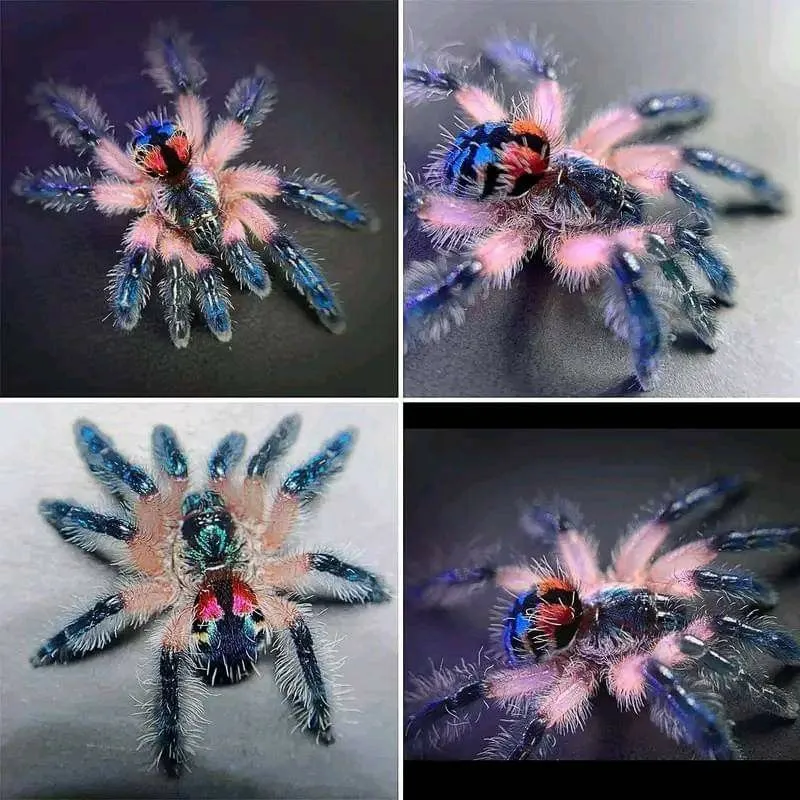
Brazilian Beauty Tarantula Overview
The Brazilian Beauty Tarantula (Typhochlaena seladonia) is a captivating species, known for its striking appearance and relatively docile temperament, making it a popular choice among tarantula enthusiasts. Native to the rainforests of Brazil, this arboreal tarantula is a visual delight, showcasing vibrant colors and intricate patterns. Their care is manageable, which makes them a great entry point for those new to the world of tarantula keeping, though like all exotic pets, proper research and understanding are essential for their well-being. Providing the right environment and understanding their needs will ensure a long and fulfilling life for your Brazilian Beauty Tarantula. Owning one is a rewarding experience for those willing to dedicate the time and resources required to provide them with a safe and enriching habitat.
Appearance and Characteristics
Brazilian Beauty Tarantulas are aptly named, displaying a gorgeous combination of colors. They typically have a velvety black carapace, with iridescent blue, green, or purple hues on their legs and abdomen. The setae (hairs) covering their bodies add to their beauty, giving them a soft, plush appearance. The striking contrast between the dark body and the vibrant leg coloration makes them a truly stunning species to observe. Their eyes, while not their primary sensory organ, are positioned on the top of their cephalothorax, allowing them to see movement above and around them. The overall aesthetic appeal, combined with their relatively calm nature, contributes significantly to their popularity among tarantula keepers.
Size and Lifespan

These tarantulas are not the largest species, but they are a good size. Females can reach a leg span of up to 5-6 inches, while males are generally slightly smaller. The lifespan of a Brazilian Beauty Tarantula varies depending on its sex. Females can live for an impressive 12 to 15 years, sometimes even longer with excellent care, making them a long-term commitment. Males, on the other hand, have a shorter lifespan, typically living for 3 to 5 years. This difference in lifespan is common among tarantula species and is an important factor to consider when choosing a tarantula as a pet. The longevity of females makes them especially appealing to those seeking a pet they can enjoy for many years.
Brazilian Beauty Tarantula Habitat Setup
Enclosure Size and Type
Providing the proper enclosure is crucial for the health and well-being of your Brazilian Beauty Tarantula. Due to their arboreal nature, they require a vertically oriented enclosure, allowing them to climb and explore. A good starting size for an adult is a terrarium measuring 12x12x18 inches or larger. The enclosure should be well-ventilated to prevent the build-up of excess humidity and the growth of mold. Clear, secure lids are essential to prevent escape, and the enclosure should be made of either glass or acrylic. Ensure the enclosure has secure ventilation holes, and avoid using any materials that could be toxic to the tarantula. The enclosure should provide ample space for the tarantula to move, climb, and build a web.
Substrate and Decorations

The substrate should be several inches deep to allow the tarantula to burrow if it chooses, although they don’t always burrow. A mix of coco fiber, peat moss, and a bit of sphagnum moss is ideal for retaining humidity while still allowing for good drainage. Avoid using cedar or pine shavings, as these can be toxic to tarantulas. Decorations are essential to enrich the environment, providing the tarantula with places to hide and explore. Include cork bark, branches, and artificial plants to mimic their natural habitat. These decorations not only provide visual interest but also offer the tarantula a sense of security and a place to construct its web. Ensure all decorations are securely placed to prevent them from falling and harming the tarantula.
Temperature and Humidity
Maintaining the correct temperature and humidity levels is vital for your Brazilian Beauty Tarantula’s health. The ideal temperature range is between 75°F and 80°F (24°C to 27°C). A heat mat placed on the side of the enclosure can help maintain this temperature, but be sure to monitor it closely to avoid overheating. Humidity should be kept between 65% and 75%. You can achieve this by misting the enclosure with dechlorinated water a few times a week and ensuring the substrate remains slightly moist but not waterlogged. Regular monitoring with a hygrometer will help you maintain the ideal humidity levels. Poor temperature or humidity can lead to health problems, so consistent monitoring is important.
Brazilian Beauty Tarantula Feeding and Diet
What to Feed Your Tarantula

Brazilian Beauty Tarantulas are primarily insectivores, so their diet should consist mainly of insects. Crickets, dubia roaches, and mealworms are all excellent choices. The size of the prey should be appropriate for the tarantula’s size; a general rule of thumb is to feed insects no larger than the tarantula’s body. Variety in the diet is also important to ensure the tarantula receives all the necessary nutrients. You can also supplement their diet with occasional treats like small pieces of fruit or vegetables. Avoid feeding them wild-caught insects, as they may carry parasites or pesticides.
Feeding Frequency
The feeding frequency for a Brazilian Beauty Tarantula depends on its age and size. Spiderlings and juveniles should be fed every 2-3 days, while adults can be fed once or twice a week. It is important not to overfeed your tarantula, as this can lead to obesity and other health problems. Observe your tarantula’s abdomen; if it appears overly plump, reduce the feeding frequency. Always remove any uneaten prey within 24 hours to prevent stress for the tarantula. Providing the right feeding schedule can help you in maintaining the health of your tarantula.
Watering and Hydration
Access to fresh water is essential for a Brazilian Beauty Tarantula. Provide a shallow water dish filled with dechlorinated water at all times. The dish should be small enough to prevent the tarantula from drowning. Ensure the water is always clean; replace it at least every other day. In addition to a water dish, misting the enclosure regularly helps maintain humidity and provides a source of drinking water for the tarantula. Pay attention to the humidity levels and adjust your misting schedule accordingly. Regular watering is the key to keeping your tarantula healthy.
Brazilian Beauty Tarantula Handling and Safety

Safe Handling Practices
While Brazilian Beauty Tarantulas are known for their docile nature, handling them should be done with caution. Always handle them close to the ground or over a soft surface in case they fall. Use a soft brush or a long object to gently guide the tarantula onto your hand. Avoid sudden movements or loud noises, as these can startle the tarantula. Wash your hands thoroughly before and after handling to remove any potential contaminants. It is best to avoid handling altogether unless necessary. They are more comfortable in their enclosure, and handling can cause unnecessary stress. It is always best to observe them in their natural habitat.
Recognizing Defensive Behavior
Understanding a tarantula’s defensive behavior is essential for safe handling. If a Brazilian Beauty Tarantula feels threatened, it may exhibit several warning signs. These include raising its front legs, exposing its fangs, and flicking urticating hairs from its abdomen. If the tarantula displays these behaviors, it is best to leave it alone. Never provoke a tarantula, and always respect its space. Be aware of any signs of discomfort and act accordingly. Understanding their behaviour will help you avoid any potential harm to yourself and the tarantula. Never try to force interaction with a tarantula that is showing defensive signals.
Brazilian Beauty Tarantula Health and Common Issues

Signs of a Healthy Tarantula
A healthy Brazilian Beauty Tarantula will exhibit several key signs. It should be active, exploring its enclosure, and showing a good appetite. The abdomen should be plump but not excessively so. The tarantula should have a vibrant color, and its setae should appear clean and undamaged. Regular molting is another sign of a healthy tarantula; molting is the process where the tarantula sheds its exoskeleton. If the tarantula is eating well, molting regularly, and actively moving around its enclosure, it is generally healthy. Observe your tarantula regularly to notice any changes in behavior or appearance that might indicate a health issue.
Common Health Problems
Like all pets, Brazilian Beauty Tarantulas can be susceptible to certain health problems. Dehydration can occur if the tarantula does not have access to water or if the humidity is too low. Parasites can be another issue; always source your feeders from a reputable supplier to minimize this risk. Overfeeding can lead to obesity and other health complications. Ensure the tarantula is provided with the correct temperature and humidity. Watch for signs of illness. If you notice anything unusual, such as lethargy, loss of appetite, or changes in behavior, consult with a veterinarian specializing in exotic animals. Early detection is critical for effective treatment.
Preventive Care and Veterinary Advice

Preventive care is essential for maintaining a healthy Brazilian Beauty Tarantula. Provide a clean and well-maintained enclosure, and ensure the correct temperature and humidity levels. Offer a varied diet and avoid overfeeding. Regular observation of your tarantula can help you detect potential problems early. If you notice any signs of illness, seek veterinary advice. Not all veterinarians are familiar with tarantulas, so it’s best to find one with experience in exotic animals. They can provide expert care and advice to help your tarantula thrive. By following these preventative care steps, you can greatly increase the chances of your tarantula living a long and healthy life.
Brazilian Beauty Tarantula Breeding
Sexing Your Tarantula
Before breeding Brazilian Beauty Tarantulas, it is essential to determine their sex. This can be done by examining the molted exoskeletons or by observing the tarantula’s physical features. On the molted exoskeleton, you can examine the epigastric furrow, which is a small groove located on the underside of the abdomen, between the book lungs. Females have a spermatheca, which is visible as a flap or pouch. Males do not have this structure. In adult tarantulas, males often have small, modified pedipalps (the mouthparts) that resemble boxing gloves, used to store sperm. Sexing a tarantula can be challenging, especially in juveniles, so experienced tarantula keepers often rely on expert advice.
Mating Process
Breeding Brazilian Beauty Tarantulas is a fascinating but complex process. The male will create a sperm web and deposit his sperm onto it, which he then transfers to his pedipalps. The male then approaches the female, and if she is receptive, he will mate with her, inserting his pedipalps into her epigastric furrow. After mating, the female will produce an egg sac, containing hundreds of eggs. The female will guard the egg sac carefully until the spiderlings hatch. The entire process, from mating to the hatching of spiderlings, can take several months. This requires a significant amount of time and preparation.