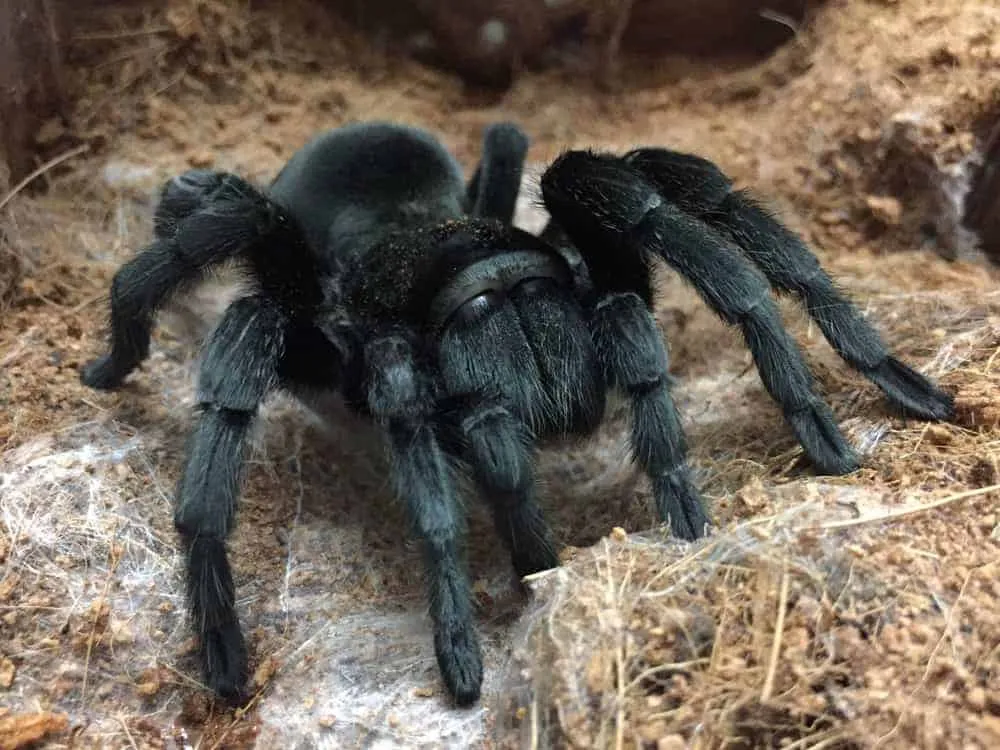
What to Feed a Brazilian Black Tarantula
The Brazilian Black Tarantula (Grammostola pulchra) is a captivating pet, renowned for its docile nature and striking appearance. Ensuring their well-being requires a carefully considered diet. This comprehensive guide delves into the secrets of providing optimal nutrition for your Brazilian Black Tarantula, from the importance of a balanced diet to understanding the best feeding practices and the types of prey that will help them thrive. Providing your tarantula with the right diet is not just about sustenance; it’s about ensuring their long-term health, encouraging healthy molting cycles, and providing them with an enriched life in captivity. Let’s explore the details of what it takes to feed your Brazilian Black Tarantula and keep them healthy.
The Importance of a Balanced Diet
A balanced diet is paramount for the health and longevity of your Brazilian Black Tarantula. Just as in humans, a varied intake of nutrients ensures proper growth, development, and overall well-being. A diet lacking essential nutrients can lead to health problems, stunted growth, and a weakened immune system, making the tarantula susceptible to diseases and infections. Furthermore, an imbalanced diet can interfere with the tarantula’s natural molting process, which is crucial for their growth and health. This is also why the tarantula will reject some foods, since the nutritional values are not suitable for its health.
Impact on Health and Molting

A well-balanced diet directly impacts the tarantula’s health and molting cycles. Molting is the process by which tarantulas shed their exoskeleton to grow. This process is extremely taxing, and tarantulas require adequate energy and nutrients to successfully molt. A diet rich in essential nutrients like proteins and vitamins supports healthy molting. Deficiencies can lead to molting problems, such as the tarantula getting stuck in its old exoskeleton, which can be fatal. A good diet keeps them healthy, active, and with a long lifespan. A poor diet can cause a poor immune system, causing the tarantula to struggle.
Optimal Feeding Schedule
Establishing an appropriate feeding schedule is crucial for maintaining your Brazilian Black Tarantula’s health and well-being. Overfeeding can lead to obesity and other health complications, while underfeeding can stunt growth and weaken the tarantula. The feeding schedule must be tailored to the age and size of the tarantula, as well as its individual metabolism. Young tarantulas, which are actively growing, require more frequent feedings than adults. The schedule also needs to be adjusted depending on whether it is near the molting stage, where the tarantula may stop eating altogether, or if it has just molted, where it will have increased appetite and require food.
Feeding Frequency
Feeding frequency varies based on age. Spiderlings and juvenile tarantulas typically need to be fed every 2 to 3 days. As the tarantula matures, the feeding frequency can be reduced. Adult Brazilian Black Tarantulas generally only need to be fed once every 1 to 2 weeks, or even less frequently, as they have slower metabolisms. The key is to monitor your tarantula’s abdomen. A well-fed tarantula will have a slightly rounded abdomen, but avoid excessive fullness. Adjust the frequency accordingly, paying attention to the tarantula’s behavior, and if it consistently rejects food, it’s a sign that it’s overfed or about to molt. It is important to remove uneaten food within 24 hours to prevent mold and mites.
Size and Age Considerations

The size of the prey should match the tarantula’s size. For spiderlings, small flightless fruit flies or pinhead crickets are ideal. As the tarantula grows, you can gradually increase the size of the prey to match. Juvenile tarantulas can be fed with small crickets and mealworms. For adult tarantulas, larger prey items such as adult crickets, roaches, or even small mice (pinkies) can be considered, though the latter should be offered sparingly. The age of the tarantula impacts its metabolic needs and, subsequently, its feeding requirements. Younger tarantulas require more protein for growth, while adults need a more balanced diet to maintain their health.
Live Prey Options
Live prey is the primary food source for Brazilian Black Tarantulas, mimicking their natural diet in the wild and providing essential nutrients. The movement of live prey stimulates the tarantula’s hunting instincts, promoting exercise and mental stimulation. It’s crucial to select appropriate prey items that are nutritious and pose no threat to the tarantula. Crickets are a popular choice, while other insects like mealworms and roaches can provide dietary variety and additional nutritional benefits. The goal is to provide a variety of insects in the tarantula’s diet to cover all the nutritional bases. This ensures your tarantula receives a balanced and complete diet.
Crickets as a Staple Diet
Crickets are a staple food source for Brazilian Black Tarantulas due to their easy availability and nutritional value. They’re readily accepted by tarantulas and provide a good source of protein, which is essential for growth and overall health. It’s important to gut-load the crickets before feeding them to your tarantula. Gut-loading involves feeding the crickets nutritious food, such as vegetables, fruits, and commercial cricket food, 24-48 hours before they are offered to the tarantula. This ensures the crickets are packed with nutrients that your tarantula will benefit from. Make sure the crickets are healthy and free from pesticides or parasites.
Nutritional Value of Crickets

Crickets offer a good source of protein, which is vital for growth and muscle development in tarantulas. They also contain chitin, which is an essential part of the exoskeleton, supporting healthy molting. However, crickets can be low in certain nutrients like calcium, so it’s crucial to dust them with a calcium and vitamin D3 supplement, especially for growing tarantulas. This helps prevent nutritional deficiencies and promotes strong, healthy exoskeletons. This ensures your tarantula gets the necessary vitamins and minerals for optimal health. Supplementing with vitamins and minerals is necessary, since crickets do not contain a lot of vitamins and minerals.
Other Insects to Consider
While crickets form a solid foundation of the diet, variety can improve the nutritional intake and prevent nutritional deficiencies. Adding other insects to the menu ensures a more balanced diet. Mealworms and roaches are excellent alternatives, each offering different nutritional profiles that can be beneficial for your tarantula. These insects provide different nutrients and offer environmental enrichment. Introducing a variety of prey adds diversity to the tarantula’s diet and makes the overall diet more interesting.
Mealworms
Mealworms (larvae of the darkling beetle) are a good source of protein and can be a convenient food option. They’re easy to store and readily available. However, mealworms have a higher chitin content than crickets, which can make them harder to digest if fed in excess. It’s important to feed mealworms in moderation and use them as a supplementary food rather than the primary diet. Dusting mealworms with calcium and vitamin supplements is also advisable to boost their nutritional value.
Roaches

Roaches are an excellent choice for tarantula diets, offering a more balanced nutritional profile than crickets and mealworms. They’re higher in protein and lower in fat, making them a healthier option. Roaches, such as Dubia roaches, are relatively easy to breed and maintain, providing a sustainable food source. The hardiness of roaches and their ability to survive in various conditions also make them a practical option for tarantula keepers. Roaches are more active than crickets and often stimulate a tarantula’s hunting instinct.
Treats and Supplements
While the primary diet should consist of live prey, treats and supplements can play a role in enriching the nutritional profile and providing additional enrichment for your Brazilian Black Tarantula. Treats can offer variety and stimulation, while supplements help prevent nutritional deficiencies. It’s important to use both responsibly and in moderation, always prioritizing the tarantula’s health and well-being. Keep in mind, treats should only be offered in small amounts and should never replace the main diet.
Occasional Treats for Enrichment
Offering occasional treats can add variety to your tarantula’s diet and stimulate their hunting instincts. Small, appropriately sized treats such as a pinky mouse (for adults only, and sparingly) can be offered. However, these should be used sparingly due to their high-fat content. Another option is to offer small pieces of fruit or vegetables. These can be given in small amounts and should be removed after a few hours to prevent mold or decay. Enrichment not only adds to their diet, but also makes the tarantula more active.
Vitamin and Calcium Supplements

Supplements are crucial to ensure a complete and balanced diet. Dusting prey items with a calcium and vitamin D3 supplement is essential to prevent calcium deficiencies and promote healthy exoskeletons. Calcium is especially important for growing tarantulas to ensure proper bone and exoskeleton development. Vitamin D3 aids in the absorption of calcium, making the supplement even more effective. You can also consider other supplements, such as a multivitamin, especially if you’re feeding a limited variety of prey. Always follow the manufacturer’s instructions when using supplements, and avoid over-supplementation, as this can also be harmful.
Water and Hydration
Providing a clean and constant supply of fresh water is a critical aspect of Brazilian Black Tarantula care. Tarantulas need water for hydration, molting, and overall health. Dehydration can lead to serious health issues, including molting problems and even death. Therefore, it’s crucial to ensure the tarantula always has access to fresh water. The availability of water also assists in the molting process. The humidity in the enclosure must be carefully controlled.
Importance of Fresh Water
Clean, fresh water is essential for the tarantula’s hydration and proper bodily functions. Water helps the tarantula regulate its body temperature, and also aids in the molting process. Contaminated water can lead to illness, so it’s essential to replace the water regularly and ensure the water source is clean. Regular water changes also help maintain the humidity level in the enclosure, which is very important for the health of the tarantula. Keep the water clean and replace it regularly, preferably every day or every other day.
How to Provide Water
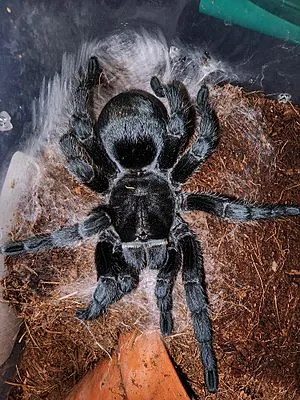
The most common and effective method of providing water is using a shallow water dish. The dish should be shallow enough to prevent the tarantula from drowning, especially for spiderlings. Use a non-toxic dish that is stable and easy to clean. Ceramic dishes are a good option as they are easy to clean and maintain. The water dish should be cleaned and refilled daily to keep the water fresh and prevent bacterial growth. Additionally, misting the enclosure lightly can also provide supplemental moisture, but it should not replace the water dish.
Common Diet Mistakes to Avoid
Avoiding common diet mistakes is key to ensuring the health and well-being of your Brazilian Black Tarantula. Overfeeding, offering unsuitable prey, and neglecting water needs can all lead to health problems. Educating yourself on best practices will help you to avoid those mistakes. By learning from common errors and implementing the right feeding strategies, you’ll enhance the quality of life for your tarantula and reduce any potential health issues.
Overfeeding Risks
Overfeeding is one of the most common mistakes. It can lead to obesity, which puts stress on the tarantula’s organs and can shorten its lifespan. A tarantula with an overly plump abdomen is often an indication of overfeeding. Furthermore, overfeeding can cause the tarantula to lose interest in food and become less active. Adjust the feeding frequency based on the tarantula’s age and size and always observe its abdomen to monitor its fullness. It’s important to understand the tarantula’s natural feeding behavior, and adjust accordingly to avoid any health issues.
Food Safety Concerns
Food safety is a major concern when it comes to feeding your Brazilian Black Tarantula. Make sure that prey items are healthy and free from parasites or diseases. Always source prey from a reputable supplier. Avoid feeding your tarantula wild-caught insects, as they may have been exposed to pesticides or parasites. Also, the uneaten food should be removed within 24 hours to prevent the buildup of mold and mites. Always wash your hands thoroughly after handling food or the tarantula’s enclosure. This reduces the chance of contaminating your tarantula with diseases. Take the necessary steps to keep the enclosure clean and the food safe.
Conclusion
Providing a well-balanced diet is critical to the long-term health and happiness of your Brazilian Black Tarantula. By understanding the importance of various food sources, the optimal feeding schedule, and the common mistakes to avoid, you can ensure that your tarantula lives a long and healthy life. Remember to always provide fresh water, monitor your tarantula’s abdomen, and adjust feeding practices based on its age and individual needs. With a commitment to proper care and attention to dietary details, you can enjoy the rewarding experience of keeping these fascinating creatures. Following these guidelines is crucial for promoting overall well-being and allowing you to appreciate your Brazilian Black Tarantula for many years to come.