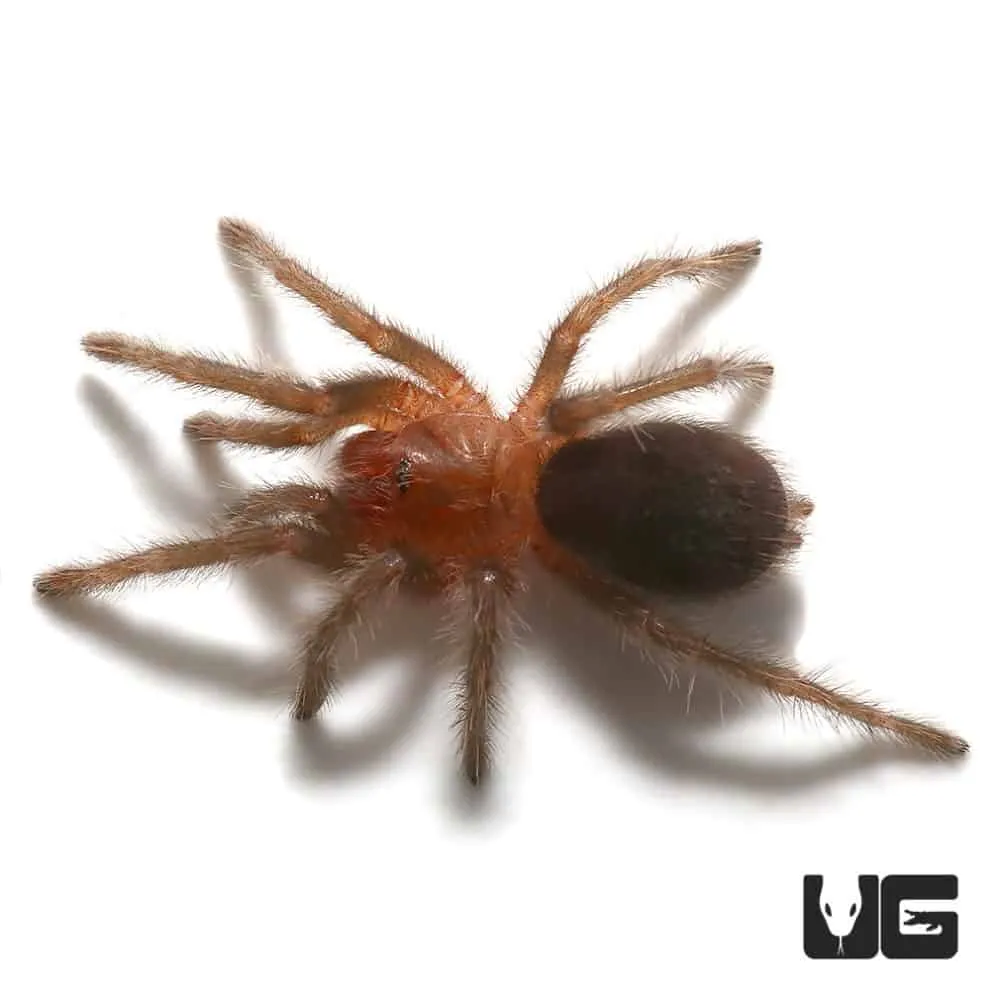
Brazilian Black Tarantula Personality Top 5 Traits
The Brazilian Black Tarantula, scientifically known as Grammostola pulchra, is a captivating species for both novice and experienced arachnid enthusiasts. While these tarantulas are often admired for their striking black coloration and relatively docile nature, understanding their personality is crucial for responsible pet ownership. Their personality is a fascinating blend of calm demeanor, survival instincts, and unique behaviors. This article explores the top five personality traits of the Brazilian Black Tarantula, offering insights into their handling, feeding habits, and overall well-being in captivity. This knowledge enables owners to create a thriving environment, making them ideal pets for those seeking a low-maintenance yet intriguing companion. Understanding the behaviors of your Brazilian Black Tarantula will help ensure a long and fulfilling life for this amazing creature.
Docile Nature
One of the most appealing aspects of the Brazilian Black Tarantula’s personality is its generally docile nature. Compared to some other tarantula species, they are known for being less likely to display aggressive behaviors such as biting. This characteristic makes them a popular choice for beginners or those new to tarantula ownership. However, it is crucial to remember that every tarantula has its own individual temperament, and handling should always be approached with caution and respect. They are not always ‘handleable’, and forcing interaction can lead to stress or defensive actions. The key is patient observation and learning the individual spider’s cues.
Handling Considerations

While Brazilian Black Tarantulas are often docile, handling should still be approached with care. Always handle them close to the ground to minimize the risk of injury from a fall. Avoid sudden movements and ensure your hands are clean and free of any scents that might agitate the tarantula. Observe the tarantula’s behavior; if it seems agitated or defensive, it’s best to leave it alone. Consider using a soft brush to gently guide the tarantula if necessary. It’s important to note that handling is not a necessity for their well-being and can, in some cases, be stressful for the spider. Always prioritize the tarantula’s comfort and safety. Brazilian Black Tarantulas are best observed and enjoyed in their terrariums.
Temperament and Predatory Instincts
Despite their generally calm demeanor, Brazilian Black Tarantulas are, at heart, predators. Their temperament is largely defined by their hunting instincts and feeding habits. They are ambush predators, patiently waiting for prey to come within striking distance. They may be skittish if startled, but typically retreat to their hide rather than attack. This shyness is more of a defensive reaction than an aggressive one. Providing a suitable environment with a hide or burrow helps them feel secure and reduces stress, leading to a more relaxed temperament. Proper enclosure design, including appropriate substrate and hiding places, is key to ensuring a happy and well-adjusted tarantula. Their predatory instincts are always present, but their generally docile personality is what makes them so unique.
Feeding Behavior
Feeding habits are a key aspect of understanding their personality. Brazilian Black Tarantulas typically eat insects such as crickets, roaches, and mealworms. They are opportunistic feeders and will often consume their prey with gusto, displaying their predatory nature. They may refuse food if they are about to molt or are otherwise stressed. The tarantula’s reaction to food also offers insights into its individual personality. Some are voracious eaters, while others may be more selective. Monitoring their feeding behavior, alongside other factors, provides valuable insight into their overall health and well-being. Never handle a tarantula immediately after feeding, give it time to digest its meal.
Defensive Reactions

Even with their docile nature, Brazilian Black Tarantulas have defensive mechanisms. Their primary defense is typically fleeing to a burrow or hide. If they feel threatened and cannot escape, they may raise their front legs in a defensive posture, which serves as a warning. While they are not known to be particularly aggressive, they will bite if they feel threatened or provoked. The bite is not considered medically significant to humans, but it can be painful. It’s crucial to avoid any action that might be perceived as a threat by the tarantula. Learning to recognize their defensive cues is key to safe interaction. Always observe the spider’s behavior and avoid any actions that might trigger a defensive response.
Urticating Hairs
Brazilian Black Tarantulas possess urticating hairs on their abdomen, which they can flick at perceived threats. These hairs are a form of defense and can cause skin irritation if they come into contact with human skin. While not life-threatening, the irritation can be uncomfortable. Minimizing exposure to these hairs is important. Avoiding direct contact with the abdomen of the tarantula and keeping the enclosure clean can help. If you must handle the tarantula, wear gloves to protect your skin. The urticating hairs are a reminder that even a docile tarantula has defense mechanisms and should always be treated with respect.
Molting Behavior
Molting is a significant process in the life of a Brazilian Black Tarantula, and it influences their personality and behavior. Before molting, they typically become less active and may refuse food. They may also create a web mat to help them during the process. The molting process leaves them vulnerable, so they will seek a secure place to shed their exoskeleton. After molting, the tarantula’s new exoskeleton is soft, and they will be particularly vulnerable. During this time, they are even more docile than usual and should not be disturbed. The entire process can take several hours, and it is an excellent sign of a healthy tarantula.
Changes in Personality During Molting

During the molting period, the Brazilian Black Tarantula’s personality shifts noticeably. They become far more withdrawn and less interested in interacting with their environment. It is crucial not to disturb the tarantula during this time, as stress can be detrimental to the molting process. Provide them with a secure, undisturbed environment, ensuring the right temperature and humidity. Do not attempt to feed them during molting, as they will not be interested. After molting, they will be hungry, and their colors will be more vibrant. Knowing the molting cycle is key to caring for your tarantula.
Longevity and Personality Development
The longevity of a Brazilian Black Tarantula can significantly influence its personality development. Females can live for over 20 years, while males typically have a shorter lifespan, often only a few years after maturity. Over time, tarantulas may exhibit changes in behavior, such as becoming less active with age or adjusting their feeding habits. Understanding their lifespan and the factors that affect it is important for responsible care. Their personality will change over time, and as they age, you may notice they become more or less active. Careful observation and consistent care helps to appreciate the changes.
Factors Influencing Lifespan
Several factors influence the lifespan of a Brazilian Black Tarantula. These include proper care, consistent temperatures, humidity, and a stress-free environment. Nutrition also plays a critical role, with a balanced diet of insects being essential for their health and longevity. The size of the enclosure, access to clean water, and the absence of harmful chemicals are all important factors. Providing the best possible environment is important to maximize the lifespan and ensure a positive personality. Responsible pet ownership is not only about providing food but also creating an environment that supports the well-being of the tarantula throughout its life.
Behavioral Changes Over Time

Over the years, you might observe behavioral changes in your Brazilian Black Tarantula. They may become less active as they age or become more accustomed to their environment. Females, in particular, may exhibit different behaviors depending on whether they have mated or laid eggs. Males will change after maturity. These changes are a normal part of the aging process and should be monitored. Learning to read the subtle cues of your tarantula will help you provide the best care. Observe their eating patterns, activity levels, and any shifts in behavior. This can provide valuable insights into their overall health and personality.
In conclusion, the Brazilian Black Tarantula’s personality is a combination of docility, predatory instinct, and adaptability. Understanding these traits, from their handling considerations to their molting behavior, is fundamental to their care. By providing a suitable environment, respecting their needs, and observing their behavior, you can create a harmonious environment, enjoying the unique personality of your tarantula. Careful observation, proper care, and a respect for their needs are key to a fulfilling and rewarding experience.