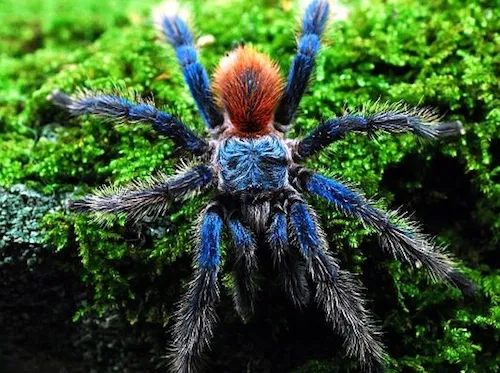
Brazilian Blue Dwarf Tarantula Size Overview
The Brazilian Blue Dwarf Tarantula, scientifically known as Typhochlaena seladonia, is a captivating and sought-after species in the pet trade. One of the most intriguing aspects of this tarantula is its size, which contributes significantly to its appeal and the care it requires. Understanding the size of a Brazilian Blue Dwarf Tarantula is crucial for prospective owners and enthusiasts alike. This knowledge helps in providing the appropriate housing, diet, and overall environment needed for the tarantula to thrive. The size of this species, while relatively small compared to some other tarantulas, still presents unique considerations for its care and management. This article will delve into the specifics of their size, including average dimensions, factors influencing growth, and the significance of size in their care.
Average Size of Adult Brazilian Blue Dwarf Tarantulas
Adult Brazilian Blue Dwarf Tarantulas are notably small, which is a defining characteristic of the species. On average, the body length of an adult Brazilian Blue Dwarf Tarantula typically ranges from 1 to 1.5 inches (2.5 to 3.8 cm). This measurement refers to the length of the tarantula’s body, excluding the legs. When considering the leg span, which is the distance from the tip of one leg to the tip of the opposite leg, the size can extend up to 3 to 4 inches (7.6 to 10 cm). This leg span gives a better overall impression of the tarantula’s size and the space it requires. Understanding these dimensions is vital when setting up an enclosure, as the tarantula needs enough space to move around comfortably, molt, and hunt. The small size makes them manageable pets, but also emphasizes the need for a carefully designed habitat.
Size Differences Between Males and Females

Like many tarantula species, there are size differences between male and female Brazilian Blue Dwarf Tarantulas. Females tend to be slightly larger and more robust than males. The size difference is often more apparent as they mature. Mature females typically exhibit a larger body size and a more substantial leg span compared to their male counterparts. This distinction is a common trait among tarantulas, where females invest more energy in growth due to their role in reproduction. Males, on the other hand, often reach maturity faster, but they may be smaller in overall size. This difference becomes crucial in identifying the sex of the tarantula, which is particularly important if you intend to breed them. Examining the tarantula’s molt, or the appearance of the male’s pedipalps, are common methods used to determine sex.
Factors Influencing Tarantula Size
Several factors can influence the ultimate size of a Brazilian Blue Dwarf Tarantula. Understanding these can help owners provide the best possible care to maximize the tarantula’s potential. These factors range from environmental conditions to genetic predispositions. Proper care is essential to help your tarantula grow to its full potential, while inadequate care can stunt growth or, in severe cases, lead to health problems. Feeding, humidity, and enclosure size are all important components in a tarantula’s growth and development. Good practices can improve the tarantula’s size and overall well-being. Poor practices or any deficiency in care will be visible on the tarantula’s size, in general. Therefore, it’s important to provide the best conditions to facilitate healthy growth and development.
Diet and Nutrition
A balanced diet is crucial for tarantula growth. Brazilian Blue Dwarf Tarantulas thrive on a diet primarily consisting of insects such as crickets, roaches, and mealworms. The size of the prey should be appropriate for the tarantula’s size, with juveniles requiring smaller insects. Providing a variety of insects ensures the tarantula receives a range of nutrients, which supports healthy growth. Overfeeding should be avoided, as it can lead to health issues, but consistent feeding is essential, especially during the growth phases. Supplementing their diet with vitamins and minerals can also benefit the tarantula. Fresh water should always be available. Regularly monitor the tarantula’s feeding habits and adjust the diet based on its growth and activity levels.
Genetics and Breeding

Genetics play a significant role in determining the size of a Brazilian Blue Dwarf Tarantula. Some individual tarantulas naturally have a genetic predisposition to be larger or smaller than average. Breeders often select for specific traits, which can influence size over generations. Breeding practices can, therefore, impact the size of offspring, with some lines potentially growing larger than others. The size of the tarantula can also depend on the genetic makeup of the individual tarantula. Understanding the genetic background of a tarantula, if known, can provide insights into its potential size and growth. Therefore, breeders who are focused on size and other physical attributes will have tarantulas that reflect those attributes. It’s important to note that not all tarantulas will grow to the same size, and there are certain traits that are pre-determined.
Growth Stages of Brazilian Blue Dwarf Tarantulas
The Brazilian Blue Dwarf Tarantula goes through several growth stages, each with its unique characteristics and requirements. These stages are marked by molting, a process where the tarantula sheds its exoskeleton to grow. Understanding these stages helps owners provide the proper care to support healthy development. The growth stages include the spiderling phase, the juvenile phase, and the adult phase. The speed of growth varies depending on various factors, including feeding, temperature, and genetics. Monitoring the tarantula’s molting cycles and growth progress is a part of responsible ownership. It ensures you can promptly address any potential issues and facilitate the well-being of your tarantula.
Spiderlings to Juveniles
Spiderlings are the youngest stage of the Brazilian Blue Dwarf Tarantula, characterized by their small size and delicate appearance. During this phase, the tarantula undergoes frequent molting as it rapidly grows. Spiderlings are particularly vulnerable and require a carefully controlled environment, with high humidity and a safe enclosure. They typically feed on very small insects such as flightless fruit flies or pinhead crickets. As spiderlings molt, they gradually grow larger, transitioning into the juvenile stage. These early stages are crucial for laying the foundation for the tarantula’s health and development, and the enclosure should be properly sized to fit the spiderling. Providing a stable temperature, humidity, and regular feeding during the spiderling phase is essential for proper growth.
Juveniles to Adults

As the tarantula grows through the juvenile stage, it undergoes molting less frequently. Juveniles require more space than spiderlings, and their diet can be expanded to include slightly larger prey items. Careful attention to enclosure size and environmental conditions continues to be crucial. The transition from juvenile to adult marks a significant milestone. The tarantula reaches its full size and reproductive maturity. At this point, the molting frequency decreases further, and the tarantula’s overall appearance and behavior become more established. Adult tarantulas have different needs than the juveniles, and it’s important to monitor their growth, provide the right environment, and adjust the enclosure as they get older. The juvenile stage is all about growth and reaching maturity, which depends on how well they are cared for.
Comparing Brazilian Blue Dwarf Tarantula Size to Other Species
Compared to other tarantula species, the Brazilian Blue Dwarf is one of the smallest. This characteristic makes them an attractive choice for hobbyists with limited space or those who appreciate the unique aspects of dwarf species. The comparative size can influence care requirements, such as enclosure size and feeding frequency. Many other species, such as the Goliath Birdeater (Theraphosa blondi), can have leg spans exceeding 10 inches, dwarfing the Brazilian Blue Dwarf. The smaller size of this species contributes to their appeal. Their compact size also makes them less intimidating for new keepers and provides an intriguing contrast to the larger, more commonly kept tarantulas. Therefore, a direct comparison with other tarantulas reveals the unique aspects of this species.
Why Size Matters in Tarantula Care
The size of a Brazilian Blue Dwarf Tarantula is a critical factor in its care. Understanding the size helps owners provide the appropriate habitat, feeding schedule, and overall environment needed for the tarantula to thrive. Size dictates the space the tarantula needs, the type of prey it can consume, and the specific environmental conditions that support its well-being. Ignoring these considerations can lead to stress, poor health, and reduced lifespan. Therefore, the size is not just a measurement; it’s a key indicator of the tarantula’s needs. Responsible tarantula ownership involves careful consideration of these aspects, making the size a central component of proper care.
Choosing the Right Enclosure

The enclosure size should be proportionate to the tarantula’s size. For a Brazilian Blue Dwarf Tarantula, a smaller enclosure is generally suitable, providing enough space for movement, molting, and access to water. The enclosure should be escape-proof and well-ventilated, with appropriate substrate to maintain humidity. The enclosure should provide an environment that mimics their natural habitat, including hiding places, such as cork bark or artificial plants. Providing the right size of enclosure helps reduce stress. The size of the enclosure also has to take into consideration where the tarantula will be located. A well-designed enclosure is essential for the tarantula’s comfort and health.
Handling and Safety
While Brazilian Blue Dwarf Tarantulas are not considered aggressive, handling should be done with caution. Their small size may make them appear less intimidating, but they can still bite if threatened. Handling should be kept to a minimum, as it can stress the tarantula. It’s important to understand that their venom, although not deadly to humans, can cause localized pain and discomfort. When handling is necessary, do so near a soft surface to prevent injury if the tarantula falls. Always wash your hands thoroughly after handling the tarantula or any of its enclosure materials. The safety of both the owner and the tarantula is paramount. If you decide to handle your tarantula, make sure the surrounding area is safe, and you are prepared to handle a quick escape.
Conclusion
The size of the Brazilian Blue Dwarf Tarantula is a significant aspect of its appeal and care. This species’ small stature influences its housing, feeding, and overall management. Understanding the factors that affect size, such as diet, genetics, and growth stages, is essential for providing optimal care. From selecting the right enclosure to handling safely, every aspect of care is influenced by the tarantula’s size. By considering these factors, owners can provide a suitable environment, allowing the tarantula to thrive. Appreciating the size and needs of this unique tarantula species ensures a rewarding experience for both the keeper and the tarantula itself. The size is an important element of the Brazilian Blue Dwarf Tarantula’s care and ensuring its well-being.