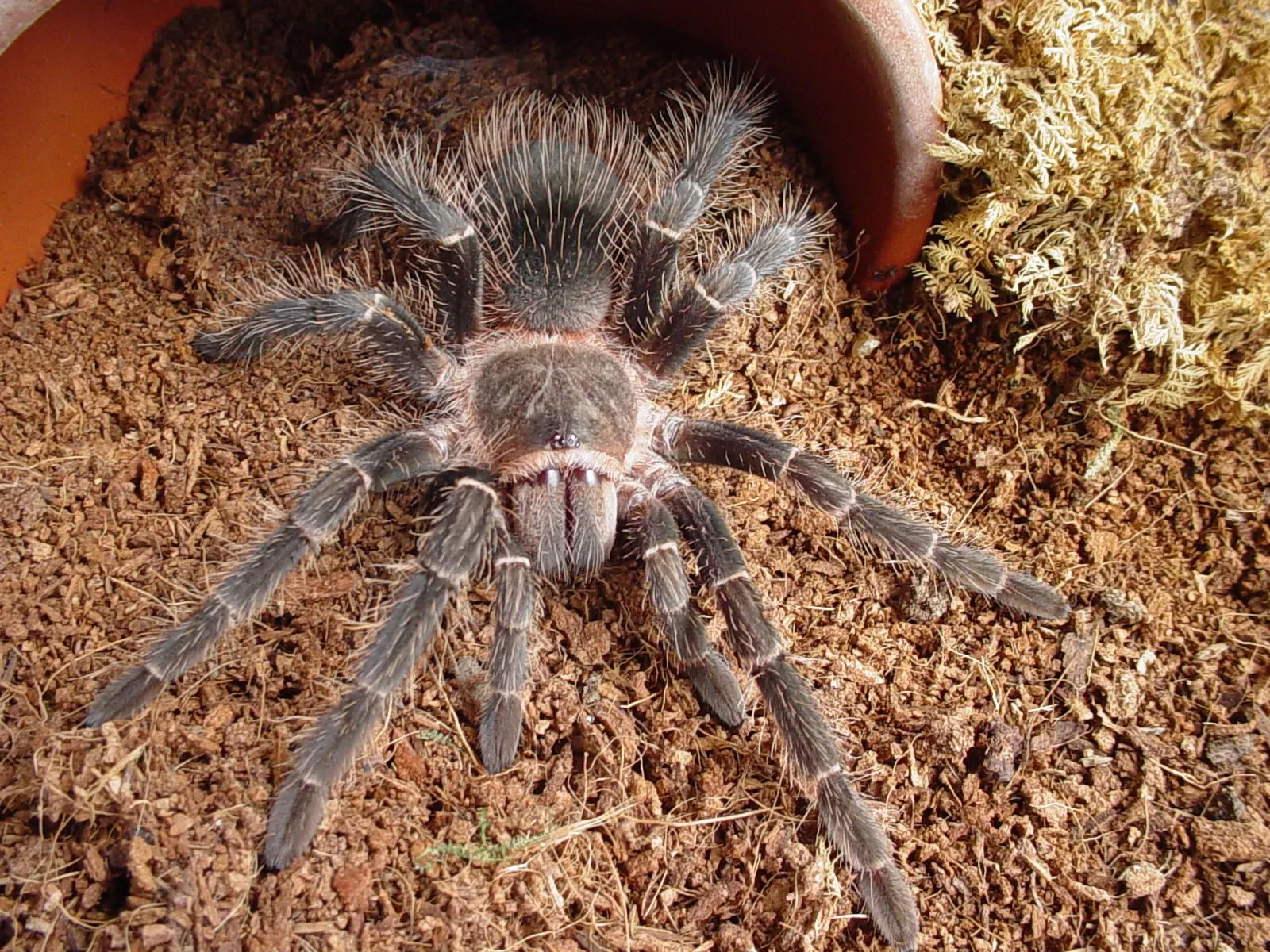
Understanding the Brazilian Salmon Pink Tarantula (Grammostola pulchra)
The Brazilian Salmon Pink Tarantula (Grammostola pulchra), often called the G. pulchra, is a popular pet tarantula known for its docile temperament and striking appearance. Native to the grasslands of southern Brazil, these spiders are appreciated by hobbyists for their relatively calm nature and ease of care. Unlike some other tarantula species, they are not particularly defensive, making them a good choice for those new to the hobby. Their name comes from the vibrant pink coloration of their urticating hairs, which they use for defense. These hairs are not dangerous, but can be irritating if they get into your eyes or mouth, so it’s important to take the proper precautions when caring for this beautiful species. Understanding their natural habitat is key to replicating the right conditions in captivity and ensuring their well-being. This comprehensive guide will provide everything you need to know about Brazilian Salmon Pink Tarantula care, from setting up their enclosure to feeding and handling.
Habitat and Environment
Creating the right habitat is crucial for the health and happiness of your Brazilian Salmon Pink Tarantula. Their natural environment is the grasslands of Brazil, so the enclosure should mimic these conditions. This involves providing the correct temperature, humidity, substrate, and hiding places. A well-designed habitat not only keeps your tarantula healthy but also allows you to observe its natural behaviors. You can ensure your tarantula thrives by understanding its needs and providing a suitable environment, as this helps your pet thrive. Setting up the ideal habitat requires attention to detail, but the results are a healthy and thriving tarantula, which will provide you with many years of enjoyment. Start by selecting the right enclosure size, then proceed with adding appropriate substrate, decorations, and climate control measures. The right habitat ensures your tarantula feels safe and secure.
Enclosure Size and Setup

Choosing the right enclosure size is the first step in creating a suitable habitat. For a juvenile Brazilian Salmon Pink Tarantula, a container that is 8x8x8 inches is usually sufficient. As they grow, you will need to upgrade to a larger enclosure. An adult tarantula typically needs a terrarium that is at least 12x12x12 inches, but a larger enclosure, such as 18x18x12 inches, is often preferred, especially for females. The enclosure should be escape-proof with a secure lid. Ensure there is good ventilation to prevent the buildup of humidity and the growth of mold. Consider the material of the enclosure as well – glass or acrylic are both suitable, and provide good visibility. Position the enclosure in a quiet area away from direct sunlight, as direct sunlight can overheat the enclosure. The right enclosure allows your tarantula to move and live comfortably.
Substrate and Decorations
The substrate is the bedding material on the bottom of the enclosure. It serves several important purposes, including providing a place for the tarantula to burrow, helping to maintain humidity, and absorbing waste. A good substrate choice for Brazilian Salmon Pink Tarantulas is a mix of peat moss, coconut fiber, and a small amount of vermiculite. This combination holds moisture well, allowing you to maintain the necessary humidity levels. The substrate should be deep enough – about 4-6 inches – to allow for burrowing. You can also add decorations such as cork bark, artificial plants, and a shallow water dish. These provide hiding places and enrich the environment. Make sure all decorations are clean and free of pesticides or other harmful chemicals. The right substrate and decorations ensure a healthy and stimulating environment for your tarantula.
Temperature and Humidity
Maintaining the correct temperature and humidity is essential for the health of your Brazilian Salmon Pink Tarantula. The ideal temperature range is between 75-85°F (24-29°C). You can use a heat mat placed on the side or back of the enclosure to provide gentle heat. Avoid placing the heat mat directly under the enclosure, as this can cause the substrate to dry out too quickly. Humidity should be maintained at around 65-75%. You can monitor humidity with a hygrometer. To increase humidity, mist the enclosure with water every few days or as needed. Ensure that the enclosure has good ventilation to prevent mold growth. Avoid extreme temperatures, as these can be harmful to your tarantula. Consistent temperature and humidity levels promote molting and overall health. Always double-check the temperature and humidity.
Feeding Your Tarantula

Proper feeding is vital for the growth and well-being of your Brazilian Salmon Pink Tarantula. They are voracious eaters and require a diet that provides the necessary nutrients for a healthy life. The diet should consist mainly of insects, but variety is also essential. Overfeeding can lead to health problems, so it’s crucial to monitor your tarantula’s feeding habits and adjust the diet accordingly. Always remove any uneaten food after a short period to prevent the growth of mold and mites. Be aware of your tarantula’s specific needs as they grow. Your tarantula’s diet should be based on its age, size, and molting cycle. Healthy eating habits are very important to ensure their overall health and longevity. You’ll learn what to feed them, how often, and in what portion sizes. It is always best to feed them a varied diet with a focus on live insects.
What to Feed Your Tarantula
The main diet for a Brazilian Salmon Pink Tarantula should consist of live insects. Good choices include crickets, mealworms, dubia roaches, and earthworms. The size of the prey should be appropriate for the size of your tarantula. As a general rule, the prey should be no larger than the tarantula’s abdomen. Variety is important, so try to offer a mix of different insects to provide a more balanced diet. You can also occasionally offer pre-killed insects, but live prey is generally preferred as it stimulates their natural hunting instincts. Before feeding, make sure that the insects are gut-loaded with nutritious food, which ensures that your tarantula gets the maximum nutritional value. Avoid feeding your tarantula wild-caught insects, as they may carry parasites or pesticides. It is extremely important to feed your pet a balanced and nutritious diet to ensure proper growth and development.
Feeding Frequency and Portion Size
The feeding frequency for a Brazilian Salmon Pink Tarantula depends on its age and size. Spiderlings (young tarantulas) should be fed every other day. Juvenile tarantulas can be fed 2-3 times a week. Adult tarantulas can be fed once a week or every other week, depending on their appetite and body condition. It’s important to monitor your tarantula’s abdomen. If it appears plump and round, it is well-fed. If it appears thin, you can increase the feeding frequency. Always remove any uneaten food within 24 hours to prevent the build-up of mold and mites. Overfeeding can lead to obesity and other health problems. Underfeeding can stunt their growth. Finding the right balance will help keep your tarantula happy and healthy. Always remove any uneaten food in the enclosure.
Watering and Hydration

Providing fresh water is crucial for your tarantula’s hydration. Use a shallow water dish filled with clean water. The water dish should be small enough to prevent the tarantula from drowning but large enough to allow easy access to water. Change the water in the dish every day or two to keep it clean and free of debris. You can also mist the enclosure lightly every few days to increase humidity and provide additional water sources. Always ensure there is a source of fresh water available. Be mindful of the humidity levels in the enclosure. Monitor your tarantula’s water intake and adjust your watering schedule accordingly. Proper hydration is essential for their health and well-being.
Molting and Growth
Molting is a natural process in which tarantulas shed their exoskeletons to grow. It is a crucial part of their life cycle. During molting, the tarantula’s old exoskeleton splits open, and they emerge with a new, larger one. The frequency of molting depends on the age and growth rate of the tarantula. Younger tarantulas molt more frequently than adults. It is crucial to provide a safe and undisturbed environment during the molting process. It is important to learn how to recognize the signs of molting and what to do to support your tarantula during this vulnerable time. Creating an ideal environment and avoiding disturbances during molting is key to a healthy molt. This process can be stressful for the tarantula, so it is important to be prepared.
Recognizing the Molting Process
There are several signs that indicate your tarantula is about to molt. They may stop eating, become less active, and spend more time in their burrow or hiding place. Their abdomen may appear darker, and the skin between the segments of the abdomen may become stretched and thin. Some tarantulas will spin a web mat to prepare for molting. It is important to avoid disturbing your tarantula during this time. If you see these signs, reduce handling and any other stress factors. Provide a humid environment to help the molting process. The process can take several hours or even days. Keep a close eye on your tarantula, but avoid disturbing it. Watch out for these signs and provide the right environment to ensure a successful molt for your tarantula.
Post-Molting Care

After molting, the tarantula’s new exoskeleton is soft and vulnerable. It can take several days or even weeks for the exoskeleton to harden completely. During this time, avoid handling your tarantula, as it is more susceptible to injury. Provide plenty of water and allow them to rest. Once the exoskeleton has hardened, you can resume your normal feeding schedule. A tarantula’s fangs and other appendages will also be soft and new after the molt. Be patient and allow them to recover. The spider will usually resume its normal activities after its exoskeleton hardens. Be cautious when resuming handling and feeding after the molt. Providing a safe and secure environment will help them heal.
Handling and Safety
While Brazilian Salmon Pink Tarantulas are generally docile, it is important to handle them with caution. They are not aggressive, but they can bite if they feel threatened. Their urticating hairs can also cause irritation if they come into contact with your skin or eyes. Always take appropriate precautions. It is best to handle them only when necessary. Be aware of their behavior and body language. Handling should be done carefully and respectfully. Prioritize the tarantula’s safety and well-being. Never handle a tarantula if you are tired, distracted, or under the influence of any substances. Proper handling techniques can reduce the risk of any incident. The right approach to handling involves understanding the potential risks and taking steps to mitigate them.
When to Handle Your Tarantula
It’s best to handle your Brazilian Salmon Pink Tarantula only when necessary. Avoid handling them frequently, as it can cause stress. Reasons for handling include transferring the tarantula to a new enclosure, checking its health, or cleaning the enclosure. When you need to handle your tarantula, do so in a safe and controlled environment, such as inside the enclosure or over a soft surface. Avoid sudden movements or loud noises, as these can startle the tarantula. It’s a good practice to handle your tarantula gently and avoid grasping. Handle them for short periods of time. Limit handling to the minimum needed to avoid stress. Be patient and respectful of your tarantula’s space and comfort.
Safety Precautions

Always wash your hands thoroughly before and after handling your tarantula. This will help prevent the spread of bacteria and protect your health. When handling, avoid sudden movements. If the tarantula flicks its urticating hairs, move away and let the hairs settle. Keep your face and eyes away from the tarantula to avoid contact with the hairs. If the hairs come into contact with your skin, do not rub the affected area. Instead, use tape to gently remove the hairs. If the hairs get into your eyes, flush them with water and seek medical attention if necessary. Always supervise children when they are near the enclosure. Educate yourself about the risks and take the appropriate precautions. Take the time to learn about tarantula behavior and their reactions to ensure the safety of yourself and your pet.
Common Health Issues
Like any pet, Brazilian Salmon Pink Tarantulas can be susceptible to certain health issues. It is essential to recognize these potential issues and take preventative measures. Common problems include mites, fungal infections, and injuries. A healthy diet, proper environmental conditions, and good hygiene practices can significantly reduce the risk of these health problems. If you notice any signs of illness, such as loss of appetite, lethargy, or unusual behavior, consult with a veterinarian experienced in treating tarantulas. Always monitor your tarantula for any signs of illness or injury. Being proactive in their care is very important. Regular checkups help identify and address health problems before they become severe. Being informed helps you protect your pet.
Parasites and Diseases
Mites are a common parasite that can affect tarantulas. They are tiny and can often be seen crawling on the tarantula’s body or in the enclosure. Mites can cause irritation and stress. To prevent mites, maintain a clean enclosure and quarantine any new additions before introducing them to your established collection. Fungal infections can also occur in tarantulas, especially if the enclosure is too humid or has poor ventilation. Symptoms may include discoloration on the tarantula’s body or lethargy. Ensure proper ventilation and humidity levels to prevent fungal infections. If you suspect your tarantula has a parasite or a disease, seek professional veterinary care immediately. Early detection and treatment are essential for the well-being of your pet.
Preventative Care

Preventative care is crucial to maintaining a healthy Brazilian Salmon Pink Tarantula. This includes regular cleaning of the enclosure, providing a balanced diet, and maintaining the correct environmental conditions. Clean the enclosure regularly, removing any uneaten food, shed exoskeletons, and other waste. Maintain the proper temperature and humidity levels. Provide fresh water and a clean water dish. Quarantine any new tarantulas or feeders for a period of time before introducing them to your collection. Monitor your tarantula regularly for any signs of illness or injury. If you notice any problems, consult with a veterinarian experienced in treating tarantulas. Make sure to take the preventative measures to create a healthy environment for your tarantula.
Breeding Brazilian Salmon Pink Tarantulas
Breeding Brazilian Salmon Pink Tarantulas can be a rewarding experience for experienced keepers. However, it involves specific procedures and considerations. Successful breeding requires careful preparation, a thorough understanding of tarantula behavior, and the right conditions. This section covers the essentials of breeding these tarantulas, from sexing to mating and caring for the egg sac. Breeding tarantulas can be complex. Be prepared to invest time, knowledge, and resources to ensure the safety of the tarantulas and the success of the breeding process. The more you learn, the more prepared you are. Breeding is a complex process, but can be very rewarding if done correctly.
Sexing Your Tarantula
Determining the sex of a Brazilian Salmon Pink Tarantula is a crucial step in breeding. The most reliable method is to examine the tarantula’s molted exoskeleton. Look for the presence of spermathecae, which are the female’s sperm storage organs. The spermathecae appear as small, pouch-like structures on the underside of the abdomen. Males do not have spermathecae. A more experienced method involves examining the tarantula’s epigastric furrow, located on the underside of the abdomen between the book lungs. For accurate sexing, you can use a magnifying glass or a microscope. Identifying the sex allows you to pair a male and a female tarantula for breeding. Be patient, since sexing can be tricky, especially with smaller tarantulas. Proper identification is necessary.
Mating and Egg Sac Care
Mating Brazilian Salmon Pink Tarantulas can be a delicate process. Introduce the male to the female’s enclosure, but always supervise the interaction. The male will drum on the substrate to attract the female. If the female is receptive, she will allow the male to mate. After mating, separate the male from the female to prevent him from being eaten. The female will then lay eggs and create an egg sac. The egg sac can contain hundreds of eggs. The female will typically care for the egg sac, guarding it and turning it to ensure the eggs develop properly. After a few weeks, the eggs will hatch, and spiderlings will emerge. Be prepared to care for numerous spiderlings. The whole process requires careful monitoring and management. After successful breeding, you must ensure the safety and wellbeing of the eggs and the spiderlings.
Conclusion
Caring for a Brazilian Salmon Pink Tarantula can be a truly rewarding experience. These spiders are known for their beauty and calm temperament, making them a popular choice for both beginners and experienced hobbyists. This guide has provided you with all the essential information on how to care for your tarantula, including creating the right habitat, feeding, handling, and recognizing potential health issues. By following these guidelines, you can ensure that your tarantula lives a long, healthy, and fulfilling life. Remember to always prioritize the well-being of your tarantula and enjoy the unique experience of keeping these fascinating creatures. With proper care and attention, you can have a wonderful pet for years to come. Always ensure you provide the right environment, and enjoy this wonderful experience.