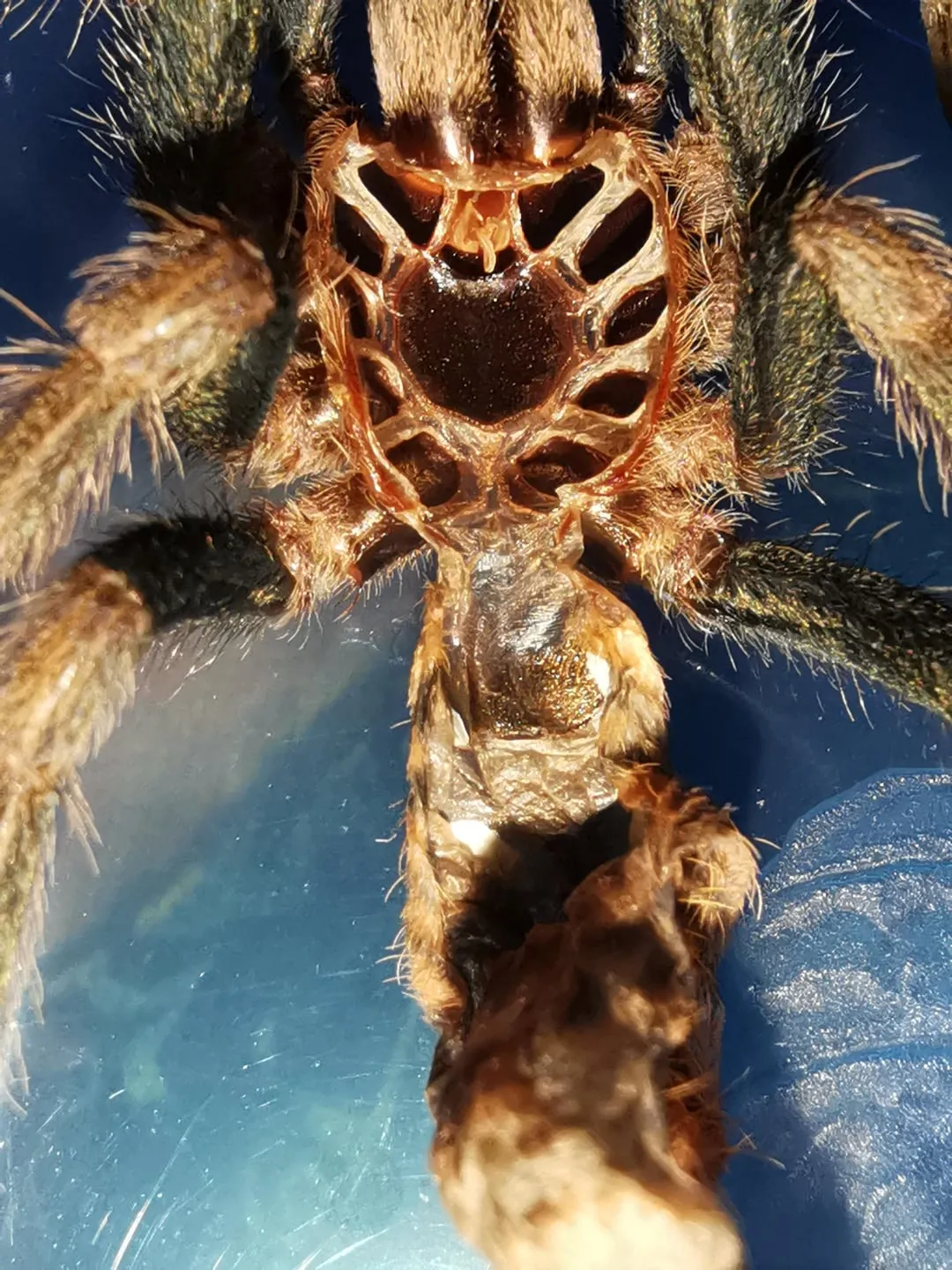
Breeding GBB Tarantulas Secrets
Breeding GBB (Greenbottle Blue) tarantulas can be a rewarding experience for the dedicated hobbyist. These vibrant and docile tarantulas, known for their striking blue and green coloration, are a popular choice. Success in breeding GBBs requires a thorough understanding of their specific needs and behaviors. This guide will unveil five essential secrets to increase your chances of successfully breeding these beautiful creatures. Proper preparation, environmental control, and careful observation are key to a positive outcome. Breeding tarantulas is a commitment, so it is important to be fully prepared.
Secret 1 Temperature and Humidity
Maintaining the correct environmental conditions is paramount for successful GBB tarantula breeding. Both temperature and humidity play crucial roles in triggering mating behavior and supporting the female’s health throughout the process. The ideal environment mimics their natural habitat, which is crucial for encouraging them to breed. Without this essential step, your chances of breeding success will be significantly reduced. Before anything else, make sure your enclosures have the correct range for temperature and humidity.
Importance of Maintaining Optimal Temperatures

GBB tarantulas thrive in a temperature range between 75-85°F (24-29°C). Providing a stable temperature is crucial. Sudden fluctuations can stress the tarantulas and negatively impact their reproductive cycle. Use a reliable thermometer to monitor the temperature within the enclosure. If necessary, employ a heating pad or ceramic heat emitter, but always ensure that the heat source is regulated with a thermostat to prevent overheating. Careful temperature regulation will set the stage for success.
Humidity Control for Successful Breeding
Humidity is another critical factor. GBB tarantulas need a humidity level of approximately 65-75%. This can be achieved by providing a shallow water dish and periodically misting the enclosure, being careful not to make the substrate overly wet. A hygrometer is essential to monitor the humidity levels accurately. Proper humidity not only aids in molting but also contributes to the overall well-being of the tarantulas, especially the female, as she prepares for and carries the egg sac. Consistent monitoring of humidity levels will help your breeding program thrive.
Secret 2 Preparing the Female Tarantula
Preparing the female GBB tarantula is a crucial step. A healthy and well-nourished female is more likely to produce viable eggs. This involves optimizing her diet and providing a suitable environment. The timing of breeding is also key, usually after the female has matured and undergone a successful molt. It’s a good idea to breed the female a few months after she molts to make sure she is ready for mating. Make sure you have the right sized enclosure for her and that she is generally healthy.
Optimal Feeding Schedule

A well-fed female is crucial for breeding. Offer a varied diet of appropriately sized insects, such as crickets, roaches, or mealworms, a few times a week. Ensure the prey insects are gut-loaded with nutritious foods to pass on essential nutrients to the tarantula. Overfeeding is not recommended, but the female should have a healthy reserve of energy. Observe her feeding behavior and adjust the frequency and amount of food accordingly. Regular feeding and offering variety will help the female. This will increase your chances of breeding success.
Creating a Suitable Enclosure
Provide the female with a comfortable and stimulating environment. The enclosure should be appropriately sized, with adequate ventilation and a substrate that allows her to burrow. Include hiding places such as cork bark or artificial plants to reduce stress. Maintain the proper temperature and humidity levels. A well-prepared enclosure reduces stress and increases the likelihood of successful mating and egg sac production. Providing the right environment is essential.
Secret 3 The Mating Process
The mating process itself requires careful observation and management. GBB tarantulas can be unpredictable, and the safety of both the male and female is paramount. The introduction of the male, the mating ritual, and the subsequent separation of the tarantulas must be carefully planned. Remember, the female may be aggressive towards the male, and you should be prepared to intervene if needed. Careful attention to the mating process is crucial for successful breeding.
Introducing the Male Tarantula

Introduce the male tarantula into the female’s enclosure, ideally when the female is receptive. Observe the initial interaction closely. The male will typically begin a courtship display, which may include drumming his pedipalps or vibrating his legs. Be prepared to separate the male immediately after mating if the female becomes aggressive. Have a separate container ready for the male and be prepared to intervene if the female becomes a threat.
Observation and Intervention
Constantly monitor the mating process. If the female is receptive, mating will usually occur relatively quickly. However, if the female is not interested, she may attack the male. Be prepared to intervene with a paintbrush or a similar tool to separate the tarantulas if the female attacks. The male must be removed promptly after mating to prevent injury or death. Keep a close eye on the tarantulas for a safe and successful mating.
Secret 4 Post-Mating Care
After mating, the focus shifts to the female’s care. She needs a stable environment, adequate food, and minimal stress to successfully produce and care for her egg sac. This stage is critical for the overall success of the breeding endeavor. Proper care during this stage will increase the chances of a successful brood. During this phase, you will have to pay extra attention to the female tarantula’s environment.
Caring for the Gravid Female

Continue to provide the female with a varied diet and maintain optimal temperature and humidity levels. Avoid unnecessary disturbances. The female will typically become less active and may begin to create a web to protect the egg sac. Ensure she has plenty of water available. Keep the enclosure clean and remove any uneaten food. Providing the right environment for a pregnant female is crucial for the development of the eggs. Constant care during this stage is key.
Preparing for the Egg Sac
As the female prepares to lay her eggs, provide her with plenty of undisturbed space. She will typically create a silk enclosure, the egg sac, to house her eggs. Observe her behavior carefully. Once she has sealed the egg sac, avoid disturbing it unless necessary. If you plan to artificially incubate the eggs, be prepared to carefully remove the egg sac. Monitor her behavior and prepare for the egg sac.
Secret 5 Egg Sac Incubation and Spiderling Care
The final secret involves the incubation of the egg sac and the care of the spiderlings. This phase demands precision, patience, and specialized knowledge. The success of this phase determines whether the breeding attempt yields healthy, thriving spiderlings. The care of spiderlings starts with the egg sac and continues until the spiderlings are able to fend for themselves. This is a very critical phase.
Incubation Environment and Conditions

If you choose to incubate the egg sac artificially, maintain a stable environment with the correct temperature and humidity levels, similar to those of the female’s enclosure. Gently turn the egg sac periodically to ensure even development. Carefully monitor the eggs for signs of mold or other issues. The incubation period can vary, so be patient. A thermometer and a hygrometer are essential for monitoring the environment.
Caring for the Spiderlings
Once the spiderlings hatch, provide them with a suitable environment. This typically involves separating them into individual enclosures with appropriate substrate, humidity, and small food items, such as fruit flies or pinhead crickets. Monitor their growth and molting progress. Regular care and attention during this stage is critical for the spiderlings’ survival and development. Provide each spiderling with a safe environment and keep a close eye on them. Spiderlings are delicate and need extra care.
Breeding GBB tarantulas can be a fascinating and rewarding experience. By following these five secrets – controlling temperature and humidity, preparing the female, carefully managing the mating process, providing post-mating care, and properly incubating the egg sac and caring for the spiderlings – you can significantly increase your chances of success. Remember to always prioritize the health and well-being of your tarantulas. Happy breeding!