The Basics of Brown Tarantula Bites
A brown tarantula bite, while rarely life-threatening to humans, can be a painful and unsettling experience. Understanding the basics of these bites, including what causes them, how to identify the tarantula, and the appropriate steps to take, is crucial for anyone who might encounter these spiders. Tarantulas, despite their intimidating size, are not inherently aggressive, but they will bite if they feel threatened or provoked. This article aims to provide comprehensive information about brown tarantula bites, from the initial encounter to long-term care, ensuring you’re well-informed and prepared. Knowing the potential risks and the right course of action can help minimize discomfort and ensure a swift recovery if you ever experience a bite.
What Causes a Brown Tarantula Bite
Brown tarantulas bite primarily as a defense mechanism. They are not naturally inclined to attack humans, but will react defensively when they perceive a threat. This can include being accidentally touched, feeling trapped, or being stepped on. The bite itself is delivered through the tarantula’s fangs, which inject venom into the victim. This venom is primarily intended to subdue prey, such as insects and small animals, but it can also cause a range of reactions in humans. The severity of the reaction depends on several factors, including the amount of venom injected, the individual’s sensitivity, and the location of the bite.
Identifying the Brown Tarantula

Appearance and Habitat
Brown tarantulas, also known as Theraphosidae, vary in appearance depending on the species, but they generally have a hairy, robust build with a body length that can range from 1 to 4 inches. Their coloration is typically brown or dark brown, providing excellent camouflage within their natural habitat. These spiders are commonly found in arid and semi-arid regions. They often live in burrows or under rocks, logs, or other debris, making them difficult to spot. Understanding where they live and what they look like can help you avoid encounters.
Behavior and Aggression
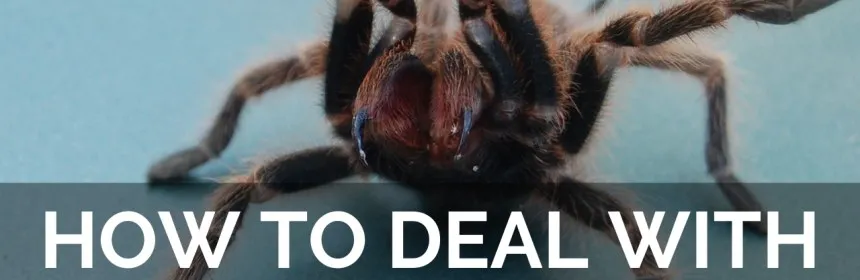
Despite their intimidating appearance, brown tarantulas are generally not aggressive. They prefer to avoid confrontation. When threatened, they may display warning behaviors such as rearing up on their hind legs or flicking urticating hairs (small, irritating hairs) toward the perceived threat. Only when these warnings are ignored or if they feel trapped will they resort to biting. It is important to respect their space and avoid sudden movements or attempts to handle them, which might provoke a defensive reaction.
Top 5 Facts About Brown Tarantula Bites

Fact 1 Severity of the Bite
Brown tarantula bites are generally not considered medically serious, however, the experience can be very uncomfortable. The venom is not typically potent enough to be life-threatening to humans, but the bite can still cause localized pain, redness, swelling, and itching. The severity of the reaction can vary widely depending on individual sensitivity and the amount of venom injected. In rare cases, severe allergic reactions or secondary infections can occur, which is why it’s important to monitor the affected area and seek medical attention if necessary.
Fact 2 Immediate Symptoms
The immediate symptoms of a brown tarantula bite include sharp pain at the bite site, followed by redness, swelling, and itching. Some people may experience muscle cramps, nausea, and sweating. The bite marks themselves will usually be two small puncture wounds, where the fangs entered the skin. The intensity of these symptoms can vary, but typically they subside within a few hours or days. If you experience any severe symptoms, such as difficulty breathing, seek immediate medical attention. Remember to stay calm and move away from the spider immediately
Fact 3 First Aid Procedures

If you are bitten by a brown tarantula, the first step is to remain calm and move away from the spider. Wash the bite area thoroughly with soap and water. Apply a cold compress or ice pack to the bite site to help reduce swelling and pain. Elevating the affected limb can also help. Take an over-the-counter pain reliever, such as ibuprofen or acetaminophen, to manage any discomfort. Monitor the bite area for any signs of infection or severe reaction, such as increasing redness, swelling, or difficulty breathing. Seek medical attention if you experience any severe symptoms.
Fact 4 Long-Term Effects
In most cases, brown tarantula bites do not cause long-term effects. The symptoms typically resolve within a few days. However, there is a risk of secondary infection if the bite site is not properly cared for. In rare instances, individuals may experience an allergic reaction, which could result in more serious complications. The skin around the bite could become discolored or irritated, however, it should fade with time. If you notice any unusual changes or symptoms that last longer than a week, consult with a healthcare provider.
Fact 5 When to Seek Medical Attention
Although most brown tarantula bites are not life-threatening, there are situations when medical attention is necessary. Seek immediate medical help if you experience severe symptoms such as difficulty breathing, chest pain, or swelling of the face or throat. You should also seek medical attention if the bite site shows signs of infection, such as increasing redness, pus, or fever. People with underlying health conditions, allergies, or those unsure about how to handle the bite should seek medical advice for a proper diagnosis and treatment.
Treating Brown Tarantula Bites

Home Treatment Options
Many brown tarantula bites can be treated at home with simple remedies. The most important steps include washing the bite area with soap and water, applying a cold compress, and elevating the affected limb. Over-the-counter pain relievers and antihistamines can help manage pain and itching. It is crucial to keep the bite site clean to prevent infection. Regularly inspect the area for any signs of infection. Avoid scratching the bite, as this can worsen the irritation and increase the risk of infection. Ensure the bite site is kept clean and dry to prevent further issues
Medical Treatments
In cases where symptoms are severe or if there are signs of infection, medical treatment may be necessary. A doctor may prescribe stronger pain relievers, antihistamines, or antibiotics to treat any infection. In rare cases of allergic reactions, epinephrine or other medications may be administered. If the bite site becomes infected, it may need to be cleaned and drained by a medical professional. Always follow your doctor’s instructions carefully and complete any prescribed courses of medication to ensure full recovery. In cases of severe envenomation, medical intervention becomes more critical to monitor and treat the patient.
Preventing Brown Tarantula Bites

Avoiding Bites
The best way to deal with brown tarantula bites is to avoid them altogether. If you live in or are visiting an area where brown tarantulas are common, it is important to take precautions. Be aware of your surroundings, especially when working outdoors or in areas with potential hiding places for spiders. Avoid placing your hands or feet in areas you cannot see. Do not attempt to handle or provoke tarantulas. These precautions will help minimize the chances of encountering the spider and, consequently, being bitten. When hiking, wearing appropriate clothing and footwear can offer additional protection.
Safety Precautions
When working or spending time in areas where brown tarantulas may be present, it is essential to take safety precautions. Wear gloves, long sleeves, and pants when handling materials that may harbor spiders, such as woodpiles or rocks. Regularly inspect your home and yard for potential spider habitats and remove them if possible. Teach children about the dangers of brown tarantulas and the importance of not touching or approaching them. If you see a brown tarantula, keep a safe distance and do not attempt to interact with it. By implementing these safety measures, you can significantly reduce your risk of a brown tarantula bite.
In conclusion, while a brown tarantula bite can be a scary experience, understanding the facts, symptoms, and proper treatment methods will help you handle the situation effectively. Always remember to prioritize your safety and seek medical attention when necessary. Taking preventative measures is the best way to avoid bites, ensuring you can enjoy the outdoors without undue worry. Being informed and prepared is your best defense against the brown tarantula bite.