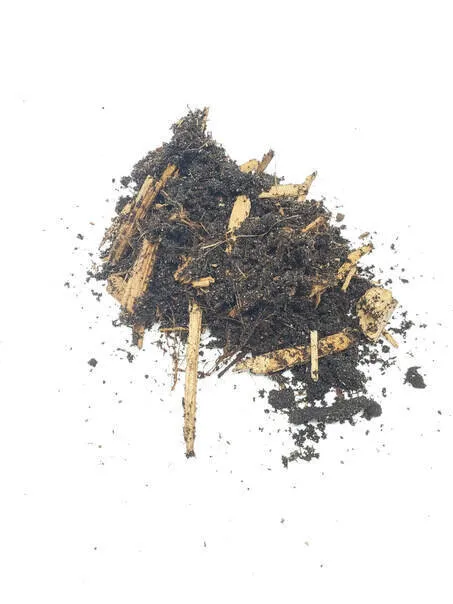
What is Burrowing Tarantula Substrate
Burrowing tarantulas, as their name suggests, are arachnids that spend a significant amount of time underground, creating elaborate burrows for shelter, hunting, and molting. The substrate, or bedding, in their enclosure plays a crucial role in their well-being. It serves as more than just a floor; it is the foundation of their habitat, providing the necessary support for burrowing, maintaining humidity levels, and offering a sense of security. Selecting the right substrate is a fundamental aspect of responsible tarantula ownership, directly impacting the spider’s health and behavior. The substrate should mimic the tarantula’s natural environment as closely as possible, encouraging natural behaviors and reducing stress.
Importance of Substrate for Burrowing Tarantulas
The substrate is critical to a burrowing tarantula’s health and happiness. It provides the structural integrity necessary for the tarantula to create and maintain its burrow, a vital aspect of its natural behavior. The burrow offers protection from predators, temperature fluctuations, and provides a stable environment for molting. In addition to burrowing, the substrate also plays a key role in regulating humidity levels within the enclosure, which is essential for the tarantula’s respiratory health. Proper humidity prevents the spider from drying out and facilitates successful molting. Moreover, the substrate acts as a waste disposal system, absorbing and breaking down the spider’s waste products, contributing to a clean and healthy environment.
Fact 1: Ideal Substrate Composition

The ideal substrate for a burrowing tarantula typically consists of a blend of materials that mimic the conditions found in their natural habitat. A common and effective mix includes a combination of soil, peat moss, and coco fiber. Soil provides the necessary structure for burrowing, while peat moss and coco fiber help retain moisture and maintain humidity levels. The ratio of these components can be adjusted based on the specific tarantula species and its environmental needs. Avoid substrates with added fertilizers or chemicals, as these can be harmful to your tarantula. The substrate should also be free of any sharp objects or materials that could injure the spider. A good substrate should compact well enough to hold a burrow, but also allow for air circulation.
Fact 2: Maintaining Proper Humidity Levels
Humidity is paramount for a burrowing tarantula’s well-being, directly impacting its ability to molt successfully and maintain its overall health. The substrate plays a crucial role in regulating the humidity levels within the enclosure. To maintain the correct humidity, regularly mist the substrate with dechlorinated water, but avoid over-saturating it. The frequency of misting will depend on the species of tarantula and the ambient humidity of your home. Use a hygrometer to monitor the humidity levels, and adjust your misting schedule accordingly. Insufficient humidity can lead to molting issues, while excessive humidity can encourage the growth of mold and bacteria. Ensure proper ventilation within the enclosure to prevent these issues. The right humidity levels promotes a healthy and thriving tarantula, helping it thrive.
Fact 3: Substrate Depth Matters
The depth of the substrate is a critical factor in providing the burrowing tarantula with the necessary space to create and maintain its burrow. As a general rule, provide a substrate depth that is at least twice the tarantula’s leg span. This allows the spider to dig comfortably and provides adequate structural support for the burrow. For larger species or those known for extensive burrowing, a deeper substrate layer is recommended. The substrate should be packed firmly enough to hold its shape but not so compacted that it is difficult for the tarantula to burrow. Regularly check the burrow for stability, and add more substrate if necessary. A deep substrate promotes a natural environment for the tarantula.
Fact 4: Benefits of Natural Substrate

Natural substrates, like soil and coco fiber, offer several advantages over synthetic alternatives. They provide a more natural and enriching environment for the tarantula, encouraging natural behaviors and reducing stress. Natural substrates often have better moisture-retention properties, aiding in humidity control. They also tend to be more aesthetically pleasing, mimicking the spider’s native habitat. Additionally, natural substrates provide a more stable burrowing structure, supporting the spider’s tunnels and preventing collapses. When choosing a natural substrate, ensure it is free from harmful chemicals or pesticides. Look for organic, untreated materials to create the healthiest environment for your burrowing tarantula. Natural substrates offer a multitude of advantages for a happy and healthy spider.
Fact 5: Avoiding Toxic Substances
It is crucial to avoid using any substances that could be toxic or harmful to your burrowing tarantula. This includes treated wood, chemically treated soil, fertilizers, pesticides, and certain types of sand. These substances can be absorbed through the tarantula’s exoskeleton, leading to health problems or even death. Always choose substrates that are specifically designed for reptile or arachnid use and are known to be safe. When introducing any new element to the enclosure, thoroughly research the material to ensure it does not pose a risk. Always wash your hands before and after handling the tarantula or its enclosure to prevent the transfer of any harmful substances. Prioritizing the use of safe and non-toxic materials will protect your spider.
Choosing the Right Substrate for Your Tarantula
The ideal substrate will vary depending on the specific species of your tarantula. Research the natural habitat of your tarantula species to determine the substrate that best mimics its environment. Consider factors like the species’ burrowing behavior, humidity requirements, and the overall size of the tarantula. Some species prefer a drier substrate, while others require higher humidity levels. Observe your tarantula’s behavior and make adjustments to the substrate as needed. If your tarantula is not burrowing or seems stressed, the substrate may need to be modified. Experiment with different mixtures until you find the perfect blend for your pet. Choosing the right substrate ensures a healthy and happy tarantula.
Conclusion

Selecting the right substrate is an essential aspect of caring for a burrowing tarantula. By understanding the importance of substrate, the key factors to consider, and the specific needs of your tarantula species, you can create a healthy and enriching environment. The substrate supports burrowing, regulates humidity, and provides a sense of security, all of which are vital for the spider’s well-being. By choosing the right materials and maintaining the enclosure properly, you can create a thriving habitat for your burrowing tarantula. Prioritize the health and happiness of your tarantula by providing the ideal substrate conditions.