
The Colombian Blue Bottle Tarantula, a captivating and sought-after arachnid, has become a popular choice for both novice and experienced tarantula enthusiasts. Its vibrant blue coloration, relatively docile nature, and manageable size make it an attractive pet. This comprehensive guide provides all the essential information needed to purchase, care for, and enjoy the company of your very own Colombian Blue Bottle Tarantula. Whether you’re a seasoned hobbyist or a curious newcomer, you’ll discover everything you need to know to make an informed decision and provide the best possible home for this fascinating creature. Get ready to delve into the world of tarantulas and learn how to successfully bring this stunning species into your life. Here is the ultimate guide to purchasing your own Colombian Blue Bottle Tarantula.
Where to Buy Colombian Blue Bottle Tarantulas
Finding a healthy Colombian Blue Bottle Tarantula is the first step in your journey as a tarantula owner. The availability of these tarantulas has increased due to their popularity as pets, but sourcing your tarantula from a reputable dealer ensures you get a healthy specimen. You have several options for purchasing a Colombian Blue Bottle Tarantula, each with its own advantages and disadvantages. Consider factors like experience, health, and the seller’s guarantees. This section will guide you to make the right choice. It’s crucial to research and choose a seller that prioritizes the well-being of their tarantulas and provides excellent customer service, ensuring that your experience is as smooth and rewarding as possible.
Reputable Tarantula Breeders
Reputable breeders are often the best source for a healthy Colombian Blue Bottle Tarantula. Breeders specialize in tarantula care, which can include experience, specialization, and commitment. They will often have detailed information about the tarantula’s origin, age, and health. When selecting a breeder, research their reputation through online reviews and forums. Check for health guarantees and whether they are willing to answer questions about their care practices. If possible, visit the breeder’s facility to see the conditions in which the tarantulas are kept. This ensures the tarantula is healthy. Breeders usually have a more limited selection, but the quality is often higher compared to the availability found in larger pet stores. Many breeders are also passionate about their tarantulas and dedicated to ensuring they go to a good home, making it a more personal and satisfying experience.
Online Tarantula Retailers

Online retailers offer a convenient way to purchase a Colombian Blue Bottle Tarantula, providing a wide variety of choices from a variety of breeders. They often have larger selections, and customer reviews are readily available. Check the retailer’s shipping and health guarantee policies carefully. Review the seller’s terms, including their shipping procedures and the animals’ health guarantees, before making a purchase. Look for retailers that offer clear images and detailed descriptions of the tarantulas. Contact the seller to ask about the tarantula’s history, including age and feeding habits. Ensure they provide safe and reliable shipping methods designed specifically for live animals to protect the tarantula during transit. Online retailers provide easy access to tarantulas, so be sure to choose wisely. Image of an online retailer’s website.
Local Pet Stores
Local pet stores can be a convenient option, allowing you to view the tarantula before purchasing it. However, the availability of Colombian Blue Bottle Tarantulas may be limited. Local stores may not have the specialized knowledge that breeders do, so it’s essential to examine the tarantula carefully and ask questions about its care. Look for signs of good health. Check for a clean enclosure and proper care. Check the tarantula’s abdomen and overall appearance, and research the store’s return policy and health guarantees. The care and knowledge of the staff will also be important. Local pet stores can offer convenience but usually do not specialize in tarantulas. Be sure to ask the store owner about their care and guarantee policies.
Things to Consider Before Buying
Before acquiring a Colombian Blue Bottle Tarantula, it’s important to consider several factors. Consider your commitment to caring for the tarantula. Assess your experience level with exotic pets. Have you ever cared for one before? Do you have any allergies to insects or arachnids? The Colombian Blue Bottle Tarantula can live for several years, so ensure you’re prepared to provide the necessary care for its lifespan. Understand the tarantula’s specific needs, including its habitat, feeding requirements, and temperament. Review all local laws regarding the ownership of exotic pets. It’s important to be prepared to handle a pet that may live for several years.
Health and Appearance

When selecting a Colombian Blue Bottle Tarantula, carefully examine its health and appearance. The tarantula should have a plump abdomen, indicating it is well-fed and hydrated. Look for a shiny, vibrant appearance and ensure there are no signs of parasites or injuries. Avoid tarantulas that appear lethargic or have a shrunken abdomen, as these may be signs of illness or dehydration. Inspect the legs and fangs for any damage or missing parts. The presence of a healthy appearance is crucial for the tarantula’s long-term well-being. It should have a robust, alert, and healthy appearance. Choosing a healthy tarantula at the beginning will ensure the best chance for success.
Temperament and Handling
The Colombian Blue Bottle Tarantula is known for its relatively docile nature, making it a good choice for beginners. However, all tarantulas have the potential to bite, especially if they feel threatened. Research the tarantula’s temperament before purchasing it. Observe the tarantula’s behavior and handling recommendations. Consider the size and temperament of the tarantula when making your selection. Some tarantulas may be more prone to defensive behaviors, such as flicking urticating hairs (which can cause skin irritation) or biting, so be careful. Remember that tarantulas are best observed rather than handled. Keep handling to a minimum and make sure the tarantula is safely back in its habitat.
Legal Regulations and Permits
Before purchasing a Colombian Blue Bottle Tarantula, determine if there are any legal regulations or permits required in your area. Some jurisdictions may have restrictions on owning exotic pets, including tarantulas. Research the local laws and regulations regarding the ownership of tarantulas in your state or region. Some areas may require permits or licenses. It is your responsibility to comply with all legal requirements. Failure to do so may result in fines or the seizure of your tarantula. Before bringing your tarantula home, ensure you have all the necessary permissions.
Setting Up the Perfect Habitat
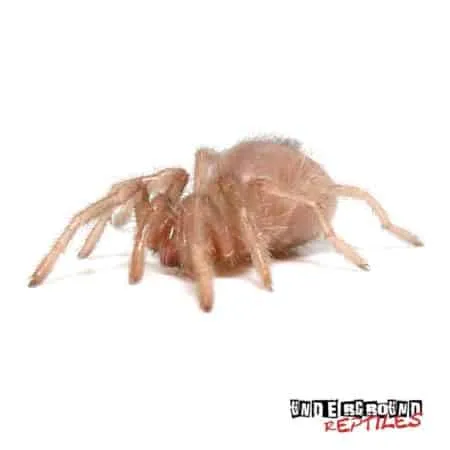
Creating the ideal habitat for your Colombian Blue Bottle Tarantula is essential for its health and well-being. This involves providing the right enclosure, substrate, decor, and environmental conditions. This guide will show you how to set up the perfect habitat for a thriving tarantula. Proper enclosure, temperature, and humidity are all very important to the tarantula’s health.
Choosing the Right Enclosure
The enclosure is the tarantula’s home, so it should be appropriately sized and secure. A Colombian Blue Bottle Tarantula needs a terrarium with ventilation. A good rule of thumb is to choose an enclosure that is at least three times the tarantula’s leg span in width. The height of the enclosure should be sufficient for the tarantula to move freely, but not so high that a fall could injure the tarantula. The enclosure should be escape-proof, with a secure lid. The type of enclosure also matters. Glass terrariums are easy to clean. Ensure the enclosure has adequate ventilation to prevent mold growth. Choose a size that is appropriate for the size of your tarantula, and replace the enclosure as the tarantula grows.
Substrate and Decor
The substrate is the material that covers the bottom of the enclosure, providing a suitable environment for the tarantula. The substrate helps the tarantula burrow. The substrate should be deep enough for burrowing. Good choices include peat moss, coco fiber, and a mixture of soil and vermiculite. Avoid substrates with sharp edges. Add decor to create a natural environment and hiding places. Provide bark or other hiding places for the tarantula. Artificial plants, such as silk plants, can enhance the habitat. Make sure the decor is non-toxic and free of any hazards. The right substrate will encourage natural behaviors and provide a more comfortable environment.
Temperature and Humidity Control

Maintaining the correct temperature and humidity levels is essential for the health of your Colombian Blue Bottle Tarantula. The ideal temperature range is between 75-85°F (24-29°C). Use a thermometer to monitor the temperature. Humidity should be kept between 60-70%. Use a hygrometer to monitor the humidity. Mist the enclosure with dechlorinated water to increase humidity. Avoid placing the enclosure in direct sunlight or near a heat source. Provide a shallow water dish for drinking, ensuring the water is always fresh. Maintaining the correct temperature and humidity will also help the tarantula molt. Temperature and humidity must be monitored.
Feeding Your Colombian Blue Bottle Tarantula
Proper feeding is crucial for the health and growth of your Colombian Blue Bottle Tarantula. This includes knowing what to feed the tarantula, how often to feed it, and how to provide access to water. Here are some tips to help you with the feeding process. Proper feeding is essential for the tarantula’s growth and development.
What to Feed Your Tarantula
Colombian Blue Bottle Tarantulas are primarily insectivores, which means their diet consists of insects. Provide a variety of food items. Suitable food items include crickets, mealworms, roaches, and other commercially available feeder insects. Dust the insects with a calcium and vitamin supplement to ensure your tarantula receives all the necessary nutrients. Offer prey items that are about the size of the tarantula’s abdomen. Avoid feeding wild-caught insects, as they may contain pesticides or parasites. A varied diet ensures that the tarantula receives all the necessary nutrients.
Feeding Frequency

The feeding frequency depends on the tarantula’s age and size. Young tarantulas should be fed more often, as they are growing. Feed spiderlings 2-3 times a week. Adult tarantulas can be fed once or twice a week. Remove any uneaten food items within 24 hours to prevent mold and mites from growing. Observe your tarantula’s behavior and adjust the feeding schedule as needed. If your tarantula is refusing food, it may be preparing to molt. Make sure you provide enough food for the tarantula to eat. Overfeeding can lead to health problems. Adjust the feeding frequency as the tarantula ages and grows.
Water and Hydration
Providing fresh water is crucial for keeping your Colombian Blue Bottle Tarantula hydrated. Always provide a shallow water dish filled with fresh, clean water. The water dish should be shallow enough to prevent drowning. Change the water every 1-2 days to prevent bacterial growth. Mist the enclosure occasionally to increase humidity. Hydration is very important for the tarantula’s health. It helps with molting. Always have access to fresh, clean water.
Caring for Your Tarantula
Proper care is essential for the long-term health and well-being of your Colombian Blue Bottle Tarantula. This includes proper handling, health checks, molting care, and addressing common health issues. Routine care and handling are very important. Provide the right care to keep your tarantula healthy.
Handling and Interaction

Colombian Blue Bottle Tarantulas are generally docile but it is important to handle them with care. Minimize handling to avoid stressing the tarantula. If you must handle the tarantula, do so carefully and gently, near a soft surface. Handle the tarantula. Never drop the tarantula or handle it when it is about to molt. Avoid handling the tarantula unless necessary. If you do, approach it slowly. Handle the tarantula. If it feels threatened, it may act defensively. Always supervise children. The tarantula is best left alone.
Health and Common Issues
Monitor your tarantula for signs of illness or distress. Common health issues include parasites, injuries, and dehydration. If you notice any issues, such as loss of appetite, lethargy, or unusual behavior, consult with a veterinarian or experienced tarantula keeper. Regularly inspect the tarantula for any signs of illness or injury. Provide proper care and a healthy environment. Prevent common issues. You can prevent many common issues by providing the correct habitat. Early detection and treatment are crucial for a tarantula’s well-being. Common issues may require immediate attention.
Molting and Growth
Molting is a natural process in which tarantulas shed their exoskeletons to grow. During molting, the tarantula is very vulnerable. Provide a humid environment during the molting process. Avoid disturbing the tarantula while it is molting. Do not feed your tarantula for a week or two before molting. During this process, the tarantula might lose interest in food. The tarantula will usually be on its back. The tarantula will remain still during the molting process. The new exoskeleton is soft. Wait until the tarantula’s exoskeleton has fully hardened before feeding it again. Molting is an essential part of the tarantula’s life cycle.
Conclusion Buying Your Colombian Blue Bottle Tarantula
Owning a Colombian Blue Bottle Tarantula can be a rewarding experience for the responsible pet owner. By carefully considering the factors outlined in this guide, you can ensure that you are well-prepared to provide the best possible care for your new pet. Remember to research reputable sources. Provide the correct habitat. Understand the needs of your new pet. By following the guidelines in this article, you will be able to enjoy the beauty and fascination of your Colombian Blue Bottle Tarantula for years to come. Enjoy your new pet!