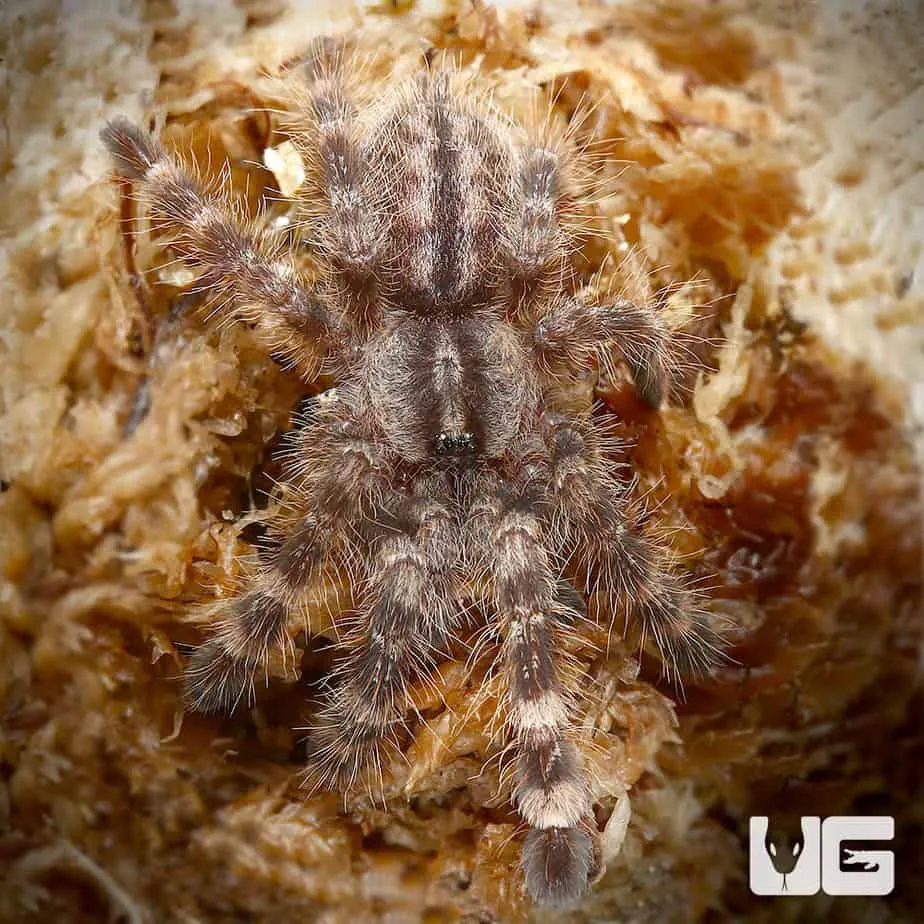
Choosing Your Ornamental Tarantula
Purchasing an ornamental tarantula can be an exciting experience, but it is important to approach it with knowledge and careful consideration. These captivating creatures, with their diverse colors and patterns, make for fascinating pets. However, their specific needs and care requirements differ significantly from those of more traditional pets. Before you bring a tarantula home, it’s essential to do your research, understand their needs, and ensure you can provide the proper environment for them to thrive. This guide will help you navigate the process of selecting the right tarantula, setting up a suitable habitat, and providing the necessary care for your new eight-legged friend. The aim is to ensure a long and healthy life for your pet.
Species Selection
The world of ornamental tarantulas is vast, with numerous species available, each possessing unique characteristics. When choosing, consider factors such as your experience level, the tarantula’s temperament, and its care requirements. Beginners often find arboreal species such as the Pinktoe tarantula (Avicularia avicularia) easier to care for. Conversely, terrestrial species like the Chilean Rose Hair (Grammostola rosea) are known for their docile nature. Research the specific needs of each species, including their preferred temperature, humidity, and feeding habits, to ensure you can provide an optimal environment. Some species are known to be more defensive than others, so understanding their potential for biting or displaying defensive behaviors is crucial for responsible pet ownership. Knowing the species will help you provide a suitable enclosure and environment for it.
Size and Appearance

Ornamental tarantulas display a wide array of sizes and appearances. Sizes vary greatly, from smaller species that reach a leg span of around 3 inches to larger ones exceeding 10 inches. Observe the tarantula’s coloration, which can vary greatly depending on the species and the individual specimen. The vibrancy of colors and the patterns on their bodies are often what draw enthusiasts to these creatures. When selecting a tarantula, consider its size, as this will determine the appropriate enclosure size. Also, assess its overall health; a healthy tarantula will exhibit vibrant colors, a full abdomen, and a good appetite. Avoid those with missing limbs or signs of illness. Choose a tarantula with a clean abdomen, which is an indicator of health and can help you determine what it has eaten.
Health and Temperament
Assess the tarantula’s health by observing its behavior and physical condition. Look for signs of a healthy appetite, active movement, and a clean body. Avoid tarantulas that appear lethargic, have a sunken abdomen (which indicates dehydration or starvation), or display other signs of illness. Temperament varies greatly between species and even within the same species. Some tarantulas are docile, while others can be more defensive. Observe the tarantula’s posture and reaction to stimuli. A tarantula that is constantly defensive may not be the best choice for a beginner. When purchasing, inquire about the tarantula’s feeding habits and molting history, which provides insights into its health and age. A healthy tarantula that eats well and molts regularly is generally a good sign.
Setting Up the Perfect Habitat
Creating the right habitat is crucial for the health and well-being of your ornamental tarantula. The enclosure should mimic the tarantula’s natural environment and provide a safe space for it to thrive. A well-designed habitat will not only keep your tarantula happy but will also allow you to observe its behaviors more easily. The key components of a good habitat include an appropriate enclosure, suitable substrate, and the correct temperature and humidity levels. Careful planning and preparation will ensure that your tarantula lives a long, healthy, and stress-free life.
Enclosure Size and Type

The size and type of enclosure depend on the tarantula’s species and size. Generally, a larger tarantula requires a larger enclosure. The enclosure should be secure, escape-proof, and provide adequate ventilation. Glass or clear plastic terrariums are popular choices as they allow for easy viewing. Ensure the enclosure has a secure lid to prevent escapes. Consider the tarantula’s lifestyle when selecting an enclosure. Terrestrial tarantulas need more floor space, while arboreal species require height for climbing. The enclosure should be large enough for the tarantula to move around comfortably, molt, and hunt. It should also provide space for the substrate, hiding places, and a water dish. Provide a safe environment to help the tarantula molt successfully.
Substrate and Decor
The substrate serves as the flooring of the enclosure and is crucial for maintaining humidity and providing a natural environment. The best substrates are those that can retain moisture, such as coconut fiber, peat moss, or a mix of both. The depth of the substrate should be sufficient for the tarantula to burrow (if it’s a burrowing species) and to provide a moisture gradient. Decorate the enclosure with items that mimic the tarantula’s natural habitat, such as cork bark, branches, and artificial plants. These provide hiding places and climbing opportunities, reducing stress. Avoid sharp or potentially toxic decorations. Ensure any decorations are securely placed to prevent them from falling and potentially harming the tarantula during molting. Use the right decorations to help the tarantula feel secure.
Temperature and Humidity
Temperature and humidity are critical environmental factors that influence a tarantula’s health and activity level. Research the specific temperature and humidity requirements of your tarantula’s species. In most cases, a temperature range of 75-85°F (24-29°C) is suitable, but this can vary. Use a heat mat or a ceramic heat emitter to maintain the correct temperature. Monitor the temperature with a thermometer. Humidity levels vary depending on the species, but a hygrometer is essential for monitoring. Provide adequate ventilation to prevent mold growth while maintaining the required humidity. Mist the enclosure regularly, as needed, to maintain humidity levels, particularly for tropical species. Consistent monitoring and adjustment are essential for creating a suitable environment.
Feeding and Water

Providing the correct diet and access to fresh water is essential for your ornamental tarantula’s well-being. Tarantulas are opportunistic predators and require a diet consisting primarily of insects. The frequency of feeding and the size of the prey depend on the tarantula’s age and size. Always ensure fresh, clean water is available. Understanding their dietary requirements and providing proper hydration will keep your tarantula healthy and thriving.
What to Feed Your Tarantula
Tarantulas primarily eat insects, such as crickets, mealworms, roaches, and grasshoppers. The size of the prey should be appropriate for the tarantula’s size; a general rule is that the prey should be no larger than the tarantula’s body. The frequency of feeding depends on the tarantula’s age and metabolism. Young tarantulas typically need to be fed more frequently than adults. Avoid feeding your tarantula wild-caught insects, as they may carry parasites or pesticides. Ensure that the insects are gut-loaded with nutritious food before feeding them to your tarantula, to provide your tarantula with as much nutrients as possible. Gut-loading involves feeding the insects high-quality food for 24 hours before feeding them to your tarantula, which will improve the nutritional value of the meal.
Watering Your Tarantula
Fresh, clean water is crucial for your tarantula’s survival. Provide a shallow water dish that is easily accessible and cannot be tipped over. The dish should be filled with fresh water at all times. For smaller tarantulas, you can use a bottle cap or a cotton ball soaked with water. The water dish should be cleaned and refilled regularly to prevent the buildup of bacteria and mold. Mist the enclosure periodically to maintain humidity, especially for species that require higher humidity levels. Monitor the water level and ensure that the water dish is always full. Providing enough water is especially important after molting to help the tarantula rehydrate.
Handling and Safety
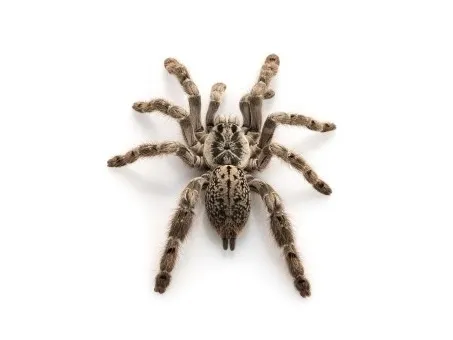
While ornamental tarantulas are generally not aggressive, it’s important to handle them with care and respect. Tarantulas have defensive mechanisms, such as biting or flicking urticating hairs, and should be handled with caution. Handling should only be done when necessary, and it should be done with consideration for both your safety and the tarantula’s well-being. Always be aware of the potential risks and take precautions to minimize them.
Safe Handling Practices
Handling a tarantula is best avoided unless necessary, such as for enclosure maintenance or health checks. If handling is necessary, do so near a soft surface, like a bed or a couch, in case the tarantula falls. Wash your hands thoroughly before and after handling to remove any potential contaminants. Avoid sudden movements or loud noises, which can startle the tarantula. Always supervise children when they are near the tarantula. If the tarantula shows signs of stress, such as rearing up or raising its front legs, gently place it back in its enclosure. Avoid direct handling during molting, as the tarantula is particularly vulnerable. Never handle a tarantula if you are unsure of its temperament.
Recognizing Stress Signs
Tarantulas can display various signs of stress. Understanding these signs can help you provide a better environment and avoid unnecessary stress. Some common signs include erratic movements, hiding excessively, refusing to eat, flicking urticating hairs, or a defensive posture. A tarantula that raises its front legs, rears up, or presents its fangs is showing a clear sign of stress and should be left alone. A tarantula that hides constantly may be feeling insecure or uncomfortable. Monitor your tarantula’s behavior regularly, and make adjustments to its environment if you observe signs of stress. If your tarantula is showing consistent signs of stress, it may be an indicator of an issue such as the incorrect humidity, temperature, or feeding schedule. Addressing these issues will contribute to the health and wellbeing of your tarantula.
Where to Buy Your Tarantula

Sourcing your ornamental tarantula from a reputable source is essential for ensuring its health and well-being. Choosing the right breeder or pet store can significantly impact the overall experience of owning a tarantula. The best sources offer healthy specimens, provide accurate information, and offer ongoing support to help you care for your new pet. Researching different options will help you make an informed decision.
Reputable Breeders vs Pet Stores
When searching for an ornamental tarantula, you can choose from reputable breeders or pet stores. Breeders often specialize in certain species and have extensive knowledge about tarantula care. They can provide detailed information about the tarantula’s lineage, health, and care requirements. Pet stores can be a convenient option, but their staff may not have the same level of expertise. Research the breeder or pet store before making a purchase. Check online reviews and ask other tarantula keepers for recommendations. Visit the facility and observe the conditions the tarantulas are kept in, to ensure the environment is clean and that they are well-cared for. Choose a source that values the health and well-being of the tarantulas above all else. A good breeder is always willing to share their knowledge about their specimens.
Checking for Health and Quality
Before purchasing, carefully inspect the tarantula for any signs of illness or injury. Ensure that the tarantula is alert, active, and has a healthy appearance. Look for a full abdomen, which indicates that it is well-fed. Avoid tarantulas that are lethargic, have a sunken abdomen, or show other signs of illness. Observe the tarantula’s behavior. A healthy tarantula should be responsive to stimuli and move with ease. Ask the breeder or pet store about the tarantula’s feeding habits, molting history, and any other relevant information. A reputable source will be transparent about the tarantula’s history and health. Purchase tarantulas from sources with good customer service. Proper research and due diligence will ensure you bring home a healthy, thriving tarantula.