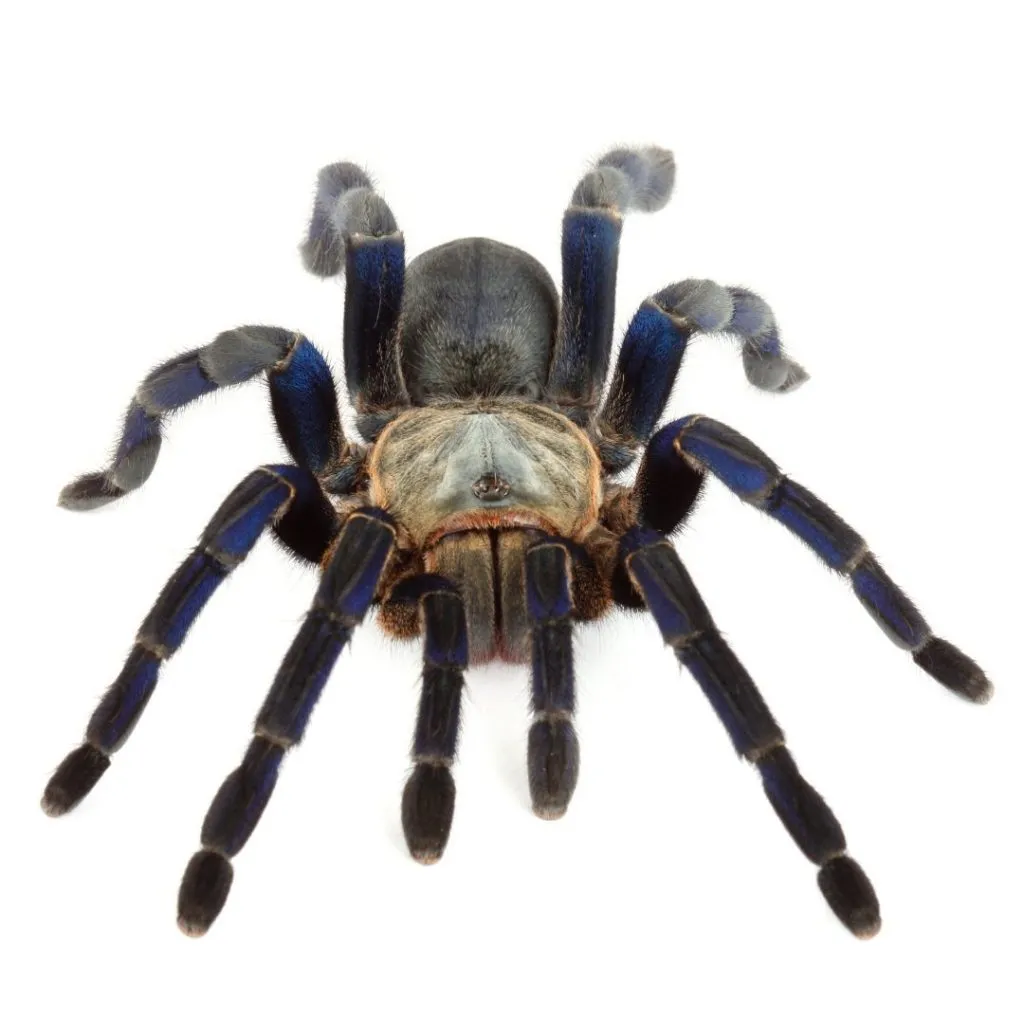
Understanding Tarantulas
Embarking on the journey to buy a tarantula in the UK can be an incredibly rewarding experience. These fascinating arachnids, with their diverse appearances and relatively low-maintenance needs, have become increasingly popular pets. This guide is designed specifically for beginners, providing essential information to help you understand these creatures, make informed decisions, and ensure the well-being of your new tarantula. From understanding their basic biology and habitat to practical advice on purchasing and caring for them, we’ll cover everything you need to know to get started. This comprehensive guide provides a solid foundation for responsible tarantula ownership, allowing you to appreciate and care for these amazing creatures.
What are Tarantulas
Tarantulas are large, hairy spiders belonging to the Theraphosidae family. Unlike many other spiders, tarantulas are relatively docile and possess a venom that is generally not harmful to humans, though their bite can be painful. They are nocturnal hunters, primarily feeding on insects, and they have a lifespan that can extend for many years, with females often living much longer than males. These spiders are known for their diverse appearances, with various species displaying a wide range of colors and sizes. The appeal of tarantulas lies in their unique characteristics, making them interesting and relatively manageable pets for those who are prepared to care for them properly. Their calm nature and fascinating behaviors make them a captivating addition to any home.
Origin and Habitat

Tarantulas are found in various habitats around the world, including tropical rainforests, deserts, and grasslands. Different species have adapted to specific environments, with some being terrestrial (living on the ground), arboreal (living in trees), or fossorial (living in burrows). Their natural habitats provide clues on how to care for them in captivity; understanding their natural environment is crucial for replicating it in your home. For example, a species that originates from a humid rainforest will require a different setup than one that comes from a dry desert. Replicating the natural environment helps ensure the tarantula’s health, happiness, and overall well-being, and that’s why it is important to research the specific species you plan to buy in the UK.
Why Choose a Tarantula
Choosing a tarantula as a pet offers several benefits. They are relatively low-maintenance compared to other pets; they don’t require daily walks or constant attention. Tarantulas are also hypoallergenic, making them a good option for allergy sufferers. Their unique appearance and fascinating behaviors provide endless opportunities for observation and learning. Additionally, tarantulas are quiet pets, posing no noise-related issues. Owning a tarantula can be a rewarding experience for those looking for a unique and engaging pet. Their long lifespans mean you can enjoy their presence for many years, making them a good choice if you’re looking for a pet that will be with you for a long time. Owning a tarantula offers a fulfilling experience for any pet owner.
Choosing Your First Tarantula
Selecting your first tarantula is a significant decision, and it’s essential to consider several factors. Researching different species is the first step. Some tarantulas are more docile and easier to care for than others. Consider your experience level and the time you can dedicate to their care. For beginners, the Chilean Rose Hair tarantula (Grammostola rosea) and the Mexican Red Knee (Brachypelma hamorii) are popular choices due to their calm temperament and relatively straightforward care requirements. These species are known for their docility and hardiness, which can make the beginning experience much easier. Ensure you understand the specific needs of the species before purchasing. This will involve the ideal humidity, temperature, and enclosure setup.
Popular Tarantula Species in the UK

Several tarantula species are popular among UK enthusiasts due to their availability, temperament, and ease of care. The Chilean Rose Hair is a favorite for beginners, known for its gentle nature and striking appearance. Mexican Red Knees are another excellent choice, boasting vibrant colors and a calm demeanor. Other popular species include the Curly Hair tarantula (Tliltocatl albopilosus), known for its fuzzy appearance and docile nature, and the Greenbottle Blue tarantula (Chromatopelma cyaneopubescens), known for its stunning colors. Researching these species and understanding their specific needs is crucial before purchasing. This will help you to provide the best possible environment and care. Always ensure you source your tarantula from a reputable breeder or retailer to ensure it’s healthy and well-cared for.
Considerations Before Buying
Before buying a tarantula in the UK, there are several important considerations. First, research the legal requirements for owning tarantulas in your area. Check for any specific restrictions or permits that might be needed. Make sure you have enough space for the enclosure, which should be of an appropriate size for the species you intend to buy. Consider the ongoing costs of tarantula ownership, including food, substrate, and any specialized equipment. Make a financial plan and be prepared to commit the necessary time and resources to ensure you can provide a good life for your pet. Decide where you’ll get your tarantula and how much time you can dedicate to its care. This planning will help you be prepared for a smooth transition into tarantula ownership.
Where to Buy a Tarantula in the UK
Finding a reputable source to buy a tarantula in the UK is crucial for the health and well-being of your new pet. There are several avenues for acquiring a tarantula, each with its advantages and disadvantages. Prioritizing the health and ethical practices of the seller is paramount. This involves making sure the tarantula is healthy and comes from a responsible seller. Consider the pros and cons of each option before making your purchase decision. This ensures you find the best tarantula for your needs.
Reputable UK Breeders

Purchasing directly from reputable UK breeders is often the best option. Breeders typically have a deep understanding of their tarantulas and can provide valuable insights into their care. They often prioritize the health and well-being of their animals and can offer healthy specimens. When choosing a breeder, look for those with good reviews and experience. Visit their facilities if possible, to assess the conditions in which the tarantulas are kept. Ask questions about their breeding practices and ensure they are knowledgeable and passionate about their animals. Buying from a reputable breeder usually means that you’ll get a healthier tarantula, which will make your experience much better. Look for breeders who prioritize the tarantulas’ well-being.
Online Retailers and Pet Shops
Online retailers and pet shops also offer tarantulas for sale, but it is important to do your research. Check online reviews and ratings before making a purchase. Ensure the retailer has a good reputation for customer service and animal welfare. Ask about the origin of the tarantulas and their health guarantees. When purchasing from a pet shop, inspect the tarantula carefully before buying. Look for signs of health, such as an active demeanor, a clean enclosure, and a well-fed appearance. If possible, ask about the tarantula’s history and care requirements. Also, confirm the retailer follows legal requirements for the sale of animals. Prioritizing good retailers ensures you get a healthy tarantula.
Checking for Health and Quality
When purchasing a tarantula, always check for signs of good health. The tarantula should be active, not lethargic. The abdomen should be well-rounded, indicating it is well-fed. Look for a clean enclosure, free of excessive waste and debris. The tarantula should have all its legs and be in good physical condition. Avoid tarantulas that appear thin or have any visible injuries. If the tarantula is shedding, ensure it has a good pre-shed and is not in distress. Ask questions about the tarantula’s feeding and care history. If possible, request the tarantula’s history from a reputable source. Doing so will help make sure you get a healthy pet.
Setting Up Your Tarantula’s Habitat

Setting up a proper habitat is essential for your tarantula’s health and well-being. The enclosure should replicate the tarantula’s natural environment as closely as possible. A well-designed habitat provides security, regulates temperature and humidity, and allows for natural behaviors such as burrowing or climbing. Correctly setting up the enclosure ensures your tarantula thrives and provides a visually appealing display. Consider what species you’re getting and plan your enclosure setup according to their needs. Making the correct setup will ensure a happy, thriving tarantula.
Enclosure Requirements
The size and type of enclosure depend on the tarantula’s species and size. Terrestrial species require horizontal enclosures, while arboreal species need tall enclosures. The enclosure should be escape-proof, with a secure lid. Ensure that the enclosure is made of a material that is safe for the tarantula. Glass or plastic enclosures are ideal. The size of the enclosure should be at least two to three times the tarantula’s leg span. This provides enough space for movement and burrowing. Proper ventilation is necessary, but avoid excessive airflow that can dry out the enclosure. Make sure the enclosure is easy to clean and maintain to ensure optimal care for your tarantula.
Substrate and Decor
The substrate provides a base for the enclosure and helps maintain humidity. Appropriate substrate materials include peat moss, coconut fiber, and vermiculite. The substrate should be deep enough to allow for burrowing if the species is fossorial. Decor adds enrichment and provides hiding places. Provide a water dish that is shallow enough for the tarantula to drink from without drowning. Add decorations such as cork bark, artificial plants, and branches, to mimic the tarantula’s natural habitat. Avoid using sharp objects that could injure the tarantula. Adding decorations and a good substrate helps to create a natural and stimulating environment that provides security and enrichment.
Temperature and Humidity

Maintaining the correct temperature and humidity levels is crucial for your tarantula’s health. The ideal temperature range varies depending on the species, but generally, it should be between 70°F and 85°F (21°C and 29°C). Use a thermometer to monitor the temperature. Humidity levels also vary by species. Use a hygrometer to measure humidity. Provide a water dish to maintain proper humidity levels. In arid environments, mist the enclosure occasionally to increase humidity. Ensure proper ventilation to prevent the build-up of mold and bacteria. Maintaining the correct conditions will ensure your tarantula’s well-being.
Caring for Your Tarantula
Proper care is essential to ensuring a long and healthy life for your tarantula. This involves providing appropriate food, water, and a suitable environment. It also includes regular maintenance and observation to identify any potential health issues. Understanding and meeting these needs will help your tarantula thrive. Consistent care will ensure your tarantula lives a long and happy life.
Feeding Your Tarantula
Tarantulas primarily eat insects, such as crickets, mealworms, and roaches. The frequency of feeding depends on the tarantula’s size and age. Spiderlings should be fed more often than adults. Provide appropriately sized prey. Avoid feeding prey that is too large, which could injure your tarantula. Remove any uneaten prey within 24 hours to prevent stress and potential harm to the tarantula. Provide a varied diet to ensure proper nutrition. Offer a fresh water source at all times. Feeding your tarantula properly is key to keeping it healthy.
Watering and Hydration

Tarantulas need access to fresh water at all times. Provide a shallow water dish that is easy for the tarantula to access. Ensure the water dish is small enough so the tarantula cannot fall in and drown. Change the water regularly to keep it clean. In arid environments, mist the enclosure lightly with water. Observe the tarantula to ensure it is drinking. A well-hydrated tarantula will be more active and healthy. Monitoring water intake is an important part of tarantula care.
Handling and Interaction
Handling tarantulas should be done with care and caution. Some species are more docile than others. Avoid handling your tarantula unless necessary. If you must handle it, do so close to the ground in case it falls. Always be gentle and avoid sudden movements. Be aware that tarantulas can bite or flick urticating hairs as a defense mechanism. Wash your hands before and after handling. Regular interaction can be enjoyable. However, prioritizing the tarantula’s well-being is crucial. If you are unsure about handling, it is best to avoid it. Be observant of the tarantula’s behavior and body language before handling.
Common Health Issues
Tarantulas can suffer from various health issues. The most common are dehydration, mites, and mold. Signs of dehydration include a shriveled abdomen and lethargy. Mites can be seen as small, moving specks on the tarantula or in its enclosure. Mold can appear as a fuzzy growth on the substrate. Regularly inspect your tarantula and its enclosure for any signs of illness. Quarantine any sick tarantulas. Provide the correct humidity and temperature. Preventative measures such as a clean enclosure and a balanced diet can help keep your tarantula healthy. Always consult with a veterinarian specializing in exotic animals if you have concerns about your tarantula’s health. Make sure to address any issue early on.
Conclusion

Buying a tarantula in the UK can be a rewarding experience. By understanding their needs and providing proper care, you can enjoy a fascinating pet. Researching the specific species, selecting a reputable source, and setting up a suitable habitat are key steps. Consistent care, proper feeding, and regular monitoring will help ensure your tarantula thrives. Owning a tarantula is a long-term commitment. This guide provides a strong foundation for responsible tarantula ownership. With the correct preparation and care, you will be well on your way to having a healthy and fascinating pet.