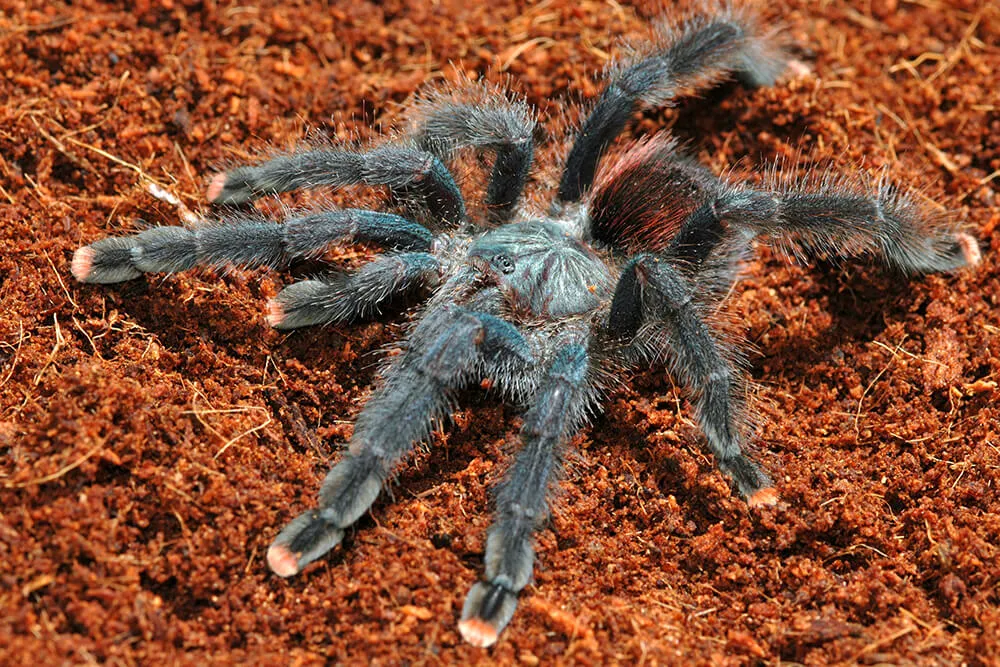
Charcoal Tarantula: What is it?
The Charcoal Tarantula, scientifically known as Brachypelma vagans, is a captivating species within the tarantula family, renowned for its striking appearance and relatively docile temperament. Native to Central America, specifically regions of Mexico and Belize, this terrestrial spider has gained popularity in the pet trade due to its manageable size, attractive coloration, and overall ease of care compared to some other tarantula species. Understanding the basics of the Charcoal Tarantula is the first step in appreciating these fascinating creatures. Their presence in the pet world is a testament to the growing interest in exotic pets and the unique beauty they bring to our lives. This article will delve into the captivating world of the Charcoal Tarantula, exploring its characteristics, care requirements, and the intriguing aspects of its life.
Appearance of Charcoal Tarantulas
The Charcoal Tarantula’s name perfectly encapsulates its striking aesthetic. These spiders are predominantly characterized by a deep, velvety black coloration that covers their carapace, legs, and abdomen. The overall effect is one of elegance and mystery, making them highly sought after by tarantula enthusiasts. The striking dark appearance is one of the reasons they are so popular among pet owners. Their coloration provides a stark contrast to the lighter substrate often used in their enclosures, allowing for a visually appealing display. The overall effect is a spider that looks both dangerous and beautiful, which is part of the appeal.
Size and Color

Adult Charcoal Tarantulas typically reach a leg span of up to 5-6 inches, making them a medium-sized tarantula. The females are generally larger and can live significantly longer than the males, often exceeding 20 years in captivity, while males usually live for about 5-7 years. The color of the Charcoal Tarantula is a consistent, deep black, which contributes to its common name. There can be slight variations in shade depending on the individual spider and its stage of molting. However, the rich, dark hue is a defining characteristic of the species. This consistent color provides a visual experience and emphasizes their captivating beauty.
Habitat and Distribution of Charcoal Tarantulas
In their natural habitat, Charcoal Tarantulas are found in Central America, specifically in regions of Mexico and Belize. They are terrestrial spiders, meaning they live primarily on the ground, and are well-adapted to their environment. Their ability to thrive in a variety of conditions contributes to their resilience. Providing a suitable habitat is essential for their well-being in captivity, replicating their natural environment as closely as possible. Understanding their natural habitat helps in providing a comfortable and healthy environment for these creatures.
Natural Habitat
Charcoal Tarantulas are native to tropical and subtropical regions, where they inhabit a variety of environments, including grasslands, scrublands, and open woodlands. They prefer warm, humid conditions and often burrow in the soil or seek shelter under rocks, logs, or other debris to escape the direct sun and predators. This burrowing behavior is a key aspect of their natural lifestyle. The species’ habitat is influenced by seasonal changes, with periods of increased rainfall and temperature affecting their activity levels and behavior. This adaptability makes them interesting creatures.
Where do they live?

Within their habitat, Charcoal Tarantulas construct burrows in the soil, often utilizing existing crevices or digging their own. These burrows serve as a safe haven from predators, shelter from the elements, and a place to ambush prey. The structure of the burrows can vary depending on the soil type and available resources. Their territorial nature means that they usually live solitary lives. The choice of habitat is influenced by factors such as temperature, humidity, and the availability of food. Their natural habitat is very important for their survival and health.
Diet and Feeding Habits
Charcoal Tarantulas are opportunistic predators, their diet primarily consisting of insects and other invertebrates. In the wild, they will hunt whatever prey is available, but in captivity, their diet can be carefully controlled to ensure they receive proper nutrition. Providing a varied diet is essential for their health and well-being. A balanced diet ensures that the tarantulas receive all the nutrients they need to thrive. Feeding habits of these spiders can provide a better understanding of their behavior and ecological role.
What do they eat?
In the wild, Charcoal Tarantulas feed on a variety of insects such as crickets, grasshoppers, beetles, and occasionally small vertebrates like lizards or even small rodents, if they can catch them. In captivity, a diet of commercially raised crickets, roaches, and mealworms is commonly used. The key is to provide a variety of food items to ensure they receive the necessary nutrients. Supplements such as calcium and vitamins can be added to the insects before feeding to further enhance their nutritional value. A healthy and nutritious diet can make a difference in the growth and overall health of Charcoal Tarantulas.
Feeding Frequency

The feeding frequency of Charcoal Tarantulas varies depending on their age and size. Spiderlings and juveniles should be fed more frequently, usually 2-3 times per week, while adults can be fed every 1-2 weeks. It is essential to monitor your tarantula’s body condition and adjust feeding accordingly. If the abdomen appears plump and round, you can reduce the feeding frequency. Avoid overfeeding, which can lead to health issues. Ensure that any uneaten food is removed to prevent mold and mites from developing in the enclosure.
Charcoal Tarantula Behavior
Understanding the behavior of Charcoal Tarantulas is crucial for both their care and enjoyment. These spiders are generally considered to be docile and are therefore suitable for people who are new to owning tarantulas. Observing their behavior can provide insights into their well-being and any potential problems. Their temperament is an essential part of the overall experience of owning them. Proper understanding and management of their behavior can make a positive impact on their care and well-being.
Temperament and Handling
Charcoal Tarantulas are known for their relatively calm temperaments, making them a good choice for beginner tarantula keepers. However, it’s important to remember that they are still wild animals, and caution should always be exercised. Handling should be kept to a minimum and always done with care. Avoid sudden movements, and ensure the tarantula is comfortable before attempting to handle it. Some tarantulas may be more prone to defensive behavior, such as flicking hairs or biting, so it’s crucial to know the individual spider’s personality. Always wash your hands before and after handling your tarantula to prevent the transfer of oils or contaminants.
Defense Mechanisms

When threatened, Charcoal Tarantulas have several defense mechanisms. They can flick urticating hairs from their abdomen. These hairs cause irritation upon contact with skin. They can also adopt a threat posture, raising their front legs and displaying their fangs. Although they are not highly venomous, their bite can be painful. They will also try to escape from perceived threats. It’s important to respect their space and understand their defensive behaviors to avoid triggering a defensive reaction.
Charcoal Tarantula: Interesting Facts
Beyond their appearance and care, Charcoal Tarantulas offer a glimpse into the fascinating world of arachnids. Their biology, life cycle, and interactions with the environment are full of surprising details. From their molting process to their lifespan, they offer a unique opportunity to understand the wonders of nature. Discovering these facts increases appreciation for these amazing creatures.
Lifespan
Female Charcoal Tarantulas have a long lifespan, often living for 20 years or more in captivity. Males, however, typically live for only 5-7 years. This difference is due to the energy expenditure associated with reproduction in males. The prolonged lifespan of females makes them a long-term pet. The lifespan can be affected by their living conditions. Proper care can significantly impact their longevity.
Molting Process

Like all tarantulas, Charcoal Tarantulas molt periodically to shed their exoskeleton and grow. This process involves the spider creating a new, larger exoskeleton underneath the old one, then splitting the old exoskeleton open to emerge. Molting is a vulnerable time, so it’s important to avoid disturbing your tarantula during this period. After molting, the tarantula will be soft and fragile, and it’s crucial to give it time to harden before feeding. This is an integral part of the tarantula’s growth and development and highlights their unique adaptation to their environment. The molting process is a very fascinating phenomenon.