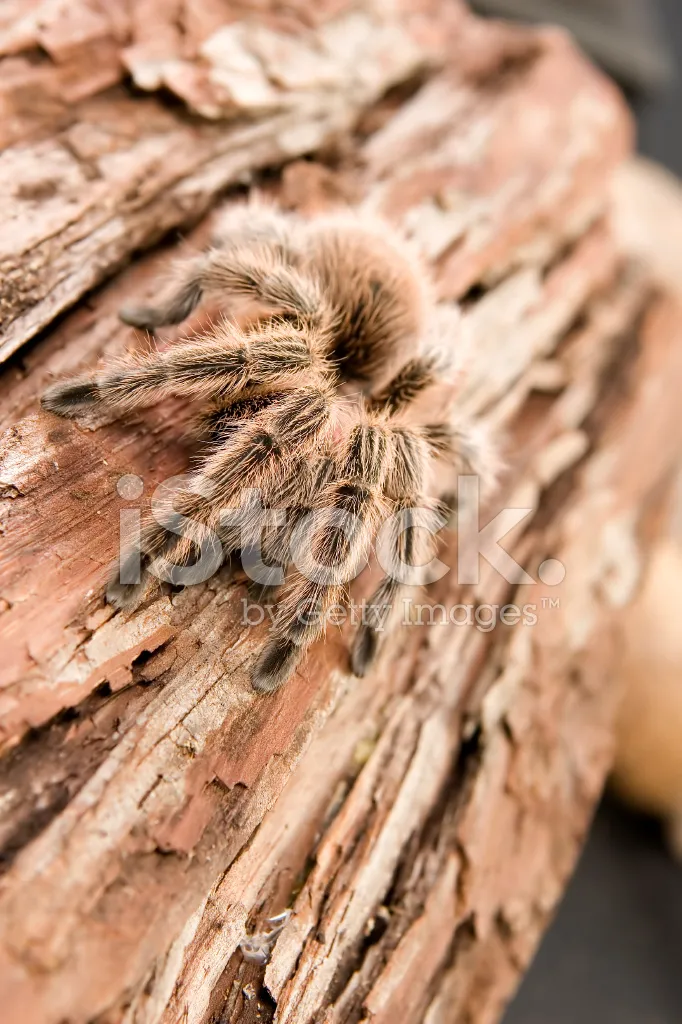
The Chilean Rose Tarantula, a gentle giant of the arachnid world, is a popular choice for beginner tarantula keepers. Their docile nature, relatively simple care requirements, and beautiful coloration make them a captivating pet. However, like any pet, they require specific care to thrive. This guide reveals the top 5 secrets to ensure your Chilean Rose Tarantula lives a long, healthy, and fulfilling life. From choosing the right habitat to understanding their unique behaviors, we’ll cover everything you need to know to become a successful tarantula parent. Owning a Chilean Rose Tarantula can be a rewarding experience, offering a unique perspective on the natural world and the fascinating behaviors of these amazing creatures. Get ready to unlock the secrets of Chilean Rose Tarantula care and provide your eight-legged friend with the best possible life. Follow these essential tips to ensure your tarantula is happy and healthy for years to come.
Choosing the Right Habitat
The first secret to successful Chilean Rose Tarantula care lies in creating the perfect living space. A well-designed habitat provides security, comfort, and the right environmental conditions, which are crucial for your tarantula’s well-being. It’s not just about having a container; it’s about replicating their natural environment as closely as possible. This includes considerations for the size of the enclosure, the type of substrate used, and maintaining the appropriate temperature and humidity levels. A well-prepared habitat minimizes stress and encourages natural behaviors, contributing significantly to the tarantula’s overall health and longevity. Ensure that the habitat is secure, preventing escapes and providing a safe haven for your pet. A good habitat mimics natural conditions, which is essential for a happy and healthy tarantula.
Tank Size and Type
The size of the enclosure should be appropriate for the size of your tarantula. A good rule of thumb is to provide a tank that is at least three times the tarantula’s leg span in width. A 10-gallon tank is often suitable for juvenile and smaller adults, while larger adults may require a 20-gallon long tank. The type of enclosure is also important; glass terrariums or plastic enclosures with secure lids are ideal, offering good visibility and ventilation. Avoid enclosures with screen tops, as these can be difficult to maintain humidity with. The enclosure should allow for easy access for feeding, watering, and cleaning. Choose an enclosure that is durable, easy to clean, and provides a safe environment for your tarantula to thrive. Tank size and type significantly impact your tarantula’s well-being and happiness.
Substrate Selection

The substrate is the bedding material that covers the bottom of the enclosure. It serves several important purposes, including absorbing moisture, providing a place for the tarantula to burrow, and helping to maintain humidity. Good substrate options include a mixture of coconut fiber, peat moss, and a small amount of vermiculite. Avoid substrates like sand or gravel, as these can be difficult for the tarantula to burrow in and can be harmful if ingested. The substrate should be deep enough to allow the tarantula to burrow if it desires. Maintain a consistent depth of about 2-4 inches. Change the substrate regularly, ideally every 3-6 months or when it becomes soiled. The right substrate contributes significantly to the well-being of your Chilean Rose Tarantula, creating a comfortable and healthy environment. Avoid using cedar or pine shavings, as they can be toxic to tarantulas.
Temperature and Humidity
Chilean Rose Tarantulas thrive in a temperature range of 70-80°F (21-27°C). Room temperature is often sufficient, but you may need to use a heat source, such as a heat lamp or a heat mat, to maintain the desired temperature, especially in cooler climates. Place the heat source on one side of the enclosure, creating a thermal gradient that allows the tarantula to regulate its body temperature. Humidity levels should be maintained between 60-70%. You can achieve this by lightly misting the enclosure with water once or twice a week, depending on the ventilation and the humidity level of your environment. Using a hygrometer to monitor humidity levels is highly recommended. Proper temperature and humidity are crucial for molting and overall health. Proper temperature and humidity ensure your tarantula stays healthy and comfortable.
Feeding Your Chilean Rose Tarantula
Feeding your Chilean Rose Tarantula correctly is a key aspect of their care. Providing the right diet, at the right frequency, and ensuring access to fresh water will contribute to their overall health and longevity. Overfeeding can lead to obesity and health problems, while underfeeding can stunt growth. Learning about their dietary needs and feeding habits is essential for keeping your tarantula happy and healthy. It’s a process of observation and adjustment, paying attention to your tarantula’s behavior and appetite. A well-fed tarantula is a healthy tarantula, showing vibrancy and engaging in natural behaviors. Proper feeding is more than just providing food; it’s about understanding the tarantula’s needs and providing what they need to thrive.
What to Feed

Chilean Rose Tarantulas are insectivores, meaning their diet consists primarily of insects. Suitable food items include crickets, mealworms, superworms, and roaches. The size of the prey should be appropriate for the size of the tarantula; a good rule of thumb is to provide insects that are no larger than the tarantula’s body length. Commercially available insects are readily available and are often a convenient option. Dust the insects with a calcium and vitamin D3 supplement before feeding to ensure your tarantula receives adequate nutrients. Variety is important; offering a mix of different insects can help provide a more balanced diet. Ensure the insects are gut-loaded before feeding them to your tarantula, which means feeding the insects nutritious foods to improve their nutritional value. Select healthy, live insects from a reliable source to ensure your tarantula gets the best possible nutrition.
Feeding Frequency
The feeding frequency depends on the age and size of the tarantula. Spiderlings and juveniles should be fed more frequently, typically 2-3 times per week. Adult Chilean Rose Tarantulas can be fed once or twice a week. Observe your tarantula’s feeding habits; if it consistently refuses food, reduce the feeding frequency. Remove any uneaten insects within 24 hours to prevent them from stressing the tarantula and to prevent the build-up of waste. Always provide a shallow water dish with fresh water. Adjust the feeding frequency based on your tarantula’s appetite and overall health. Avoid overfeeding, which can lead to obesity and health problems, by providing food in moderation and observing your tarantula’s feeding behavior. Monitor your tarantula’s abdomen; a healthy abdomen should be slightly rounded, not overly plump.
Watering and Hydration
Providing a constant supply of fresh, clean water is essential for your Chilean Rose Tarantula’s health. Always provide a shallow water dish filled with fresh water. The dish should be shallow enough to prevent the tarantula from drowning. Replace the water in the dish at least twice a week, or more frequently if it becomes soiled. In addition to the water dish, you can also mist the enclosure lightly with water once or twice a week to increase humidity. Avoid over-misting, which can lead to mold growth and other problems. Ensuring your tarantula has access to clean water is essential for hydration and overall health. Regular monitoring of water and humidity will help ensure your tarantula’s well-being. Providing proper hydration contributes significantly to their ability to molt successfully.
Handling and Interaction

While Chilean Rose Tarantulas are known for their docile nature, handling should be approached with caution and respect. Handling is not strictly necessary for their well-being, and excessive handling can stress the tarantula. If you choose to handle your tarantula, do so carefully and consider their individual temperament and behavior. Avoid sudden movements, and always be prepared to put the tarantula back in its enclosure if it shows signs of stress. Handling should be a controlled interaction, not a daily routine. Always prioritize the tarantula’s comfort and safety. Learn to read the tarantula’s body language, as this will help you understand its mood and avoid any unnecessary stress or potential for defensive behavior.
When to Handle
Consider handling only when necessary, such as when cleaning the enclosure or if the tarantula needs to be moved. It’s best to avoid handling shortly after feeding or during the molting process. Always approach handling with a calm demeanor and slow, deliberate movements. If you choose to handle your tarantula, do so in a safe environment, such as over a soft surface, in case it falls. Always wash your hands before and after handling to prevent the spread of bacteria or potential contamination. Never force the tarantula to be handled if it shows signs of reluctance or stress. Handling should be a positive experience for both you and your tarantula. Keep interactions brief and avoid handling if the tarantula seems agitated or defensive.
Safe Handling Techniques
To handle a Chilean Rose Tarantula, gently encourage it to walk onto your hand. Avoid grabbing or squeezing the tarantula, as this can cause injury or stress. Allow the tarantula to explore your hand and feel free to move on its own. Keep your movements slow and predictable, as sudden movements can startle the tarantula. Always handle over a soft surface, such as a bed or a sofa, to prevent injury if the tarantula falls. Be mindful of the tarantula’s urticating hairs, which can cause irritation. Avoid rubbing the tarantula’s abdomen, as this is a sensitive area. If the tarantula becomes agitated or defensive, gently place it back into its enclosure. Always be patient and respect your tarantula’s boundaries. Handling should be a safe and positive experience for both you and your pet.
Recognizing Potential Problems
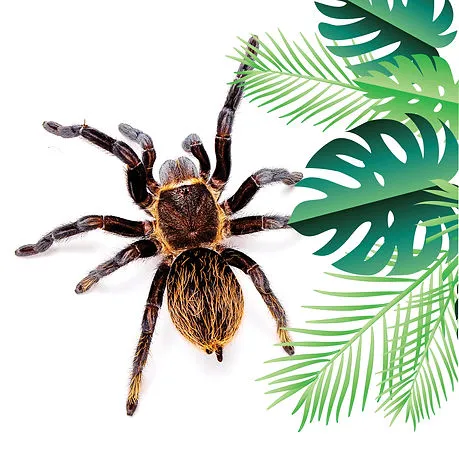
Being able to identify potential health issues is vital for providing proper care and ensuring the well-being of your Chilean Rose Tarantula. While these tarantulas are relatively hardy, they can still be susceptible to certain health problems. Regular observation and a proactive approach to health care can help to prevent or quickly address any issues that may arise. Pay attention to your tarantula’s behavior, appetite, and overall appearance. Any changes in these areas may indicate a potential problem. The ability to recognize early warning signs is crucial to ensure the health of your pet. Early detection and intervention can often lead to better outcomes. Understanding potential problems will help you to provide a healthy environment.
Signs of Illness
Common signs of illness in Chilean Rose Tarantulas include loss of appetite, lethargy, unusual posture, and changes in behavior. If your tarantula stops eating, becomes less active, or displays any unusual behavior, it may be a sign of a health problem. Look for physical signs, such as a swollen abdomen, discolored legs, or discharge. Respiratory problems can sometimes occur. If you notice any wheezing or difficulty breathing, it may indicate a serious issue. Parasites, such as mites, can also be a problem. If you see small, moving organisms on the tarantula’s body, it is essential to seek veterinary advice. Seek veterinary care from a specialist if you are concerned about your tarantula’s health. If your tarantula is exhibiting symptoms of illness, consult with a veterinarian experienced in exotic animal care.
Molting Process
Molting is a natural process in which tarantulas shed their exoskeleton to grow. It is a vulnerable time for the tarantula, and it’s important to avoid disturbing the tarantula during this process. During molting, the tarantula will typically stop eating and may appear lethargic. It will often lie on its back. The molting process can take several hours or even days. Avoid handling or disturbing your tarantula while it’s molting. Provide a humid environment during the molting process. After molting, the tarantula’s new exoskeleton will be soft and vulnerable. Do not feed your tarantula until its exoskeleton has fully hardened, usually about a week after molting. Molting is a natural and necessary part of the tarantula’s life cycle. Be patient, provide a safe environment, and avoid handling during this process.
Common Mistakes to Avoid

Avoiding common mistakes is a critical part of providing excellent care for your Chilean Rose Tarantula. Understanding these pitfalls can help you avoid potential problems and ensure your tarantula thrives. From overfeeding to improper humidity, many common mistakes can negatively affect a tarantula’s health and well-being. This section will discuss common mistakes and how to avoid them. Learning these mistakes is essential for any tarantula owner. By avoiding these common errors, you can increase your chances of having a happy, healthy tarantula. Understanding and avoiding these common mistakes will make your tarantula care journey easier and more rewarding.
Overfeeding
Overfeeding is a common mistake that can lead to obesity, which can negatively impact your tarantula’s health. Providing too much food can put excess strain on the tarantula’s body. Overfeeding can also lead to a decrease in the tarantula’s lifespan. Avoid overfeeding by providing only the appropriate amount of food, based on your tarantula’s age and size. Observe your tarantula’s feeding habits and adjust the feeding frequency accordingly. A healthy tarantula will have a slightly rounded abdomen, not an overly plump one. If your tarantula refuses food, it may be an indication that it is not hungry. Only provide food when the tarantula is actively seeking it. Monitor the tarantula’s overall health and make feeding adjustments to ensure they stay healthy and prevent the negative consequences of overfeeding. Avoid overfeeding to ensure your tarantula’s well-being.
Improper Humidity
Maintaining the right humidity level is essential for the health of your Chilean Rose Tarantula. Improper humidity can lead to several problems, including difficulties during molting and respiratory infections. Too little humidity can cause problems with molting. This can lead to the tarantula getting stuck in its old exoskeleton. Excessively high humidity can lead to mold growth and bacterial infections. To maintain the correct humidity, use a hygrometer to monitor the humidity levels in the enclosure. Mist the enclosure as needed to maintain the correct humidity level. Ensure proper ventilation to prevent excessive humidity buildup. If the humidity is too low, lightly mist the enclosure once or twice a week. If the humidity is too high, improve ventilation and reduce misting. Maintaining the appropriate humidity is vital for a thriving tarantula.
In conclusion, caring for a Chilean Rose Tarantula can be a rewarding experience. By following these top 5 secrets, you can ensure that your tarantula leads a long, healthy, and fulfilling life. Choosing the right habitat, providing the correct diet and hydration, handling with care, recognizing potential problems, and avoiding common mistakes are all essential components of good tarantula care. Remember to observe your tarantula, learn its individual needs, and adjust your care accordingly. Owning a Chilean Rose Tarantula offers a unique opportunity to learn about these fascinating creatures. With the right knowledge and dedication, you can create a thriving environment for your pet to flourish. Enjoy the journey of tarantula ownership and appreciate the beauty and wonder of your Chilean Rose Tarantula. Providing proper care ensures a fulfilling life for your arachnid companion.