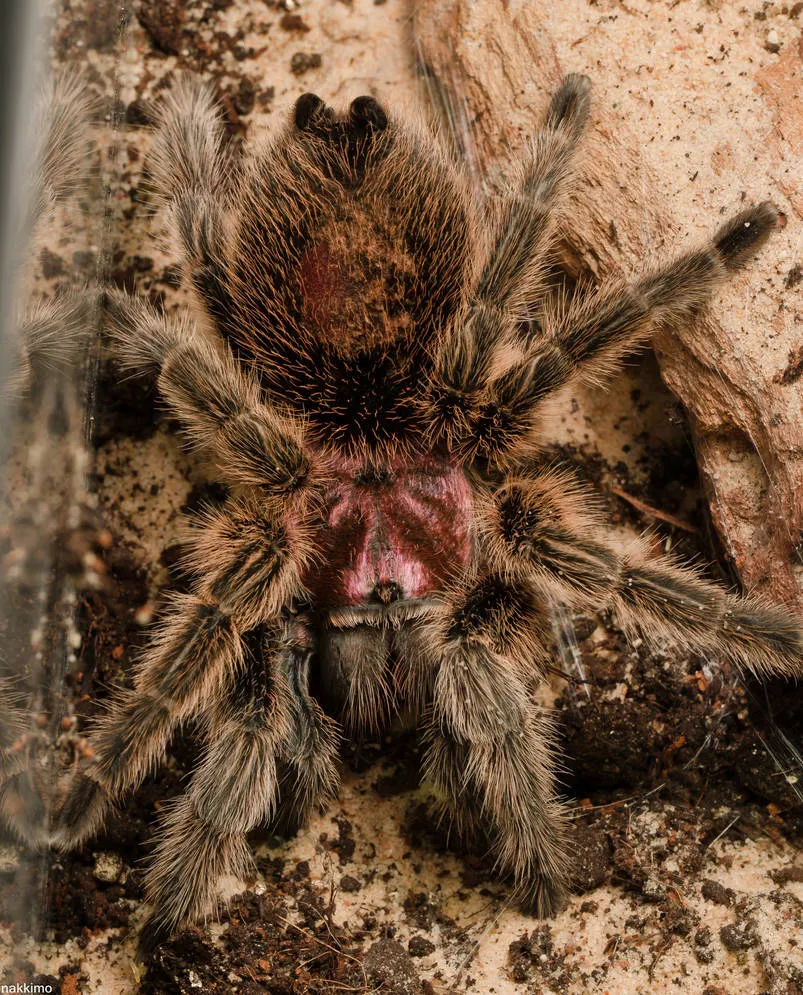
Chilean Rose Tarantula An Introduction
The Chilean Rose Tarantula (Grammostola rosea) is a captivating arachnid, famous for its docile nature and striking appearance. Native to the semi-arid regions of South America, this tarantula has become a popular choice for beginner and experienced pet owners alike. This gentle giant offers a fascinating glimpse into the world of arachnids, with its unique behaviors and relatively low-maintenance care requirements. Understanding the Chilean Rose Tarantula involves exploring its origins, physical traits, and the intriguing aspects of its life cycle. This introduction sets the stage for an in-depth exploration of this remarkable species, revealing the secrets that make it a beloved creature for many.
Origin and Habitat of the Chilean Rose Tarantula
Where They Come From

The Chilean Rose Tarantula, as the name suggests, originates primarily from the semi-arid regions of Chile, as well as parts of Bolivia and Argentina. These tarantulas thrive in environments characterized by dry conditions and moderate temperatures. Their ability to adapt to these specific climates is a key factor in their survival. The species is well-suited to the environment and has adapted to the availability of resources.
Their Natural Habitat
In the wild, the Chilean Rose Tarantula prefers terrestrial habitats, often found in burrows under rocks, amongst sparse vegetation, or in areas with minimal disturbance. These tarantulas are well-adapted to the harsh conditions, with the ability to withstand long periods without food or water. Their burrows provide shelter from the sun and predators, allowing them to regulate their body temperature and conserve moisture. They are typically most active during the dusk and dawn hours, seeking food and mates. Understanding their natural habitat provides insight into their needs in captivity.
Physical Characteristics What Makes Them Unique
Size and Appearance

The Chilean Rose Tarantula is known for its relatively large size and robust build. Adult females can reach a leg span of up to 5–6 inches, while males are generally smaller. Their bodies are covered in fine hairs, giving them a fuzzy appearance. The carapace, the upper shell, and the legs are typically a combination of brown, tan, and reddish hues. The overall appearance is quite striking, making them visually appealing to arachnid enthusiasts. Their size and sturdy build add to their appeal as pets, making them manageable for responsible owners.
Color Variations
While the term “rose” suggests a pink hue, the coloration of the Chilean Rose Tarantula can vary. The colors range from shades of brown and tan to reddish and pinkish tones. The intensity of the color can be influenced by factors such as the tarantula’s age, diet, and the environment. Some individuals may display a more vibrant rose color, especially after molting. The subtle variations in color add to the individual charm of each tarantula, making them unique and visually interesting.
Lifespan How Long Do They Live
Average Lifespan in Captivity

One of the fascinating aspects of the Chilean Rose Tarantula is its lifespan. In captivity, females can live for an impressive 15–20 years, sometimes even longer with proper care. This longevity makes them a long-term commitment for pet owners. Males, however, have a much shorter lifespan, typically living for only a few years after reaching maturity. The significant difference in lifespan is a noteworthy characteristic of this species, adding a layer of complexity to their care and ownership.
Factors Affecting Lifespan
Several factors can impact the lifespan of a Chilean Rose Tarantula. Proper care, including a suitable habitat, appropriate diet, and consistent temperature and humidity levels, is crucial. Stress, inadequate nutrition, and exposure to toxins can shorten their lifespan. Regular veterinary check-ups and attentive observation by the owner are vital for ensuring a long and healthy life for the tarantula. The environment and conditions can dramatically affect the tarantula’s life.
Behavior and Temperament Understanding Their Nature
Common Behaviors

The Chilean Rose Tarantula is generally known for its docile temperament. They are not typically aggressive and rarely bite unless provoked. Common behaviors include spending most of their time in burrows or hiding spots, especially during the day. They are nocturnal hunters, becoming more active during the evening and night. They may also flick urticating hairs as a defense mechanism, which can cause skin irritation. Careful observation of their behavior is essential for understanding their needs and ensuring their well-being.
Defensive Mechanisms
While relatively docile, the Chilean Rose Tarantula does have defensive mechanisms. Their primary defense is the flicking of urticating hairs from their abdomen. These hairs, when airborne, can cause skin irritation and discomfort. Biting is rare but can occur if the tarantula feels threatened. Understanding these defensive behaviors helps owners handle them responsibly and avoid provoking them. These mechanisms protect the tarantula from predators and threats.
Diet and Feeding Habits What Do They Eat
Feeding Frequency and Diet

Chilean Rose Tarantulas are carnivores. Their diet primarily consists of insects, such as crickets, mealworms, and roaches. Younger tarantulas should be fed more frequently, typically 2–3 times a week, while adults can be fed once a week or every other week. It is essential to provide appropriately sized prey. The diet should be varied to ensure they receive a balanced nutrition. Always remove any uneaten prey to maintain a clean environment.
Nutritional Needs
The nutritional needs of Chilean Rose Tarantulas are met through their insect-based diet. It’s crucial to gut-load the insects before feeding them to the tarantula. This involves feeding the insects nutritious food, such as vegetables and commercial insect food, to enhance their nutritional value. This ensures that the tarantula receives essential vitamins and minerals. Additionally, a shallow water dish should always be available for hydration, especially when the tarantula is molting.
Chilean Rose Tarantulas as Pets Pros and Cons
Benefits of Owning a Chilean Rose Tarantula

Owning a Chilean Rose Tarantula offers several benefits. They are relatively low-maintenance pets, requiring minimal space and care compared to many other animals. Their docile nature makes them a good choice for beginners. They are fascinating to observe, offering a unique glimpse into the world of arachnids. Their quiet nature and lack of noise make them ideal pets for those living in apartments or with limited space. They also don’t require daily walks or constant attention.
Challenges of Owning a Chilean Rose Tarantula
Despite their benefits, there are also challenges to owning a Chilean Rose Tarantula. Their specific environmental needs, including temperature and humidity, must be carefully maintained. They require a secure enclosure to prevent escape. Potential owners must be comfortable with feeding live insects and the possibility of handling the tarantula. Although docile, their urticating hairs can cause irritation if handled, and bites can occur. Owning this spider also requires a long-term commitment, given their lifespan.
Conservation Status and Threats
Threats to Their Survival
While the Chilean Rose Tarantula is not currently considered endangered, several threats could impact its survival. Habitat loss due to deforestation and urbanization is a significant concern. Overcollection for the pet trade, if not managed sustainably, could also pose a risk. Climate change, which may alter their natural habitat, is another potential threat. Ongoing monitoring and conservation efforts are essential to ensure the long-term health of the species.
Conservation Efforts
Various conservation efforts are underway to protect the Chilean Rose Tarantula. These include habitat preservation and restoration projects, regulating the pet trade to prevent overcollection, and educating the public about the importance of protecting this species. Responsible pet ownership and supporting reputable breeders can also contribute to conservation efforts. Continued research into their biology and ecology is also essential for effective conservation strategies. Supporting conservation organizations that focus on habitat preservation is a key element to help protect the Chilean Rose Tarantula.