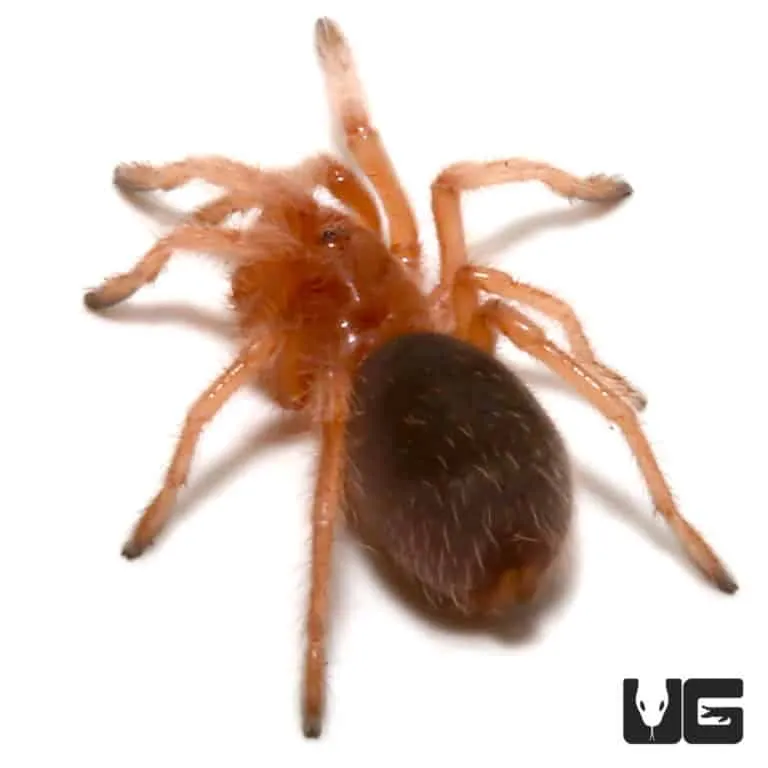
What is the Average Chilean Rose Tarantula Size
The Chilean Rose Tarantula (Grammostola rosea) is a popular pet tarantula known for its docile temperament and beautiful coloration. One of the most common questions among potential owners is, “How big do they get?” Understanding the size of a Chilean Rose tarantula is crucial for providing proper care, including appropriate housing and handling. This guide will explore the various aspects of their size, providing essential information for both novice and experienced tarantula keepers. We’ll delve into average sizes, factors influencing growth, and how to measure your own Chilean Rose tarantula, ensuring you have all the knowledge needed to care for these fascinating creatures. Knowing the size helps in creating a healthy environment, and it also affects your ability to safely handle the spider.
Adult Size and Growth
Generally, adult Chilean Rose Tarantulas reach a leg span of about 5 to 6 inches (12.7 to 15.2 cm). This measurement is taken from the tip of one leg to the tip of the opposite leg, when the tarantula is in a relaxed position. The body length, excluding the legs, typically ranges from 2 to 3 inches (5 to 7.6 cm). Growth is a gradual process, with tarantulas molting their exoskeleton to grow. Molting frequency decreases as the tarantula ages, with juveniles molting more often than adults. The size at maturity can vary slightly depending on individual genetics and environmental factors. Keeping track of the growth stages and understanding the molting process are key to ensuring the tarantula’s healthy development. Regular monitoring of size allows you to adjust enclosure size as needed.
Size of Males vs Females

There are size differences between male and female Chilean Rose Tarantulas. Females tend to be larger and more robust than males. A mature female often reaches the upper end of the size range, with a leg span closer to 6 inches. They also have a longer lifespan, allowing them more time to grow. Males, on the other hand, are typically smaller and more slender. They mature faster and have a shorter lifespan. Male tarantulas will also have smaller bodies and less overall mass than their female counterparts. This size difference is an important consideration when housing multiple tarantulas together or planning for breeding. The difference in size becomes more pronounced as the tarantulas reach adulthood, making it easier to distinguish between the sexes based on physical characteristics.
Factors Influencing Size
Several factors can influence the ultimate size of a Chilean Rose Tarantula. These include diet, habitat conditions, and genetics. Providing a well-balanced diet is crucial for optimal growth. Tarantulas that are fed regularly with appropriate-sized prey, such as crickets or roaches, are more likely to reach their full potential size. Habitat conditions, including temperature and humidity, also play a role. Maintaining the correct environmental parameters supports healthy molting and overall development. Genetics are another significant factor; some tarantulas are simply predisposed to be larger or smaller based on their lineage. Environmental stress and poor care can stunt growth, so providing an enriching environment is essential for ensuring your tarantula thrives.
Diet and Nutrition
Diet is a key element in determining the size of your Chilean Rose Tarantula. A varied diet that includes appropriately sized insects is essential for promoting healthy growth. Common prey items include crickets, mealworms, and roaches. The size of the prey should be proportionate to the tarantula’s size; avoid feeding prey that is too large, as this can stress the tarantula. The frequency of feeding varies based on age and growth stage; juvenile tarantulas require more frequent meals than adults. Supplementing the diet with occasional vitamin and mineral supplements can also support optimal health. Ensuring your tarantula has access to fresh water at all times is another crucial aspect of maintaining good health and promoting proper development. An appropriate diet not only helps with size but also boosts overall vitality.
Habitat and Enclosure Size

The size of the enclosure plays a crucial role in the health and growth of a Chilean Rose Tarantula. As the tarantula grows, it’s essential to provide an enclosure that is large enough to accommodate its size. A cramped enclosure can lead to stress and hinder growth. The enclosure should provide adequate space for the tarantula to move around, establish a burrow, and molt comfortably. The recommended size for an adult Chilean Rose Tarantula is typically a 10-gallon tank or larger. The enclosure should also include appropriate substrate, such as coconut fiber or peat moss, to facilitate burrowing and maintain humidity levels. The size of the enclosure should be adjusted as the tarantula grows, providing a comfortable and enriching environment for its development. This helps prevent stress and promotes healthy molting.
Lifespan and Molting
The lifespan of a Chilean Rose Tarantula is closely tied to its size and molting process. Females generally live longer than males, often up to 20 years, while males typically live for 5 to 10 years. Molting is a critical process in which tarantulas shed their exoskeleton to grow. The frequency of molting decreases as the tarantula matures. Juveniles molt more often, sometimes every few months, while adults molt less frequently, perhaps once a year or even less. During molting, the tarantula is vulnerable, and it’s crucial to maintain a safe environment during this time. Molting provides the tarantula with the opportunity to grow larger, and the size attained in each molt contributes to the overall adult size. Providing proper care and maintaining optimal conditions will support successful molting and contribute to the overall health and size of the tarantula.
How to Measure Your Tarantula
Measuring your Chilean Rose Tarantula is a valuable way to track its growth and ensure it’s developing properly. There are two primary methods for measuring: leg span and body length. Regularly measuring your tarantula will help you determine if it is growing at a healthy pace and if the enclosure size is appropriate. Both methods provide useful information about the size of your tarantula, and the frequency of measurement will depend on the tarantula’s age and molting cycle. It’s a good idea to measure the tarantula after each molt to track its growth. Careful measurement, combined with observation of behavior and appearance, will help you provide the best possible care.
Using a Ruler or Measuring Tape

The simplest method for measuring your tarantula involves using a ruler or measuring tape. To measure the leg span, gently coax the tarantula onto a flat surface. Extend the legs on one side as far as possible, and then measure from the tip of the longest leg on one side to the tip of the longest leg on the opposite side. For body length, measure the length of the carapace (the top shell) and the abdomen, excluding the legs. It’s essential to handle the tarantula with care and avoid stressing the animal during the measurement process. The ruler or measuring tape should be clean and placed gently next to the tarantula. You may need a soft brush to gently encourage the legs to extend fully for an accurate measurement. Record these measurements for future reference to monitor growth over time. Be patient and avoid sudden movements.
Measuring Leg Span vs Body Length
Both leg span and body length provide important insights into the size of your Chilean Rose Tarantula. The leg span is the most commonly used measurement and offers a comprehensive view of the tarantula’s overall size. It’s useful for determining enclosure size and comparing growth over time. The body length provides a more specific indication of the tarantula’s physical structure. It can be used to monitor the tarantula’s health and ensure it’s developing correctly. Both measurements are valuable, and keeping a record of both allows you to track the growth pattern more accurately. Remember to measure consistently using the same method each time to ensure accurate comparison. The ratio between the leg span and body length can also change with age, so observing both metrics is important.
Importance of Knowing Size
Knowing the size of your Chilean Rose Tarantula is crucial for several reasons. It helps in determining the appropriate size of the enclosure, which is essential for the tarantula’s health and well-being. A correctly sized enclosure prevents stress and supports healthy molting. The size of the tarantula also influences the types and sizes of prey you should offer. Overfeeding or underfeeding can lead to health issues. Understanding the tarantula’s size helps in assessing its overall health and can indicate potential problems, such as slow growth or abnormalities in molting. It also affects safe handling practices; a larger tarantula requires more careful handling. Regularly monitoring the size allows you to provide the best possible care and ensure your tarantula lives a long, healthy life.
Health and Well-being

The size of a Chilean Rose Tarantula is directly linked to its health and well-being. A tarantula that is growing at a normal rate and reaching its expected adult size is generally considered healthy. Monitoring the size can help detect potential health issues early on. Slow growth, failure to molt properly, or a loss of appetite could be signs of an underlying problem. Keeping track of size allows you to adjust care practices as needed, such as diet, humidity, or enclosure conditions. A healthy tarantula will typically exhibit normal behavior, such as eating regularly and molting successfully. Regularly assessing the size is a proactive approach to providing optimal care and ensuring your tarantula’s longevity. Early detection of size-related issues can often prevent more serious health problems.
Handling and Safety
Understanding the size of your Chilean Rose Tarantula is crucial for safe handling. While Chilean Rose Tarantulas are known for their docile nature, it’s important to handle them with care, especially when they are larger. Knowing the size helps you anticipate their movement and potential reactions. Always handle a tarantula close to the ground to minimize the risk of injury if it falls. Avoid sudden movements and be gentle when picking up or setting down the tarantula. The size of the tarantula also affects the potential for a bite, although the venom of a Chilean Rose Tarantula is not considered medically significant. Always wash your hands before and after handling your tarantula. Teach children and others who may interact with the tarantula how to handle it safely. Respecting the tarantula’s size and behavior promotes a safe and positive experience for both the keeper and the pet.